
Feline Renal Dysfunction: Understanding and Managing CKD
Comprehensive guide to recognizing, diagnosing, and managing chronic kidney disease in cats
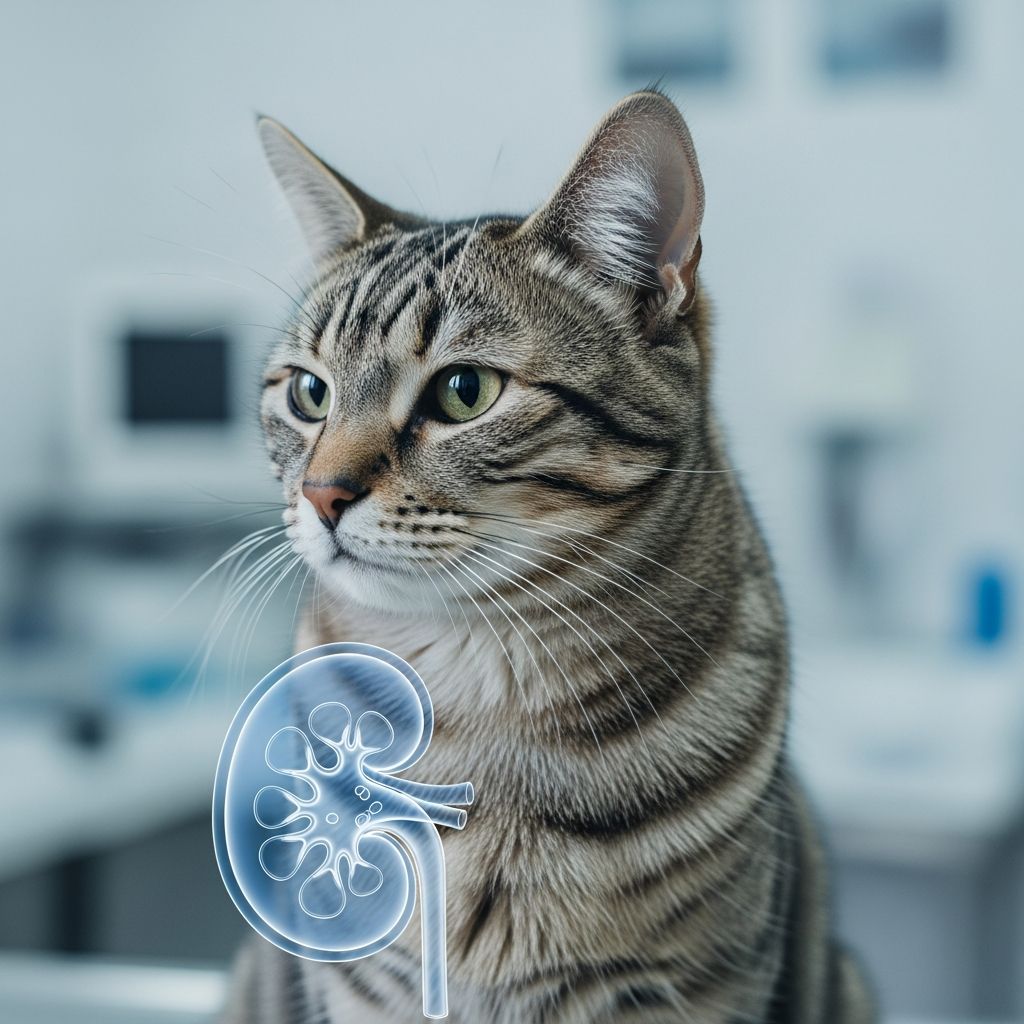
Why Kidney Health Matters for Aging Cats
Chronic kidney disease represents one of the most prevalent health challenges affecting feline populations, particularly as cats advance in age. Research indicates that up to 40% of cats over the age of 10 experience some degree of renal dysfunction, with prevalence increasing significantly in cats over 15 years old. The kidneys serve critical functions in regulating electrolyte balance, removing metabolic waste products, and maintaining hydration—making their deterioration a serious concern for feline health.
Unlike some acute illnesses that develop suddenly, kidney disease in cats typically progresses gradually, often without obvious symptoms in early stages. This insidious nature of the condition underscores the importance of proactive monitoring, particularly for middle-aged and senior cats. Early detection and appropriate management can substantially influence disease trajectory and quality of life outcomes.
Recognizing the Warning Signs and Clinical Presentations
While early-stage kidney disease may present with minimal clinical manifestations, owners should remain alert to behavioral and physiological changes that may suggest renal compromise. Common indicators include:
- Increased thirst (polydipsia) and concurrent increases in urination frequency and volume
- Weight loss despite normal or increased appetite
- Lethargy and decreased activity levels
- Changes in coat quality, often appearing dull or unkempt
- Vomiting or loss of appetite
- Pale mucous membranes in advanced stages
- Oral ulcerations and bad breath
- In severe cases, neurological signs including blindness caused by hypertensive retinal detachment
The manifestation and severity of clinical signs correlate directly with disease stage. Cats in early stages may show minimal symptoms, while those in advanced stages frequently experience multiple complications requiring intensive management.
The Diagnostic Framework: Establishing a Definitive Diagnosis
Proper diagnosis requires a systematic approach combining clinical assessment with laboratory and imaging investigations. When owners report concerns about potential kidney disease, veterinarians typically initiate comprehensive evaluation protocols.
Physical Examination and History
The diagnostic process begins with thorough evaluation of the cat’s medical history, current symptoms, and physical condition. Veterinarians assess body weight and body condition score, evaluate hydration status through physical examination techniques, and perform comprehensive head-to-tail physical examinations. Blood pressure measurement using non-invasive techniques provides critical information about hypertensive complications.
Laboratory Testing
Blood chemistry panels form the foundation of kidney disease diagnosis. These tests typically measure:
| Laboratory Parameter | What It Indicates |
|---|---|
| Blood Urea Nitrogen (BUN) | Kidney’s ability to filter metabolic waste |
| Creatinine | Glomerular filtration rate and kidney function |
| SDMA (Symmetric Dimethylarginine) | Earlier indicator of renal dysfunction than creatinine alone |
| Phosphorus | Secondary hyperphosphatemia common in CKD |
| Potassium and Calcium | Electrolyte balance abnormalities |
Complete blood count evaluation identifies anemia, a common complication in advanced kidney disease caused by decreased erythropoietin production. Urinalysis examines urine specific gravity, protein content, and cellular elements, revealing characteristic patterns such as dilute urine and proteinuria.
Imaging Studies
Renal ultrasonography provides superior diagnostic sensitivity compared to radiography for evaluating kidney size, architecture, and structural abnormalities. Kidneys affected by chronic disease typically appear smaller with irregular surface contours. In certain clinical scenarios, such as unexplained kidney enlargement, additional investigation through fine-needle aspiration or tissue biopsy may be warranted to identify underlying causes.
Understanding Disease Staging and Progression
The International Renal Interest Society (IRIS) classification system standardizes kidney disease assessment, enabling consistent communication between veterinarians and owners regarding disease severity. The system utilizes serum creatinine concentration combined with blood pressure and proteinuria findings to assign cats to one of four stages.
Stage 1: Initial Kidney Changes
At this stage, kidney damage has begun, though serum creatinine remains within normal ranges. Cats typically demonstrate no clinical symptoms and appear completely healthy. However, the presence of proteinuria or borderline elevated SDMA may indicate early pathologic changes. Importantly, kidney cells possess extremely limited regenerative capacity, making damage essentially permanent. Despite this irreversibility, appropriate management initiated at this stage can prevent or slow further deterioration.
Stage 2: Mild Renal Dysfunction
Laboratory values show mild elevation in kidney markers, yet clinical signs often remain subtle. This represents a critical window for intervention, as management strategies implemented during this phase can substantially influence long-term outcomes. Cats may begin showing minor appetite changes or increased water consumption, though these symptoms often go unnoticed by owners.
Stage 3: Moderate Renal Insufficiency
Clinical manifestations become more evident during this stage. Increased thirst and urination, weight loss, and general malaise become apparent. Cats experience significant quality-of-life impacts, requiring more intensive management including potential fluid supplementation and dietary modifications. Complications such as hypertension and anemia frequently emerge.
Stage 4: End-Stage Renal Disease
Advanced kidney dysfunction characterizes this final stage, with severely elevated kidney markers indicating critical loss of renal function. Cats experience profound clinical signs including severe anemia with associated pallor, oral ulceration, potential blindness from hypertensive complications, and severe gastrointestinal symptoms. Management focuses on symptomatic support and comfort, often requiring daily or multiple-weekly fluid administration and intensive pharmacologic intervention.
Therapeutic Strategies and Management Approaches
While no cure currently exists for chronic kidney disease, evidence-based management can extend survival, improve quality of life, and potentially slow disease progression, particularly in earlier stages. A multifaceted approach addressing various aspects of kidney function yields optimal results.
Nutritional Intervention
Dietary management forms the cornerstone of kidney disease therapy. Specialized renal diets provide several beneficial modifications:
- Protein quality and quantity: High-quality, digestible proteins are provided in appropriate quantities to reduce metabolic waste burden while preserving muscle mass
- Phosphorus restriction: Limiting phosphorus intake helps prevent secondary hyperphosphatemia and renal mineralization
- Potassium enhancement: Adequate potassium supports muscular function and prevents depletion
- B vitamin fortification: Water-soluble vitamins are supplemented, as increased urination depletes these nutrients
- Moisture content: Wet or semi-moist diets provide superior hydration compared to dry formulations
Early adoption of renal-supportive diets, ideally initiated at Stage 1 diagnosis, may prevent or delay progression. Dietary transitions should occur gradually to maintain adequate nutritional intake while maximizing therapeutic benefit.
Hydration and Fluid Management
Impaired kidney function leads to excessive fluid loss through polyuric activity, predisposing cats to rapid dehydration. Compensatory mechanisms drive increased water consumption, yet often inadequate to maintain proper hydration.
Management strategies include encouraging voluntary water intake through multiple methods such as water fountains, offering low-sodium broths or specialized rehydration solutions, and incorporating water into meals. In moderate to advanced disease stages, subcutaneous fluid therapy administered by owners or veterinary staff becomes essential. The frequency of administration ranges from weekly in earlier stages to daily in Stage 4 disease, providing crucial support for renal perfusion and waste elimination.
Pharmacologic Interventions
Several medications address complications arising from kidney disease. Angiotensin-converting enzyme (ACE) inhibitors reduce blood pressure and mitigate proteinuria, potentially slowing disease progression. Phosphate binders decrease intestinal phosphorus absorption, preventing hyperphosphatemia. Medications addressing nausea and vomiting improve appetite and nutritional intake. In advanced stages, treatment of secondary anemia with erythropoiesis-stimulating agents may restore energy levels and quality of life.
Blood Pressure Management
Hypertension represents both a consequence and contributor to progressive kidney disease. Systemic blood pressure elevations can cause retinal detachment leading to blindness, in addition to accelerating renal deterioration. Monitoring blood pressure through regular assessment and implementing antihypertensive therapy when indicated protects against these complications.
Underlying Cause Identification and Specific Interventions
While most feline kidney disease arises from idiopathic causes, certain identifiable etiologies permit specific therapeutic targeting. Bacterial infections such as pyelonephritis caused by organisms including E. coli respond to appropriate antimicrobial therapy. Viral infections including FIV and FIP predispose to glomerulonephritis and warrant specific diagnostic testing when recently developed kidney disease is identified. Identifying treatable underlying causes can potentially halt disease progression rather than merely slow it.
Long-Term Monitoring and Adjustment Protocols
Chronic kidney disease demands ongoing veterinary surveillance with periodic reassessment of laboratory values, clinical status, and medication efficacy. Monitoring intervals typically involve annual bloodwork in stable Stage 1 or 2 cases, increasing to semi-annual or quarterly evaluation in more advanced stages. Adjustments to medications, dietary formulations, and fluid supplementation based on evolving laboratory findings and clinical presentations optimize therapeutic outcomes.
Quality of Life Considerations and Prognosis
Prognosis varies considerably based on disease stage at diagnosis and individual response to management. Cats diagnosed in early stages with appropriate intervention may maintain good quality of life for months to years. Earlier diagnosis through screening programs, particularly for at-risk populations including middle-aged and geriatric cats, substantially influences survival duration and health-related quality of life.
Management objectives shift with disease progression. In early stages, the goal centers on slowing disease advancement and preventing complications. In advanced stages, management focuses on maintaining comfort, managing symptoms, and preserving quality of life rather than prolonging life duration.
Frequently Asked Questions
Can kidney disease in cats be prevented?
While genetic predisposition contributes to feline kidney disease risk, certain preventive measures may reduce incidence or delay onset. Maintaining optimal hydration through water fountain use, providing high-quality moisture-rich diets, monitoring blood pressure in middle-aged cats, and ensuring prompt treatment of urinary infections support long-term renal health.
How long do cats survive after kidney disease diagnosis?
Survival duration varies widely based on disease stage at diagnosis, individual disease progression rate, and quality of management. Cats diagnosed in Stage 1 or 2 with appropriate intervention may live several years beyond diagnosis. Those diagnosed in advanced stages typically survive weeks to several months, though some may live longer depending on treatment response.
Is kidney disease painful for cats?
Early-stage kidney disease typically causes no pain. As disease progresses, complications such as oral ulceration, gastrointestinal inflammation, and potential high blood pressure-related complications may cause discomfort. Pain management should be incorporated when these complications develop.
Should diet changes happen immediately after diagnosis?
Yes, dietary modification should begin promptly after kidney disease diagnosis. Gradual dietary transitions over 7-10 days prevent gastrointestinal upset while allowing cats to acclimate to new food formulations. Renal-supportive diets provide immediate benefits through therapeutic nutrient compositions.
Can supplements help cats with kidney disease?
Certain supplements show promise in supporting kidney health. Omega-3 fatty acids may reduce proteinuria, while phosphate binders decrease dietary phosphorus absorption. However, all supplements should be recommended and monitored by veterinarians, as inappropriate supplementation can exacerbate kidney disease.
References
- Chronic Kidney Disease — Cornell University College of Veterinary Medicine. Accessed April 2026. https://www.vet.cornell.edu/departments-centers-and-institutes/cornell-feline-health-center/health-information/feline-health-topics/chronic-kidney-disease
- ISFM Consensus Guidelines on the Diagnosis and Management of Chronic Kidney Disease in Cats — International Society of Feline Medicine. 2024. https://pmc.ncbi.nlm.nih.gov/articles/PMC11148907/
- A Guide to Kidney Disease In Cats — GoodRx Pet Health. 2024. https://www.goodrx.com/pet-health/cat/kidney-disease-in-cats-symptoms-treatment
- Caring for Cats with Kidney Disease: A Complete Guide — Veteris UK. 2024. https://veteris.co.uk/petcare-advice/caring-for-cats-with-kidney-disease-a-complete-guide
- Treating Your Cat’s Chronic Kidney Disease (CKD) – A Helpful Guide — Homeless to House Cats. https://www.homelesstohousecats.com/medical-health-care/treating-your-cats-chronic-kidney-disease-ckd-a-helpful-guide
Similar Articles








Read full bio of medha deb




