
Feline Rabies Vaccine: Protection for Cats and Families
Essential guide to rabies vaccination for cats: schedules, safety, and why every cat needs protection.
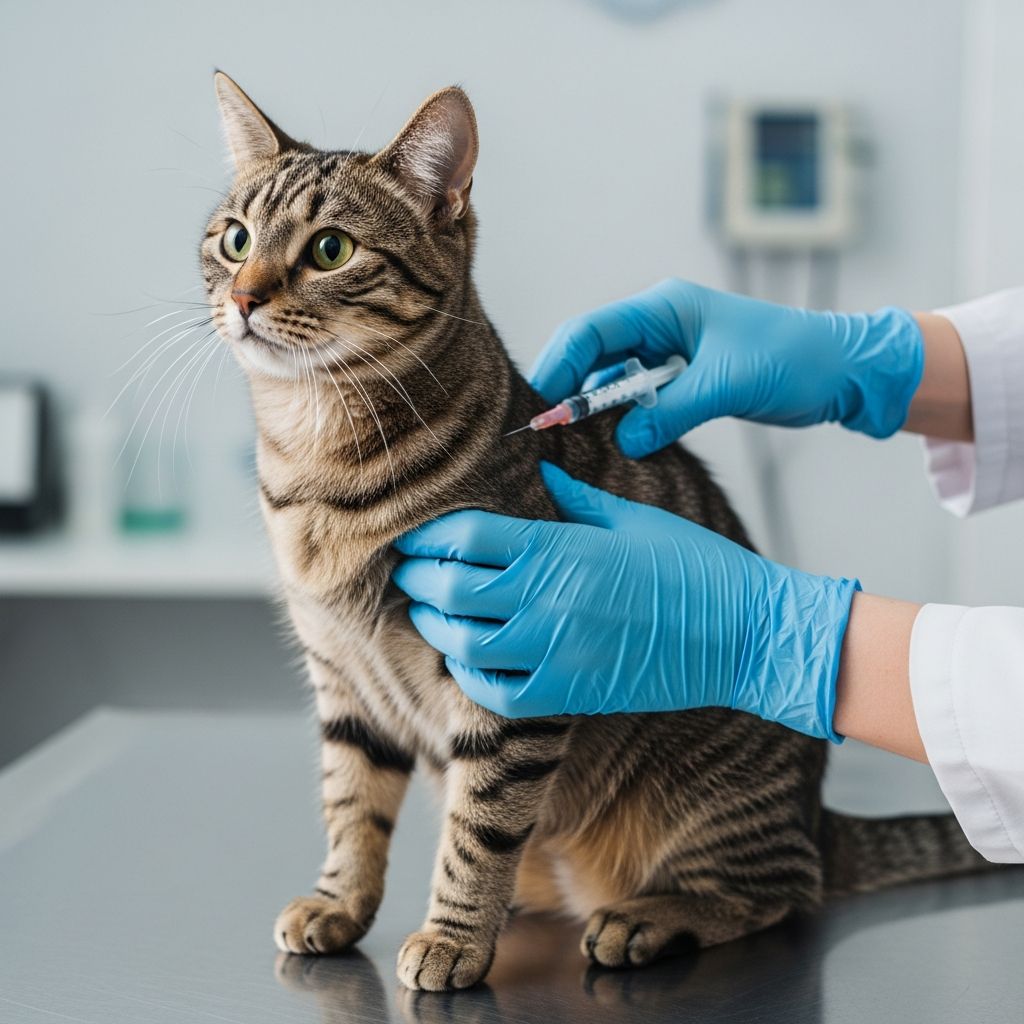
What You Should Know About the Rabies Vaccine for Cats
Rabies is one of the most dangerous viral diseases affecting mammals, including cats, dogs, and humans. Unlike many other feline illnesses, rabies is almost universally fatal once clinical symptoms appear. The good news is that this devastating disease is almost completely preventable through vaccination. Understanding the rabies vaccine for cats is essential for every cat owner who wants to protect their beloved pet and their family from this serious threat.
Understanding Rabies and Why Vaccination Matters
Rabies is a viral infection transmitted through the saliva of infected animals, typically via bite wounds. Once the virus reaches the central nervous system, it causes progressive neurological damage that is almost always fatal. The disease affects the brain and nervous system, leading to behavioral changes, aggression, excessive drooling, paralysis, and ultimately death. Because there is no effective treatment for rabies once symptoms develop, prevention through vaccination is the only practical defense.
The rabies vaccine works by stimulating your cat’s immune system to produce antibodies against the rabies virus. These antibodies provide immunity, preventing infection if your cat is exposed to the virus through a bite or scratch from a rabid animal. This protection is crucial not only for your cat’s safety but also for public health, as vaccinated cats cannot transmit rabies to humans or other animals in the event of exposure.
When Should Kittens Receive Their First Rabies Vaccination?
The timing of rabies vaccination is critical for establishing proper immunity in young cats. Initial rabies vaccinations are generally given to kittens between 12 and 16 weeks of age. Some veterinarians may begin as early as 8 to 12 weeks of age, depending on the specific vaccine type and its label recommendations. Starting vaccination at this age allows the immune system to develop adequate protection during the vulnerable early months of a kitten’s life.
Following the initial vaccination, a booster shot is required approximately one year later to ensure continued immunity. This booster is essential for establishing long-term protection and is required by law in most states. After this initial series, the frequency of boosters depends on the type of vaccine used and local legal requirements, which vary by state and municipality.
Understanding Vaccine Types and Duration
Veterinary medicine has made significant advances in rabies vaccine technology, offering cat owners different options. The two primary vaccine types differ in their composition and how the immune system responds to them:
One-Year Rabies Vaccines
The one-year rabies vaccine, specifically the Purevax recombinant vaccine, has been available since 2001. This non-adjuvanted vaccine was developed after veterinarians observed serious adverse reactions in cats receiving older adjuvanted rabies vaccines, including the development of injection-site fibrosarcomas (cancerous tumors). The recombinant technology creates a safer vaccine profile with fewer adverse reactions. Many veterinarians continue to recommend and use the one-year vaccine because it has an established safety record and is more affordable than three-year alternatives.
Three-Year Rabies Vaccines
As of 2014, the three-year Purevax recombinant rabies vaccine became available for cats. This vaccine provides the same protection as the one-year vaccine but requires administration only once every three years after the initial one-year booster. The three-year option reduces the frequency of veterinary visits and vaccinations, which some cat owners prefer. However, the cost of the three-year vaccine is approximately three times higher than the one-year version, which influences many veterinarians’ recommendations and pet owners’ choices.
Both vaccine types are non-adjuvanted, meaning they do not contain adjuvants that can increase immune response but also raise the risk of injection-site reactions. For cats, choosing a non-adjuvanted vaccine significantly reduces the risk of complications while maintaining excellent protective efficacy.
Rabies Vaccination Requirements and Legal Considerations
Rabies vaccination requirements vary by state and local jurisdiction. Most states require cats and dogs to be vaccinated for rabies by a licensed veterinarian, typically when they reach 3 to 4 months of age. Some states have specific legislation mandating rabies vaccination for all cats, with certain exemptions.
In Illinois, for example, recent legislation (SB 131) requires all cat owners to have their pets vaccinated against rabies by a licensed veterinarian. The law includes specific exemptions: cats younger than 4 months of age and feral cats are exempt, though feral cats must be vaccinated if presented to a veterinarian for sterilization. Additionally, booster shots are mandated within one year of the initial vaccination.
Even indoor-only cats require rabies vaccination in most jurisdictions. Veterinarians emphasize that indoor cats should be vaccinated because they could accidentally escape or be exposed to wildlife such as bats, raccoons, or other potentially infected animals. Since rabies is nearly always fatal once symptoms develop, the legal requirement for vaccination reflects the serious public health implications of this disease.
Potential Side Effects and Safety Profile
Rabies vaccines are generally very safe, with most cats experiencing no adverse effects whatsoever. However, like all vaccines, there is always a small possibility of side effects ranging from mild to severe. Understanding these potential reactions helps cat owners monitor their pets appropriately after vaccination.
Common and Mild Side Effects
The most frequently reported side effects are minor and typically resolve within a few days. These include:
- Swelling or tenderness at the injection site
- Mild pain or soreness at the vaccination location
- Lethargy or mild decreased activity the day after vaccination
- Temporary loss of appetite
These mild reactions are the immune system responding to the vaccine and are generally not cause for concern. Most cats resume normal activity within 24 to 48 hours.
Rare but Serious Reactions
Severe allergic reactions to the rabies vaccine are extremely uncommon but require immediate veterinary attention. According to veterinary data, approximately 13 out of every 10,000 dogs and up to 10 out of every 10,000 cats that receive a vaccine experience a serious reaction. Symptoms of severe reactions include:
- Facial swelling or swelling of the face and lips
- Hives or rash on the skin
- Itching or scratching
- Vomiting or diarrhea
- Difficulty breathing or respiratory distress
- Weakness or collapse
Veterinarians monitor pets for side effects immediately after vaccine administration. If you notice any of these symptoms after leaving the veterinary clinic, call your veterinarian immediately.
Injection-Site Sarcoma Risk
A significant concern with rabies vaccination in cats is the potential development of injection-site sarcoma, a type of cancer that can develop at the vaccination site. This risk was particularly associated with older adjuvanted rabies vaccines. Studies estimate the risk is between 1 in 1,000 to approximately 1 in 10,000 cats vaccinated. Modern non-adjuvanted vaccines have substantially reduced this risk. To further minimize risk, veterinarians may vaccinate in distal locations on the limbs, which makes treatment more manageable should cancer develop.
What Happens if Your Cat Is Exposed to Rabies?
If your cat is bitten or scratched by a potentially rabid animal, immediate veterinary care is essential. The appropriate response depends on whether your cat’s rabies vaccination is current.
If Your Cat Is Currently Vaccinated
If your cat’s rabies vaccination is current, your veterinarian will likely administer a booster shot and recommend observing your cat for 45 days to monitor for any signs of illness. The existing immunity from current vaccination significantly reduces the risk of infection, and the booster provides additional protection.
If Your Cat Is Not Currently Vaccinated
If your cat’s vaccination is not current, the situation is more serious. Your veterinarian may recommend immediate rabies vaccination along with follow-up booster vaccinations at 3 and 8 weeks after the initial exposure vaccination. During this observation period, your cat must be kept in strict isolation to prevent potential transmission of rabies to humans or other animals. This intensive post-exposure management is necessary because an unvaccinated cat has no pre-existing immunity to protect against the virus.
Indoor Cats and Rabies Vaccination
Many cat owners believe that indoor-only cats do not need rabies vaccination, but veterinarians strongly recommend otherwise. Dr. Sara Ochoa, DVM, emphasizes that all cats, including indoor-only cats, should receive rabies vaccines because indoor cats could accidentally escape and be bitten by a rabid animal. Additionally, rabid wildlife such as bats can enter homes through cracks, gaps, or chimneys, potentially exposing indoor cats. The legal requirements in most states reflect this risk, mandating vaccination for all cats regardless of whether they spend time outdoors.
Cost and Insurance Considerations
The cost of rabies vaccination varies depending on your location and veterinary clinic. The one-year vaccine is generally more affordable than the three-year option. Many pet insurance plans and low-cost vaccination clinics offer rabies vaccination services, making protection accessible to most cat owners. Given the serious consequences of rabies infection and the legal requirements for vaccination, the vaccine represents an excellent investment in your cat’s health and your family’s safety.
Choosing the Right Vaccine for Your Cat
When discussing rabies vaccination with your veterinarian, inquire about which specific vaccine they use. The Purevax recombinant rabies vaccine is considered the safest option for cats, as it has the fewest adverse reactions compared to adjuvanted vaccines. Ask your veterinarian whether they can provide the three-year non-adjuvanted vaccine if you prefer less frequent vaccinations, or discuss whether the one-year vaccine is more appropriate for your cat’s individual circumstances.
Frequently Asked Questions About Feline Rabies Vaccines
Q: Can indoor cats get rabies?
A: Yes, indoor cats can potentially be exposed to rabies through contact with infected wildlife, particularly bats that may enter homes. This is why indoor cats also need rabies vaccination.
Q: How often does my cat need a rabies booster?
A: This depends on the vaccine type and your local laws. Most cats receive boosters annually with the one-year vaccine, or every three years with the three-year vaccine. Always follow your veterinarian’s recommendations and local legal requirements.
Q: Are there any cats that don’t need rabies vaccination?
A: Cats younger than 4 months of age are typically exempt from rabies vaccination requirements. Feral cats may be exempt, but they must be vaccinated if presented to a veterinarian for sterilization. Consult your local regulations and veterinarian for specific exemptions in your area.
Q: What should I do if my unvaccinated cat is bitten by a wild animal?
A: Seek veterinary care immediately. Your veterinarian will likely recommend post-exposure vaccination and may prescribe a series of boosters at 3 and 8 weeks, with strict isolation to prevent potential transmission.
Q: Is the rabies vaccine safe for kittens?
A: Yes, rabies vaccines are safe for kittens when administered at the appropriate age, typically starting at 8 to 12 weeks. Serious side effects are extremely rare.
Q: Can my cat have an allergic reaction to the rabies vaccine?
A: Severe allergic reactions are extremely rare, occurring in fewer than 10 out of 10,000 cats vaccinated. Your veterinarian will monitor your cat immediately after vaccination for any adverse reactions.
The Bottom Line
Rabies is a devastating disease that affects cats, dogs, and humans, with nearly 100 percent mortality once clinical signs appear. The rabies vaccine is one of the most effective tools available to prevent this tragedy. Whether your cat spends time outdoors or remains exclusively indoors, rabies vaccination is essential for their protection and for public health. Modern non-adjuvanted vaccines offer an excellent safety profile with minimal side effects while providing robust immunity against this deadly virus. Consult with your veterinarian about the appropriate rabies vaccination schedule and vaccine type for your cat, follow your state and local legal requirements, and keep your cat’s vaccinations current. By doing so, you’ll be protecting both your beloved feline companion and the human members of your family from this preventable but devastating disease.
References
- Why Does My Dog or Cat Need a Rabies Vaccine? — GoodRx. 2024. https://www.goodrx.com/pet-health/pets/dogs-and-cats-need-a-rabies-shot
- One-year Or Three-year Rabies Vaccine For Cats? — Sunvet Animal Wellness. 2016. https://www.sunvetanimalwellness.com/2016/07/cat-rabies-vaccine-asheville-integrative-vet/
- Rabies Vaccination Required for All Cats in Illinois — University of Illinois College of Veterinary Medicine. 2020. https://vetmed.illinois.edu/pet-health-columns/vaccine-illinois-cat-rabies/
- What You Need to Know About Rabies Vaccines for Cats — PetMD. 2024. https://www.petmd.com/cat/care/what-you-need-know-about-rabies-vaccines-cats
- Rabies Prevention and Management of Cats in the Context of Trap-Neuter-Return Programs — National Center for Biotechnology Information. 2016. https://pmc.ncbi.nlm.nih.gov/articles/PMC5120395/
Similar Articles








Read full bio of medha deb




