

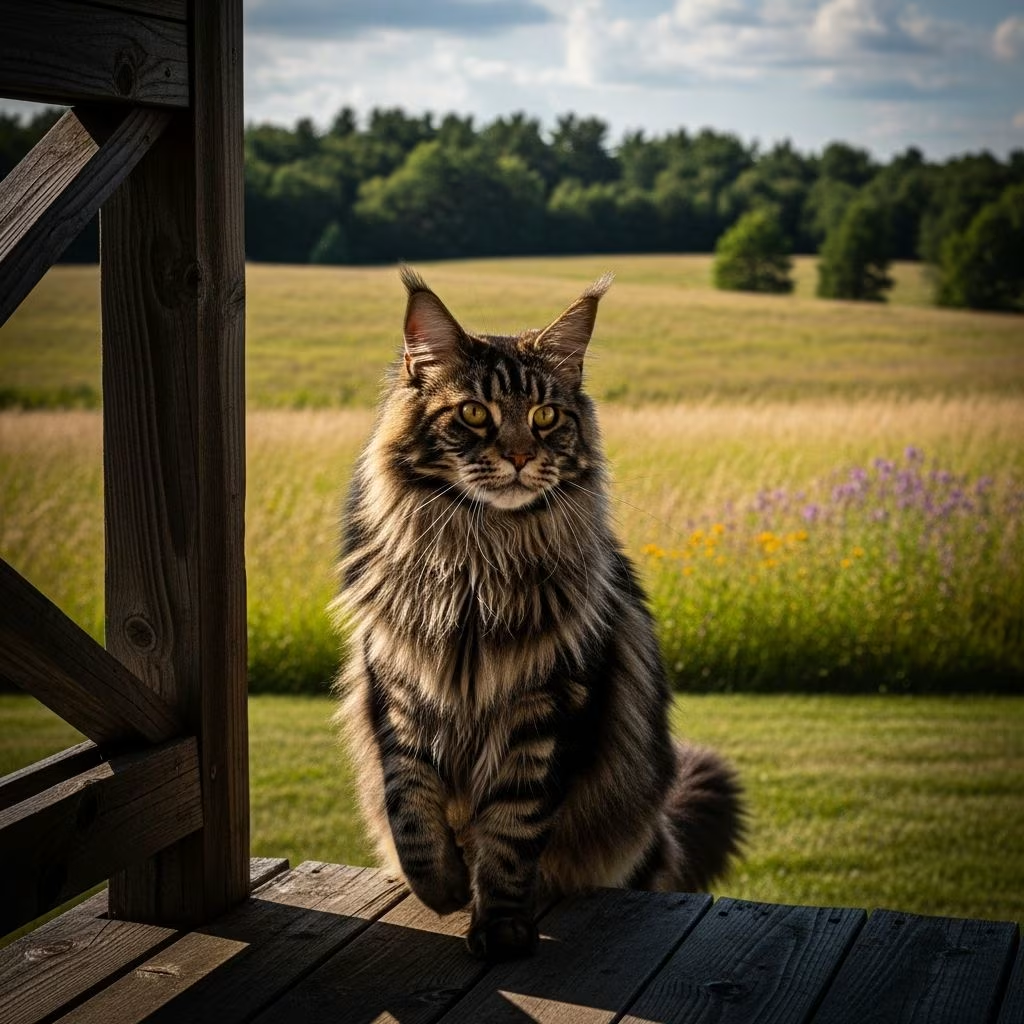
While dogs have long been celebrated as the quintessential guardians of the home, cats possess their own unique capacity for protection and territorial defense. Unlike traditional guard dogs, protective cat breeds demonstrate their commitment through vigilance, loyalty, and an innate wariness of unfamiliar individuals entering their domain. These felines exhibit behavioral patterns that distinguish them from their more aloof counterparts, making them valuable companions for families seeking an additional layer of household security awareness.
The concept of a “guard cat” differs significantly from canine security. Cats operate within their natural instincts rather than through trained responses. Their protective nature emerges from deep-rooted territorial impulses and strong family bonds rather than deliberate training protocols. Understanding which breeds naturally exhibit these characteristics helps prospective cat owners select companions that align with their household dynamics and security preferences.
Breeds Renowned for Protective Behaviors
The Tailless Sentinel: Understanding the Manx
The Manx breed presents a distinctive appearance characterized by the absence or dramatic shortening of the tail—a trait resulting from a genetic mutation. These medium-sized felines, standing between 7 to 11 inches in height and weighing 7 to 14 pounds, develop strong attachments to their family units. What distinguishes the Manx from numerous other breeds is their remarkable capacity to mirror canine behaviors.
Manx cats demonstrate impressive intelligence coupled with unwavering loyalty. They willingly engage in interactive games such as fetch and respond reliably when summoned by name—behaviors uncommon in typical feline companions. Their active temperament and even-keeled disposition make them adaptable to various living situations. Most significantly, these cats exhibit pronounced protective instincts directed toward their immediate family and living territory, positioning them as natural guardians within the household environment.
The Devoted Shadow: Burmese Cats as Family Sentries
Burmese cats share behavioral parallels with Manx breeds, though they approach protection through distinct mechanisms. Standing 10 to 12 inches tall and weighing 8 to 12 pounds, these sleek felines possess superb intelligence and remarkable playfulness. Their most defining characteristic involves their exceptional capacity for bonding with human family members.
Unlike some protective breeds that rely on territorial aggression, Burmese cats ground their guardianship in profound loyalty and emotional connection. They establish deep relationships with their chosen humans, which naturally translates into protective behaviors. While not inherently territorial, their commitment to family members creates an instinctive need to monitor and safeguard household dynamics. This emotional foundation distinguishes their approach to protection from fear-based or purely territorial motivations.
The Curious Guardian: Abyssinian Felines
Abyssinian cats represent a relatively rare breed in North American households, though dedicated breeders maintain established populations. These athletic felines, ranging from 12 to 16 inches in height and weighing between 6 to 13 pounds, possess insatiable curiosity and remarkable agility.
Their protective nature emerges from heightened environmental awareness and active engagement with their surroundings. Abyssinians love climbing to elevated vantage points, allowing them to monitor household activities comprehensively. They demonstrate impressive trainability, readily responding to verbal commands and even showing enthusiasm for water-based activities. Following vigorous play sessions, they seek affection and companionship, demonstrating their capacity for emotional connection alongside their guardian responsibilities.
The Protective Tailless Companion: Cymric Characteristics
Cymric cats, closely related to Manx breeds, display exceptional loyalty and pronounced protective instincts. These medium-sized felines, standing 7 to 9 inches and weighing 8 to 12 pounds, establish strong family bonds and exhibit calm, intelligent temperaments.
What makes Cymrics particularly distinctive in the protective category is their pronounced territorial nature. Many individuals in this breed produce vocalizations remarkably similar to canine growling—a deterrent behavior signaling their unwillingness to tolerate space invasion. They demonstrate particular sensitivity regarding personal space boundaries, which can create challenges in households with young children. However, kittens exposed to children during development typically adapt well, creating stable, protective relationships as they mature.
Breeds Employing Fear-Based Protection Strategies
The Vocal Sentinel: Egyptian Mau Guarding Through Sound
Egyptian Maus are immediately recognizable by their exceptional vocal capacity. While extraordinarily communicative with familiar family members, these cats demonstrate pronounced wariness toward unfamiliar individuals. This selective sociability creates natural guard-like behaviors rooted in innate caution rather than aggression.
Maus employ fear-based protection mechanisms—they become territorial about their possessions, food, and toys, actively discouraging strangers from touching or approaching their valued items. This possessive behavior manifests as a protective instinct that effectively deters unwanted attention. Their natural suspicion of outsiders, combined with vocal warning signals, makes them effective household sentries despite their modest physical stature.
The Wary Guardian: Korat Traits and Temperament
Korats command attention with their distinctive appearance—striking silver-blue coats and notably large, luminous eyes. Despite their elegant appearance, these medium-sized cats, weighing 6 to 10 pounds and standing 15 to 18 inches tall, possess pronounced defensive instincts.
These cats readily startle in response to loud environmental sounds and sudden movements, creating hypervigilance regarding household activities. While this reactivity stems from nervousness rather than aggression, it translates into protective awareness. Korats typically exhibit fear-based responses toward strangers, often manifesting as hissing and growling. Their selective sociability and discomfort with unfamiliar individuals make them naturally suspicious of intrusions, effectively creating a deterrent presence. However, their sensitivity makes them unsuitable for homes with young children or highly unpredictable environments.
Alternative Protective Breeds and Considerations
The Gentle Giant: Maine Coon Protection Through Presence
Maine Coons represent the largest domestic cat breed, with individuals standing 10 to 16 inches tall and weighing up to 25 pounds. Despite their impressive physical presence, these gentle giants display remarkably affectionate and puppy-like temperaments. They form strong attachments to family members and demonstrate natural protective instincts directed toward household dynamics.
While Maine Coons lack the aggressive territorial nature of smaller protective breeds, their substantial size provides inherent deterrent value. Their intelligence and natural watchfulness combine with their physical presence to create an effective guardian. They adapt well to households containing children and other pets, making them suitable for families seeking protective capabilities without the complications of fear-based or aggressive temperaments.
The Elegant Protector: Turkish Angora Considerations
Turkish Angoras, weighing 5 to 10 pounds and standing 9 to 14 inches tall, offer a contrasting approach to feline protection. These social, intelligent, and energetic cats demonstrate affection toward their chosen humans while maintaining sensitivities regarding handling and environmental changes.
Unlike many protective breeds discussed previously, Turkish Angoras make excellent family companions suitable for households with children. Their inherent sociability prevents them from developing the extreme wariness or aggression characteristic of fear-based protectors. However, their intelligence and attentiveness create natural monitoring capabilities. They work best in stable, older-demographic families where their sensitive nature receives appropriate consideration and their protective instincts can develop without conflict.
Comparative Breed Characteristics and Selection Guide
| Breed | Size Range | Lifespan | Primary Protection Method | Family Suitability |
|---|---|---|---|---|
| Manx | 7-11 inches | 10-14 years | Territorial loyalty and monitoring | Good with children |
| Burmese | 10-12 inches | 15-20 years | Emotional bonding and devotion | Good with families |
| Abyssinian | 12-16 inches | 9-15 years | Environmental awareness and agility | Moderate with active families |
| Cymric | 7-9 inches | 8-14 years | Territorial vocalizations and boundary defense | Better with older children |
| Egyptian Mau | Medium | Variable | Possessiveness and suspicion | Limited child compatibility |
| Korat | 15-18 inches | 10-15 years | Fear-based defensive reactions | Not recommended for children |
| Maine Coon | 10-16 inches | 12-15 years | Gentle presence and monitoring | Excellent with families |
| Turkish Angora | 9-14 inches | 15-20 years | Intelligent awareness | Good with older families |
Understanding Feline Protection Mechanisms
Cat breeds exhibit protective instincts through mechanisms fundamentally different from canine guardianship. Rather than physical confrontation or aggressive intervention, protective cats rely on territorial awareness, vocal warnings, and emotional vigilance. They monitor household dynamics continuously, alerting their humans to unusual activities through various vocalizations and behavioral changes.
Territorial breeds mark their spaces through rubbing and scent glands, establishing clear boundaries that discourage intrusion. Their natural wariness of unfamiliar individuals creates spontaneous deterrent effects—strangers often sense the cat’s discomfort and adjust their behavior accordingly. This psychological protection operates effectively without requiring aggressive encounters.
Selecting the Right Protective Breed
Choosing a protective cat breed requires careful consideration of household composition, lifestyle, and compatibility expectations. Families with young children should avoid breeds displaying excessive fear-based aggression or extreme territorial behaviors. Established households with older family members may thrive with more reserved, selectively social breeds.
Living environment significantly influences breed suitability. Active, playful breeds like Abyssinians require space and environmental enrichment to express their protective nature constructively. Quieter households may better suit more reactive breeds like Korats, where low-stimulation environments reduce their stress responses.
Individual cat personality transcends breed tendencies—not all individuals within protective breeds display guard-like behaviors with equal intensity. Observing kitten temperaments before adoption and discussing parental lineages with breeders helps identify animals naturally inclined toward protective expression.
Training and Socialization Considerations
Unlike dogs, cats resist traditional command-based training. However, early socialization during kitten development significantly influences protective behavior expression. Kittens exposed to diverse humans, environments, and experiences during early weeks develop more measured approaches to strangers and novel situations.
Positive reinforcement works effectively with intelligent protective breeds. Rewarding calm behavior around visitors and strangers encourages appropriate responses rather than excessive wariness. Environmental management—controlling exposure to stressful situations and unexpected disturbances—helps prevent fear-based behaviors from becoming dominant responses.
Frequently Asked Questions Regarding Protective Cat Breeds
Can cats truly function as guard animals?
Protective cat breeds exhibit natural guardian instincts within their behavioral and physical capabilities. They alert households to unusual activities, deter some intruders through vocal and behavioral warnings, and monitor family safety. However, they lack the physical capacity and training frameworks available to dogs, making them supplementary security presences rather than primary protection mechanisms.
Which breed offers the strongest protective instincts?
Cymric and Egyptian Mau breeds demonstrate pronounced territorial behaviors and possessive instincts. Korats exhibit intense fear-based defensive reactions. Selection depends on desired protection style—territorial vocalization versus defensive anxiety.
Are protective cat breeds aggressive toward family members?
Well-socialized protective breeds typically reserve their defensive behaviors for unfamiliar individuals and territorial boundary violations. Early positive experiences with family members establish secure bonding that prevents misdirected aggression. However, breeds prone to fear-based responses may occasionally exhibit defensive behaviors if startled or stressed by family activities.
Do protective breeds require specialized care?
Protective breeds benefit from environmental stability, consistent handling, and opportunities for appropriate territorial expression. Creating designated spaces where cats control access and establishing predictable routines reduces stress-based behavioral issues. Mental stimulation through interactive play and environmental enrichment prevents boredom-related behavioral problems.
Conclusion: Embracing Feline Guardianship
Protective cat breeds offer unique guardian qualities that complement household security and family bonding. Their instinctive vigilance, territorial awareness, and emotional loyalty create effective protective presences within domestic environments. Understanding individual breed characteristics, temperament variations, and socialization requirements enables families to select companions whose protective nature aligns with household needs and lifestyle compatibility.
Whether through loyal devotion like Burmese cats, territorial vigilance like Cymrics, or gentle presence like Maine Coons, protective feline breeds demonstrate that guardianship transcends species boundaries. These remarkable animals provide not only security awareness but also genuine companionship, affection, and family integration that extends far beyond their protective functions.
References
- 10 Cat Breeds That Can Act Like “Guard Cats” — Catster. Accessed January 2026. https://www.catster.com/cat-breeds/cat-breeds-that-can-act-like-guard-cats/
- The Guardians of the Home: Protective Cat Breeds You Should Know — Oreate AI. https://www.oreateai.com/blog/the-guardians-of-the-home-protective-cat-breeds-you-should-know/a4330ffd86fabbe842c28bdee222e04b
- The Best Guard Cat Breeds — Like Cats and Dogs. https://likecatsanddogs.substack.com/p/the-best-guard-cat-breeds



