

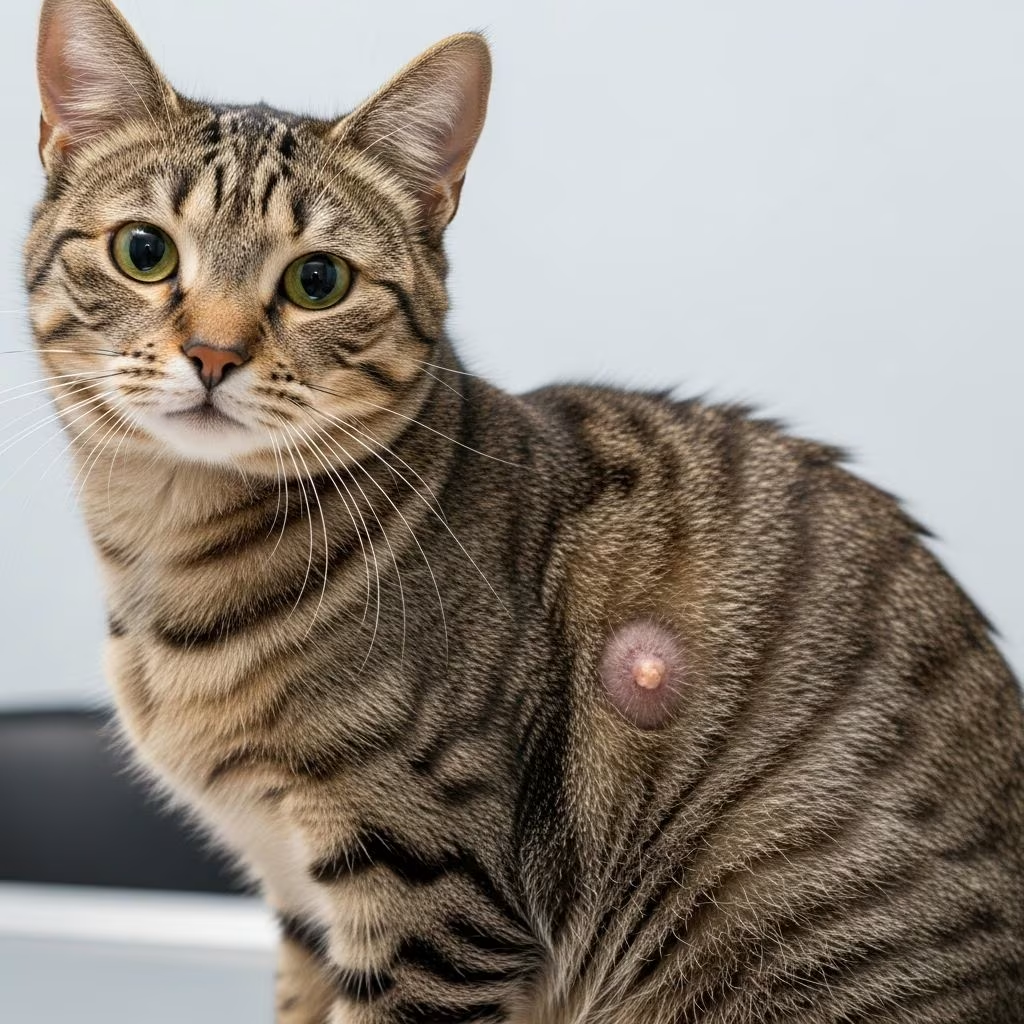
Poxvirus infections represent a significant but often misunderstood category of viral diseases affecting domestic cats, particularly those with outdoor access. While these infections are uncommon in most regions, they occur with notable frequency in Europe and Asia, where environmental conditions and rodent populations facilitate transmission. The primary causative agent in feline poxvirus cases is the cowpox virus, though other orthopoxviruses can occasionally infect cats. Understanding this condition is essential for cat owners in affected regions, as early recognition and appropriate management can substantially improve outcomes.
How Cats Contract Poxvirus Infection
The most common transmission pathway for feline poxvirus occurs through direct contact with infected rodents, which serve as the natural reservoir hosts for these viruses. Cats typically become infected when they hunt, capture, or fight with rodents carrying the virus, with the infection entering through bite wounds or scratches inflicted during these encounters. Once the virus penetrates the skin barrier at the site of injury, it establishes local replication before progressing to systemic spread.
The virus spreads from the initial wound site through the bloodstream and lymphatic system, eventually reaching various body tissues and organs. During this viremic phase—the period when the virus circulates through the bloodstream—the infection can be isolated from multiple tissues including the skin, respiratory tract, and lymphoid organs. This systemic dissemination typically occurs 7 to 10 days after the primary lesion appears.
Less commonly, cats may acquire poxvirus infection through respiratory exposure, though skin inoculation remains the predominant route of infection. Environmental contamination from infected animals can also play a role, though direct animal contact represents the primary concern for pet cats.
Clinical Presentation and Visible Signs
The manifestation of poxvirus infection in cats progresses through distinct stages, with most affected animals developing characteristic skin lesions that serve as the primary diagnostic indicator.
Initial and Primary Lesions
The infection typically begins with a single primary lesion at the site of the bite or scratch wound, usually located on the head, neck, or forelimbs—areas most likely to be injured during rodent encounters. This initial lesion can vary considerably in appearance, ranging from a small scabbed wound resembling a typical bite mark to a larger abscess. Many cats and their owners mistake this early manifestation for a minor injury, delaying recognition of the underlying viral infection.
Secondary Lesion Development
Approximately 7 to 10 days after the primary lesion emerges, secondary skin lesions begin appearing across the body. These develop over 2 to 4 days into discrete, circular, ulcerated papules measuring approximately 0.5 to 1 centimeter in diameter. The lesions may initially appear as raised bumps (macules) before progressing to ulcerated papules or nodules, frequently developing crusty coverings. Secondary lesions typically concentrate on the head, neck, and forelimbs, though they can appear on the face and paws as well.
The margins of these ulcers become distinctly hardened, and the lesions often resist spontaneous healing, particularly without appropriate intervention. In severe cases, the infection can progress to deeper, more extensive proliferative ulcerations requiring intensive management.
Systemic Symptoms
While many infected cats display no clinical signs beyond visible skin lesions, a subset develops systemic manifestations. These may include fever, lethargy, reduced appetite, and depression, particularly during the viremic phase just before and during early secondary lesion development. Approximately 20 percent of affected cats develop mild respiratory symptoms such as coryza (nasal discharge) or conjunctivitis (eye inflammation).
In more severe presentations, cats may experience vomiting, diarrhea, and in rare cases, pneumonia with pleural effusion. These systemic complications occur more frequently in immunocompromised animals, including kittens and cats receiving corticosteroid therapy.
Diagnostic Approaches for Suspected Poxvirus
Veterinary diagnosis of poxvirus infection combines clinical observation, physical examination findings, and specialized laboratory techniques.
Initial Assessment
The diagnostic process typically begins with clinical presentation and history, particularly noting exposure to rodents and the characteristic progression of skin lesions. Physical examination revealing the typical pattern of lesions—a single primary wound with subsequent secondary circular ulcerations—strongly suggests poxvirus infection.
Confirmatory Testing
Several diagnostic tools can confirm poxvirus infection:
- Virus isolation: Collecting scab and wound material for viral isolation represents the most effective confirmation method. Samples are cultured to identify and characterize the specific poxvirus present.
- Blood testing: Serological testing can detect neutralizing and hemagglutination-inhibiting antibodies, which typically appear approximately two weeks after infection.
- Skin biopsy: Histopathological examination of affected tissue can reveal characteristic viral changes and support the diagnosis.
- Imaging: Radiographs or other imaging studies may be indicated if respiratory or systemic involvement is suspected.
The combination of clinical signs and positive viral isolation provides definitive diagnosis, enabling appropriate treatment planning and owner education regarding zoonotic risk.
Treatment Strategies and Supportive Care
Currently, no antiviral medications specifically target poxvirus infection in cats, making supportive care the cornerstone of treatment. However, appropriate supportive management generally results in successful recovery for most affected cats.
Essential Care Components
Wound management and infection prevention: Therapy should focus on thorough cleaning and treatment of ulcerated areas to prevent secondary bacterial infections. Regular gentle cleaning with appropriate antiseptic solutions helps maintain lesion hygiene and reduces infection risk.
Antibiotic therapy: Broad-spectrum antibiotics are typically prescribed to prevent and treat secondary bacterial infections that commonly develop in non-healing wounds. These infections can complicate recovery and lead to systemic signs if left untreated.
Fluid and nutritional support: For cats experiencing systemic signs or difficulty eating, intravenous fluid therapy and nutritional supplementation support overall health and immune function.
Physical barriers: An Elizabethan collar (cone-shaped protective collar) prevents cats from biting or scratching lesions, which could introduce bacteria and impede healing.
Critical Treatment Considerations
One essential aspect of poxvirus management involves avoiding corticosteroids, despite their common use in other feline dermatological conditions. Corticosteroid administration dramatically worsens poxvirus infection, potentially converting localized disease into fatal generalized infection. This contraindication must be clearly communicated to all veterinary team members treating the affected cat.
Emerging evidence suggests that interferon omega therapy may provide benefit in specific cases, particularly those developing pneumonia, though further research is needed to establish definitive protocols.
Expected Recovery Timeline and Prognosis
Most infected cats follow a favorable clinical course when appropriate supportive care is provided. Solitary superficial lesions typically heal spontaneously within 4 to 5 weeks in well-nourished animals. More comprehensive recovery, with all secondary lesions resolved, generally occurs within 6 weeks of infection onset.
The majority of infected cats achieve complete recovery without extensive medical intervention, with most carrying an excellent prognosis and requiring no hospitalization. However, prognosis varies based on several factors including the severity of initial infection, presence of secondary bacterial infections, the cat’s baseline immune status, and whether systemic complications such as pneumonia develop.
Cats presenting with signs of lung infection that do not receive timely medical care carry a guarded to poor prognosis. Kittens and immunocompromised cats face substantially higher risk of fatal outcomes, particularly if they have received corticosteroid treatment.
Regional Distribution and Risk Assessment
Poxvirus infections in cats remain uncommon globally but occur with greater frequency in specific geographic regions. Europe and Asia represent the primary endemic areas where the combination of cowpox virus prevalence in rodent populations and feline outdoor exposure creates higher transmission risk.
Cats with outdoor access in these regions face elevated risk of rodent exposure and subsequent infection. Indoor cats remain protected from this transmission route, making housing choice a significant risk factor in affected areas. Seasonal variations in rodent activity may influence infection patterns, with cases clustering during seasons of peak rodent population.
Zoonotic Considerations and Public Health Implications
An important aspect of poxvirus infection management involves recognizing that cowpox virus demonstrates a wide host spectrum, including humans. Pet cats with active poxvirus infection pose a potential transmission risk to household members and caregivers. Owners and veterinary staff should maintain appropriate hygiene practices when handling infected cats or contaminated materials, including hand washing after contact and before eating or touching the face.
Environmental contamination can persist for extended periods, as dry scabs and crust material maintain viral infectivity for months. Effective disinfection requires heating materials to temperatures exceeding 80°C, as alcohol-based disinfectants prove inadequate for poxvirus inactivation.
Preventive Measures and Long-Term Management
Currently, no vaccines protect against poxvirus infection in cats, making prevention through exposure reduction the primary protective strategy. Minimizing or supervising outdoor access in endemic regions substantially reduces infection risk. Controlling rodent populations in and around the home reduces potential viral reservoirs.
For infected cats that recover, reinfection appears uncommon, as immune mechanisms develop during the acute infection that provide subsequent protection. However, the exact duration and completeness of immunity remain incompletely characterized.
Frequently Asked Questions
Is poxvirus infection contagious between cats?
Poxvirus infection is not highly contagious between cats through direct contact. Transmission primarily occurs through bite wounds from infected rodents rather than through cat-to-cat contact. However, exposure to contaminated environmental surfaces or direct contact with active lesions presents a theoretical transmission risk.
Can my indoor cat contract poxvirus?
Indoor cats have minimal risk of poxvirus infection unless they are exposed to infected rodents that have entered the home or unless they occasionally access outdoor environments where rodent contact occurs.
How much does poxvirus treatment cost?
Costs vary based on treatment intensity and local veterinary pricing. Most cases require only supportive care with antibiotics and topical wound treatment, making costs moderate. Severe cases requiring hospitalization, intravenous therapy, and extended treatment may incur substantially higher expenses.
Will my cat’s lesions leave permanent scars?
While most lesions heal completely within 6 weeks, some cats may develop minor scarring, particularly if lesions were severe or became secondarily infected. Most scarring remains minimal and does not affect quality of life.
References
- ABCD Cats & Vets — Guideline for Poxvirus infections in cats. Association of Feline Practice. https://www.abcdcatsvets.org/guideline-for-poxvirus-infections-in-cats/
- Poxvirus Infection in Cats. PetMD. https://www.petmd.com/cat/conditions/infectious-parasitic/c_ct_poxvirus_infection
- Poxvirus Infection in Cats — Causes, Treatment and Prognosis. Vetster. https://vetster.com/en/conditions/cat/poxvirus-infection
- Cowpox Virus Infections in Cats and Other Species. MSD Veterinary Manual. https://www.msdvetmanual.com/integumentary-system/pox-diseases/cowpox-virus-infections-in-cats-and-other-species
- Cowpox Virus Infection in Cats: ABCD guidelines on prevention and management. National Center for Biotechnology Information (NCBI). 2024. https://pmc.ncbi.nlm.nih.gov/articles/PMC11148946/
- Cat pox disease in Cats. Vetlexicon. https://www.vetlexicon.com/felis/dermatology/articles/cat-pox-disease/
- Poxvirus in Cats. VCA Animal Hospitals. https://vcahospitals.com/know-your-pet/poxvirus-in-cats
- Pox Infection in Cats. Merck Veterinary Manual. https://www.merckvetmanual.com/cat-owners/skin-disorders-of-cats/pox-infection-in-cats



