
Post-Operative Feline Recovery: A Comprehensive Guide
Essential strategies for supporting your cat's healing after surgical procedures
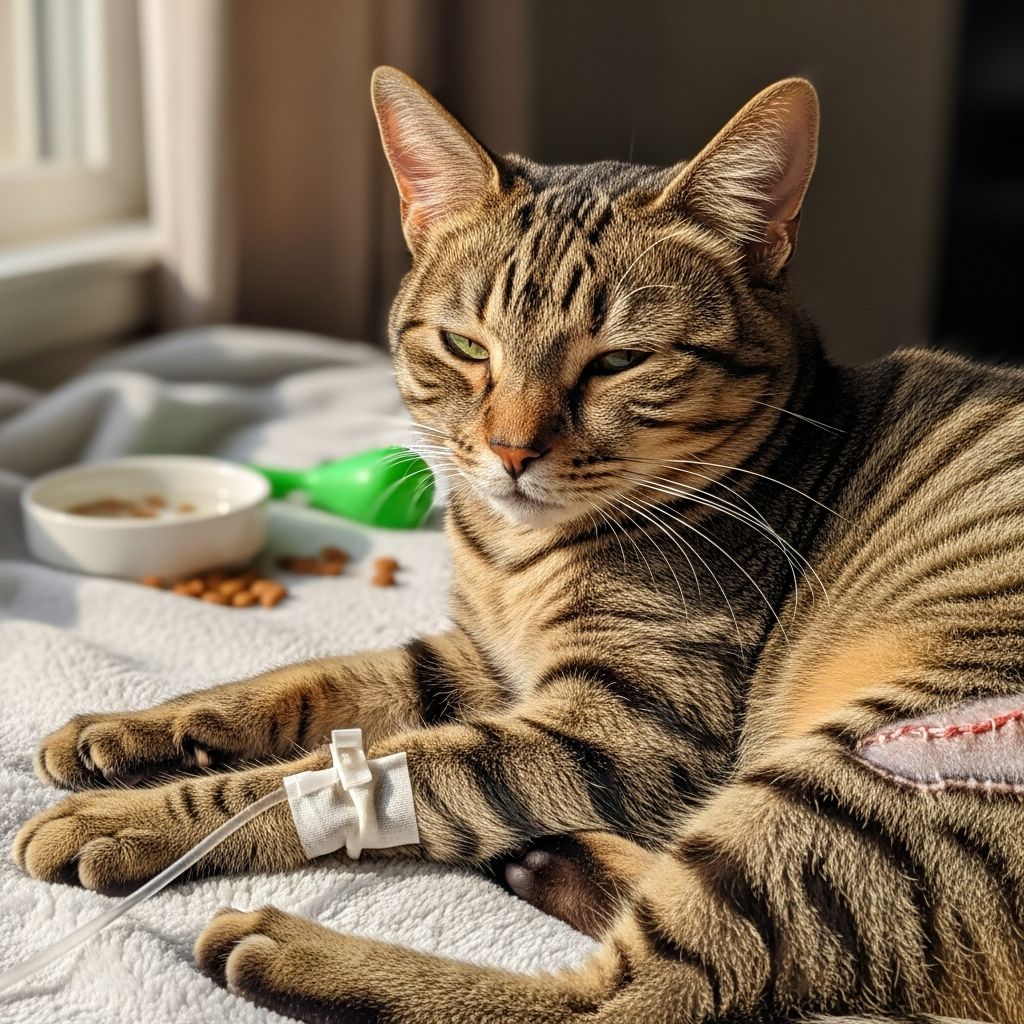
When your cat undergoes surgery, the procedure itself represents only the first phase of their medical journey. The recovery period that follows is equally critical to the surgical intervention, requiring dedicated attention, careful monitoring, and consistent adherence to veterinary guidelines. Whether your feline companion has undergone a routine spaying or neutering procedure, a more complex orthopedic surgery, or emergency intervention, understanding how to support their healing process can significantly impact their comfort and overall outcomes. This comprehensive guide provides pet owners with evidence-based strategies for managing their cat’s recovery at home.
Establishing the Optimal Recovery Environment
The physical space where your cat recovers plays a fundamental role in minimizing stress and promoting healing. Before bringing your cat home from the surgical facility, you should prepare a dedicated recovery area that addresses their physiological and psychological needs. Select a small, quiet room such as a bathroom, bedroom, or laundry room where you can control environmental variables and limit external stimuli. This room should be positioned away from household traffic patterns, other pets, and sources of noise that could startle or agitate your recovering cat.
Temperature control deserves particular attention during recovery. Maintain the room at a comfortable temperature between 68°F and 75°F (20°C to 24°C). Provide soft, clean bedding such as a cat bed or blankets where your cat can rest without pressure on the surgical site. Many cats benefit from slightly dimmed lighting, which creates a calming atmosphere that encourages rest. Position the litter box, food, and water bowls within easy reach to minimize the distance your cat must travel during this vulnerable period. This arrangement reduces unnecessary movement while ensuring your cat can access essential resources without assistance.
Activity Restriction: The Foundation of Proper Healing
One of the most critical aspects of post-operative care is limiting your cat’s physical activity during the initial healing phase. Most surgical procedures require activity restriction for 7 to 10 days, though some complex surgeries may require extended periods of confinement. This timeframe corresponds with the typical healing trajectory of surgical wounds, which require protection from disruption during early tissue repair.
Activity restriction serves several important functions:
- Prevents tension on the surgical incision that could cause wound dehiscence (separation)
- Reduces inflammation and swelling at the surgical site
- Minimizes bleeding and seroma formation (fluid accumulation)
- Promotes faster tissue healing by conserving metabolic resources
- Decreases the likelihood of post-operative complications
Keeping your cat confined to a single room naturally restricts their activity while providing a safe environment. Avoid allowing your cat to jump on or off furniture, climb, run, or engage in vigorous play with household members or other pets. If your cat shows increased activity levels despite confinement, consider using a large dog crate or carrier as a temporary containment solution during periods when you cannot directly supervise them.
Wound Assessment and Monitoring Protocols
Vigilant observation of the surgical incision is essential for detecting complications early when they are most manageable. Examine the incision site at least twice daily, preferably at consistent times each day to establish a routine. Document the appearance using a simple checklist or journal to track any changes over time.
A healthy healing incision should exhibit these characteristics:
- Clean, dry appearance with edges in close approximation
- Mild redness or swelling during the first few days, gradually improving
- No discharge, seepage, or purulent material
- Absence of odor or unpleasant smell
- Skin sutures or staples intact and properly positioned
Contact your veterinarian immediately if you observe any of these warning signs:
- Excessive redness or swelling that worsens after day three
- Discharge of any kind, including seropurulent or bloody material
- Foul or unusual odor emanating from the wound
- Separation or opening of the incision edges
- Heat radiating from the incision area
- Excessive licking or chewing at the site
Preventing self-trauma to the incision site requires protective measures. Even brief licking or chewing can compromise a delicate healing wound. Your veterinarian may recommend an Elizabethan collar (cone), inflatable collar, or protective body suit to prevent access to the incision. Choose the option that your cat tolerates best, as compliance with wearing protective equipment is essential for successful wound healing.
Nutritional Support During Recovery
Proper nutrition provides the metabolic resources necessary for tissue repair and immune function during the post-operative period. Unless your veterinarian has recommended a specific therapeutic diet, continue feeding your cat their normal food in smaller, more frequent portions. This approach maintains nutritional intake while potentially reducing gastrointestinal upset that sometimes follows anesthesia.
Some cats experience reduced appetite in the immediate post-operative period due to lingering effects of anesthesia or pain. If your cat shows reluctance to eat, try these strategies:
- Warm food slightly in the microwave for 5-10 seconds (ensure thorough mixing to avoid hot spots)
- Offer small amounts of plain cooked chicken breast or white fish
- Provide food at room temperature rather than directly from the refrigerator
- Offer multiple small meals throughout the day rather than one large meal
- Ensure fresh, clean water is always available
If your cat refuses food for more than 24 hours, contact your veterinarian, as prolonged anorexia can complicate recovery. Your veterinary team may recommend prescription recovery diets specifically formulated with elevated caloric density and easily digestible ingredients to support healing and encourage consumption.
Managing Elimination Needs
Cats recovering from surgery require convenient access to elimination facilities designed to accommodate their temporary physical limitations. Provide a litter box with at least one low-entry side that allows easy entry and exit without requiring jumping or excessive climbing. Place the litter box in the recovery room with the food and water bowls nearby to encourage use.
Choose litter carefully during recovery. Paper-based or wood-pellet litters adhere less readily to surgical incisions and present a lower contamination risk compared to clay-based litters. Avoid litter that could track into the wound or introduce foreign material. Maintain meticulous litter box hygiene by scooping daily and changing litter frequently to reduce bacterial colonization and infection risk.
Medication Administration and Pain Management
Post-operative medications represent a critical component of recovery management. Your veterinarian will prescribe medications appropriate to your cat’s specific procedure and medical history. Common post-operative medications include pain relievers (NSAIDs or gabapentin), anti-anxiety medications, and in some cases, antibiotics. Administer all medications exactly as prescribed, following the specified dose and frequency precisely.
Establish a medication administration system to ensure consistency:
- Create a medication chart noting each medication, dose, frequency, and time administered
- Set phone reminders or alarms for medication times
- Mark off each dose as it is given to prevent accidental double-dosing
- Store medications in a designated location away from household traffic
- Keep all medications at the appropriate temperature (typically room temperature unless otherwise directed)
If your cat struggles to swallow pills, discuss alternative medication forms with your veterinarian. Many medications are available as liquids, which can be mixed with food or administered directly into the mouth using an oral syringe. Never administer over-the-counter pain relievers or other medications without explicit veterinary authorization, as many common analgesics are toxic to cats or contraindicated with surgical recovery protocols.
Incision Hygiene and Moisture Protection
Maintaining an incision free from excessive moisture is critical for preventing bacterial proliferation and infection during the healing phase. Avoid bathing your cat for at least the first week after surgery or until your veterinarian provides clearance. Water creates an ideal environment for bacterial growth and can compromise the protective nature of healing tissue.
If your cat requires cleaning during recovery, use a damp cloth to gently wipe specific areas rather than full immersion bathing. Avoid direct water contact with the incision site. After any cleaning, pat the area dry thoroughly with clean towels or absorbent cloths. Ensure the recovery room remains free from excessive humidity, and consider using fans to promote air circulation around the incision site.
Timeline for Recovery and Activity Progression
Understanding the typical recovery trajectory helps pet owners recognize whether their cat’s healing is progressing normally or if complications may be developing. The initial 7 to 10 days represent the most critical period when wound integrity is most vulnerable. During this timeframe, strict activity restriction is mandatory.
After the initial 7 to 10 day period, your veterinarian will provide guidance on gradually increasing activity based on your cat’s individual response and the specific surgical procedure performed. Some cats may resume limited activity before suture removal, while others may require extended restriction. Never resume full activity without explicit veterinary clearance, as internal healing often continues beyond the point where external wounds appear healed.
Suture or staple removal typically occurs 10 to 14 days post-operatively. Even after suture removal, your cat should maintain restricted activity for several additional days while the tissue continues to gain strength. Your veterinarian will provide specific timelines based on your cat’s surgical procedure and individual healing progression.
Behavioral Changes and Emotional Support
Expect behavioral changes during the immediate post-operative period as your cat processes the stress of surgery and anesthesia. Some cats become withdrawn or unusually quiet, while others display mild anxiety or restlessness. These behavioral shifts are typically temporary and should normalize as your cat recovers. Provide gentle emotional support through quiet companionship without excessive handling that could disrupt the incision.
Allow your cat to rest undisturbed for extended periods. Frequent handling, loud interactions, or stressful situations can elevate cortisol levels and compromise immune function during healing. Maintain a calm, predictable routine that minimizes uncertainty and stress.
Recognizing Complications and When to Seek Immediate Care
While most cats recover uneventfully from surgery, complications can occasionally develop despite careful aftercare. Contact your veterinarian immediately if you observe any of these warning signs:
- Persistent vomiting or inability to retain food or water lasting more than a few hours
- Diarrhea or constipation lasting more than 24 hours
- Difficulty breathing, wheezing, or respiratory distress
- Bleeding or excessive discharge from the incision
- Incision opening or separation of edges
- Lameness, inability to bear weight, or severe pain despite pain medication
- Behavioral changes suggesting severe pain or distress
- Lack of appetite persisting beyond 24 hours
- Failure to urinate or defecate within 24-48 hours post-operatively
Follow-Up Veterinary Care
Schedule and keep all follow-up appointments recommended by your surgical veterinarian. These rechecks allow your veterinary team to assess incision healing, evaluate your cat’s overall recovery, and address any emerging concerns. Even if your cat appears fully recovered, professional evaluation ensures that internal healing is progressing appropriately. Follow-up visits typically include incision assessment, potential suture removal, and clearance to resume normal activities.
Frequently Asked Questions About Feline Post-Operative Care
How can I help my cat recover faster from surgery?
Follow all aftercare instructions precisely, maintain strict activity restriction during the initial healing period, ensure proper nutrition and hydration, administer medications on schedule, and monitor the incision site closely for any signs of complications. Recovery cannot be rushed, as tissue repair requires time. However, optimal supportive care prevents unnecessary delays caused by preventable complications.
Can I use over-the-counter pain medication for my recovering cat?
Never administer over-the-counter pain medications without explicit veterinary authorization. Many common analgesics including ibuprofen and acetaminophen are toxic to cats or contraindicated during post-operative recovery. Use only medications prescribed by your veterinarian in the exact doses recommended.
When can my cat resume normal activities and outdoor access?
Most cats can resume gradually increased indoor activities after 10 to 14 days, though some surgical procedures require extended restriction. Your veterinarian will provide specific timelines. Outdoor access should not resume until your veterinarian provides explicit clearance, typically 2-3 weeks post-operatively. This extended restriction protects the healing incision from environmental contamination and prevents activity-related complications.
Should I clean the surgical incision at home?
Only clean the incision if your veterinarian specifically instructs you to do so. Improper cleaning can disrupt delicate healing tissue or introduce bacterial contamination. Unless directed otherwise, allow the incision to heal without intervention.
Is mild swelling or redness normal after surgery?
Mild redness and slight swelling can be normal during the first few days of healing. However, progressive worsening after day three, excessive swelling, or accompanied discharge warrants immediate veterinary attention. When in doubt, contact your veterinarian rather than waiting to see if symptoms resolve independently.
References
- How to Care for Your Cat After an Operation — Cats Protection. Accessed April 2026. https://www.cats.org.uk/help-and-advice/health/caring-for-your-cat-after-an-operation
- Caring For Your Cat After Surgery — PDSA Pet Health Advice. Accessed April 2026. https://www.pdsa.org.uk/pet-health-advice/cat-care/recovery-after-surgery
- Post-Operative Instructions in Cats — VCA Animal Hospitals. Accessed April 2026. https://vcahospitals.com/know-your-pet/post-operative-instructions-in-cats
- Cat After Surgery Care: 10 Essential Recovery Tips — Coastal Veterinary Care Boca. Accessed April 2026. https://www.cvcboca.com/cat-after-surgery-care-essential-tips/
- Cat Surgery Recovery Guide: Helping Your Cat Heal — Rear Road Animal Hospital. Accessed April 2026. https://www.rearoadanimalhospital.com/how-to-help-your-cat-recover-from-surgery/
- After Surgery: How to Care for Your Pet — ASPCA Spay/Neuter Alliance. Accessed April 2026. https://www.aspca.org/aspca-spay-neuter-alliance/after-surgery-instructions
- Cat Surgery Aftercare FAQs — PetMD. Accessed April 2026. https://www.petmd.com/cat/cat-surgery-aftercare-faqs
Similar Articles








Read full bio of medha deb




