

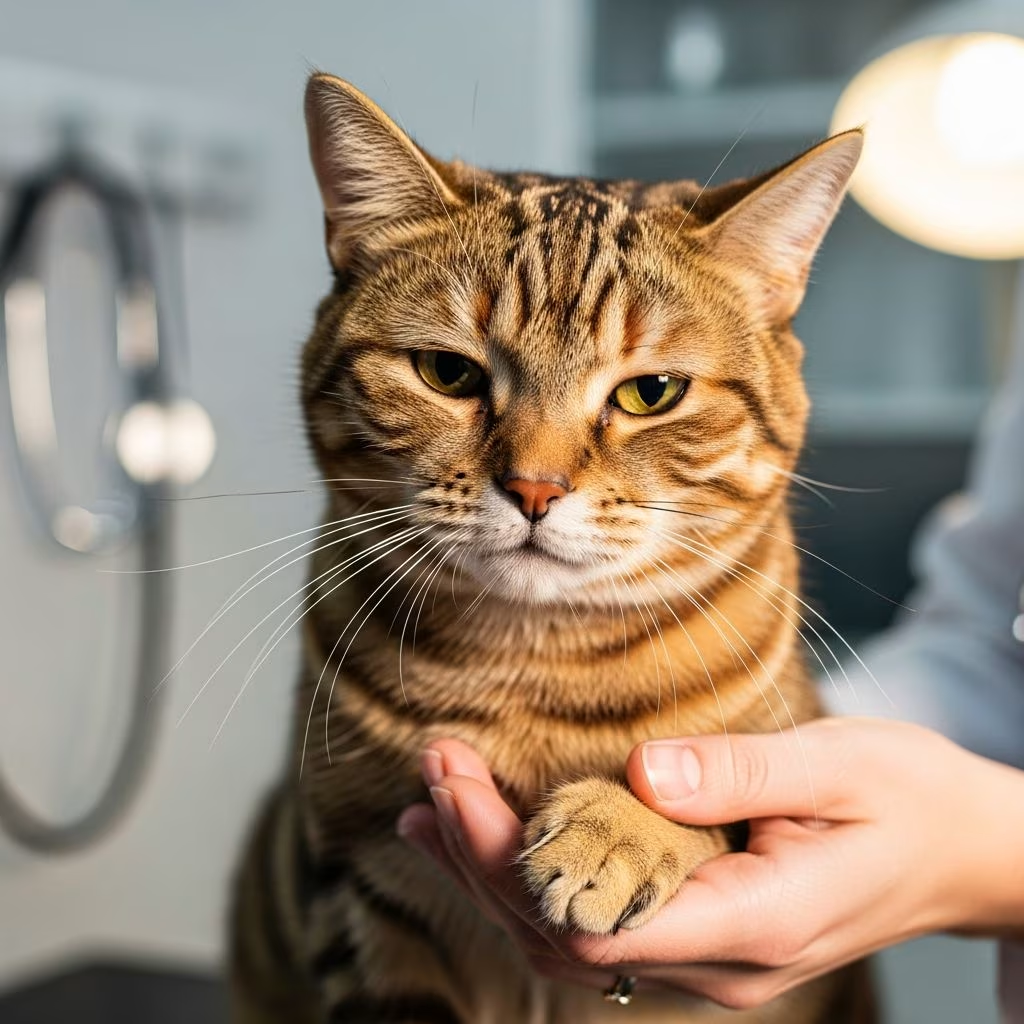
Pneumonia in cats represents a significant respiratory condition that affects the lungs and airways, leading to inflammation and reduced oxygen circulation throughout the body. This condition can develop in cats of any age but poses particular risks for young kittens, elderly cats, and those with compromised immune systems. Understanding the nature of this disease, recognizing its warning signs, and knowing when to seek veterinary care are essential skills for responsible pet ownership.
What Happens When a Cat Develops Pneumonia
When pneumonia develops in felines, the lungs become inflamed, preventing them from functioning optimally. This inflammatory response disrupts normal oxygen exchange in the bloodstream, leading to systemic effects throughout the body. The condition manifests through various physical changes that astute cat owners can detect through careful observation of their pets’ behavior and health patterns.
The underlying mechanism involves irritation of the lung tissue itself, which can stem from multiple sources. This irritation triggers an inflammatory cascade that produces fluid buildup and mucus accumulation in the respiratory passages. As a result, your cat’s ability to extract oxygen from the air becomes compromised, affecting overall energy levels and organ function.
Primary Causes Behind Feline Pneumonia Development
Pneumonia in cats arises from several distinct pathways, each requiring different diagnostic and therapeutic approaches. Understanding these mechanisms helps owners recognize risk factors specific to their cats’ lifestyles and health conditions.
Infectious Pneumonia: The Most Common Form
Infectious pneumonia represents the predominant type observed in veterinary practice, occurring when bacterial or viral pathogens invade the respiratory tract. These microscopic organisms colonize the lungs and airways, triggering an immune response that creates inflammation and fluid accumulation. The infection can progress rapidly, particularly in cats with underlying health challenges or weakened immune responses.
Various bacterial species frequently implicated in feline pneumonia include those causing upper respiratory tract infections that descend into the lungs. Chlamydia psittaci represents a specific bacterial cause that often develops alongside eye and nasal inflammation in affected cats. Viral agents can also initiate pneumonia, sometimes occurring as a secondary complication following other respiratory viral infections.
Aspiration Pneumonia: When Foreign Materials Enter the Lungs
Aspiration pneumonia occurs when cats inhale foreign substances that irritate the delicate lung tissue. This type frequently develops following improper medication administration, particularly with liquid formulations that may enter the airway instead of the esophagus. Cats experiencing nausea or gastrointestinal distress may aspirate vomit, introducing stomach contents into the respiratory system and triggering pneumonia development.
The severity of aspiration pneumonia depends on both the nature of the inhaled material and the quantity involved. Even seemingly minor substances—a small piece of plastic, a seed, or a few drops of medication—can provoke significant inflammatory responses in sensitive lung tissue.
Fungal Pneumonia and Environmental Exposures
Fungal organisms present in soil can initiate a specific pneumonia form when cats inhale fungal spores during outdoor activities. This mycotic pneumonia progresses differently than bacterial pneumonia, often developing more insidiously over time. As the fungal infection establishes itself, inflammation spreads throughout the lungs, potentially affecting other body systems including the skin, eyes, and skeletal structure.
Parasitic Involvement in Respiratory Disease
Certain parasites, including lungworms and flukes, can invade the respiratory tract and precipitate pneumonia development. These parasitic infections create inflammation in the airways and lungs, compromising respiratory function and creating conditions favorable for secondary bacterial infections.
Recognizing Warning Signs in Your Cat
Early detection of pneumonia significantly improves treatment outcomes and reduces the risk of serious complications. Cat owners should remain vigilant for subtle changes in breathing patterns, activity levels, and physical appearance.
Respiratory Symptoms and Breathing Changes
- Persistent coughing that may produce mucus or traces of blood
- Abnormal breathing sounds including wheezing, gurgling, or rattling noises during respiration
- Labored or shallow breathing indicating respiratory distress
- Unusually rapid breathing rate at rest or during minimal activity
- Bluish discoloration around the lips and mouth caused by oxygen deficiency
Systemic Signs of Pneumonia
- Fever reflecting the body’s immune response to infection
- Loss of appetite leading to progressive weight loss
- Lethargy and reduced activity due to oxygen deprivation
- Nasal discharge with greenish or yellowish coloration
- Elevated heart rate as the cardiovascular system compensates for reduced oxygen
- Untidy appearance reflecting diminished grooming behavior and general malaise
Symptoms Specific to Aspiration Cases
Cats with aspiration pneumonia may additionally exhibit difficulty swallowing and vomiting episodes. These supplementary signs indicate direct irritation of the esophagus or ongoing aspiration risk.
Fungal Pneumonia Manifestations
When fungal organisms cause pneumonia, systemic symptoms may extend beyond respiratory signs. Some cats develop eye problems such as excessive tearing and discharge, skin lesions on various body areas, or lameness affecting limb mobility.
Diagnostic Evaluation and Assessment
Veterinary diagnosis of feline pneumonia typically begins with physical examination and medical history review. Your veterinarian will listen carefully to lung sounds using a stethoscope, noting abnormalities in air movement and presence of fluid or inflammation. Chest radiographs (X-rays) provide visual confirmation of lung involvement and help determine pneumonia extent and severity.
For cats where initial antibiotics prove ineffective, veterinarians may perform a tracheal wash procedure to collect respiratory secretions for laboratory culture and sensitivity testing. These tests identify the specific infectious agent and reveal which antibiotics will most effectively address the infection. This targeted approach optimizes treatment success compared to broad-spectrum therapy alone.
Treatment Strategies and Recovery Support
Initial Stabilization Protocols
Upon pneumonia diagnosis, veterinarians prioritize stabilizing the cat’s condition before pursuing aggressive infection treatment. Initial interventions focus on improving oxygen delivery and maintaining hydration. Oxygen therapy supplementation becomes necessary when a cat’s blood oxygen levels drop significantly. Some cats benefit from nebulization treatments, which deliver moisturized air directly to the airways, helping loosen mucus and ease breathing discomfort.
Intravenous fluid therapy addresses dehydration common in pneumonia cases, supporting organ function and aiding the immune response. The veterinary team may recommend hospitalization for continuous monitoring, particularly in severe cases requiring intensive care.
Antimicrobial Therapy
Bacterial pneumonia treatment typically begins with broad-spectrum antibiotics initiated before culture results become available. Once laboratory testing identifies the specific bacterial agent, your veterinarian may adjust the antibiotic selection to target that organism more precisely, improving efficacy and reducing unnecessary antibiotic exposure.
For fungal pneumonia cases, antifungal medications become necessary rather than antibiotics. The duration of antifungal therapy typically extends longer than antibiotic courses, sometimes continuing for months until the infection fully resolves.
Supportive Care Measures
Beyond specific antimicrobial therapy, supportive care substantially contributes to recovery success. Bronchodilator medications may improve airway function and breathing ease. Environmental management—maintaining warm, dry surroundings—supports the cat’s comfort and immune function.
Periodic chest X-rays during the treatment course help monitor inflammation resolution and detect any potential complications. These imaging studies also track underlying disease progression if other health conditions contributed to pneumonia development.
Recovery Timeline and Prognosis
Recovery from feline pneumonia depends heavily on pneumonia type, severity at diagnosis, and the cat’s overall health status. Infectious pneumonia caught early and treated promptly often resolves within two to three weeks of appropriate antibiotic therapy. Cats with aspiration pneumonia may recover more quickly once the offending material is cleared and secondary infection prevented.
Fungal pneumonia recovery requires extended treatment periods and more guarded prognosis, particularly if systemic involvement occurs. Senior cats and those with underlying immune compromise may experience longer recovery periods.
Early intervention substantially improves outcomes. Cats receiving treatment at disease onset typically demonstrate better recovery rates than those where diagnosis occurs after pneumonia has progressed significantly.
Prevention Strategies for Concerned Cat Owners
While not all pneumonia cases are preventable, certain practices reduce pneumonia risk. Careful medication administration—ensuring liquid formulations enter the esophagus rather than the respiratory tract—prevents aspiration pneumonia. Cats exhibiting nausea or vomiting require prompt veterinary evaluation to prevent aspiration events.
Minimizing environmental exposures to respiratory pathogens through good hygiene practices reduces infection risk. For indoor cats, maintaining clean litter boxes and food/water dishes prevents bacterial buildup. For cats with outdoor access, limiting soil exposure during muddy conditions reduces fungal spore inhalation risk.
Maintaining excellent nutritional status and addressing underlying health conditions strengthens immune function, helping cats resist respiratory infections. Regular veterinary checkups allow early detection of risk factors or emerging respiratory issues before pneumonia develops.
Frequently Asked Questions
Can cats recover completely from pneumonia?
Most cats diagnosed with pneumonia and receiving prompt treatment recover fully, returning to normal activity levels and respiratory function. Recovery success depends on pneumonia type, early diagnosis, and the cat’s baseline health status. Kittens and senior cats may experience slower recovery trajectories but can achieve full resolution with appropriate care.
Is pneumonia contagious between cats?
Infectious pneumonia arising from certain bacteria or viruses may have contagious components, though direct pneumonia transmission is less common than transmission of underlying upper respiratory infections. Aspiration and fungal pneumonia are not directly contagious between cats. Maintain good hygiene practices when caring for pneumonia-affected cats in multi-cat households.
What is the typical cost of pneumonia treatment?
Pneumonia treatment costs vary based on severity, hospitalization requirements, and imaging needs. Uncomplicated cases treated on an outpatient basis may cost several hundred dollars, while hospitalized cats with intensive care requirements could require several thousand dollars for complete treatment.
How long does pneumonia treatment typically take?
Antibiotic courses for infectious pneumonia usually continue for two to three weeks, with improvement often visible within the first week of treatment. Fungal pneumonia treatment extends considerably longer, sometimes continuing for months. Your veterinarian will monitor progress and adjust treatment duration based on clinical response.
Should I keep my cat indoors during pneumonia treatment?
Yes, keeping your cat indoors during treatment prevents environmental exposure to additional pathogens and allows close monitoring of recovery progress. Indoor confinement also reduces stress and supports the healing process.
References
- Cat Pneumonia: Know the Causes, Signs, and Treatment — ASPCA Pet Insurance. 2024. https://www.aspcapetinsurance.com/resources/cat-pneumonia/
- Feline Pneumonia — Cornell Feline Health Center, Cornell University College of Veterinary Medicine. https://www.vet.cornell.edu/departments-centers-and-institutes/cornell-feline-health-center/health-information/feline-health-topics/pneumonia
- Pneumonia in Cats: Causes, Symptoms & Treatment — Bloom Plaza Animal Hospital. 2022. https://www.bloomplazaanimalhospital.com/site/blog/2022/11/15/pneumonia-in-cats
- Signs & Symptoms of Pneumonia in Cats — Carolina Veterinary Specialists. 2021. https://www.rock-hill.carolinavet.com/site/blog/2021/09/15/signs-pneumonia-in-cats
- Pneumonia in Cats – Cat Owners — Merck Veterinary Manual. https://www.merckvetmanual.com/cat-owners/lung-and-airway-disorders-of-cats/pneumonia-in-cats
- Treating Bacterial Pneumonia in Dogs and Cats — Today’s Veterinary Practice. https://todaysveterinarypractice.com/respiratory-medicine/treating-bacterial-pneumonia-in-dogs-and-cats/
- Bacterial Pneumonia in Dogs and Cats: An Update — PMC/National Center for Biotechnology Information. https://pmc.ncbi.nlm.nih.gov/articles/PMC7114575/



