

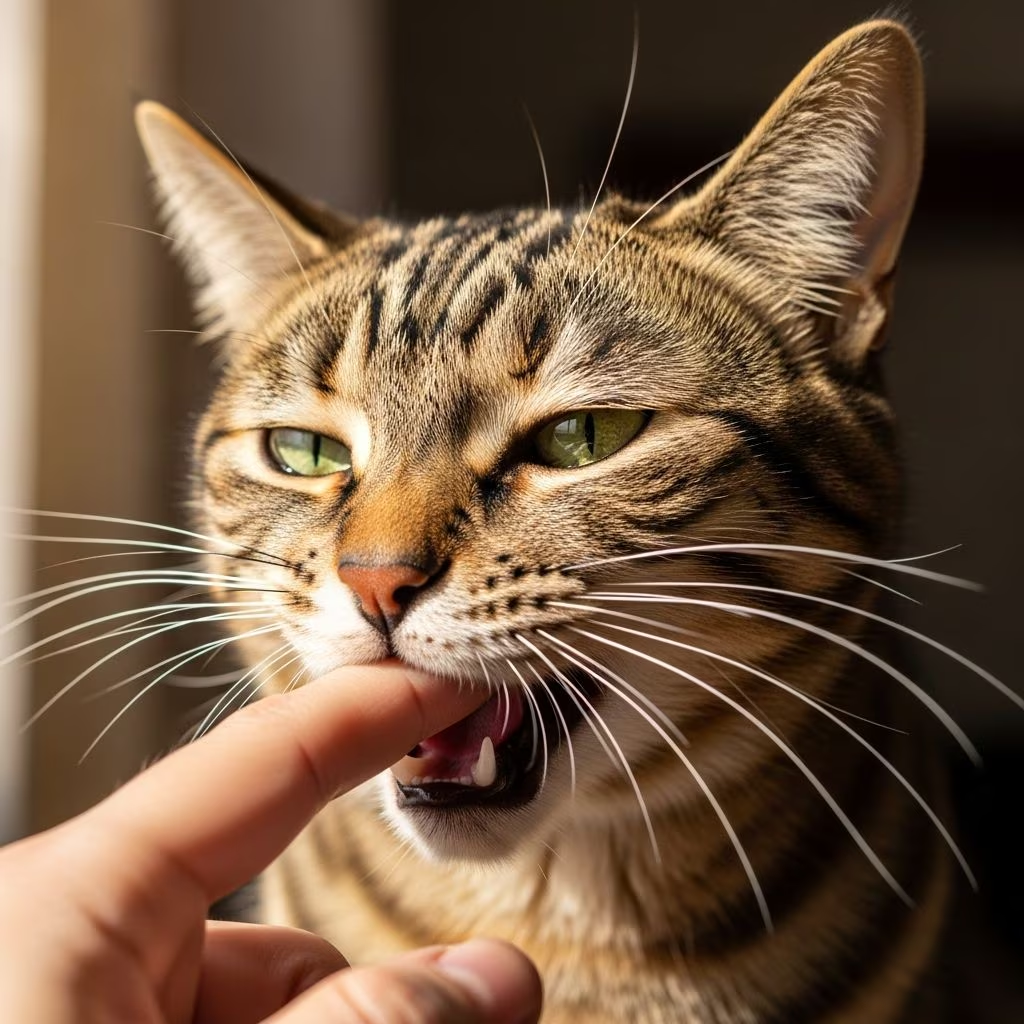
Cat owners frequently encounter a common scenario: you’re relaxing at home when your feline companion suddenly lunges and bites your hand or arm. While the initial reaction may be one of surprise or mild pain, understanding the underlying reasons for this behavior is essential for maintaining a safe and harmonious relationship with your pet. Play biting is a natural expression of your cat’s predatory instincts and hunting heritage, but when left unaddressed, it can develop into a problematic habit that creates stress for both you and your cat.
The key to managing this behavior effectively lies in recognizing that play biting is fundamentally different from aggressive biting, learning what triggers these episodes, and implementing strategic techniques to channel your cat’s energy toward appropriate outlets. By developing this understanding, you can transform playtime into a safe, enjoyable bonding experience rather than a source of frustration and minor injuries.
The Hunting Roots of Feline Play Behavior
At their core, cats are predatory animals with millions of years of evolutionary history driving their instincts to hunt, stalk, and capture prey. When your cat engages in play biting, they are essentially practicing the complex behavioral sequence required for successful hunting: approaching a target, stalking movement, pouncing with precision, and delivering a bite. This behavior is completely natural and instinctive; it is not a sign of aggression or malice toward their human companions.
Kittens typically learn the appropriate boundaries of play behavior through interaction with their littermates. During these formative wrestling matches and play sessions, young cats discover how hard they can bite before their siblings retaliate or stop playing altogether. This process, known as learning bite inhibition, teaches kittens to modulate the force of their bites. When a kitten bites a sibling too forcefully, the affected kitten squeals, hisses, or withdraws from play, providing immediate feedback about crossed boundaries. Through repeated interactions, kittens internalize these limits and develop appropriate play behavior.
However, kittens raised in isolation without littermates, or those whose human caregivers actively encourage rough play with hands and feet, often miss out on this critical learning period. These cats may carry aggressive or overly intense play behaviors into adulthood, continuing to bite with force that may harm their human family members.
Distinguishing Play Biting From Genuine Aggression
One of the most important skills cat owners can develop is the ability to differentiate between playful nipping and true aggressive biting. These two behaviors have distinctly different characteristics, both in physical presentation and context, and recognizing the difference allows you to respond appropriately.
Indicators of playful biting include:
- A relaxed body posture with loose, fluid movements
- Forward-facing ears in a natural or curious position
- Claws that remain sheathed or minimally extended
- A pattern of alternating between chase, grab, and release
- Quick recovery after the interaction ends
- Engagement that occurs in a social, interactive context
Signs of genuine aggression include:
- Flattened ears pressed backward against the head
- Dilated pupils indicating heightened arousal
- Vocalizations such as growling, hissing, or yowling
- Hard, sustained bites rather than quick nips
- Accompanying swatting or clawing movements
- Lack of the release-and-retreat pattern seen in play
- Behavior triggered by fear, pain, or territorial concerns
Understanding these distinctions helps you respond with appropriate strategies. Play biting typically responds well to redirection and environmental management, while genuine aggression may indicate underlying medical issues, fear responses, or deeper behavioral concerns requiring professional intervention.
Contributing Factors to Increased Biting Behavior
While play biting is a natural behavior, certain circumstances and environmental factors can amplify its frequency and intensity. Recognizing these contributors allows you to address the root causes rather than simply managing symptoms.
Inadequate Enrichment and Boredom: Cats with insufficient mental and physical stimulation often redirect their unused energy toward their human companions. Indoor cats, in particular, lack natural outlets for their predatory behaviors and may use their family members as substitute prey animals. When cats spend long periods without engaging play opportunities or environmental complexity, biting behaviors often increase as a form of self-entertainment and frustration release.
Overstimulation During Petting: Many cats have a limited tolerance for physical handling and sensory input. What begins as a pleasant petting session can quickly become overwhelming, causing your cat to communicate their discomfort through biting. Some cats reach their threshold after just a few minutes of petting, while others may tolerate longer sessions. The location of petting also matters significantly; most cats enjoy contact on their head and cheeks but react negatively to touching on their belly, tail base, or rear legs.
Lack of Socialization and Littermate Interaction: Cats raised without siblings or adequate early social interaction with peers often fail to develop appropriate bite inhibition. These cats may continue to play with the intensity of young kittens well into adulthood, unaware that their bites cause discomfort to their human caregivers.
Human-Encouraged Rough Play: Caregivers who engage in “rough and tumble” play with young cats using their hands and feet inadvertently reinforce intense, aggressive play behaviors. Young cats learn that human hands and feet are appropriate targets for biting and scratching, and this lesson becomes increasingly difficult to reverse as they mature.
Managing Overstimulation and Petting-Related Biting
Petting-induced biting represents a specific challenge because it occurs during what should be a pleasant bonding activity. The key to preventing these episodes lies in learning to recognize your individual cat’s warning signs before they escalate to biting.
Before a cat reaches their tolerance threshold, they typically display several warning behaviors that provide an opportunity to pause or end the interaction:
- Tail flicking or swishing movements that become increasingly rapid
- Skin rippling or twitching along the back or flanks
- Ears rotating sideways or backward from their normal position
- Restlessness or attempts to move away from your hand
- Sudden pupil dilation or changes in eye expression
- Increased body tension or stiffening of posture
Once you recognize these warning signs in your specific cat, you can preemptively end petting sessions before they bite. Keep initial petting sessions brief, focusing on areas most cats enjoy such as the head, cheeks, and chin. Avoid prolonged contact with sensitive areas like the belly and tail base. Over time, you’ll develop an intuitive sense of your cat’s individual tolerance level and can adjust your interactions accordingly.
Strategic Approaches to Redirect Biting Behavior
Rather than attempting to eliminate play biting entirely—which would suppress a natural behavior—the more effective approach is channeling your cat’s biting instinct toward appropriate targets and play scenarios.
Selecting Appropriate Play Tools: Interactive toys that mimic prey animals are essential for redirecting biting behavior. Wand toys with feathers, ribbon, or other moving attachments trigger a cat’s predatory responses and provide safe targets for biting and pouncing. Feather teasers, string toys (under supervision), and laser pointers all serve to engage your cat’s hunting instincts without involving your skin. Stuffed toys designed for wrestling, which cats can grab with their front paws and bite with their back legs, provide an additional outlet for intense play behaviors.
Rotating toys regularly prevents boredom and maintains their appeal. When the same toy has been available for weeks, cats lose interest; introducing variety keeps playtime engaging and reduces the likelihood that your cat will seek entertainment through biting their human companions.
Structured Play Sessions Mimicking the Hunt: Cats are more satisfied by play that follows the natural hunting sequence rather than random play. A complete hunt cycle includes stalking, pursuing, pouncing, catching, and consuming prey. Interactive play sessions that incorporate all these elements—such as moving a wand toy slowly to allow stalking, then speeding it up for the chase phase, then allowing your cat to “capture” it—provide more complete satisfaction than simple batting at toys.
Scheduling two to three focused interactive play sessions daily helps prevent boredom-related biting behaviors and also provides beneficial exercise that promotes overall health and weight management.
Positive Reinforcement of Gentle Interaction: Reward calm play and gentle interactions with high-value rewards such as treats or additional petting. Teach a specific cue word like “gentle” and consistently reward your cat when they engage in soft, non-biting play. When your cat bites too hard, immediately withdraw attention and access to play; this teaches that biting ends the fun interaction, while gentle play continues it.
Environmental Enrichment Strategies
Creating a stimulating environment reduces boredom-related biting by providing outlets for natural feline behaviors. This approach addresses the root cause of some biting issues rather than merely managing the symptom.
Vertical climbing structures such as cat trees, wall-mounted shelves, and climbing walls provide exercise opportunities and mental engagement. Puzzle feeders and food-dispensing toys transform mealtimes into problem-solving activities that engage your cat’s brain. Window perches allow indoor cats to observe outdoor activity safely. Some cats benefit from supervised outdoor time in secure “catios” (enclosed outdoor spaces) or from harness and leash training, which expands their exploration opportunities within safe boundaries.
For multi-cat households, providing multiple toys, climbing spaces, and scratching posts reduces resource competition and the frustration-based redirected aggression that can lead to increased biting.
Training Techniques for Developing Bite Control
Structured training approaches can help reshape your cat’s play behavior over time. Clicker training, in particular, works well with cats and can reinforce appropriate play interactions.
Begin by marking and rewarding gentle paw taps, calm play approaches, and non-biting interactions with a clicker sound followed immediately by a high-value reward. This creates a positive association with gentle behavior. Conversely, when your cat bites during play, cease all interaction and withdraw your attention. Cats quickly learn that gentle play earns rewards while biting results in the end of fun activities.
Food puzzles and training games serve dual purposes: they provide enrichment that reduces boredom-related biting and create opportunities to reinforce desired behaviors. Each successful interaction with a puzzle feeder or training game represents an instance of problem-solving rather than predatory behavior directed at human companions.
Handling Play Biting in Multi-Cat Environments
In households with multiple cats, play biting between feline companions often appears more intense than play between cats and humans, but this doesn’t necessarily indicate a problem. Cats engage differently with their own species than with human family members, and rough play between cats can be entirely healthy.
Signs of normal, healthy play between cats include taking turns chasing each other, maintaining forward ears, quick recovery after interactions, and absence of hiding or avoidance behaviors. If one cat appears distressed—showing flattened ears, hiding, or growling—intervene by redirecting with toys or temporarily separating the cats.
Frequently Asked Questions About Cat Play Biting
- At what age do kittens typically bite during play?
- Play biting is most common in kittens and young cats under one year of age, though adult cats may continue this behavior, particularly if they lack sufficient play outlets or were inadequately socialized with littermates.
- Should I ever use my hands or feet as play targets?
- No. Using human hands and feet as play toys teaches cats that these body parts are legitimate targets for biting, reinforcing the very behavior you want to reduce. Always redirect to appropriate toy targets.
- How long does it typically take to reduce play biting through training?
- Behavioral change typically develops gradually over weeks to months with consistent redirection, environmental management, and positive reinforcement. Patience and consistency are essential.
- Is play biting a sign my cat is aggressive?
- Play biting is not inherently aggressive; it’s a natural expression of hunting behavior. However, if biting is accompanied by growling, hissing, flattened ears, or sustained hard bites, it may indicate genuine aggression requiring professional evaluation.
- When should I consult a veterinarian or behaviorist?
- Consult a professional if play biting is accompanied by other concerning behaviors, if your cat displays signs of genuine aggression, if biting seems sudden or out of character (which may indicate pain or medical issues), or if self-directed management strategies haven’t produced improvement after several months.
Moving Forward With Confidence
Play biting is a normal feline behavior rooted in cats’ predatory heritage and hunting instincts. Rather than viewing it as misbehavior to be punished, reframe it as an opportunity to deepen your understanding of your cat’s nature and to create enriching interactions that satisfy their intrinsic needs. Through consistent redirection toward appropriate toys, awareness of warning signs, strategic environmental enrichment, and positive reinforcement of gentle interactions, you can transform play biting from a source of frustration into a manageable aspect of cat ownership.
Your cat isn’t biting out of malice or aggression—they’re expressing joy, engagement, and their natural drive to hunt. By channeling these drives appropriately, you’ll enjoy safer, more satisfying playtime with your feline companion while reinforcing the bond between you.
References
- Cat Play Biting Tips — Mountain Aire Veterinary Hospital. 2025-09-18. https://mountainairevet.com/2025/09/18/cat-play-biting/
- Why Do Cats Bite While Playing? — Hill’s Pet Nutrition. https://www.hillspet.com/cat-care/behavior-appearance/cat-play-biting
- Why do cats bite and how can it be prevented? — The Cat Behavior Clinic. https://www.thecatbehaviorclinic.com/why-do-cats-bite-and-how-can-it-be-prevented/
- Why Does My Cat Bite Me? — Litter-Robot. https://www.litter-robot.com/blog/why-does-my-cat-bite-me/
- Feline Behavior Problems: Aggression — Cornell University College of Veterinary Medicine, Feline Health Center. https://www.vet.cornell.edu/departments-centers-and-institutes/cornell-feline-health-center/health-information/feline-health-topics/feline-behavior-problems-aggression
- Play Aggression — San Francisco SPCA. https://www.sfspca.org/resource/play-aggression/



