

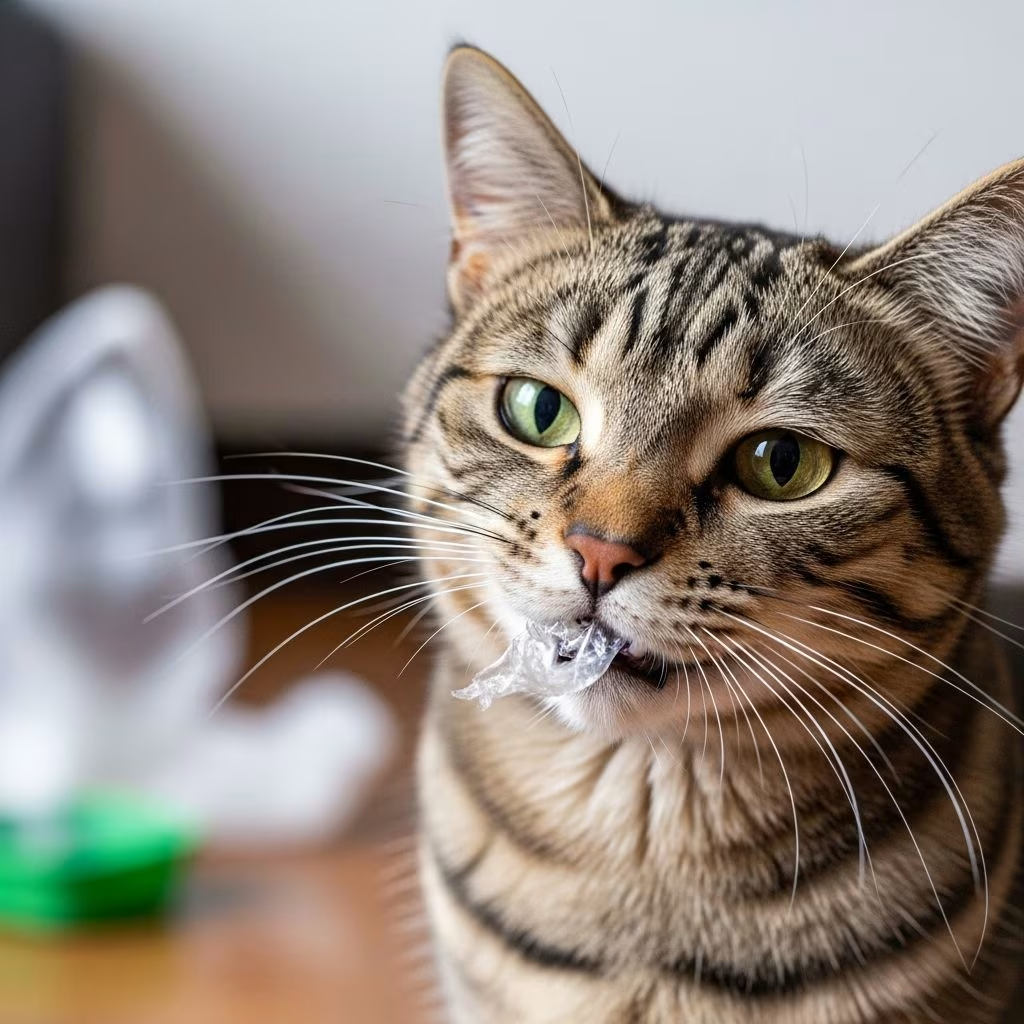
Many cat owners encounter a puzzling and concerning behavior: their feline companion displaying an inexplicable attraction to plastic items. From shopping bags to food packaging, plastic seems to hold an irresistible appeal for some cats. While this might initially seem like harmless curiosity, plastic consumption in cats can pose serious health risks and may indicate underlying behavioral or medical issues. Understanding the motivations behind this behavior is the first step toward keeping your pet safe.
The Multisensory Appeal of Plastic Materials
Cats experience the world through their senses in ways that differ significantly from humans. Plastic items engage multiple sensory pathways simultaneously, making them uniquely attractive to feline companions. The auditory component of plastic cannot be overlooked—the distinctive crinkling sound produced when plastic crinkles or shifts captures a cat’s attention in much the same way that rustling prey might alert them in a natural hunting scenario. This acoustic stimulation triggers predatory instincts that have been refined through thousands of years of evolution.
Beyond sound, the tactile experience of plastic offers distinct satisfaction. The smooth yet slightly flexible surface provides textural feedback that differs from the familiar feel of fur, fabric, or standard cat toys. This variation in sensation can be particularly stimulating for cats seeking novel forms of environmental engagement. The combination of sound and texture essentially creates a sensory experience that mimics elements of natural prey movement through undergrowth, making plastic an almost irresistible target for investigative behavior.
The olfactory component completes this sensory trifecta. Plastic items, particularly bags and food containers, retain food odors long after the original contents have been removed. Cats possess an olfactory system far more sophisticated than that of humans, capable of detecting minute traces of scent that have long since become imperceptible to human noses. Residual food fragrances on plastic materials create a compelling attractant that suggests the presence of edible matter. Certain plastic compositions may even contain animal-derived substances or chemical compounds that mimic pheromones, further enhancing their appeal.
Nutritional Insufficiency and the Pica Connection
One of the more medically significant reasons cats consume plastic relates to a condition known as pica—a compulsive urge to consume non-nutritive substances. While pica manifests in various ways across different animals, in cats it frequently centers on plastic, fabric, paper, or similar materials. The connection between nutritional deficiencies and pica behavior has been documented across multiple studies in feline medicine.
When a cat’s diet lacks essential vitamins, minerals, or fiber, the animal’s body may interpret these nutritional gaps as signals to seek alternative sources of missing compounds. Even though plastic obviously cannot provide nutritional value, the cat’s instinctive drive to locate and consume these perceived necessities can override logical barriers. Deficiencies in specific nutrients can intensify this behavior, creating a cycle where the cat becomes increasingly focused on plastic consumption.
Beyond simple nutritional gaps, pica can signal more serious underlying health conditions. Feline leukemia, diabetes, and thyroid dysfunction all manifest through altered eating behaviors, sometimes including attraction to non-food items. This makes any persistent plastic-chewing behavior warrant professional veterinary evaluation. A veterinarian can assess whether nutritional imbalances, metabolic disorders, or other health conditions are driving the behavior and recommend appropriate dietary adjustments or medical interventions.
Psychological Factors: Stress, Anxiety, and Environmental Enrichment
Cats, despite their reputation for independence, experience stress and anxiety similarly to other animals. Environmental changes—introduction of new pets or family members, relocation to a new residence, alterations to familiar routines—can trigger anxiety responses. Some cats channel anxious energy into repetitive behaviors, with plastic chewing becoming a self-soothing mechanism. The rhythmic action of chewing provides a form of behavioral regulation that temporarily alleviates emotional distress.
Boredom represents another significant psychological driver. Indoor cats in particular may lack sufficient environmental stimulation to engage their natural hunting and exploration instincts. Without adequate outlets for these instincts, plastic items become improvised entertainment. The interactive nature of chewing, combined with the sensory feedback plastic provides, offers the cognitive engagement these cats require. Providing environmental enrichment—through interactive toys, climbing structures, puzzle feeders, and regular interactive play sessions—can substantially reduce plastic-directed behavior by redirecting attention toward appropriate outlets.
Some cats develop obsessive-compulsive tendencies that manifest as compulsive plastic chewing. This behavior pattern, distinct from casual exploration, represents a pathological fixation where the cat repeatedly engages in plastic consumption despite environmental management efforts. These cases often require behavioral intervention in addition to environmental modification.
Genetic Predisposition and Breed-Specific Vulnerability
Certain cat breeds demonstrate heightened susceptibility to pica and plastic consumption behaviors. Siamese and Burmese cats, in particular, show statistical overrepresentation in cases of non-food item consumption. These breeds’ naturally inquisitive temperaments, combined with their high intelligence, may predispose them toward investigating unusual materials. The tendency may be partially genetic, encoded within breed-specific behavioral traits developed through selective breeding over generations.
Early developmental experiences also influence plastic-related behavior. Kittens separated prematurely from their mothers or those lacking adequate socialization during critical developmental windows sometimes resort to plastic chewing as a comfort-seeking behavior, reminiscent of nursing. These cats may have missed developmental milestones that normally help establish boundaries between appropriate and inappropriate food sources.
Health Consequences of Plastic Consumption
While understanding the motivations behind plastic consumption is valuable, recognizing the genuine health risks is equally critical. Plastic is indigestible; the feline digestive system cannot break down this material. When plastic enters the gastrointestinal tract, several complications may develop.
Acute Complications
- Gastrointestinal irritation: Plastic fragments can irritate the stomach and intestinal lining, triggering vomiting, nausea, and gastrointestinal upset
- Intestinal obstruction: Accumulated plastic can create mechanical blockages anywhere along the digestive tract, from esophagus to colon. Severe blockages may require emergency surgical intervention
- Tissue damage: Sharp plastic edges or accumulated material can lacerate or perforate intestinal walls, potentially leading to peritonitis and life-threatening infection
Chemical Toxicity Concerns
Beyond physical obstruction, plastics themselves contain potentially harmful compounds. Many plastic products incorporate additives like phthalates and bisphenol A (BPA), recognized as endocrine-disrupting chemicals. These substances can interfere with hormonal regulation in cats, potentially affecting reproduction, metabolism, and immune function. Plastics that have contacted cleaning products, pesticides, or other household chemicals introduce additional toxic exposures. Chronic, low-level chemical exposure from repeated plastic consumption can accumulate over time, causing progressive liver and kidney damage.
Recognizing Symptoms of Plastic-Related Problems
Vigilant observation of your cat’s behavior and physical condition enables early detection of plastic-consumption complications. Several warning signs warrant immediate attention:
- Vomiting or regurgitation, particularly if recurring or accompanied by visible plastic fragments
- Decreased appetite or refusal to eat normally
- Lethargy, reduced activity level, or apparent discomfort
- Abdominal tenderness or guarding behavior (resistance to being touched on the belly)
- Changes in litter box habits—constipation, diarrhea, or straining
- Behavioral changes such as hiding, excessive vocalization, or uncharacteristic irritability
- Weight loss despite continued feeding
Any combination of these symptoms in a cat known to consume plastic warrants veterinary evaluation. Delay in seeking medical attention for suspected intestinal blockages can result in catastrophic complications requiring emergency intervention.
Comprehensive Prevention and Management Strategies
Environmental Management
The most effective initial intervention involves removing temptation by minimizing plastic exposure. Store plastic bags, food packaging, and other plastic items in closed cabinets inaccessible to your cat. Consider using alternatives to plastic storage when feasible—glass containers, metal tins, and cardboard boxes eliminate plastic-related temptations. Dispose of plastic items promptly and securely to prevent retrieval from trash receptacles.
Nutritional Optimization
Consulting with your veterinarian to ensure your cat receives complete, balanced nutrition appropriate to their age, health status, and activity level represents an essential preventive measure. High-quality commercial diets formulated by veterinary nutritionists typically contain appropriate levels of essential nutrients. If nutritional deficiencies are suspected, your veterinarian may recommend specific dietary adjustments or supplementation. Premium foods with higher bioavailability often outperform budget options in preventing nutritional-deficit-related behaviors.
Environmental Enrichment and Behavioral Outlets
Providing diverse, engaging activities redirects predatory and investigative instincts toward appropriate outlets. Interactive play sessions using wand toys or laser pointers, puzzle feeders requiring problem-solving, climbing trees, window perches, and scratching posts all contribute to mental stimulation. Rotating toys periodically maintains novelty and sustained interest. These enrichment activities address boredom-related plastic chewing by satisfying the same sensory and cognitive needs plastic provides.
Stress Reduction Interventions
For anxiety-driven plastic consumption, environmental modifications can help. Vertical spaces provide secure retreat areas where cats feel protected. Pheromone diffusers releasing synthetic calming compounds help reduce anxiety. Maintaining consistent routines and predictable environments reduces stress triggers. In some cases, veterinary consultation regarding anxiety-reducing medications may be appropriate.
Medical Evaluation
Regular veterinary check-ups enable early identification of underlying conditions contributing to plastic consumption. Blood work can detect thyroid dysfunction, diabetes, and other metabolic disorders. Physical examination assesses overall health status and may reveal early signs of gastrointestinal complications from plastic consumption.
When to Seek Immediate Veterinary Care
Certain situations constitute veterinary emergencies requiring immediate attention. Persistent vomiting, complete loss of appetite lasting more than 24 hours, visible signs of abdominal pain, or inability to defecate all warrant emergency evaluation. If you observe your cat actively consuming plastic, contact your veterinarian for guidance on whether monitoring at home or immediate evaluation is appropriate.
Frequently Asked Questions
Q: Is occasional plastic chewing dangerous, or only chronic consumption?
A: Even single episodes of plastic consumption carry risk potential. Depending on the amount and size of plastic ingested, serious complications can develop from minimal exposure. This is why prevention through elimination of access remains the safest approach.
Q: Can I train my cat to stop eating plastic?
A: While behavioral training can help reduce the appeal of plastic by redirecting attention, it cannot completely control instinctive drives. Environmental management—removing plastic access—proves more reliable than training alone.
Q: What should I do if I suspect my cat swallowed plastic?
A: Contact your veterinarian immediately. They can perform appropriate imaging studies and monitoring to determine whether intervention is necessary. Do not induce vomiting without veterinary guidance, as this can cause additional complications.
Q: Do all cats that eat plastic have pica?
A: No. While some plastic consumption reflects pica disorder, other cases result from curiosity, sensory stimulation-seeking, or simple environmental factors. Professional evaluation helps distinguish between these possibilities.
Conclusion: Taking Action to Protect Your Cat
Plastic consumption in cats represents a behavioral quirk that demands serious attention due to significant health implications. By understanding the sensory, nutritional, and psychological motivations driving this behavior, cat owners can implement targeted prevention strategies. Combining environmental management, proper nutrition, behavioral enrichment, and regular veterinary care creates a comprehensive approach to protecting your feline companion from plastic-related harm. While this behavior can seem innocuous, proactive intervention prevents potentially life-threatening complications and ensures your cat’s long-term health and wellbeing.
References
- Why Do Cats Try to Eat Plastic? — Hill’s Pet Nutrition. Accessed January 2026. https://www.hillspet.com/cat-care/behavior-appearance/why-do-cats-eat-plastic
- Pica in Cats: What It Is, Symptoms, and Treatment — PetMD. https://www.petmd.com/cat/conditions/behavioral/pica-cats
- Is Your Cat Eating Plastic? Here’s Why — Petcube. https://petcube.com/blog/why-do-cats-eat-plastic/
- Pica in Cats: When Is It a Veterinary Emergency? — Golden State Veterinary Services. https://gsvs.org/blog/pica-in-cats-urgent-care/
- Why Does My Cat Eat Plastic & Throw Up? Causes & Solutions — Bailey’s CBD. https://baileyscbd.com/blogs/cat-health/why-does-my-cat-eat-plastic-throw-up-causes-solutions



