

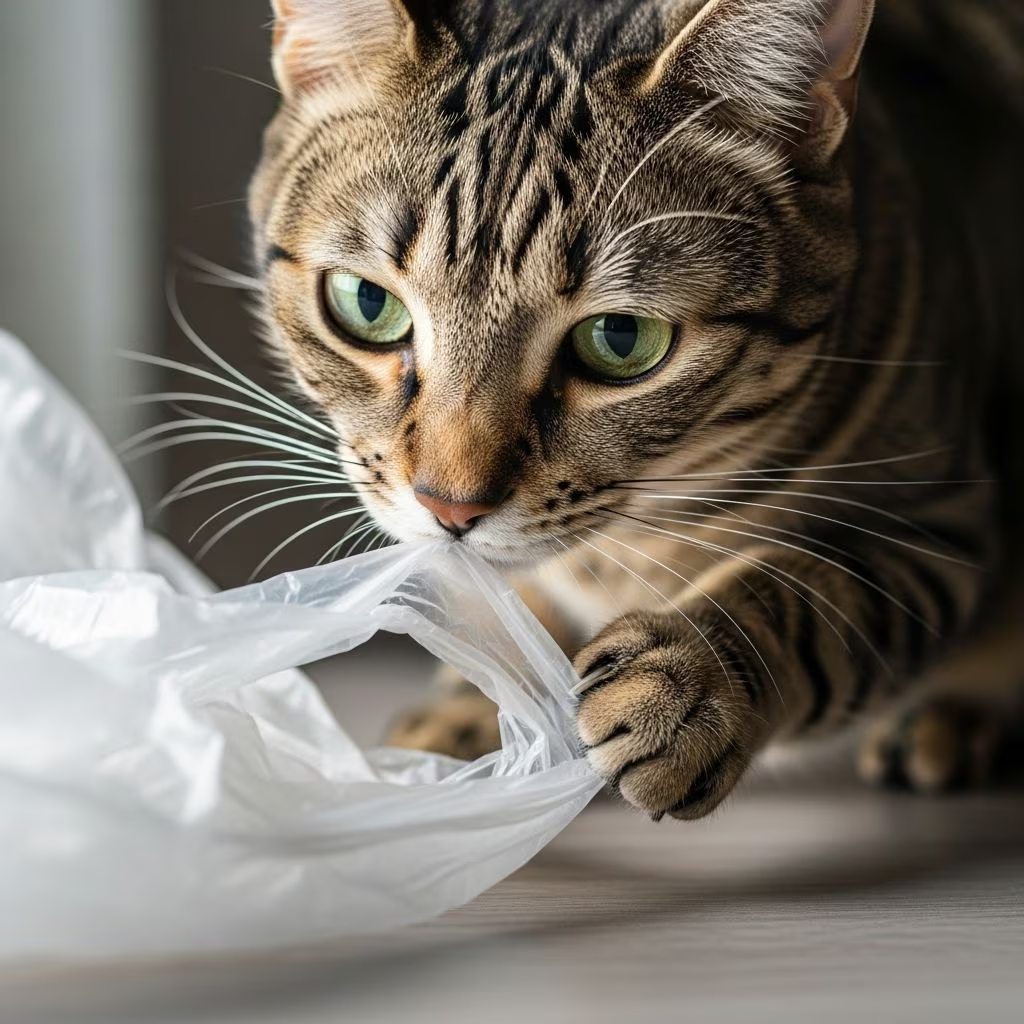
Returning home from grocery shopping, many cat owners encounter a peculiar sight: their feline companion enthusiastically attacking plastic bags with vigor and curiosity. This behavior, while sometimes amusing, raises important questions about cat health and safety. Understanding why cats consume plastic requires examining both the sensory appeal of these materials and the underlying medical or behavioral factors that drive this seemingly unusual habit.
The Multisensory Appeal of Plastic to Cats
Cats experience the world through their senses in ways distinctly different from humans, and plastic materials engage multiple sensory pathways that prove irresistible to many felines. The attraction to plastic is not random; rather, it stems from specific characteristics that align with a cat’s natural instincts and sensory preferences.
Sound and Hunting Instincts
The distinctive crackling sound produced when plastic crinkles bears a striking resemblance to the rustling noises made by small prey animals moving through grass and vegetation. This auditory similarity triggers predatory responses in cats, activating their natural hunting instincts. What may seem like innocent playfulness to a human observer is actually a manifestation of deeply ingrained behavioral patterns that evolved over thousands of years of feline evolution.
Olfactory Stimulation
A cat’s sense of smell operates at a level of sophistication that humans can barely comprehend, ranging from 14 to 40 times more powerful than human olfaction. Plastic bags, particularly those used for food storage and transport, carry residual scents from their contents—whether that is fresh meat, fish, poultry, or other aromatic foods. These lingering food odors create a compelling sensory experience for cats, making plastic bags smell like potential meals or treats worth investigating.
Additionally, manufacturers sometimes treat plastic bags with specific coatings and additives designed to enhance their functionality. These substances include cornstarch and stearates (salts of stearic acid), which can be derived from animal by-products such as gelatin. To a cat’s sophisticated nose, these additives carry unmistakably appetizing signals, further explaining why a simple plastic bag becomes an object of intense interest.
Tactile and Temperature Sensations
Beyond smell and sound, the physical texture of plastic offers unique tactile satisfaction. The smooth surface of plastic bags provides a cool sensation that feels pleasant against a cat’s sensitive tongue and paws. This combination of smoothness and temperature creates a novel sensory experience that cats find inherently rewarding, particularly if they lack other appropriate enrichment options in their environment.
Behavioral and Psychological Factors
While sensory appeal explains much of plastic attraction in cats, behavioral and psychological dimensions also play significant roles in driving consumption behavior.
Environmental Stress and Anxiety
Changes in a cat’s living environment frequently trigger behavioral modifications, including increased interest in plastic consumption. Stressors that commonly affect cats include relocation to new homes, introduction of new family members (human or animal), renovation activities, alterations to owner work schedules, and unexpected noise or disruption. When cats experience anxiety or stress, they may turn to destructive or unusual behaviors as a coping mechanism. Chewing and consuming plastic can serve as a self-soothing activity that provides temporary relief from psychological distress.
Boredom and Lack of Enrichment
Indoor cats require adequate mental stimulation and appropriate outlets for natural behaviors. When environments lack sufficient enrichment—such as climbing structures, interactive toys, or opportunities to engage in natural foraging behaviors—cats may seek novel activities and textures to explore. Plastic consumption can become an outlet for boredom, particularly if cats haven’t been provided with safer alternatives for gnawing and chewing.
Curiosity and Exploratory Behavior
Cats are inherently curious creatures who investigate novel objects in their environment. A new plastic bag represents an unexplored item worthy of investigation, and for cats, touching, licking, and chewing are primary methods of understanding their world. This exploratory impulse is perfectly natural and typically harmless unless it progresses to actual consumption of plastic material.
Medical and Health-Related Causes
In some cases, plastic consumption reflects underlying health conditions that require veterinary attention and management.
Pica: The Compulsive Eating Disorder
Pica is a medical condition characterized by an irresistible urge to consume non-food items. When cats develop pica, they may persistently target plastic, rubber, fabric, or other inappropriate materials. This condition can stem from nutritional deficiencies, where the body signals a need for specific minerals or nutrients by driving consumption of non-food items. Additionally, pica can indicate more serious underlying health conditions, including feline leukemia.
Nutritional Deficiencies
Inadequate nutrition or imbalanced diets can trigger abnormal eating behaviors in cats. When cats lack essential nutrients, they may instinctively attempt to supplement their diet by consuming unusual items. A veterinary evaluation of a cat’s diet, combined with recommendations for higher-quality nutrition, can often address this underlying cause.
Systemic Health Conditions
Several medical conditions are associated with increased plastic consumption in cats. These include:
- Hyperthyroidism: An overactive thyroid gland can alter a cat’s metabolism and behavior, sometimes leading to increased appetite and interest in unusual items
- Diabetes: Changes in glucose metabolism and appetite regulation may drive cats toward non-standard food sources
- Anemia: A deficiency in red blood cells and oxygen-carrying capacity can manifest as unusual eating behaviors
- Dental Disease: Pain or discomfort in the mouth may cause cats to seek different textures to chew, including plastic
- Chronic Pain: Many unusual behaviors, including chewing and consumption of inappropriate items, can be driven by pain from various sources. Cats are notably skilled at concealing pain symptoms, making this cause easy to overlook
Obsessive-Compulsive Behaviors
Cats can develop compulsive behavior patterns analogous to obsessive-compulsive disorder in humans. When this occurs, plastic chewing and consumption may become ritualistic, persistent behaviors that are difficult to interrupt without professional intervention.
Breed Predisposition
Certain cat breeds demonstrate higher propensities for developing plastic consumption behaviors. Siamese and Burmese cats, whether purebred or crossbred, show increased susceptibility to pica and plastic-related behaviors. This heightened tendency is partially attributable to these breeds’ naturally curious and investigative personalities—they are inherently nosy cats with strong drives to supervise household activities and explore their surroundings thoroughly.
Potential Hazards and Health Risks
Although plastic consumption may sometimes appear benign, it poses several serious health threats to cats:
| Risk Type | Description | Severity |
|---|---|---|
| Intestinal Blockage | Ingested plastic can lodge in the digestive tract, obstructing normal food passage and requiring surgical intervention | Critical |
| Airway Obstruction | Plastic can become lodged in the throat or airway, potentially preventing breathing | Critical |
| Chemical Ingestion | Some plastics contain toxic chemical treatments that can poison cats when ingested | High |
| Gastrointestinal Injury | Sharp plastic edges can puncture or lacerate the stomach, intestines, or throat | High |
| Bacterial Contamination | Used plastic bags may harbor pathogenic bacteria that cause infections or gastrointestinal upset | Moderate |
| Choking Hazard | Small plastic fragments can lodge in the throat, creating immediate danger | Critical |
| Entanglement | Plastic bag handles can wrap around the neck, cutting off circulation and breathing | Critical |
Practical Prevention and Management Strategies
Environmental Modification
The most effective prevention approach involves removing temptation by securely storing all plastic bags and plastic products in closed cabinets or containers where cats cannot access them. Keep shopping bags in designated storage areas immediately after grocery trips, and be mindful of plastic items left on counters, tables, or other accessible surfaces.
Enrichment and Alternative Activities
Providing cats with appropriate outlets for their natural chewing and gnawing instincts significantly reduces plastic attraction. High-quality cat toys, scratching posts, climbing structures, and interactive enrichment activities should be integrated throughout the home. Offering varied textures and materials—such as sisal rope, cardboard, and rubber toys specifically designed for chewing—allows cats to satisfy their sensory needs safely.
Dietary Optimization
Consulting with a veterinarian to ensure cats receive nutritionally complete, high-quality diets addresses potential nutritional deficiency causes. Premium cat foods formulated to meet all nutritional requirements can eliminate the physiological drives that trigger plastic consumption.
Stress Reduction Techniques
For cats displaying plastic consumption as a stress response, implementing calming strategies becomes essential. These include providing safe spaces for retreat, maintaining consistent routines, using calming pheromone diffusers, and ensuring adequate vertical space for escape and observation. An accredited cat behavior specialist can provide personalized recommendations for addressing environmental stressors.
When to Seek Veterinary Care
Pet owners should schedule a veterinary appointment if they observe persistent or increasing plastic consumption behaviors in their cats. Red flags indicating urgent professional evaluation include vomiting, lethargy, loss of appetite, constipation, abdominal pain, or any signs suggesting the cat has ingested plastic material.
Veterinarians can rule out underlying medical conditions, screen for pica and other disorders, assess nutritional status, and provide targeted treatment recommendations. Early intervention often prevents complications and may reveal treatable health conditions.
Frequently Asked Questions
Is plastic consumption in cats always dangerous?
While occasional licking or investigation of plastic is typically harmless, consistent consumption poses significant health risks including intestinal blockage, which may require emergency veterinary surgery. Any regular pattern of plastic eating warrants veterinary evaluation.
Why do cats prefer plastic bags over other plastic items?
Plastic bags combine multiple sensory attractions: food residue smells, pleasant textures, appealing additives, and the crinkly sounds they produce. These elements make bags particularly enticing compared to other plastic objects.
Can nutritional supplements prevent plastic eating behavior?
If plastic consumption stems from nutritional deficiency, supplementing a cat’s diet with complete, balanced nutrition may help. However, supplementation should only occur under veterinary guidance, as inappropriate supplements can create other health problems.
Are certain environments more likely to trigger plastic eating?
Stressful environments characterized by change, noise, or instability can increase plastic consumption in stress-sensitive cats. Creating calm, predictable environments with adequate enrichment helps reduce this behavior.
What should I do if my cat swallows plastic?
Contact a veterinarian immediately. Do not attempt home remedies or wait to see if symptoms develop, as intestinal blockage is a progressive emergency that may require surgical intervention.
References
- Why Does My Cat Gnaw or Eat Plastic? — Purina. 2025-06-05. https://www.purina.com/articles/cat/behavior/understanding-cats/why-do-cats-eat-plastic
- Why Do Cats Lick Plastic? – Petmate — Petmate. https://www.petmate.com/blogs/petmate-academy/why-do-cats-lick-plastic
- Why Do Cats Try to Eat Plastic? — Hill’s Pet. https://www.hillspet.com/cat-care/behavior-appearance/why-do-cats-eat-plastic
- Why Do Cats Lick Plastic Bags? — Litter-Robot. https://www.litter-robot.com/blog/why-do-cats-lick-plastic-bags/



