
Understanding Feline Plant Consumption Behavior
Explore why cats eat houseplants and what it reveals about their health
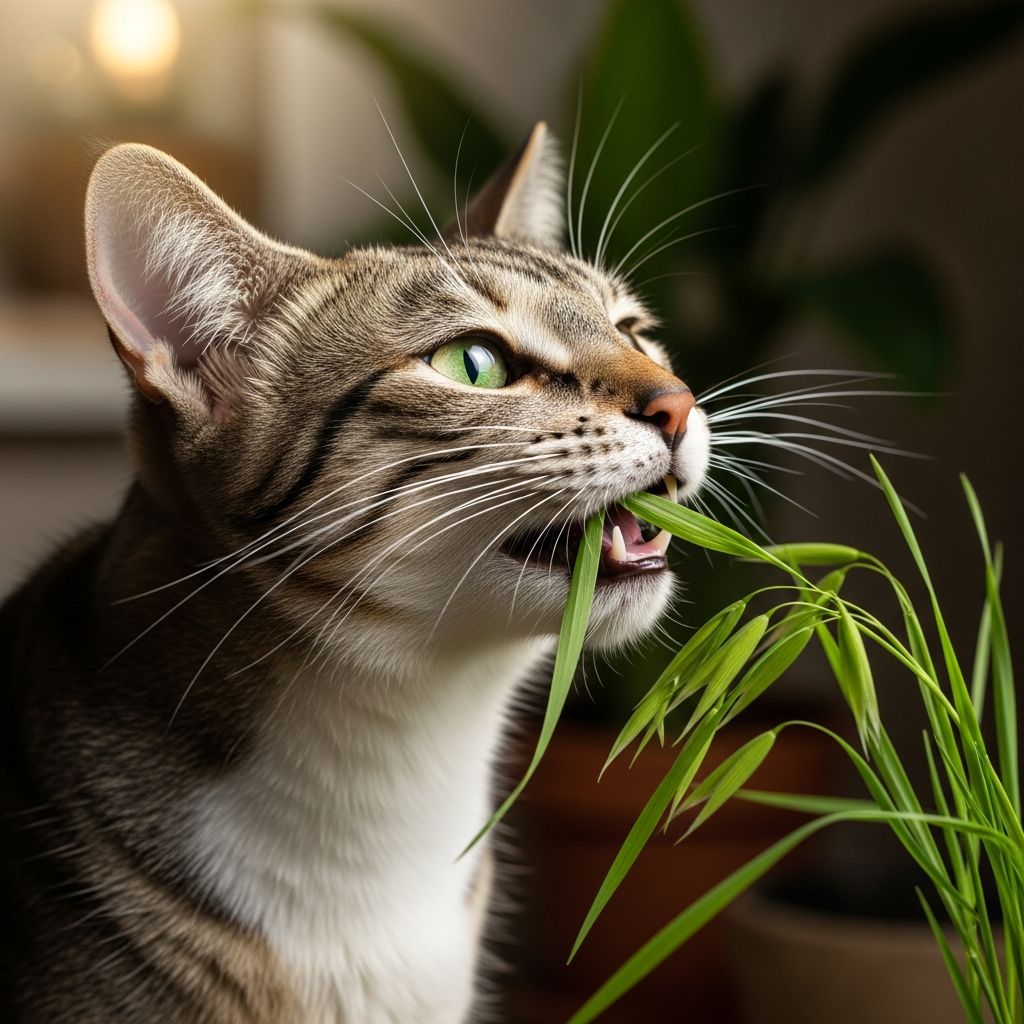
Cat owners frequently observe their feline companions nibbling on houseplants, raising questions about what drives this behavior and whether it indicates an underlying health concern. This common phenomenon stems from multiple interconnected factors, including instinctive behaviors inherited from wild ancestors, nutritional requirements, and responses to environmental stressors. Understanding the motivations behind plant consumption allows pet owners to better manage this behavior while ensuring their cats remain healthy and their homes remain intact.
The Evolutionary Foundation of Plant Eating in Cats
The tendency for domestic cats to consume plant material reflects ancestral behaviors passed down through generations of feline evolution. In their natural habitats, wild cats regularly consumed vegetation as part of their survival strategy, though not as a primary dietary component. This ingrained behavior persists in modern domestic cats, suggesting that plant consumption represents an instinctive response rather than a learned habit specific to captive environments.
Research examining plant eating patterns in domestic cats reveals that younger felines engage in this behavior more frequently than their senior counterparts, supporting the evolutionary hypothesis that this instinct carries particular importance during developmental stages. The prevalence of plant eating across different cat breeds and coat lengths further suggests a deeply rooted biological imperative rather than a behavioral quirk limited to specific populations.
Nutritional Gaps and Dietary Supplementation
Although cats are obligate carnivores requiring meat-based protein for survival, their bodies benefit from certain plant-derived compounds that may be absent or insufficient in typical domestic diets. Plant material provides essential nutrients and dietary components that cats instinctively seek when sensing deficiencies in their current food intake.
Fiber Content and Digestive Function
One of the primary nutritional benefits cats obtain from consuming plants involves fiber, which plays a crucial role in maintaining healthy digestive function. Unlike humans, cats cannot efficiently digest plant fibers due to lacking the necessary enzymes; however, this indigestibility serves a specific purpose in their digestive systems. Fiber acts as a natural laxative, promoting bowel movements and preventing constipation—a common issue in indoor cats with limited activity levels.
When cats experience constipation or sluggish digestion, they may instinctively consume grasses or houseplants to increase intestinal movement. This self-therapeutic behavior demonstrates cats’ innate understanding of their bodily needs and their ability to self-medicate when dietary solutions become necessary.
Micronutrients and Metabolic Support
Plant material also provides access to folic acid and other micronutrients essential for hemoglobin production and various metabolic processes. Certain plants consumed by cats, including grasses and leafy vegetation, contain these vital compounds. When cats’ standard diet lacks adequate micronutrient content, they may actively seek plant-based sources to fill nutritional gaps.
The Hairball Hypothesis and Digestive Clarity
A persistent belief among cat owners suggests that plant consumption helps cats expel hairballs—clumps of fur ingested during grooming that accumulate in the digestive tract. This theory has become so widespread that many assume plant eating serves primarily as a hairball management strategy. However, scientific investigation into this hypothesis reveals a more nuanced reality.
Comprehensive studies examining the relationship between plant eating and hairball expulsion found that short-haired and long-haired cats consumed plants at remarkably similar rates. If plant eating functioned primarily as a hairball removal mechanism, long-haired cats—who shed more frequently and accumulate larger fur quantities—should demonstrate significantly higher plant consumption rates. The absence of this expected difference challenges the hairball hypothesis as the primary explanation for plant eating behavior.
Instead, research suggests that while some cats do vomit after consuming plants, this outcome occurs in only a portion of plant-eating events. Approximately 27 to 37 percent of cats frequently vomit after plant consumption, indicating that induced vomiting represents one effect rather than the primary purpose of this behavior.
Gastrointestinal Health and Self-Medication
Beyond general digestive support, cats may consume plants in response to specific gastrointestinal disturbances or illness. When experiencing nausea, upset stomachs, or other digestive discomfort, cats demonstrate sophisticated self-medicating behaviors by seeking plant material that can help restore equilibrium.
The rough texture of plant matter can trigger beneficial responses in cats experiencing digestive upset. In some cases, this consumption leads to vomiting that expels problematic substances—whether toxic materials accidentally ingested or other digestive irritants. This protective mechanism represents an important survival strategy, allowing cats to purge harmful substances before they cause serious internal damage.
Additionally, wild felid observations suggest that regular plant consumption may help manage intestinal parasite loads, a significant concern for cats with outdoor access. While domestic cats typically receive preventative parasite treatment, this evolutionary imperative to consume plants for parasite management remains encoded in their instinctive behaviors.
Behavioral and Environmental Factors
Beyond physiological explanations, various behavioral and psychological factors influence a cat’s propensity to consume houseplants. These environmental stressors and lifestyle characteristics often interact with nutritional and instinctive factors to create comprehensive explanations for individual plant-eating behaviors.
Boredom and Mental Stimulation Deficits
Indoor cats require consistent mental stimulation and environmental enrichment to maintain psychological well-being. When cats lack adequate toys, interactive play opportunities, or environmental complexity, they may direct their investigative instincts toward houseplants. Plant leaves offer movement, texture, and sensory stimulation that engage cats’ attention, making plants attractive targets for bored felines seeking mental engagement.
Stress Response and Coping Mechanisms
Cats experiencing stress from household changes, new pets, or environmental disruptions may turn to plant consumption as a coping mechanism. The act of chewing provides calming repetitive behavior similar to the effects of grooming, potentially reducing anxiety and promoting emotional regulation. Identifying and addressing underlying stressors often reduces problematic plant eating behaviors.
Attention-Seeking Conduct
Cats possess remarkable intelligence and understanding of cause-and-effect relationships, including their ability to predict human responses to specific behaviors. When a cat learns that eating plants generates attention from their owner—whether through scolding, redirection, or concern—they may repeat the behavior to elicit social interaction. Consistent positive reinforcement of desired behaviors and strategic ignoring of attention-seeking plant consumption can help modify this pattern.
Limited Access to Appropriate Alternatives
Cats lacking sufficient access to cat-safe plants, appropriate toys, scratching posts, or other outlets for their natural behaviors may resort to consuming houseplants as their only available option for meeting sensory and behavioral needs. Providing multiple enrichment alternatives directly addresses this environmental gap.
Health Implications and Warning Signs
While occasional plant consumption typically poses minimal risk for cats, certain situations warrant veterinary attention. Understanding which symptoms indicate potential problems helps owners distinguish between normal behavior and concerning patterns.
Normal Plant Eating Patterns
Healthy cats that occasionally consume non-toxic plants typically show no adverse effects beyond normal digestive transit. These cats appear otherwise well, maintain normal eating and drinking habits, and demonstrate consistent energy levels and body weight. Age also influences normal patterns—younger cats naturally engage in more frequent plant consumption than senior cats.
Concerning Symptoms Requiring Veterinary Evaluation
Pet owners should seek professional veterinary assessment when their cats exhibit specific symptoms in association with plant consumption. These warning signs include:
- Persistent vomiting or retching beyond normal post-plant-eating responses
- Apparent signs of illness such as lethargy, depression, or behavioral changes
- Refusal to eat normal food or decreased appetite
- Diarrhea or constipation lasting beyond one to two days
- Difficulty chewing, swallowing, or breathing
- Sudden changes in water intake or urination frequency
- Unexplained weight loss despite normal feeding patterns
- Irregular heartbeat or other cardiac symptoms
These symptoms may indicate toxic plant ingestion, gastrointestinal obstruction, or underlying medical conditions requiring professional intervention.
Toxic Plant Awareness and Safe Alternatives
Many common houseplants present serious health risks to cats, making plant selection crucial for households with feline residents. Toxic plants can cause reactions ranging from mild gastrointestinal upset to severe poisoning requiring emergency veterinary care. Conscientious cat owners should either eliminate toxic plants from their homes or place them in locations completely inaccessible to their feline companions.
Providing safe, cat-friendly plant alternatives redirects natural plant-eating behaviors toward appropriate targets. Cat grass, which is high in fiber and specifically designed for feline consumption, offers cats a healthy outlet for their plant-eating instincts. Growing cat grass indoors gives cats access to nutritious vegetation while protecting household plants from destruction.
Managing Plant Consumption Effectively
Addressing problematic plant eating requires a multifaceted approach tailored to individual cats’ specific circumstances and underlying causes.
Environmental Modification Strategies
- Position houseplants in elevated locations or enclosed spaces completely inaccessible to cats
- Install physical barriers such as plant stands, hanging planters, or room gates to prevent plant access
- Replace toxic plants with non-toxic alternatives that pose no harm if consumed
- Provide multiple sources of cat-friendly plants throughout the home
- Create designated enrichment zones with toys, scratching posts, and climbing structures
Behavioral Intervention Approaches
- Redirect plant-eating behavior toward appropriate toys and enrichment activities
- Avoid punitive responses that create fear or anxiety
- Provide consistent interactive play sessions to address boredom and mental stimulation needs
- Use positive reinforcement when cats engage with appropriate toys instead of plants
- Identify and minimize household stressors contributing to anxiety-driven plant consumption
Dietary Considerations
- Evaluate current diet quality and nutrient content with veterinary guidance
- Consider gradual transitions to higher-fiber diets if constipation appears related to plant eating
- Ensure adequate hydration, which supports digestive health and reduces plant-seeking behavior
- Offer multiple daily meals rather than single daily feeding to maintain stable digestion
Frequently Asked Questions
Does plant eating help cats with hairballs?
While plant eating can induce vomiting in some cats, research demonstrates this occurs in only a minority of plant-eating events. Short-haired and long-haired cats eat plants at similar rates, contradicting the hypothesis that plant consumption primarily addresses hairball accumulation. Regular brushing and appropriate dietary fiber prove more effective hairball management strategies.
Is my cat sick if it eats plants?
Not necessarily. Most cats that consume plants show no signs of illness beforehand or afterward. Plant eating appears to be a normal, instinctive behavior related to nutritional needs and digestive support rather than an indicator of illness. However, if your cat shows symptoms like vomiting, lethargy, or appetite loss in association with plant consumption, veterinary evaluation is warranted.
Which plants are safe for cats?
Cat grass, spider plants (for non-toxic varieties), Boston ferns, and African violets are among the many plants safe for cats. Consult comprehensive pet-safe plant lists before introducing new houseplants, and verify safety with veterinarians when uncertain about specific species.
Can I train my cat to stop eating plants?
Training success depends on identifying underlying causes. Addressing boredom through enrichment, providing cat-safe plants, and using positive reinforcement can effectively reduce problematic plant consumption. However, completely eliminating this instinctive behavior may not be possible or desirable, as moderate plant eating supports feline health.
Conclusion
Cat plant consumption represents a complex behavior rooted in evolutionary instincts, nutritional requirements, and environmental factors rather than a simple pathological concern. Understanding the legitimate biological and psychological drivers behind this behavior enables cat owners to respond appropriately by providing enriched environments, safe alternatives, and appropriate nutrition. While occasional plant eating poses minimal risk for most cats, awareness of toxic plants, recognition of warning signs, and implementation of management strategies protect both feline health and household vegetation. By acknowledging plant eating as a natural feline behavior and addressing underlying needs rather than attempting complete suppression, cat owners can foster healthier, happier relationships with their companionable feline friends.
References
- Characteristics of Plant Eating in Domestic Cats — National Center for Biotechnology Information (NCBI). 2022. https://www.ncbi.nlm.nih.gov/pmc/articles/PMC8300339/
- Why do cats nibble on plants? — VCA Animal Hospitals. https://vcahospitals.com/resources/behavior-cat/why-do-cats-nibble-on-plants
- Why do cats eat houseplants? — The Cat Behavior Clinic. https://www.thecatbehaviorclinic.com/why-do-cats-eat-houseplants/
- Why Do Cats Eat Plants? — Grady Veterinary Hospital. https://www.gradyvet.com/blog/why-do-cats-eat-plants-2/
- How to Keep Your Cat from Eating Your Houseplants — PetPlace. https://www.petplace.com/article/cats/pet-behavior-training/how-how-to-keep-your-cat-from-eating-your-houseplants
Similar Articles








Read full bio of Sneha Tete




