

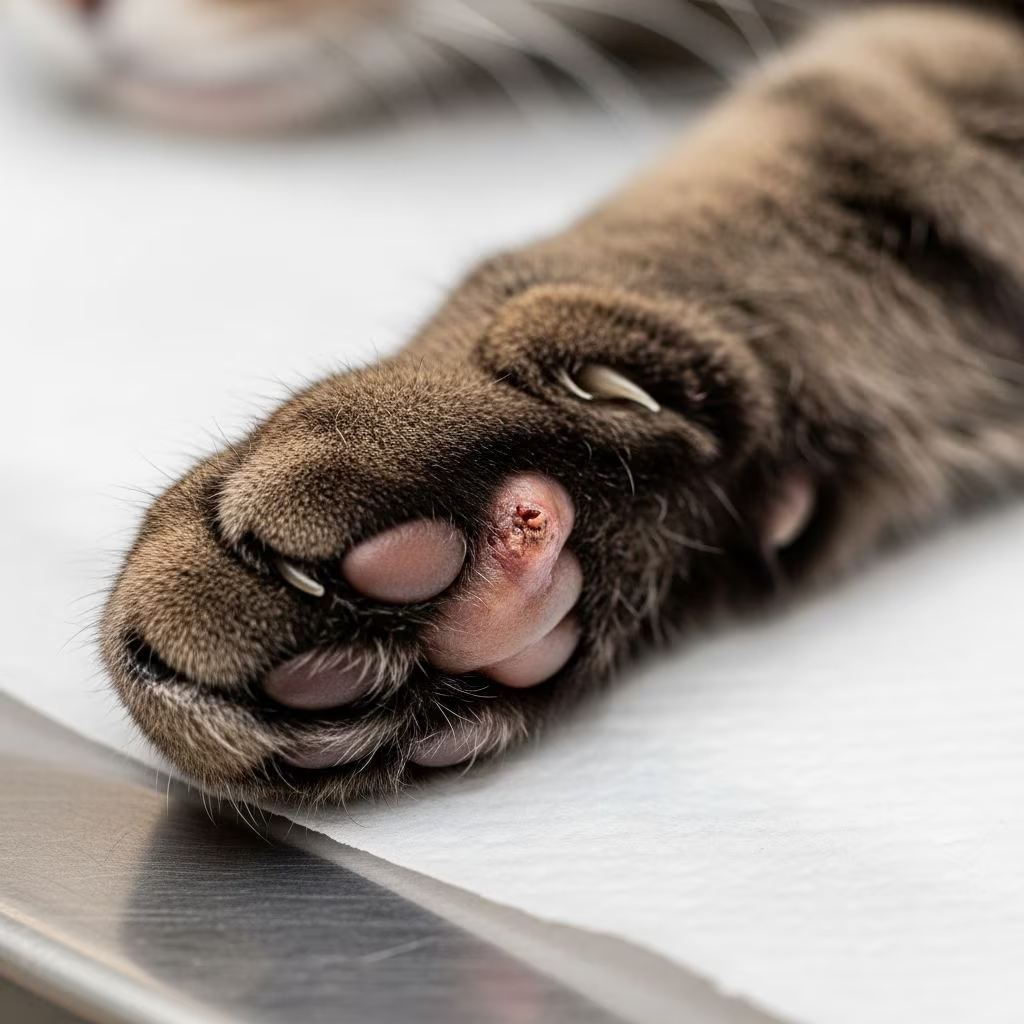
Cats spend much of their time exploring their environment, whether indoors or outdoors, which unfortunately puts their sensitive paw pads at risk of injury. Among the various injuries that can affect feline paws, burns represent a particularly serious concern that requires prompt attention and careful management. Understanding how to recognize, assess, and respond to paw pad burns can make a significant difference in your cat’s recovery and overall well-being.
Understanding How Paw Pad Burns Occur
Paw pad burns in cats can result from several different sources, each presenting unique challenges for treatment and prevention. Indoor cats may encounter burns from contact with kitchen appliances or heating sources, while outdoor felines face different environmental hazards. The sensitive nature of paw pads, despite their tough appearance, makes them vulnerable to thermal damage, chemical exposure, and other heat-related injuries.
Thermal burns occur when a cat’s paw comes into contact with heated surfaces or objects. This can happen when a curious feline jumps onto a warm stovetop, walks across a hot radiator, or steps on scorching pavement during summer months. Similarly, contact with icy surfaces during winter can cause cold-related burns. Indoor hazards might include fireplaces, space heaters, or even heated tile floors that reach dangerously high temperatures.
Chemical burns present another significant risk category. These injuries develop when cats step into or contact corrosive substances such as cleaning products, bleach, drain cleaners, gasoline, or battery acid. What makes chemical burns particularly dangerous is their dual threat: they damage the skin itself while simultaneously posing an ingestion risk if the cat licks their contaminated paws. This internal exposure can lead to poisoning in addition to localized burn damage.
Recognizing the Signs of Paw Pad Injury
Detecting paw pad burns early is crucial for optimal recovery. Behavioral changes in your cat often serve as the first indicator that something is wrong with their feet. If you notice your cat limping, favoring one paw over others, or displaying reluctance to walk normally, a paw injury may be present. Some cats will excessively lick or chew at their paws in response to pain or discomfort.
Physical examination of the affected pad will reveal visible signs depending on the burn’s severity. The skin may appear red, inflamed, or discolored compared to the surrounding tissue. In more serious cases, you might observe blistering, peeling skin, open wounds, or darkened and charred areas. Any change in your cat’s normal paw appearance warrants veterinary evaluation.
Classifying Burn Severity in Feline Patients
Veterinarians classify burn injuries using a standardized system that helps determine the appropriate treatment approach. This classification system considers both the depth of tissue damage and the extent of the affected area, with each category presenting different challenges and treatment requirements.
First-Degree Burns
First-degree or superficial burns affect only the outer layer of skin, similar to a mild sunburn in humans. The affected area will appear red and feel painful to the touch, but the skin remains intact without blistering or breaking. These burns involve minimal tissue damage and represent the least serious category. In many cases, first-degree burns can be managed with home care and observation, though veterinary consultation is still advisable to rule out complications.
Second-Degree Burns
Second-degree or partial-thickness burns extend beyond the outer skin layer into the tissue beneath, causing more significant damage than first-degree injuries. These burns typically present with redness, pain, and visible blistering. The presence of blisters indicates that the burn has penetrated deeply enough to accumulate fluid between tissue layers. Second-degree burns require professional veterinary treatment because of the increased infection risk and more complex healing process.
Third-Degree Burns
Third-degree or full-thickness burns represent the most severe category, affecting all layers of skin and potentially extending into deeper tissues. The appearance of these burns is distinctive and alarming: the skin may appear blackened or charred, with visible blistering, open wounds, and severe damage. Cats with third-degree burns experience intense pain and may go into shock due to the extensive trauma. These injuries demand immediate emergency veterinary care without delay.
Immediate First Aid Response
Taking appropriate action in the first moments after a burn injury can influence your cat’s ultimate outcome. However, the specific first aid approach depends on the burn’s classification and source.
Cooling the Affected Area
For thermal burns, cooling the paw can help reduce pain and prevent further tissue damage if applied promptly. This technique works best for first-degree burns and blistering second-degree burns. Hold your cat’s affected paw under cool (not cold) running water for three to five minutes. The water temperature should be comfortable to the touch—cold water or ice can paradoxically cause additional tissue damage rather than providing benefit.
If your cat resists water immersion, which many felines do, an alternative approach involves soaking a clean cloth in cool water and gently squeezing it over the burned area. This allows gradual cooling without forcing your reluctant pet into an uncomfortable situation that might cause additional stress or injury.
Managing Chemical Burns
Chemical exposure requires a different initial approach. If your cat has stepped into a corrosive substance, immediately hold their paw under running water for several minutes to dilute and rinse away the chemical. Follow the water rinse with a gentle wash using mild soap, then thoroughly rinse again to remove any remaining residue. Wear protective gloves during this process, as substances that burn your cat can also burn your skin.
What Not to Do
Several common instincts can actually worsen burn injuries and should be avoided:
- Never apply butter, oil, ointments, or other topical products to the burn unless specifically directed by your veterinarian. Many human products can further irritate feline skin or may be toxic when ingested through licking.
- Do not attempt to remove dead or damaged skin yourself. This requires professional expertise and should only be performed under anesthesia when your cat is pain-free.
- Never give your cat over-the-counter pain medication. Cats metabolize medications differently than humans, and substances safe for people can be toxic or fatal to felines.
- Do not submerge your cat in a bathtub of water, as this can trigger panic and worsen injuries.
- Avoid forcing your cat to eat or drink if they are in pain and have no appetite. This can induce vomiting and lead to additional dehydration.
Professional Veterinary Treatment
Regardless of burn severity, professional veterinary evaluation is the safest course of action. Even minor-appearing burns can have complications that aren’t immediately visible, and your veterinarian can identify issues that might develop over time.
Initial Veterinary Assessment
Your veterinarian will perform a thorough examination to determine the burn’s extent and depth. They will ask detailed questions about the injury source, exposure duration, and any treatments you’ve already provided. This information helps them tailor treatment to your cat’s specific situation. The veterinarian will also assess whether your cat shows signs of shock, which can develop with severe burns.
Wound Management Procedures
Professional treatment typically begins with careful cleaning of the burned area to remove debris and bacteria that could cause infection. For more serious burns, your veterinarian may perform debridement, which involves removing dead or damaged tissue to promote proper healing. This procedure requires sedation or general anesthesia to keep your cat comfortable and still.
Regular bandage changes and wound cleaning are essential components of ongoing care. Your veterinarian will recommend a schedule for bandage replacement and provide instructions for monitoring the wound at home. Daily observation helps identify any signs of infection or complications that require additional intervention.
Pain Management and Medication
Your veterinarian will prescribe appropriate pain medication suited to your cat’s needs and metabolism. Strong pain relief is crucial not only for comfort but also for your cat’s ability to eat, drink, and engage in the activities necessary for recovery. The veterinarian may also prescribe antibiotics if infection risk is present.
Fluid and Supportive Care
Severe burns can cause significant fluid loss through damaged skin, leading to dehydration. Your veterinarian may administer intravenous (IV) fluids to maintain proper hydration and electrolyte balance, especially with partial or full-thickness burns. In cases involving severe fluid or protein loss, blood or plasma transfusions may be necessary. Some cats may require oxygen therapy if they experienced smoke inhalation or respiratory complications.
Advanced Treatment Options
For extensive or deeply damaged burns, additional treatments may be necessary. Your veterinarian might recommend surgery to remove severely damaged tissue or skin grafting to cover large open wounds. These procedures help minimize scarring and restore proper paw pad function for mobility and comfort.
Recovery and Ongoing Care
Recovery from paw pad burns can take weeks or months depending on severity. During this period, consistent care and monitoring are essential. Follow your veterinarian’s bandaging and cleaning instructions precisely, and report any changes in the wound’s appearance or your cat’s behavior immediately.
Keep your cat indoors during recovery to prevent contamination of the healing paw and to minimize activity that could reinjure the sensitive tissue. Provide a comfortable, quiet space for rest, and ensure your cat has easy access to food, water, and litter boxes positioned to minimize paw strain.
Prevention Strategies
Protecting your cat from paw pad burns requires attention to both indoor and outdoor environments:
- Ensure kitchen appliances and heating devices are properly secured and inaccessible to curious cats.
- Use protective barriers around fireplaces and space heaters.
- Limit outdoor exposure during extreme heat or cold when pavement and surfaces become dangerously hot or cold.
- Store chemicals, cleaning products, and other corrosive substances in secure, cat-proof containers.
- Inspect your cat’s paws regularly for signs of injury or irritation.
- Keep your cat’s nails trimmed to reduce injury risk from scratching at irritated paws.
Frequently Asked Questions
Can first-degree paw burns be treated at home?
While first-degree burns might not require emergency intervention, veterinary consultation is still recommended. Your veterinarian can confirm the burn severity and provide appropriate pain management. Home care should be limited to cooling the area and monitoring for complications.
How long does recovery typically take?
Recovery duration depends entirely on burn severity. First-degree burns may heal in one to two weeks, while second-degree burns require several weeks of treatment. Third-degree burns can take months to heal fully, with some cats developing permanent scarring or sensitivity.
Will my cat have permanent damage?
The extent of permanent effects depends on burn severity and treatment quality. First-degree burns typically resolve without lasting effects. More serious burns may result in scarring, altered paw pad texture, or sensitivity to temperature. Your veterinarian can better assess long-term implications after examining your specific cat.
What if my cat won’t allow cooling or treatment?
If your cat resists home care, focus on getting to your veterinarian as quickly as possible. Professional facilities have medications and techniques to manage anxious or resistant cats while still providing necessary treatment. Your cat’s safety and comfort take priority over home-based interventions.
References
- First Aid for Torn or Injured Foot Pads in Cats — VCA Animal Hospitals. Accessed January 2026. https://vcahospitals.com/know-your-pet/first-aid-for-torn-footpads-in-cats
- Burns in Cats — VCA Animal Hospitals. Accessed January 2026. https://vcahospitals.com/know-your-pet/burns-in-cats
- Burns in Dogs & Cats: Diagnosis, Evaluation, & Treatment — Clinician’s Brief. Accessed January 2026. https://www.cliniciansbrief.com/article/burns
- Treatment of Burns in Cats — PetMD. Accessed January 2026. https://www.petmd.com/cat/emergency/accidents-injuries/burns-cats
- Paw Pad Burns: How They Happen & What You Can Do About Them — Aspen Vet Flagstaff. Accessed January 2026. https://www.aspenvetflagstaff.com/services/dogs/blog/paw-pad-burns-how-they-happen-what-you-can-do-about-them



