

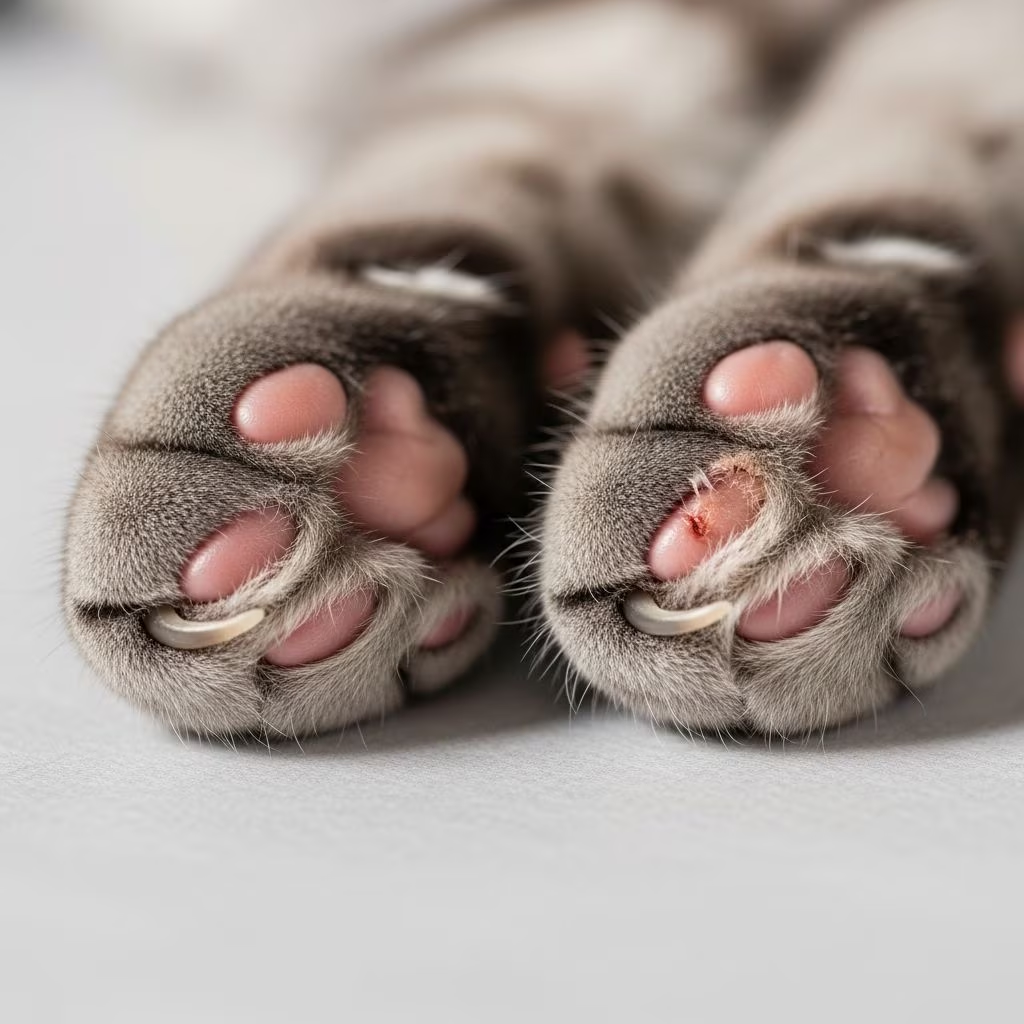
Cats rely heavily on their paws for balance, mobility, and sensory perception. When paw pad problems develop, they can significantly impact your cat’s quality of life and overall wellbeing. Understanding the various conditions that affect feline feet, recognizing warning signs, and knowing when to seek veterinary care are essential responsibilities for any cat owner. This comprehensive guide explores the most common paw pad issues in cats, what causes them, and how to address them effectively.
The Importance of Monitoring Your Cat’s Paws
A cat’s paws are remarkably sensitive despite their tough appearance. The paw pads contain numerous nerve endings and serve as critical sensory organs. When problems develop, cats often show behavioral changes before visible symptoms appear. Early detection of paw issues can prevent complications and reduce your cat’s pain. Many cat owners overlook paw health until their feline companion begins limping or shows obvious discomfort. Regular paw inspections should be part of your routine cat care, similar to checking ears or teeth.
Understanding the Structure and Function of Cat Paws
The feline paw pad consists of several layers designed to protect the sensitive tissues beneath. The outer surface is naturally rough and textured, providing traction and grip. However, this protective layer can be compromised by various environmental and health factors. Cat paws are also remarkably expressive—the way a cat walks, the frequency of licking, and any reluctance to bear weight on a particular limb all provide diagnostic clues about underlying problems.
Cracked and Dry Paw Pads: Causes and Solutions
Dry and cracked paw pads represent one of the most frequently encountered foot problems in domestic cats. Several environmental factors contribute to this condition. Extreme weather conditions, particularly cold, dry winter air, can rapidly deplete moisture from the paw pads. Indoor cats exposed to heated homes during winter months are particularly susceptible. Additionally, repeated exposure to harsh surfaces such as hot pavement, rough concrete, or abrasive flooring materials can wear away the protective outer layer of the pads.
Behavioral factors also play a role. Cats that obsessively lick their paws due to allergies, stress, or anxiety can remove the natural oils that protect the paw pads, leading to drying and cracking. This creates a problematic cycle where cracked pads cause discomfort, prompting more licking, which worsens the condition further.
Treatment for dry and cracked paws typically begins with prevention and protective measures. Over-the-counter paw balms designed specifically for cats can restore moisture and create a protective barrier. Applying these balms regularly, particularly during seasons when environmental conditions are harsh, can prevent serious cracking. Protective clothing such as paw socks or booties can shield paws from environmental damage. For indoor cats, controlling humidity levels in your home during winter months and providing soft surfaces for walking can also help.
Bacterial and Fungal Infections in Feline Paws
Infections affecting cat paws can develop through multiple pathways. Bacterial infections typically begin when microorganisms enter through small cuts, abrasions, or puncture wounds. Cats that spend time outdoors encounter numerous opportunities for injury—stepping on sharp objects, thorns, glass shards, or contaminated materials. Even indoor cats can develop infections if their paws become compromised.
The symptoms of bacterial paw infections include distinct warning signs that demand immediate attention. Affected paws often display redness and swelling around the pad area. Cats typically lick or bite at the infected area excessively. Visible discharge, including pus or blood, may be present. Some owners notice a foul odor emanating from the paw. Pain may prevent normal walking, resulting in noticeable limping or reluctance to bear weight on the affected limb.
Fungal infections, particularly yeast infections, thrive in warm and humid environments. Cats with compromised immune systems face increased vulnerability to fungal paw infections. Unlike bacterial infections that develop acutely, fungal infections often progress gradually. Affected cats typically exhibit excessive licking of the paws due to itching. The nail beds may appear swollen and red from the constant licking and secondary irritation. Treatment requires antifungal medications prescribed by a veterinarian, along with environmental management to reduce moisture and humidity around the cat’s resting areas.
Ingrown Claws and Nail-Related Problems
The relationship between nail health and paw pad integrity is often overlooked by cat owners. When cats fail to maintain proper nail length through natural scratching activities, their claws can grow excessively long and curl inward. This creates multiple problems: long nails catch and tear on objects, become twisted, and may puncture the paw pads themselves.
Cats with overlong nails experience constant irritation and inflammation in their paws. The mechanical stress of walking on overgrown nails changes the cat’s gait, creating compensatory strain on other joints and muscles. Secondary infections frequently develop when punctured pads become infected. Some cats respond to the discomfort by licking their paws excessively, which compounds the problem.
Regular nail maintenance is the most effective prevention strategy. Providing scratching posts, scratching boards, or scratching towers encourages natural nail maintenance. For cats that don’t use these resources effectively or have mobility limitations, regular nail trimming becomes necessary. Many veterinarians and professional groomers can trim cat nails safely, and some owners become proficient at this task with proper instruction.
Plasma Cell Pododermatitis: Understanding Pillow Foot
Among the more unusual and challenging paw conditions cats face is feline plasma cell pododermatitis, commonly known as “pillow foot.” This distinctive inflammatory disease causes dramatic and often alarming changes to the appearance of affected paw pads. The condition involves an immune system malfunction where excessive white blood cells called plasma cells infiltrate the paw pads, triggering severe inflammation and swelling.
Recognizing Pillow Foot Symptoms
The visual presentation of pillow foot is quite distinctive. Affected paw pads become dramatically swollen and puffy, literally resembling plump pillows—hence the common name. The pads appear smooth initially and are often deep pink or purple in color with white striations. As the condition progresses, deep fissure lines develop, and the pads may eventually ulcerate and crack, potentially leading to bleeding and secondary infections.
Most significantly, pillow foot typically affects multiple paws simultaneously, and in many cases, all four feet become involved. When pressure is applied to the swollen pads, they indent temporarily before becoming puffy again. The swelling can cause significant discomfort, leading cats to limp or display obvious lameness. Many cats obsessively lick or chew at their affected paws.
Underlying Causes and Risk Factors
The precise cause of plasma cell pododermatitis remains unclear, though veterinary dermatologists believe it represents an autoimmune condition or allergic reaction. Research suggests that food allergies or environmental allergies may trigger the development of this disease. Several viral infections appear to contribute as risk factors, including feline leukemia virus (FeLV) and feline immunodeficiency virus (FIV). The condition may also be associated with calicivirus and even sensitivity to certain types of cat litter formulations.
Demographic patterns have emerged in pillow foot cases. Domestic shorthaired cats develop the condition more frequently than other breeds, though cases have been documented across various cat populations. Male cats appear more frequently affected than females. Outdoor cats may face elevated risk compared to indoor cats due to increased exposure to environmental factors and potential viral infections.
Treatment Approaches for Pillow Foot
Managing plasma cell pododermatitis requires veterinary guidance and often involves multiple therapeutic strategies. Common medications used to treat pillow foot include doxycycline, prednisolone, and cyclosporine. These medications work by modulating immune system function and reducing inflammation. Treatment duration varies based on individual response and disease severity.
For cats with large, painful, or severely ulcerated swellings, surgical intervention may become necessary. Additionally, identifying and eliminating potential triggers—such as switching to a different cat litter type or addressing underlying food allergies—can improve outcomes. Some cats experience remission with appropriate treatment, while others require long-term management.
Other Common Causes of Swollen Cat Paws
Beyond the conditions previously discussed, several other factors can cause paw swelling and discomfort. Insect bites and stings from ants, bees, spiders, or fleas may trigger allergic reactions or secondary infections, particularly if cats lick or scratch the area excessively. Foreign body penetration—when splinters, thorns, glass shards, or other sharp objects lodge in the paw pad—can cause infections if the object remains embedded.
Cats living in poor sanitary conditions or outdoor strays face increased susceptibility to various paw infections due to constant exposure to contaminated surfaces and rough terrain. Additionally, some cats develop paw problems related to autoimmune disorders or allergic conditions that create systemic inflammation affecting the feet.
Recognizing Signs That Require Veterinary Attention
Certain warning signs indicate that professional veterinary evaluation is necessary. Persistent limping or reduced activity suggests pain or discomfort that warrants investigation. When cats cannot walk properly or show reluctance to bear weight on particular limbs, underlying problems require professional assessment. Any visible discharge, pus, bleeding, or open sores demand prompt veterinary attention to prevent infection or complications.
A foul odor emanating from the paws may indicate bacterial infection or tissue damage. Excessive licking or biting at the paws, particularly if accompanied by behavioral changes, suggests pain or discomfort. If you notice your cat is less active, eating less, or displaying signs of pain when you touch the paws, professional evaluation is essential. When examining your cat’s paws at home, be cautious—cats with painful paws may become defensive and bite even typically gentle animals.
Prevention Strategies for Healthy Feline Paws
Maintaining optimal paw health requires a multi-faceted approach. Regular paw inspections allow early detection of problems. Provide appropriate scratching surfaces to encourage natural nail maintenance. Keep the environment clean and maintain appropriate humidity levels. For outdoor cats or cats with increased exposure risk, regular parasite prevention helps prevent flea-related paw problems and associated infections.
Environmental management plays an important role. During winter months, reduce exposure to salt, sand, and harsh chemicals used on walkways. For indoor cats, provide soft resting surfaces and maintain comfortable temperature and humidity levels. If your cat shows signs of allergies, work with your veterinarian to identify and manage potential triggers.
When to Seek Professional Help
Veterinary professionals can diagnose paw pad problems through physical examination and, when necessary, additional diagnostic testing such as cytology, fungal culture, or biopsy. Early professional intervention often prevents progression to more serious complications and reduces your cat’s suffering. Many paw pad problems respond well to treatment when addressed promptly, whereas delayed care can result in chronic pain, infection, or permanent damage.
Caring for an Affected Paw at Home
While awaiting or following veterinary care, several home care measures can provide comfort. Keep the affected paw clean by gently washing with warm water when appropriate. Apply veterinarian-recommended balms or medications as directed. Use protective socks or booties to prevent further injury or contamination. Encourage rest and limit activity that may exacerbate the condition. Monitor the paw closely for signs of improvement or deterioration.
Long-Term Management and Prognosis
The prognosis for most feline paw problems improves significantly with appropriate veterinary care. Simple conditions like dry pads respond well to moisturizing treatments and environmental modifications. Infections typically resolve with appropriate antimicrobial therapy. Conditions like plasma cell pododermatitis may require ongoing management but can be controlled effectively with proper treatment protocols.
Establishing a relationship with your veterinarian and maintaining regular check-ups allows for early detection of paw problems and appropriate preventive care. Communicating observations about your cat’s behavior, mobility, and paw appearance helps your veterinarian identify issues early. With proper attention and care, most cats maintain healthy, functional paws throughout their lives.
References
- Feline Plasma Cell Pododermatitis: My Cat Has a Sore Paw — Pet Health Network. Accessed February 2026. https://www.pethealthnetwork.com/cat-health/cat-diseases-conditions-a-z/feline-plasma-cell-pododermatitis-my-cat-has-a-sore-paw
- Cat Paw Infection – Causes, Symptoms, and Treatment — Brooklyn Pet Spa. Accessed February 2026. https://brooklynpetspa.com/cat-paw-infection-causes-symptoms-and-treatments/
- Cat Paw Pad Problems — CatWatch Newsletter. Accessed February 2026. https://www.catwatchnewsletter.com/subscriber-only/cat-paw-pad-problems/
- Pillow Foot (Pododermatitis) in Cats — PetMD. Accessed February 2026. https://www.petmd.com/cat/conditions/skin/pillow-foot-pododermatitis-cats
- Swollen Cat Paws – What May Be Causing It — Ponderosa Vet Clinic. Accessed February 2026. https://ponderosavetclinic.com/swollen-cat-paws/
- Common Paw Pad Issues — Viagen Pets. Accessed February 2026. https://viagenpets.com/common-paw-pad-issues/
- Watch Out for These Feline Foot Problems — 1st Pet Veterinary Centers. Accessed February 2026. https://1stpetvet.com/pet-health-information/watch-out-for-these-feline-foot-problems/
- Paw Scrapes in Cats & Other Common Injuries — Healthy Paws Pet Insurance. Accessed February 2026. https://www.healthypawspetinsurance.com/blog/cat-care/common-injuries-cats-paw-scrapes.html



