

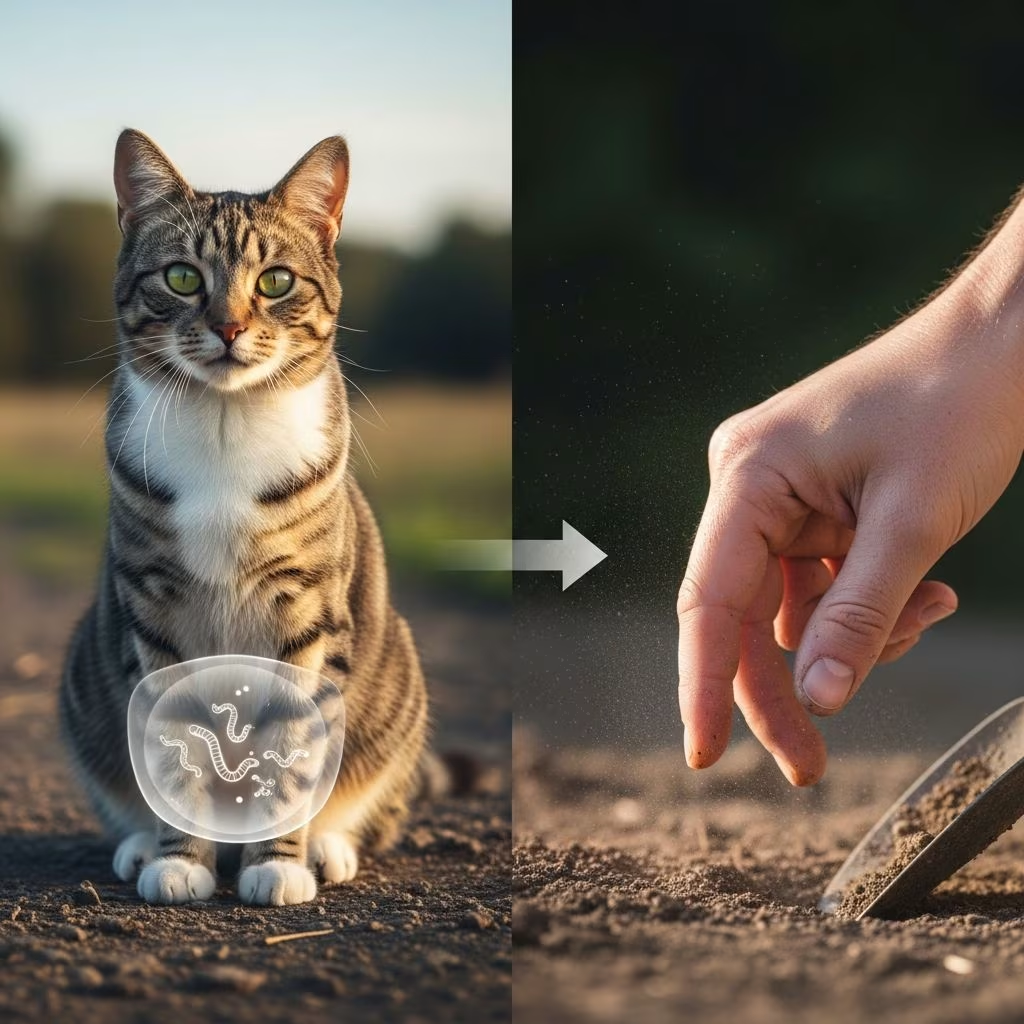
Pet ownership brings joy and companionship, but it also comes with responsibilities regarding health and hygiene. One common concern among cat owners is whether parasitic infections can cross species barriers—specifically, whether the worms and parasites found in cats pose a threat to human family members. While the relationship between cats and their owners is generally safe and beneficial, certain parasitic infections are indeed zoonotic, meaning they can transmit from animals to people under specific circumstances.
The Reality of Zoonotic Parasite Transmission
Zoonotic diseases represent infections capable of spreading from animals to humans. When it comes to feline parasites, several species fall into this category, though the actual transmission risk varies considerably depending on the parasite type, exposure circumstances, and individual hygiene practices. The key to managing this risk lies in understanding which parasites pose threats, how they spread, and what preventive measures prove most effective.
It is important to note that simply owning a cat or living with one does not automatically expose you to parasitic infection. Direct contact with a cat itself—petting, cuddling, or sleeping near your feline companion—rarely transmits parasites. Instead, transmission typically requires specific pathways involving contaminated feces, soil, or other intermediary materials.
Common Feline Parasites That Affect Humans
Roundworms: The Most Frequent Culprit
Roundworms, scientifically known as Toxocara, represent among the most commonly transmitted parasites from cats to humans. Cats shed roundworm eggs through their feces, and these eggs become infectious to humans after approximately two weeks of development in outdoor environments.
When humans accidentally ingest these eggs—typically through contaminated soil on unwashed hands or produce—the parasites can migrate through the body and lodge in various organs. The immune system responds by attempting to wall off the parasites, but in some cases they may reach sensitive areas including the liver, lungs, brain, or eyes. This condition, known as visceral larval migrans when affecting internal organs or ocular larval migrans when affecting the eyes, poses the greatest concern.
Children face particular vulnerability to roundworm infection because of their higher likelihood of playing in contaminated soil and their tendency to place hands and objects in their mouths without thorough washing.
Hookworms: Penetrating Through Skin
Hookworms present a unique transmission pathway compared to other parasites. While roundworm transmission typically requires ingestion, hookworm larvae can actually penetrate human skin directly. This means that walking barefoot in areas where infected cats have defecated creates a genuine risk for infection.
Once hookworm larvae enter through the skin, they cause a condition called cutaneous larval migrans, characterized by itching, red tracks on the skin, and localized inflammation. While this condition is uncomfortable rather than immediately dangerous, it underscores the importance of practicing basic hygiene when handling potentially contaminated materials or soil.
Tapeworms: Variable Transmission Risk
Tapeworm transmission from cats to humans varies significantly based on the specific tapeworm species involved. The most prevalent tapeworm in cats is the flea tapeworm, but this variety poses minimal transmission risk to humans because infection requires deliberately swallowing an infected flea—an unlikely occurrence.
However, other tapeworm species present greater concern. Tapeworms of the Taenia and Echinococcus species can transmit to humans through accidental ingestion of cat feces containing infectious tapeworm eggs. When infection occurs, symptoms may include segments of tapeworms resembling rice grains appearing in human feces and around the anal area. While uncomfortable, these infections rarely cause serious health complications in otherwise healthy individuals.
Beyond Worms: Other Zoonotic Parasites and Infections
Toxoplasmosis: A Widespread Concern
Toxoplasmosis, caused by the microscopic parasite Toxoplasma gondii, represents one of the most significant zoonotic infections associated with cats. Cats acquire this infection by consuming infected rodents, birds, or other small animals, and they subsequently shed millions of parasites in their feces for up to three weeks following infection. Remarkably, kittens and young cats shed the parasite far more readily than mature cats, which develop immunity and shed less frequently after initial infection.
Transmission to humans occurs primarily through contact with contaminated cat feces, particularly during litter box cleaning without proper hand hygiene afterward. However, it is noteworthy that humans most commonly acquire toxoplasmosis through dietary sources rather than cat contact—specifically through consuming undercooked or raw meat, or through ingesting contaminated soil on unwashed vegetables from a garden.
For most healthy individuals, toxoplasmosis produces mild or no symptoms. Some people experience flu-like symptoms including muscle aches, fever, and headache. However, pregnant women and immunocompromised individuals face significantly greater risks, making prevention particularly important for these populations.
Cat Scratch Disease: Bacterial Rather Than Parasitic
While not a parasitic infection, cat scratch disease deserves mention as a significant zoonotic infection transmitted from cats to humans. Caused by the bacterium Bartonella henselae, this infection spreads through cat scratches, bites, and saliva contact with open wounds. Approximately 40 percent of cats carry this bacterium without showing symptoms, making detection challenging.
Cryptosporidiosis: A Protozoan Threat
Another parasitic infection worthy of attention is cryptosporidiosis, caused by Cryptosporidium organisms. Both cats and humans infected with this parasite experience diarrhea, vomiting, fever, abdominal cramps, and dehydration. Direct or indirect contact with feces from infected cats creates transmission risk, particularly for immunocompromised individuals.
Understanding Transmission Pathways
Primary Routes of Infection
Parasitic transmission from cats to humans follows several specific pathways:
- Handling contaminated litter boxes without subsequently washing hands thoroughly
- Walking barefoot in soil or sand where infected cats have eliminated
- Failing to wash hands after playing with cats or handling their belongings
- Children playing in sandboxes or soil areas accessible to outdoor cats
- Consuming unwashed produce or water contaminated with parasitic eggs or oocysts
- Contact between microscopic eggs on cat fur and mucous membranes or broken skin
Risk Factors That Increase Infection Likelihood
Certain circumstances elevate transmission risk significantly. Young children face heightened vulnerability due to their frequent contact with soil, their habit of placing contaminated hands in their mouths, and their less developed hygiene practices. Immunocompromised individuals, including those with HIV/AIDS, recipients of organ transplants, and people undergoing certain cancer treatments, experience increased severity if infection occurs.
Outdoor cats pose greater transmission risks than indoor cats, as they hunt infected prey and have broader exposure to parasitic sources. Additionally, homes with poor sanitation practices and infrequent litter box cleaning create environments conducive to parasite proliferation and transmission.
Sleeping With Your Cat: Assessing the Risk
Many cat owners wonder whether allowing their cats to sleep in their beds increases infection risk. The actual danger remains relatively low in most circumstances. While roundworm eggs can theoretically transfer from cat fur or paws to bedding, and tapeworm segments might appear on bedding if a cat has active flea infestations, these scenarios require additional steps for human infection to occur.
For roundworm transmission to happen from contaminated bedding, a person must subsequently transfer these microscopic eggs to their mouth without washing hands in between. This sequence, while possible, remains uncommon with basic hygiene practices. Regular washing of bedding, coupled with routine hand washing after petting or handling cats, substantially reduces any risk.
Practical Prevention and Protection Strategies
Essential Hygiene Practices
The foundation of parasite prevention rests on straightforward hygiene measures:
- Wash hands thoroughly with soap and warm water after handling cats, their belongings, or litter materials
- Wear gloves when cleaning litter boxes and dispose of gloves properly
- Clean litter boxes daily to prevent parasites from becoming infectious
- Wash hands after gardening, particularly if outdoor cats frequent the area
- Keep cats indoors to reduce their exposure to infected prey and contaminated environments
- Wash produce thoroughly before consumption and cook meat to safe temperatures
- Discourage rough play with cats, particularly kittens, to minimize scratch and bite wounds
Veterinary Care and Monitoring
Regular veterinary care represents perhaps the most effective prevention strategy. Annual fecal examinations allow veterinarians to identify parasitic infections before they create transmission risks. When parasites are identified, prompt treatment eliminates the shedding phase and prevents contamination of the environment. Additionally, routine flea control prevents flea-borne tapeworm transmission, providing dual benefits for both cat and human health.
Environmental Management
Creating an environment that minimizes parasitic transmission involves several practical steps. Regular disinfection of surfaces where cats spend time, proper disposal of feces, and preventing outdoor cats from accessing children’s play areas all contribute to risk reduction. For families with immunocompromised members, additional precautions including having another family member handle litter box duties and wearing protective equipment prove particularly important.
Recognizing Infection Symptoms
While many people infected with cat parasites experience no symptoms, awareness of potential warning signs enables early medical attention. Roundworm infections may cause abdominal discomfort, nausea, or in severe cases, eye involvement or neurological symptoms. Hookworm infection typically produces itching and visible skin tracks at the infection site.
Toxoplasmosis may present as mild flu-like symptoms or, in rare cases, more severe manifestations including confusion, seizures, or gastrointestinal disturbance. Anyone experiencing these symptoms should consult a healthcare provider, particularly if they have had recent contact with cats or contaminated soil.
Special Considerations for Vulnerable Populations
Pregnant Women
Pregnant women require special attention regarding toxoplasmosis exposure, as infection during pregnancy can potentially affect fetal development. Medical professionals often recommend that pregnant women avoid handling cat litter entirely, delegating this task to other household members. Maintaining strict hygiene practices around food preparation and consumption of properly cooked meat provides additional protection.
Young Children
Children under five years old face the greatest risk of roundworm and hookworm infection due to their developmental stage and play behaviors. Supervising outdoor play, ensuring access to hand washing facilities, and maintaining regular veterinary care for household cats all contribute to protecting this vulnerable age group.
Immunocompromised Individuals
People with compromised immune systems face heightened risk of severe infection and complications. These individuals should discuss appropriate precautions with their healthcare providers, which may include avoiding contact with kittens, having others manage litter duties, and taking additional preventive measures.
Conclusion: Balancing Responsibility With Companionship
The question of whether cat parasites transmit to humans has a nuanced answer: yes, certain parasites can spread, but actual infection risk remains manageable through basic hygiene practices and preventive veterinary care. The benefits of cat ownership—companionship, stress reduction, and emotional support—far outweigh the minimal health risks when appropriate precautions are implemented.
By understanding transmission pathways, recognizing vulnerable populations, maintaining regular veterinary care, and practicing consistent hygiene, cat owners can confidently enjoy their feline companions while protecting family members from parasitic infection. The key lies not in avoiding cats altogether, but in informed, responsible pet ownership that prioritizes both human and feline health.
Frequently Asked Questions
Can I get worms from petting my cat?
Direct worm transmission through petting is extremely unlikely. Parasites typically require ingestion or skin penetration through contaminated materials rather than simple contact with cat fur. However, washing hands after petting remains a good hygiene practice.
What should I do if I suspect I have a parasite from my cat?
Consult a healthcare provider and describe your symptoms and cat exposure. Medical professionals can order appropriate tests and provide treatment if infection is confirmed. Early diagnosis and treatment prevent complications.
How often should I have my cat tested for parasites?
Veterinarians typically recommend annual fecal examinations for indoor cats and potentially more frequent testing for outdoor cats with greater parasitic exposure. Discuss your specific cat’s risk factors with your veterinarian.
Is it safe to have an indoor cat if I’m pregnant?
Indoor cats pose minimal risk if proper precautions are taken. Having another household member handle litter box duties and maintaining strict food preparation hygiene allows pregnant women to safely keep indoor cats.
Can I get worms from cat saliva?
Most parasitic worms do not transmit through saliva. Bartonella henselae (cat scratch disease) can transmit through saliva in open wounds, but parasitic worms require ingestion or skin penetration to establish infection.
References
- Are cat worms contagious to humans? — Itch Pet. https://www.itchpet.com/blog/post/are-cat-worms-contagious-to-humans
- Toxoplasmosis: Causes and How It Spreads — Centers for Disease Control and Prevention. https://www.cdc.gov/toxoplasmosis/causes/index.html
- Can Cat Worms Infect People? — Pet Shed. https://www.petshed.com/petcyclopedia/human-risk-from-cat-worms.html
- Zoonotic Disease: What Can I Catch from My Cat? — Cornell Feline Health Center, College of Veterinary Medicine. https://www.vet.cornell.edu/departments-centers-and-institutes/cornell-feline-health-center/health-information/feline-health-topics/zoonotic-disease-what-can-i-catch-my-cat
- 5 Diseases You Can Catch from Your Cat — Just Cats Clinic. https://justcatsclinic.com/5-diseases-you-can-catch-from-your-cat/
- Can You Get Worms From Your Cat Sleeping in Your Bed — Taconic Veterinary Center. https://taconicvet.com/blog/can-you-get-worms-from-your-cat-sleeping-in-your-bed/
- Toxoplasmosis: Causes, Symptoms, Diagnosis & Treatment — Cleveland Clinic. https://my.clevelandclinic.org/health/diseases/9756-toxoplasmosis



