
Feline Panleukopenia Virus: Causes, Symptoms, and Treatment
Understanding feline panleukopenia: A comprehensive guide to this serious viral infection in cats.
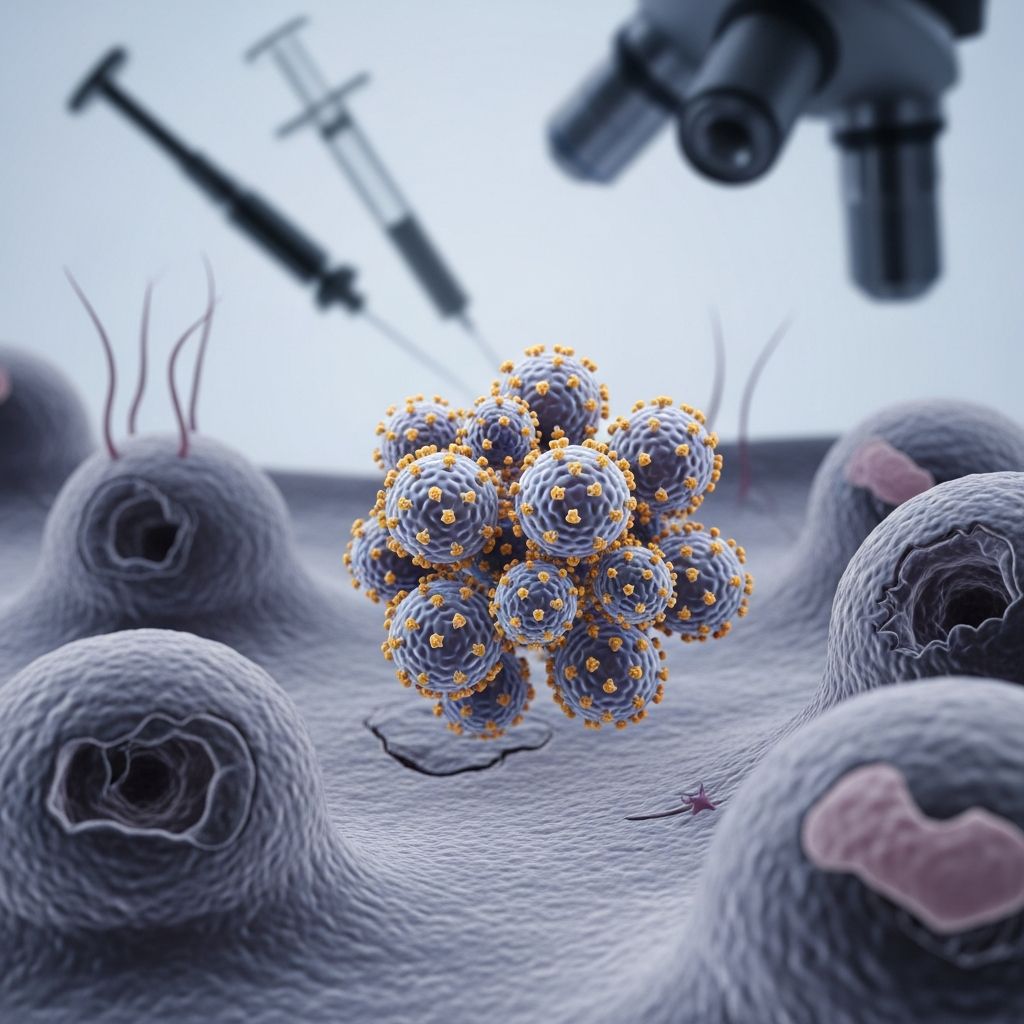
Understanding Feline Panleukopenia Virus
Feline panleukopenia virus (FPV), commonly known as feline distemper, is one of the most serious viral infections affecting domestic cats worldwide. This highly contagious disease has caused significant mortality in feline populations, particularly among kittens and unvaccinated cats. Understanding this disease is critical for cat owners and those working in shelter environments, as early recognition and aggressive treatment can mean the difference between recovery and fatal outcomes.
What is Feline Panleukopenia?
Feline panleukopenia is a viral infection caused by a small, non-enveloped DNA virus belonging to the Parvoviridae family. The virus primarily targets rapidly dividing cells in the body, particularly those in the bone marrow, lymphoid tissues, and the gastrointestinal tract. The term “panleukopenia” refers to the dramatic decrease in white blood cells that characterizes this disease, leaving infected cats severely immunocompromised. This viral infection attacks the body’s ability to fight secondary infections, making affected cats vulnerable to potentially life-threatening bacterial complications.
Transmission and Risk Factors
Feline panleukopenia spreads through direct contact with infected cats and their bodily secretions, including saliva, urine, and feces. The virus is exceptionally stable in the environment, remaining viable for extended periods under favorable conditions. Without proper disinfection, the virus can persist in the environment for up to one year, making contaminated surfaces and objects potential sources of infection. This environmental persistence makes the disease particularly problematic in multi-cat households and shelter settings where sanitation is challenging.
Kittens are at the highest risk for severe disease, as their immune systems are still developing and maternal antibodies may not provide adequate protection. Unvaccinated cats of all ages are susceptible to infection, as are immunocompromised cats. Pregnant cats infected during the early stages of pregnancy may give birth to kittens with cerebellar hypoplasia, a neurological condition affecting coordination and balance.
Clinical Signs and Symptoms
The symptoms of feline panleukopenia typically appear within three to ten days after viral exposure. The disease often presents suddenly with severe clinical manifestations:
- Gastrointestinal symptoms: Severe vomiting and diarrhea are hallmark signs of FPL. The vomiting can be persistent and severe, and the diarrhea may be bloody.
- Constitutional symptoms: Affected cats experience extreme lethargy, depression, and loss of appetite. They may refuse to eat or drink, contributing to rapid deterioration.
- Fever or hypothermia: Cats may initially develop a high fever that subsequently drops to abnormally low body temperatures as the disease progresses, indicating severe illness.
- Dehydration: Rapid fluid loss through vomiting and diarrhea causes severe dehydration that sets in quickly and requires immediate intervention.
- Neurological symptoms: While less common, some cats may develop wobbling, seizures, tremors, or other neurological complications.
- Abdominal pain: Cats with panleukopenia often exhibit signs of abdominal discomfort and pain.
Diagnosis
Veterinary diagnosis of feline panleukopenia involves a combination of clinical presentation and laboratory testing. A complete blood count (CBC) typically reveals the characteristic dramatic decrease in white blood cells, particularly lymphocytes and neutrophils, along with anemia. The severity of leukopenia often correlates with disease severity. Fecal enzyme-linked immunosorbent assays (ELISA) can detect viral antigens in feces, providing definitive diagnosis. Additional tests may include blood chemistry panels to assess organ function and electrolyte imbalances caused by fluid loss. Cats with suspected panleukopenia should be isolated immediately pending confirmation to prevent transmission to other susceptible cats.
Treatment Approaches
Currently, there is no specific antiviral treatment for feline panleukopenia. Instead, management focuses on aggressive supportive care to help the cat’s immune system fight the infection while preventing life-threatening complications. Successful treatment depends on the severity of disease and the intensity of supportive care provided.
Fluid Therapy
Intravenous fluid therapy forms the foundation of panleukopenia treatment. Balanced isotonic crystalloid solutions, such as lactated Ringer’s solution with appropriate potassium supplementation, restore fluid deficits and maintain electrolyte balance. In severe cases requiring hospitalization, IV fluids are essential. For mild to moderate cases, subcutaneous fluid administration can be effective in outpatient settings. Severe dehydration accelerates disease progression, making fluid restoration critically important for patient survival.
Antimicrobial Therapy
Broad-spectrum antibiotics are essential components of panleukopenia treatment, as secondary bacterial infections are common and potentially fatal. The antibiotics must target both gram-negative aerobes and anaerobic bacteria. Commonly used antimicrobials include ampicillin sulbactam, potentiated penicillins combined with fluoroquinolones or third-generation cephalosporins, and cefovecin. Parenteral administration (intravenously or subcutaneously) is preferred when possible. Nephrotoxic drugs such as aminoglycosides should be avoided until dehydration has been fully corrected.
Antiemetic Therapy
Control of vomiting is critical for patient comfort and nutritional support. Maropitant, administered at 1 mg/kg subcutaneously or intravenously every 24 hours, is the first-choice antiemetic due to its safety, efficacy, and potential analgesic effects. For severe, intractable vomiting, maropitant can be combined with ondansetron or metoclopramide to enhance control.
Nutritional Support
Early enteral feeding promotes healing of the gastrointestinal mucosa and reestablishment of an effective mucosal barrier. Feeding should begin as early as possible, even in the presence of mild, intermittent vomiting. Small, frequent meals of highly digestible food are preferred, though any food intake is preferable to complete anorexia. If cats refuse specialized diets, offering regular food is better than withholding nutrition entirely.
Parasite Management
Intestinal parasitism commonly complicates feline panleukopenia, particularly in shelter environments. Once vomiting is controlled, broad-spectrum anthelmintic therapy should be initiated. Appropriate parasite medications include fenbendazole, milbemycin-praziquantel, and imidacloprid-moxidectin formulations.
Supportive Care Considerations
Additional supportive measures may include acid reducers such as famotidine to prevent stomach ulcers, pain management medications, appetite stimulants like mirtazapine, and in some cases, antivirals such as oseltamivir or immune-boosting medications like granulocyte colony-stimulating factor (G-CSF) to stimulate white blood cell production.
Prognosis and Recovery
The prognosis for feline panleukopenia depends on several factors, including the cat’s age, overall health status, disease severity, and the intensity of treatment provided. Cats receiving aggressive supportive care through the initial stages of illness have good prospects for full recovery. However, severe cases, particularly in very young kittens or immunocompromised cats, may have poor survival rates. Some cats may experience prolonged recovery periods with residual effects. When disease is severe, resources are limited, or risk of spread to vulnerable populations is high, veterinarians may recommend humane euthanasia to prevent unnecessary suffering.
Prevention Through Vaccination
Vaccination is the most effective method for preventing feline panleukopenia. Effective vaccines are widely available and provide long-lasting immunity when not confounded by maternal antibodies. Kittens typically receive an initial series of vaccinations starting at 6-8 weeks of age, with booster vaccinations given at 3-4 week intervals until 16 weeks of age. Adult cats should receive booster vaccinations according to veterinary recommendations, typically every 1-3 years depending on the vaccine formulation used.
Biosecurity Measures
For cats diagnosed with feline panleukopenia, strict isolation and barrier nursing are essential to prevent viral transmission. Infected cats should be kept separate from other cats, preferably in a dedicated isolation area. Healthcare workers and caregivers should practice rigorous hand hygiene, wear protective equipment, and use dedicated care supplies for infected cats. Environmental disinfection using appropriate virucidal agents is critical, as the virus can survive on surfaces for extended periods.
Special Considerations in Shelter Environments
Shelters face unique challenges in managing feline panleukopenia due to high population density and the likelihood of multiple susceptible cats. Vaccination protocols, strict sanitation procedures, and careful segregation of infected or suspect cases are essential. Treatment decisions must balance individual animal welfare with population-level disease management considerations.
Frequently Asked Questions
Q: Can feline panleukopenia affect humans?
A: No, feline panleukopenia does not affect humans or dogs. The virus is species-specific and only infects cats and some other animals like raccoons and mink.
Q: How long does it take for cats to recover from panleukopenia?
A: Recovery time varies, but cats receiving aggressive treatment may begin showing improvement within 5-7 days. Full recovery can take 2-3 weeks or longer, depending on disease severity and individual factors.
Q: Is panleukopenia fatal?
A: While feline panleukopenia can be fatal, particularly in very young kittens, cats receiving prompt aggressive supportive care have reasonable chances of survival and full recovery.
Q: Can a recovered cat transmit the virus to other cats?
A: Recovered cats may continue shedding the virus in their feces for several weeks. Careful hygiene and isolation are recommended during this period to prevent transmission to susceptible cats.
Q: How is panleukopenia different from feline leukemia?
A: These are distinct diseases caused by different viruses. Feline panleukopenia is a parvovirus, while feline leukemia is a retrovirus. They require different treatments and have different transmission routes.
Q: What should I do if my cat shows signs of panleukopenia?
A: Contact your veterinarian immediately. Early diagnosis and aggressive treatment significantly improve survival rates. Keep your cat isolated from other cats to prevent transmission.
Q: Is the panleukopenia vaccine safe?
A: Yes, feline panleukopenia vaccines have excellent safety profiles and are considered core vaccines. The benefits of vaccination far outweigh any risks.
References
- Feline Panleukopenia — VCA Animal Hospitals. Accessed November 2025. https://vcahospitals.com/know-your-pet/feline-panleukopenia
- Feline Panleukopenia – Digestive System — Merck Veterinary Manual. Accessed November 2025. https://www.merckvetmanual.com/digestive-system/infectious-diseases-of-the-gastrointestinal-tract-in-small-animals/feline-panleukopenia
- GUIDELINE for Feline Panleukopenia — ABCD cats & vets. Accessed November 2025. https://www.abcdcatsvets.org/guideline-for-feline-panleukopenia/
- Feline Panleukopenia – ASPCApro — American Society for the Prevention of Cruelty to Animals. Accessed November 2025. https://www.aspcapro.org/topics-shelter-medicine-specific-conditions/feline-panleukopenia
- Feline Distemper in Cats — PetMD. Accessed November 2025. https://www.petmd.com/cat/conditions/infectious-parasitic/feline-distemper-in-cats
- Feline Panleukopenia – Koret Shelter Medicine Program — UC Davis School of Veterinary Medicine. Accessed November 2025. https://www.sheltermedicine.com/library/resources/feline-panleukopenia
- How to Help Kittens with Panleukopenia–and Keep Fostering After — Kitten Lady. Accessed November 2025. http://www.kittenlady.org/panleuk
Similar Articles








Read full bio of Sneha Tete




