

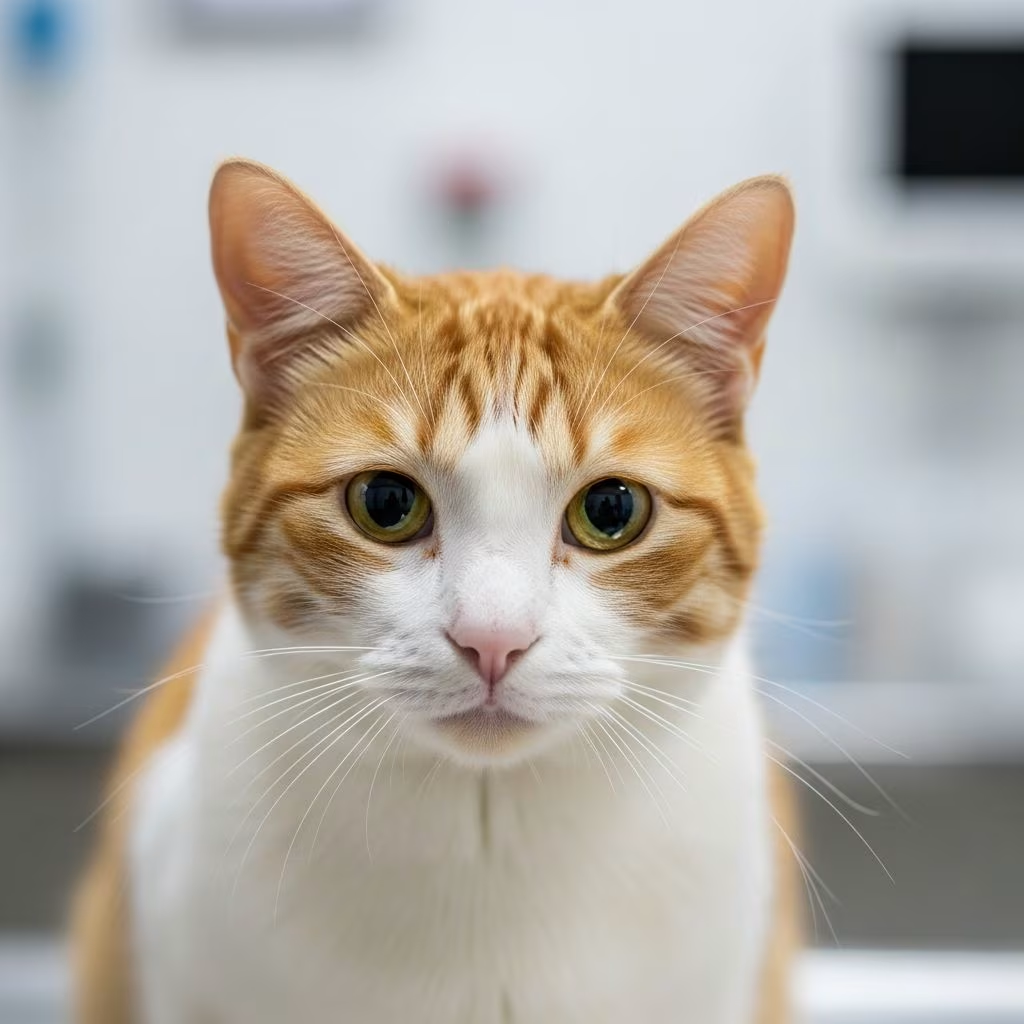
Understanding Feline Panleukopenia
Feline panleukopenia (FPL), commonly referred to as feline distemper, is a highly contagious viral disease that affects cats worldwide. This serious condition can be life-threatening, particularly in kittens and unvaccinated cats. Understanding the causes, recognizing clinical signs, and knowing treatment options are essential for cat owners and caregivers. Early recognition and aggressive supportive care significantly improve a cat’s chances of survival and recovery.
What Causes Feline Panleukopenia?
Feline panleukopenia is caused by a virus in the parvovirus family known as feline panleukopenia virus (FPLV). While a similar virus causes parvovirus disease in dogs, FPLV is distinct and primarily affects cats. This virus is remarkably robust and can survive in various environments for extended periods, making it a persistent threat in homes, shelters, and other facilities.
Virus Characteristics and Environmental Persistence
Parvoviruses are extraordinarily tough organisms that resist many common cleaning agents. The virus is only effectively killed by strong disinfectants, including 2% household bleach and accelerated hydrogen peroxide solutions. FPLV can survive in some environments for a year or more, which explains why thorough disinfection is critical after an infected cat has been present. This environmental persistence makes prevention and strict hygiene protocols essential components of disease management.
How the Virus Attacks the Body
FPLV attacks rapidly dividing cells in the body, which explains its devastating effects on specific tissue types. The virus primarily targets cells in the bone marrow, which produce red blood cells and platelets, as well as cells of the gastrointestinal tract. The bone marrow damage is particularly significant because it compromises the production of white blood cells, leading to the condition known as panleukopenia—a deficiency of all white cell populations. This immunosuppression makes affected cats vulnerable to secondary bacterial infections that further complicate their condition.
Clinical Signs of Feline Panleukopenia
Clinical signs of FPL can vary significantly depending on the severity of infection and the age of the affected cat. However, certain symptoms commonly appear and should prompt immediate veterinary attention.
Common Symptoms
The most frequently observed clinical signs include:
- Depression or listlessness, which may progress to collapse
- Loss of appetite
- High fever
- Severe vomiting and diarrhea
- Dehydration
- General malaise and lethargy
Affected cats often display a distinctive posture, hanging over the water dish, indicating their distress and attempts to address their fluid loss. The gastrointestinal symptoms are particularly severe because the virus destroys cells lining the intestines, leading to blood loss and nutrient malabsorption.
Secondary Complications
Often, cats with FPL develop additional infections because their compromised immune system cannot effectively fight off opportunistic pathogens. These secondary infections may result in purulent (green or yellow) discharge from the eyes and nose. In young kittens experiencing severe infections, sometimes the only observable clinical sign is sudden death, often before other symptoms become apparent.
Congenital Effects
In pregnant cats, FPLV infection can result in fetal death or severe developmental abnormalities in surviving kittens. Kittens that survive prenatal infection may develop abnormal development of the cerebellum, a region of the brain responsible for coordination and movement control. This condition, called cerebellar hypoplasia, results in tremors and an abnormal gait with exaggerated movements. Fortunately, affected cats adapt well to this neurological disability and can lead relatively normal lives with appropriate care and environmental modifications.
Disease Transmission
Understanding how FPL spreads is crucial for preventing infection and managing affected cats. The virus transmits primarily through the fecal-oral route, making environmental contamination a significant concern. Infected cats shed the virus in their feces, and other cats can become infected by coming into contact with contaminated materials, surfaces, or the infected cat’s bodily secretions.
Transmission Routes
Direct contact with infected feces is the primary transmission method, but the virus can also spread through:
- Contaminated litter boxes and litter material
- Food and water bowls used by infected cats
- Bedding and other environmental surfaces
- Human hands and clothing that have contacted infected cats or their waste
- Fomite transmission through any contaminated object
The environmental persistence of FPLV means that even after an infected cat has recovered or been removed, the virus may remain viable on surfaces for months, continuing to pose a transmission risk to other susceptible cats.
Can Feline Panleukopenia Be Treated?
Currently, there is no specific antiviral treatment that eliminates FPLV from an infected cat’s body. As with most viral diseases, treatment focuses on supportive care and management of symptoms while the cat’s immune system fights the infection. However, aggressive supportive care dramatically improves survival rates and recovery outcomes.
Supportive Care Measures
Effective management of FPL involves several critical components:
Fluid and Electrolyte Therapy
Dehydration and shock are life-threatening components of FPL. Restoration of fluid and electrolytes is often the most important symptomatic treatment. Severely ill cats require intravenous (IV) fluid therapy, with lactated Ringer’s solution being the preferred choice. In small kittens, intraoesophageal administration may be used. This aggressive fluid replacement addresses the severe fluid loss caused by vomiting and diarrhea and helps prevent shock and organ failure.
Antibiotic Therapy
While antibiotics cannot kill the virus, they play a crucial role in controlling secondary bacterial infections that commonly develop due to the lack of white blood cells and resulting reduced immunity. As the gut barrier is often destroyed in FPL-infected cats, intestinal bacteria can invade the bloodstream through a process called translocation, potentially leading to sepsis. Prevention of sepsis is essential, and a broad-spectrum antibiotic with proven efficacy against gram-negative and anaerobic bacteria is recommended. Common choices include ampicillin, amoxicillin/clavulanic acid, fluoroquinolones, or cephalosporins, administered parenterally when possible.
Anti-emetic Medications
If vomiting is present, anti-emetic medications should be administered to control nausea and vomiting, helping cats retain fluids and food. Common options include maropitant (Cerenia), metoclopramide, and ondansetron for severe cases of intractable vomiting. These medications are essential for allowing oral intake and nutritional support.
Nutritional Support
Oral intake of water and food should only be restricted if vomiting persists. Feeding should be continued as long as possible and restarted as soon as possible during recovery. A highly digestible diet is preferred, but any food intake is better than complete starvation. B vitamin supplements, particularly thiamine (vitamin B1), should be considered to prevent deficiencies that occasionally develop in cats with FPL.
Pain Management and Additional Care
Acid reducers such as famotidine may be included in treatment protocols to prevent stomach ulcers and manage gastrointestinal symptoms. Appetite stimulants may be recommended for cats that stop eating, which can further complicate recovery. Blood glucose should be monitored in kittens, and supplementation may be necessary. In severe cases, cats with anemia or significant protein loss may require blood transfusions.
Isolation and Barrier Nursing
Cats showing clinical signs of FPL should be kept in strict isolation with barrier nursing protocols to prevent fomite transmission to other animals. This is particularly critical in shelter and multi-cat household environments. Cats under treatment should remain isolated for at least 14 days, with more severe cases potentially requiring longer isolation periods to reach adoptability status.
Prognosis with Aggressive Care
The key to FPL recovery lies in the intensity and duration of supportive care provided during the initial stages of illness. If a cat receives aggressive supportive care through the critical early phases of disease, the prognosis for full recovery is good. However, treatment is intensive and often requires overnight monitoring and hospitalization for several days. Many kittens and unvaccinated cats do not survive FPL, with mortality rates in kittens reaching as high as 90%, making prevention through vaccination critically important.
Additional Treatment Considerations
Parasite Management
Many cats with panleukopenia also have parasite infestation, especially those originating from shelter environments. Fecal examinations and appropriate anthelmintic treatment using medications such as fenbendazole, milbemycin-praziquantel, or imidacloprid-moxidectin should be considered, as intestinal parasitism is a common comorbidity that can complicate recovery.
Passive Immunization
In some cases, passive immunization with anti-FPV serum can be administered subcutaneously or intraperitoneally to provide temporary protection lasting 2 to 4 weeks. However, cats that have received passive immunization should not be vaccinated within the first three weeks after treatment, as administered immunoglobulins will bind to parvoviral epitopes and interfere with vaccine effectiveness.
Prevention Through Vaccination
Prevention remains the most effective strategy against feline panleukopenia. Vaccination is the primary defense against this serious disease. Current FPL vaccines provide protection against both feline panleukopenia virus and variants of canine parvovirus (CPV-2a, CPV-2b, CPV-2c) that can infect cats and cause disease. Following recommended vaccination schedules and maintaining appropriate booster immunizations significantly reduce the risk of infection.
Frequently Asked Questions
Q: How is feline panleukopenia transmitted between cats?
A: FPL is transmitted primarily through the fecal-oral route. Infected cats shed the virus in their feces, and other cats become infected through contact with contaminated litter, surfaces, food and water bowls, bedding, or by contact with infected cats’ bodily secretions. The virus can also spread via contaminated human hands and clothing.
Q: How long can FPLV survive in the environment?
A: FPLV can survive in some environments for a year or more, making thorough disinfection essential. The virus is only effectively killed by strong disinfectants including 2% household bleach and accelerated hydrogen peroxide solutions.
Q: What is the mortality rate for kittens with feline panleukopenia?
A: Mortality rates in kittens can be as high as 90%, making FPL a serious threat to young cats. Unvaccinated adult cats also face significant mortality risk. Immediate veterinary intervention and aggressive supportive care improve survival chances considerably.
Q: Can antibiotics cure feline panleukopenia?
A: No, antibiotics cannot cure FPL because they do not kill viruses. However, antibiotics are essential for controlling secondary bacterial infections that develop due to the compromised immune system and can prevent life-threatening sepsis.
Q: How long does treatment for feline panleukopenia typically last?
A: Treatment is intensive and often requires hospitalization and overnight monitoring for several days. Cats should remain in isolation for at least 14 days, with more severe cases potentially requiring longer recovery periods before reaching adoptability or returning home.
Q: What happens if a pregnant cat contracts feline panleukopenia?
A: Infection in pregnant cats can result in fetal death or serious developmental abnormalities in surviving kittens, including cerebellar hypoplasia, which causes tremors and abnormal gait. However, affected cats can adapt well to this condition and lead relatively normal lives.
References
- Feline Panleukopenia — VCA Animal Hospitals. 2025. https://vcahospitals.com/know-your-pet/feline-panleukopenia
- GUIDELINE for Feline Panleukopenia — ABCD (Advisory Board on Cat Diseases). 2025. https://www.abcdcatsvets.org/guideline-for-feline-panleukopenia/
- Feline Panleukopenia — American Veterinary Medical Association. 2025. https://www.avma.org/resources-tools/pet-owners/petcare/feline-panleukopenia
- Feline Panleukopenia — ASPCApro. 2025. https://www.aspcapro.org/topics-shelter-medicine-specific-conditions/feline-panleukopenia
- How to Help Kittens with Panleukopenia — Kitten Lady. 2025. https://www.kittenlady.org/panleuk
- Feline Panleukopenia — Koret Shelter Medicine Program. 2025. https://www.sheltermedicine.com/library/resources/feline-panleukopenia
- Treatment and Outcomes of Sheltered Cats with Feline Panleukopenia — Journal of Shelter Medicine and Community Animal Health. 2025. https://jsmcah.org/index.php/jasv/article/view/132



