

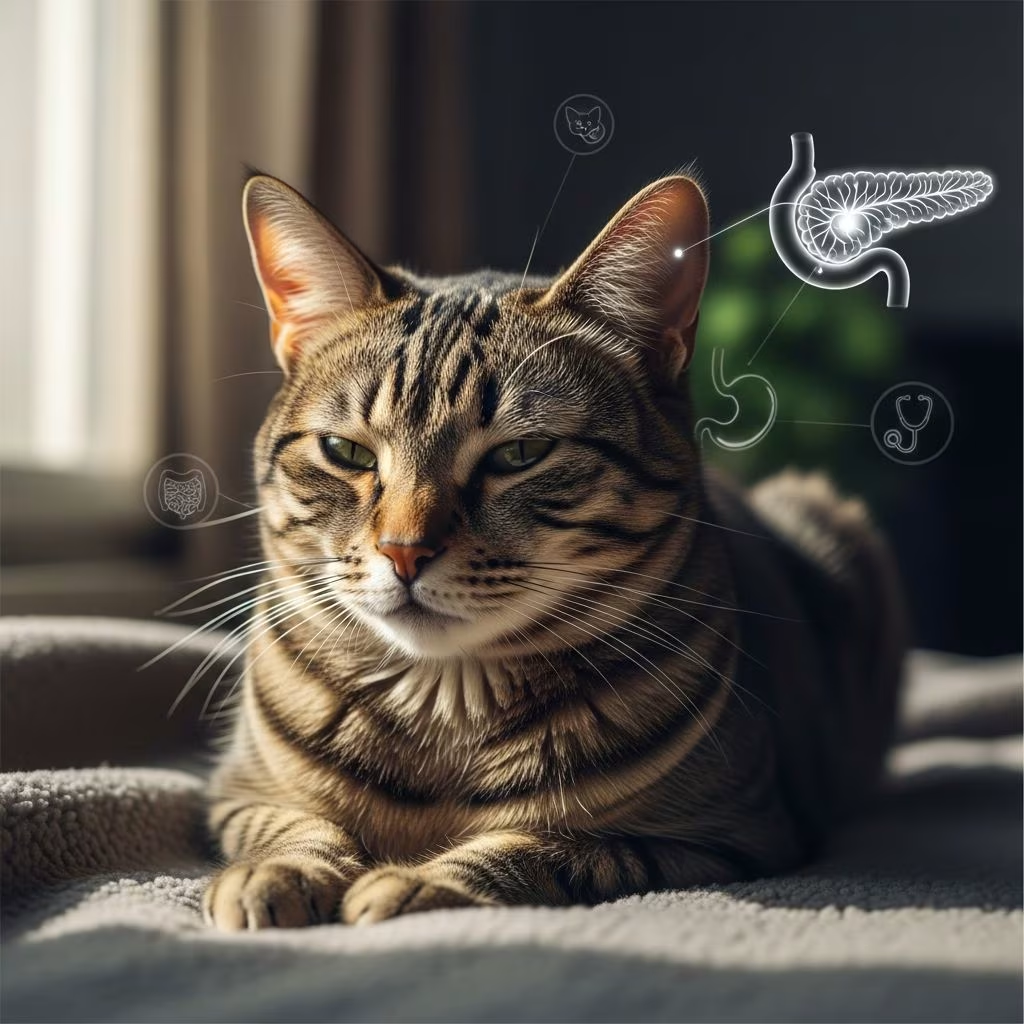
Pancreatitis in cats involves inflammation of the pancreas, a vital organ that produces digestive enzymes and hormones like insulin. This condition, once thought rare, is now recognized as common and can range from mild discomfort to life-threatening illness. Early detection through vigilant observation of subtle signs is key to effective management and recovery.
The Role of the Pancreas in Cat Health
The pancreas sits near the stomach and small intestine, secreting enzymes to break down proteins, fats, and carbohydrates, while also regulating blood sugar via insulin and glucagon. When inflamed, these enzymes can activate prematurely, digesting pancreatic tissue itself and causing widespread issues. Cats’ unique physiology makes them prone to hiding pain, complicating timely intervention.
Common Triggers Behind Pancreatic Inflammation
Pinpointing the exact cause proves challenging in most feline cases, with many labeled idiopathic. Potential contributors include:
- Concurrent diseases: Conditions like inflammatory bowel disease (IBD), diabetes mellitus, or liver disorders heighten risk, as inflammation spreads within the abdominal triad of pancreas, intestines, and liver.
- Trauma or surgery: Physical injury or recent abdominal procedures can initiate acute episodes.
- Toxins and infections: Exposure to lilies, organophosphates, household cleaners, or bacterial/viral agents may provoke attacks.
- Genetic factors: Breeds such as Siamese show predisposition, suggesting hereditary elements.
- Obesity and diet: High-fat meals or excess weight strain the organ, though low-fat diets aren’t universally required unless comorbidities exist.
Understanding these multifactorial origins underscores the need for holistic health monitoring.
Recognizing Subtle Indicators of Trouble
Cats excel at masking illness, so pancreatitis often presents vaguely, mimicking other ailments. Key symptoms include:
- Lethargy and behavioral shifts: Reduced activity, hiding, stiff movements, or reluctance to jump.
- Anorexia or hyporexia: Refusal to eat, even for a day, risks hepatic lipidosis—a fat accumulation in the liver that can be fatal.
- Gastrointestinal disturbances: Vomiting (less frequent than in dogs), diarrhea, or hunched postures indicating abdominal pain.
- Dehydration signs: Tacky gums, skin tenting, or sunken eyes.
- Advanced indicators: Jaundice (yellowing of eyes/skin), fever, or rapid breathing in severe cases.
| Symptom | Why It Matters | Action Step |
|---|---|---|
| Lethargy | Signals systemic inflammation | Monitor for 24 hours; vet if persists |
| Appetite loss | Leads to liver disease quickly | Offer warmed food; seek vet immediately |
| Vomiting/Diarrhea | Causes dehydration | Fluids and anti-emetics needed |
| Abdominal guarding | Pain confirmation | Pain relief essential |
Owners noting clusters of these signs should consult a vet promptly, as delays exacerbate outcomes.
Diagnostic Approaches for Confirmation
Veterinarians employ a multi-modal strategy due to no single definitive test. Initial steps involve bloodwork assessing pancreatic enzymes (though often normal), liver values, and inflammatory markers like fPLI (feline pancreatic lipase immunoreactivity), which boasts high specificity. Imaging such as ultrasound reveals pancreatic swelling or structural changes, while radiographs rule out obstructions. Biopsies, though invasive, provide certainty in chronic cases. Recent consensus emphasizes combining these for accuracy, as standalone tests falter.
Core Treatment Strategies in Veterinary Settings
Treatment prioritizes stabilization over cure, tailored to severity. Hospitalization is common for acute cases:
- Fluid therapy: IV or subcutaneous fluids correct dehydration and electrolyte imbalances, crucial for organ perfusion.
- Pain control: Analgesics like buprenorphine alleviate suffering, enabling appetite return.
- Antiemetics: Drugs such as maropitant curb nausea and vomiting.
- Nutritional intervention: Early enteral feeding prevents lipidosis; appetite stimulants, syringe feeding, or esophagostomy tubes ensure intake.
- Adjuncts: Antibiotics for secondary infections, corticosteroids for immune-mediated flares, or calcium supplementation if hypocalcemia arises.
Mild cases may manage outpatient with oral meds and diet tweaks.
Nutrition’s Pivotal Role in Recovery
Cats cannot fast without peril; protocols stress resuming eating within 48 hours. Ideal diets feature:
- Highly digestible, moderate-protein formulas to ease pancreatic workload.
- Small, frequent meals warmed to enhance appeal.
- Avoiding abrupt changes to prevent relapse.
Vet-prescribed gastrointestinal-supportive foods often prove optimal, with fat restriction only if hyperlipidemia coexists.
Potential Complications and Long-Term Risks
Untreated or severe pancreatitis invites secondary issues:
- Hepatic lipidosis: Starvation-induced liver fat buildup, demanding aggressive feeding.
- Diabetes: Insulin-producing cell damage necessitates lifelong management.
- Bile duct issues: Obstruction causing jaundice may require surgery.
- Chronic form: Recurrent flares leading to scarring and fibrosis.
Monitoring post-recovery mitigates these via regular bloodwork and ultrasounds.
Home Management and Recovery Roadmap
Discharge plans empower owners:
- Administer meds meticulously, using apps for reminders.
- Provide quiet, stress-free spaces with easy litter access.
- Track intake, output, weight, and symptoms in a journal.
- Introduce recovery diets gradually, supplemented by broths.
- Schedule follow-ups for progress checks.
Recovery spans days for mild cases to weeks for severe, with rest vital.
Prevention Tactics for Lifelong Pancreatic Health
Proactive steps reduce incidence:
- Maintain ideal weight through portion control and activity.
- Use vet-approved diets, avoiding table scraps.
- Secure toxins like lilies and chemicals.
- Manage comorbidities like IBD or diabetes diligently.
- Annual wellness exams catch subclinical issues early.
Frequently Asked Questions
Is feline pancreatitis fatal?
With prompt care, prognosis is good; severe cases carry 10-40% mortality, per consensus data.
Can cats relapse?
Yes, especially chronically affected ones; trigger avoidance is key.
Is it contagious?
No, it’s not transmissible to cats, dogs, or humans.
What diet aids prevention?
Balanced, digestible kibble or wet food; consult vets for specifics.
How soon should I worry about no eating?
Within 24-48 hours; vets recommend immediate evaluation.
Prognosis and Ongoing Vigilance
Most cats rebound fully with intervention, though chronic cases demand lifelong management. Owners play a crucial role in spotting recurrences early, ensuring quality life through informed care.
References
- Feline Pancreatitis — Cornell University College of Veterinary Medicine. 2023. https://www.vet.cornell.edu/departments-centers-and-institutes/cornell-feline-health-center/health-information/feline-health-topics/feline-pancreatitis
- Pancreatitis in Dogs and Cats — Merck Veterinary Manual. 2024. https://www.merckvetmanual.com/digestive-system/the-exocrine-pancreas/pancreatitis-in-dogs-and-cats
- ACVIM Consensus Statement on Pancreatitis in Cats — PMC/NCBI. 2021-03-22. https://pmc.ncbi.nlm.nih.gov/articles/PMC7995362/
- Treatment Recommendations for Feline Pancreatitis — Veterinary PDF Resource. 2023. https://cms4.netnews.cz/files/attachments/67030/22719-Treatment-Recommendations-for-Feline-Pancreatitis.pdf
- Understanding Feline Pancreatitis: Symptoms and Care — Star of Texas Veterinary Hospital. 2024. https://staroftexasvet.com/understanding-feline-pancreatitis-symptoms-and-care/
- A Guide to Feline Pancreatitis — Melbourne Cat Vets. 2024. https://www.melbournecatvets.com.au/post/a-guide-to-feline-pancreatitis-what-cat-owners-should-know



