

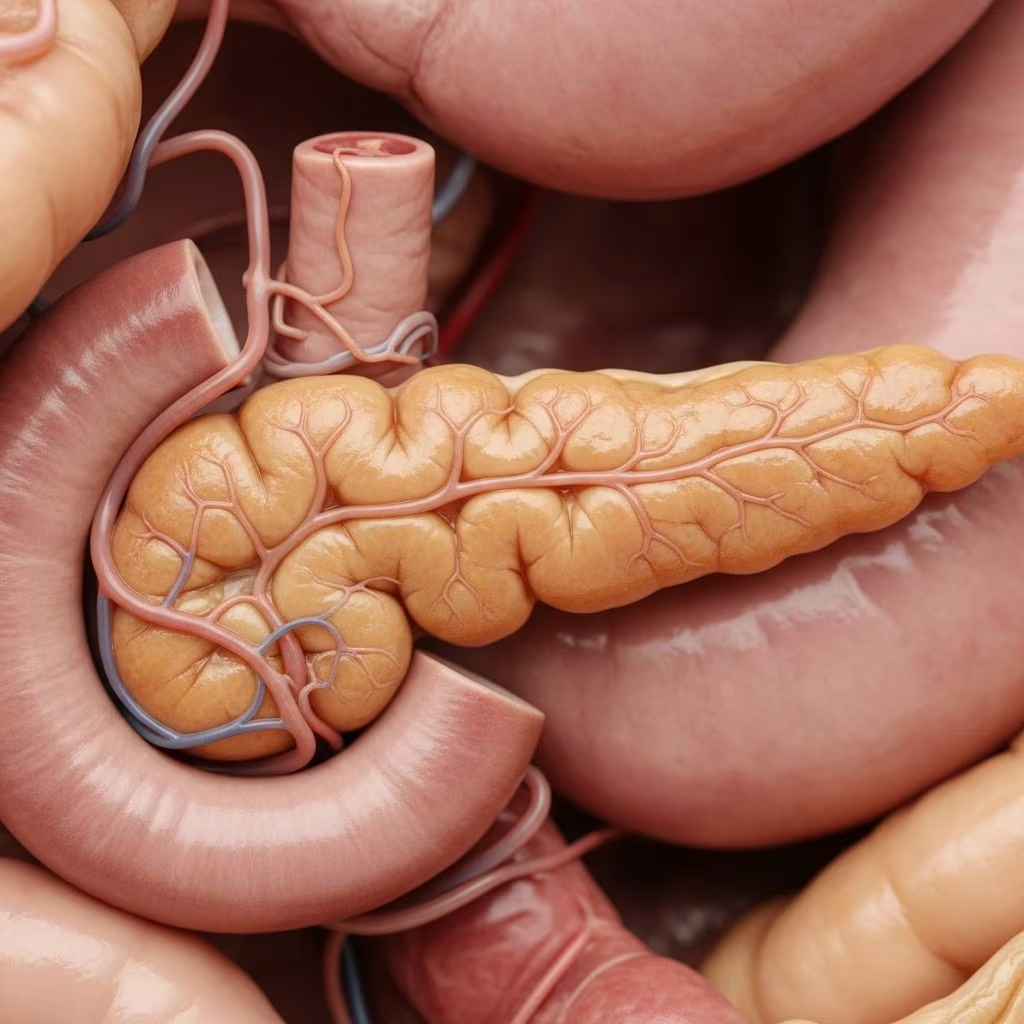
The pancreas in cats is a crucial organ that manages digestion and blood glucose levels through its dual exocrine and endocrine roles. Understanding its structure and functions helps cat owners recognize potential health issues early.
Anatomy of the Cat Pancreas
Cats possess a unique pancreatic structure adapted to their carnivorous diet. The organ consists of two primary lobes: the right lobe positioned near the duodenum’s descending segment and the left lobe adjacent to the stomach. A small central section connects these lobes, forming a thin, elongated shape resembling a boomerang with a hook at the end of the right lobe. This pale pink gland weighs only 6 to 8 ounces and lies in the upper abdominal cavity, close to the liver, small intestine, colon, gallbladder, and esophagus.
Microscopically, the pancreas features lobules of cells that produce digestive enzymes stored in granules. These enzymes exit via two ducts: the pancreatic duct (primary in cats) and an accessory duct, which merge into the main pancreatic duct entering the duodenum at the major duodenal papilla, often alongside the bile duct. Unlike dogs, where the accessory duct dominates, 80% of cats rely solely on the pancreatic duct, reflecting distinct embryological development.
Dual Functions: Exocrine and Endocrine Roles
The cat pancreas performs exocrine functions by secreting pancreatic juice into the intestine. This juice contains enzymes for breaking down proteins, fats, and carbohydrates, plus bicarbonate to neutralize stomach acid. Secretion triggers include neural signals from food anticipation and hormonal responses like secretin (for bicarbonate) and cholecystokinin (CCK) (for enzymes), stimulated by food entering the small intestine.
Endocrine functions involve hormone production from islets of Langerhans. Key hormones include insulin (lowers blood glucose by facilitating cellular uptake), glucagon (raises blood glucose during lows), and somatostatin (modulates insulin, growth hormone, and digestive enzymes). These enter the bloodstream directly, maintaining glucose homeostasis essential for a cat’s high-protein diet.
| Function Type | Main Components | Key Outputs | Delivery Method |
|---|---|---|---|
| Exocrine | Acinar cells | Digestive enzymes, bicarbonate | Ducts to duodenum |
| Endocrine | Islets of Langerhans | Insulin, glucagon, somatostatin | Directly into bloodstream |
Common Pancreatic Disorders in Cats
Pancreatic diseases pose significant risks to cats. Pancreatitis, inflammation of the pancreas, disrupts enzyme and hormone production. Acute cases cause sudden pain and vomiting; chronic forms lead to weight loss and diabetes. Diabetes mellitus arises from insulin deficiency or resistance, often linked to obesity or genetics.
- Pancreatitis Triggers: High-fat meals, infections, trauma, or concurrent diseases like inflammatory bowel disease.
- Diabetes Signs: Excessive thirst, urination, and appetite changes with weight loss.
Recognizing Symptoms of Pancreatic Problems
Early detection improves outcomes. Pancreatitis symptoms include lethargy, dehydration, abdominal pain (hunched posture), vomiting, and diarrhea. Cats may hide or vocalize discomfort. Diabetic cats show polyuria, polydipsia, and polyphagia.
Subtle chronic signs like poor coat quality or intermittent appetite loss often delay diagnosis. Owners should monitor for changes post-meal or after dietary indiscretions.
Diagnostic Approaches for Pancreatic Health
Veterinarians use blood tests like feline pancreatic lipase immunoreactivity (fPLI) for pancreatitis specificity. Ultrasound reveals inflammation or masses; glucose curves and fructosamine assess diabetes. Biopsies confirm chronic issues.
- Physical exam for abdominal tenderness.
- Lab panels: elevated lipase, amylase, or glucose.
- Imaging: ultrasound or radiographs.
- Specialized tests: SPEC-FPL or TLI for exocrine function.
Treatment Strategies for Pancreatic Conditions
Acute pancreatitis requires hospitalization with IV fluids, pain relief, anti-nausea drugs, and nutritional support. Early enteral feeding prevents further damage. Chronic cases involve low-fat diets and enzyme supplements.
Diabetes management includes insulin injections, diet control, and monitoring. Prognosis varies; mild cases resolve, but severe ones may recur.
Preventive Measures and Home Care
Maintain ideal weight with high-quality, moderate-fat diets. Avoid table scraps. Regular vet check-ups catch issues early. Vaccinations and parasite control reduce secondary risks.
- Feed portion-controlled meals twice daily.
- Provide fresh water always.
- Monitor weight and litter box habits weekly.
Nutritional Support for Pancreatic Health
Prescription diets with hydrolyzed proteins ease digestion. Omega-3 fatty acids reduce inflammation. Probiotics support gut-pancreas axis balance.
FAQs
What causes pancreatitis in cats?
Idiopathic in many cases, but triggers include fatty foods, medications, or infections.
Can cats recover from pancreatitis?
Yes, with prompt treatment; 80-90% acute cases improve.
How is feline diabetes different from canine?
Cats often develop type 2 diabetes reversible with weight loss, unlike dogs’ type 1.
Is surgery needed for pancreatic issues?
Rarely; medical management suffices unless abscesses or tumors present.
Can diet prevent pancreatic disease?
Balanced nutrition reduces risks by avoiding fat overload.
References
- Structure and Function of the Pancreas in Cats — PetPlace.com. Accessed 2026. https://www.petplace.com/article/cats/pet-health/structure-and-function-of-the-pancreas-in-cats
- Cat Pancreas: Feline Anatomy Explained (Vet-Reviewed) — Catster. Accessed 2026. https://www.catster.com/cat-health-care/cat-pancreas/
- Feline Pancreatitis (Proceedings) — DVM360. Accessed 2026. https://www.dvm360.com/view/feline-pancreatitis-proceedings-0
- Review of Feline Pancreatitis Part One: The Normal Feline Pancreas — PMC (NCBI). 2024. https://pmc.ncbi.nlm.nih.gov/articles/PMC10845372/
- Anatomy and Function of the Pancreas in Dogs and Cats — FirstVet. Accessed 2026. https://firstvet.com/us/articles/what-is-the-pancreas-and-why-is-it-important
- Overview of the Pancreas in Animals — Merck Veterinary Manual. Accessed 2026. https://www.merckvetmanual.com/endocrine-system/the-pancreas/overview-of-the-pancreas-in-animals



