

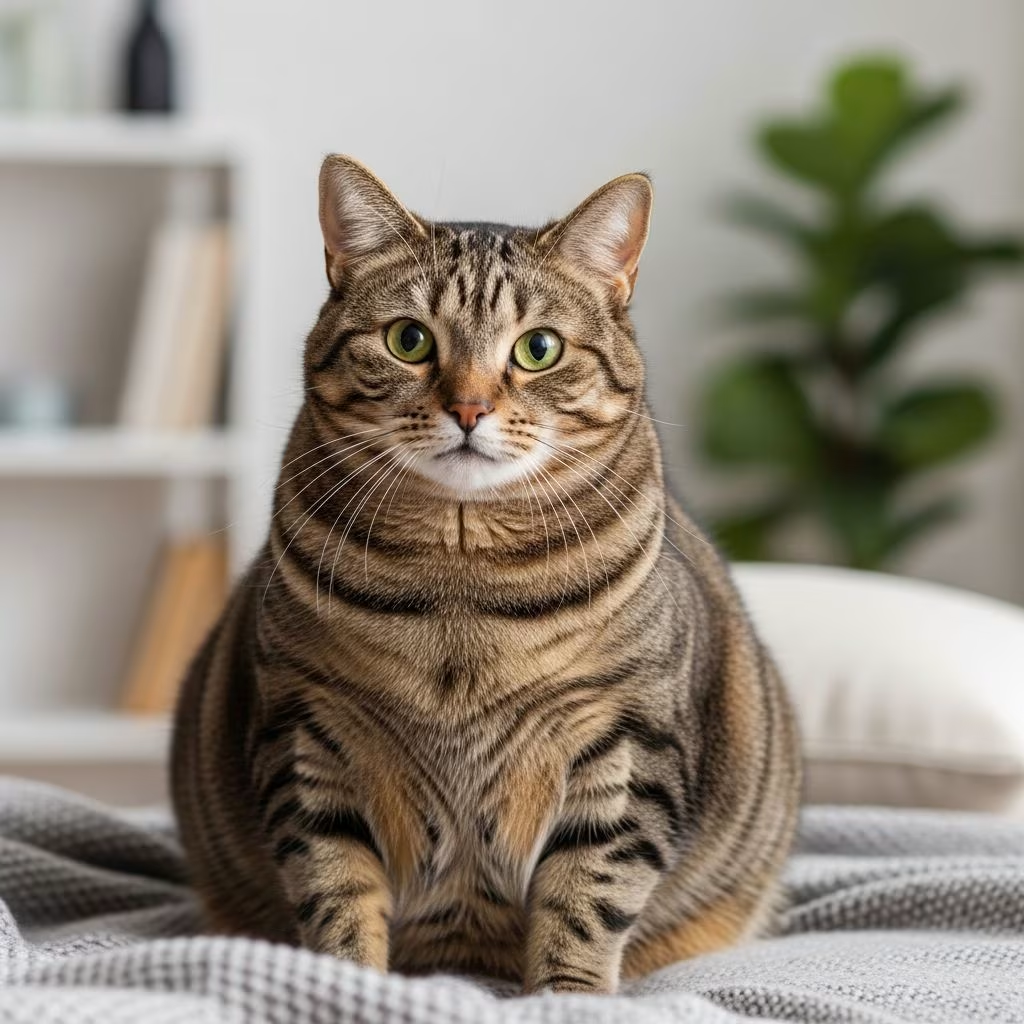
Obesity in domestic cats has surged to epidemic levels, impacting more than 50% of cats in the United States and posing severe threats to their well-being. This condition shortens lifespans, reduces mobility, and triggers multiple chronic diseases, yet it remains highly preventable through informed owner actions.
The Scale of the Problem: Prevalence and Trends
Recent veterinary data reveals that between 50% and 63% of pet cats qualify as overweight or obese, defined as exceeding ideal body weight by 20% or more. In the U.S., half of cats aged 5-10 years fall into this category, with global trends mirroring this rise due to modern lifestyles. Indoor living, which keeps felines sedentary, combined with readily available high-calorie foods, has fueled this crisis. Studies from peer-reviewed sources confirm that neutered indoor cats face the highest risks, with prevalence climbing steadily over decades.
Owners often underestimate their cat’s weight status. Many perceive plump felines as “healthy” or “happy,” delaying intervention until health complications emerge. This misperception exacerbates the issue, as early detection via body condition scoring (BCS) on a 9-point scale—where scores above 7 indicate obesity—can reverse trends effectively.
Why Cats Gain Excess Weight: Core Contributors
Several interconnected factors drive feline weight gain. Neutering tops the list, as it reduces metabolic rates by up to 25% and curbs activity levels. Males are particularly prone, gaining more weight due to lower insulin sensitivity. Age plays a role too; middle-aged cats (4-10 years) slow down naturally, burning fewer calories despite unchanged appetites.
- Dietary Excess: High-fat, energy-dense kibble and unlimited treats mimic wild prey’s caloric profile but ignore cats’ low daily needs (200-300 kcal for adults). Ad libitum feeding leads to overconsumption.
- Sedentary Habits: Indoor confinement limits natural hunting, replacing it with naps. Neutered cats move 30-50% less post-surgery.
- Owner Influence: Treats for affection or boredom account for 20-30% of daily intake, often overlooked in calorie counts.
- Breed and Genetics: Certain breeds like Persians show predispositions, though lifestyle overrides genetics in most cases.
Research emphasizes high-fat diets over carbs as primary culprits, prompting recommendations for lower-energy growth formulas to curb gains.
Health Consequences: A Cascade of Complications
Excess fat isn’t merely cosmetic; it unleashes systemic damage. Obese cats face 2.8 times higher mortality risk, with lifespans shortened by years. Mechanical strain from fat overloads joints and organs, while metabolic shifts spark inflammation and insulin dysfunction.
| Condition | Risk Increase | Symptoms | Source |
|---|---|---|---|
| Diabetes (Type 2) | 2-4x | Thirst, urination, appetite surge despite weight loss | |
| Arthritis/Osteoarthritis | Majority of seniors affected | Limping, reluctance to jump, litter avoidance | |
| Heart Disease/Hypertension | Elevated | Breathing issues, lethargy | |
| Urinary Issues | 8.3x for uroliths in neutered | Infections, blockages, straining | |
| Liver Lipidosis | Life-threatening if fasting | Jaundice, vomiting |
Additional perils include skin disorders (2.3x risk from poor grooming), chronic kidney disease, and cancer links via insulin resistance. Even anesthesia risks rise, complicating surgeries. Radiographs show 61% of older cats have OA, often undetected without symptoms.
Spotting Trouble: Signs and Assessment Tools
Early signs include a sagging belly, inability to feel ribs easily, or a round face. Use the BCS: ideal is 4-5/9, where ribs are palpable without excess fat, waist visible from above, and abdominal tuck present. Veterinary weigh-ins confirm ideal weights (typically 8-11 lbs for adults, varying by frame).
- Rib check: Feel without pressing hard.
- Profile view: Notice waist narrowing.
- Overhead: See hourglass shape.
Home scales work for trends, but vet tools like DEXA scans pinpoint fat distribution, crucial for metabolically unhealthy obesity (MUO) cases with abdominal fat buildup.
Turning the Tide: Effective Weight Loss Strategies
Weight reduction demands a vet-supervised plan aiming for 1-2% body weight loss weekly to avoid hepatic lipidosis. Calorie restriction to 70-80% of maintenance, paired with exercise, yields success.
- Food Transition: Switch to prescription low-calorie diets (e.g., high-protein, low-fat). Measure portions precisely; no free-feeding.
- Activity Boost: Interactive toys, laser pointers, or scheduled play sessions (15-30 min daily) mimic hunting. Vertical spaces encourage climbing.
- Treat Control: Limit to 10% of calories; use veggies or dilute with air-popped popcorn.
- Multi-Cat Homes: Feed separately to prevent competition eating.
- Monitoring: Monthly weigh-ins, BCS checks.
Studies affirm calorie restriction extends life; cats on 25% reduced intake thrive longer. Pharmac aids like miratazapine may assist appetite in picky eaters, but diet remains king.
Preventing Obesity: Long-Term Owner Habits
Prevention beats cure. Spay/neuter post-growth with metabolic adjustments. Choose energy-controlled foods, enforce mealtimes, and integrate play into routines. Educate on BCS for lifelong monitoring. Indoor cats benefit from puzzle feeders simulating foraging, curbing boredom eating.
Breed-specific needs matter; consult vets for tailored plans. Community efforts, like awareness campaigns, are reducing rates where implemented.
FAQs on Cat Weight Management
Is my cat obese if they look fluffy?
No—feel the ribs. Excess fat hides them; consult a vet for BCS.
How fast should my cat lose weight?
1-2% per week max to prevent liver issues. Vet guidance essential.
Can obese cats develop diabetes?
Yes, 2-4x risk from insulin resistance. Early weight loss reverses it often.
What if my cat won’t eat diet food?
Mix gradually, add warm water for appeal, or use vet-prescribed enhancers.
Does exercise alone suffice?
No—combine with calorie control for sustainable results.
Real Owner Transformations: Success Stories
Many cats drop 20-30% weight in 6 months with consistent plans, regaining jump ability and playfulness. Vets report diabetes remission in 80% of early cases post-loss. These wins underscore owner commitment’s power.
References
- Feline Obesity: The Health Risks and How to Help Your Cat Lose Weight — Parker Veterinary Clinic. 2023. https://parker-vet.com/feline-obesity-the-health-risks-and-how-to-help-your-cat-lose-weight/
- Overweight and obesity in domestic cats: epidemiological risk factors — National Institutes of Health (PMC). 2024-10-15. https://pmc.ncbi.nlm.nih.gov/articles/PMC11577473/
- “Fat Cats”: Facts about Feline Obesity — Rhinebeck Animal Hospital. 2023. https://rhinebeckanimalhospital.com/blog/16403-fat-cats-facts-about-feline-obesity
- Health Risks of Excessive Weight in Dogs and Cats — Pet Obesity Prevention. 2023. https://www.petobesityprevention.org/articlesandnews/health-risks-of-excessive-weight-in-dogs-and-cats
- Obesity — Cornell University College of Veterinary Medicine. 2024. https://www.vet.cornell.edu/departments-centers-and-institutes/cornell-feline-health-center/health-information/feline-health-topics/obesity
- Feline Obesity Management: Causes, Risks, Veterinary Strategies — Zoetis US. 2024. https://www.zoetisus.com/petcare/blog/feline-obesity-management-causes-risks-veterinary-strategies/



