

Cats are complex creatures with distinct personalities and sensitivity thresholds. One common behavioral challenge that many cat owners encounter is overstimulation, a state where feline sensory systems become overwhelmed by environmental stimuli or physical interaction. Understanding this phenomenon is essential for maintaining a healthy relationship with your pet and preventing behavioral issues that can strain the bond between you and your feline companion.
Defining Overstimulation in Cats
Overstimulation occurs when a cat’s nervous system becomes overwhelmed by sensory input, leading to unpredictable and often sudden behavioral changes. This response represents the cat’s way of communicating that their tolerance level has been exceeded. Unlike humans who can verbally express discomfort, cats rely on physical signals and behavioral cues to indicate when they need space and relief from stimulation.
The condition is not indicative of aggression or poor temperament but rather a natural protective mechanism. When a cat reaches their overstimulation threshold, they may transition from a calm or playful state to one characterized by anxiety, fear, or defensive behaviors. This response typically resolves within a few minutes to half an hour once the triggering stimulus is removed, allowing the cat to return to their normal baseline behavior.
Common Triggers for Feline Overstimulation
Identifying what causes your cat to become overstimulated is the first step toward preventing these episodes. Several environmental and interactive factors can push a cat beyond their comfort zone:
- Extended petting sessions – Continuous stroking in sensitive areas can trigger overstimulation, particularly if the cat initially enjoyed the contact
- Rough or vigorous play – Intense play sessions with toys or with other animals can escalate arousal levels beyond what the cat can manage
- Excessive noise exposure – Loud sounds from vacuum cleaners, thunderstorms, fireworks, or barking dogs overwhelm auditory senses
- Bright or flashing lights – Visual stimuli including intense illumination or strobe effects can trigger defensive responses
- Major household disruptions – Relocating furniture, renovations, introducing new pets, or moving to a new home creates sustained environmental stress
- Presence of unfamiliar people or animals – Multiple individuals or new pets in the environment increase sensory complexity
- Lack of mental enrichment – Bored cats with insufficient environmental stimulation may become hypersensitive to normal interactions
Physical Indicators of Overstimulated Cats
Cats communicate their emotional state through distinctive body language patterns. Recognizing these physical signs allows cat owners to intervene before behaviors escalate to aggressive or fearful responses.
Eye Changes and Pupil Response
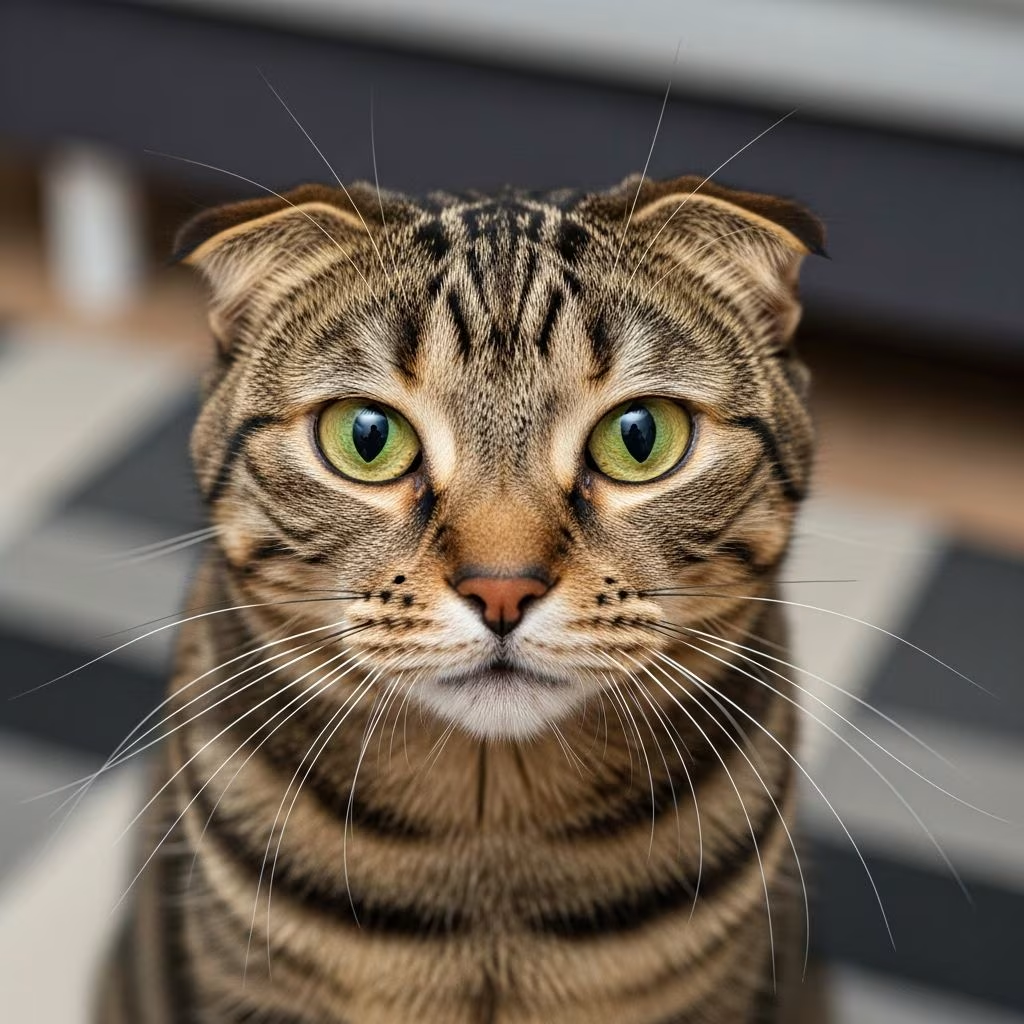
One of the most noticeable indicators of overstimulation involves the eyes. An overstimulated cat typically displays significantly dilated pupils that appear as full circles rather than the narrow slits seen in normal states. The eyes themselves may appear wider open than usual, giving the cat a hyper-alert appearance. This pupil dilation represents an involuntary physiological response to sensory overload, similar to how human pupils dilate under stress.
Ear Positioning and Movement
The ears provide clear visual cues about a cat’s emotional state. As overstimulation develops, ears typically flatten against the head in what many cat owners recognize as “airplane ears” or shift from their normal upright position. Some cats may also display ear twitching or rapid movements of the ear pinnae in response to perceived threats or excessive stimulation. This ear posture signals that the cat feels defensive or uncomfortable.
Tail Behavior Patterns
The tail serves as a dynamic communication tool for feline mood and arousal levels. Watch for these tail-related changes:
- Rapid swishing or twitching that accelerates as stimulation increases
- Tail puffing or fluffing, particularly at the base
- Upright tail position with slight bristling
- Quick, jerky tail movements replacing the slower, deliberate movements typical of calm cats
Skin and Coat Manifestations
Physical tension manifests in the cat’s fur and skin texture. The coat may appear to ripple or twitch, especially across the back and hindquarters. This piloerection (fur standing on end) represents involuntary muscle contractions in response to heightened arousal or fear. Some cats display localized skin twitching before escalating to more obvious behavioral responses.
Behavioral and Vocal Warning Signs
Beyond physical manifestations, overstimulated cats display distinctive behaviors that provide crucial warning signs:
| Behavioral Sign | What It Indicates | Recommended Response |
|---|---|---|
| Body stiffening or freezing | Cat is assessing the situation before responding | Stop interaction immediately |
| Low growling or hissing | Escalating aggression or fear response | Create distance; offer safe space |
| Quick head turns toward your hand | Tracking movement before potential bite | Withdraw hand; end petting session |
| Frenetic activity or “zoomies” | Excess energy manifesting as hyperactivity | Allow safe space for movement; redirect to toys |
| Pouncing or sudden aggression | Cat redirecting energy into play-like behaviors | Use toys on wands; maintain distance |
| Scratching or biting | Defensive response or escalated play aggression | Cease interaction; do not restrain |
Vocalization patterns also shift in overstimulated cats. Your cat may produce loud meows or yowling sounds that differ from their normal communication patterns. Some cats emit low growls as a warning before escalating to physical aggression. These vocalizations serve as crucial alerts that should never be ignored.
Early Detection: Subtle Pre-Aggression Signals
The most effective approach to managing overstimulation involves recognizing early warning signs before behaviors escalate to biting, scratching, or defensive posturing. Pay close attention to these subtle indicators that your cat is approaching their threshold:
- Slight tension in the body or muscles tightening
- Pupils beginning to dilate beyond their normal size
- Ears rotating backward or to the sides
- Slow tail swishing that gradually increases in speed
- Gaze becoming fixed on your hand as it approaches
- Skin rippling across the back in waves
- Subtle shifting away from the source of touch
- Brief pause in purring or change in vocalization patterns
De-escalation Techniques and Management Strategies
Immediate response to overstimulation signs prevents injury and protects the cat-human relationship. When you recognize warning signs, take these actions:
Stopping Physical Interaction
The most important intervention is immediately ceasing whatever activity triggered the overstimulation. Stop petting, put down the toy, or create distance between yourself and your cat. Continuing interaction despite warning signs often results in escalated aggression and teaches your cat that their communication attempts are not being respected.
Providing Safe Retreat Spaces
Ensure your cat has access to quiet areas where they can decompress without pressure from household members or other pets. This might include a separate room, a cat tree in a corner, or an enclosed bed where your cat can feel secure while their nervous system returns to baseline.
Environmental Modification
Reduce sensory input in your home by minimizing loud noises, using dimmer switches to control lighting, and creating predictable routines. These modifications benefit not only overstimulation-prone cats but enhance the comfort level for all household pets.
Petting Technique Adjustments
When your cat enjoys petting sessions, use gentle stroking in long directions with the fur rather than against it. Avoid sensitive areas like the belly, base of the tail, and hind legs unless your specific cat enjoys these areas. Keep petting sessions shorter than you might initially assume, aiming for 5-10 minutes rather than extended sessions that may trigger overstimulation.
Frequently Asked Questions About Feline Overstimulation
Q: Is overstimulation the same as aggression?
A: While overstimulation can result in aggressive-appearing behaviors, it represents a different phenomenon than true aggression. Overstimulation is a sensory response where the cat feels overwhelmed, whereas aggression stems from territorial defense, fear, or predatory instincts. Understanding this distinction helps owners respond appropriately without misinterpreting their cat’s behavior.
Q: Do all cats have the same overstimulation threshold?
A: No, cats vary dramatically in their sensory sensitivity and tolerance for handling. Some cats enjoy extensive petting and play, while others reach their threshold quickly. Your individual cat’s preferences should guide your interactions rather than generalizations about typical cat behavior.
Q: How long does overstimulation typically last?
A: Overstimulation episodes usually resolve within 5 to 30 minutes once the triggering stimulus is removed. After this period, your cat should return to their normal behavior and demeanor. If behavioral changes persist longer, consult your veterinarian to rule out underlying medical conditions.
Q: Can overstimulation be prevented entirely?
A: While you cannot eliminate the potential for overstimulation entirely, you can significantly reduce its frequency by learning your cat’s individual tolerance levels, avoiding known triggers, and respecting their body language signals. Consistent reading of your cat’s communication prevents most overstimulation episodes.
Q: Should I punish my cat for overstimulation-related behaviors?
A: No, punishment is counterproductive and can increase anxiety and fear-based responses. Instead, focus on preventing overstimulation through early intervention and environmental management. Your cat is not misbehaving maliciously; they are communicating discomfort through available means.
When to Seek Professional Help
If your cat displays frequent overstimulation episodes that seem disproportionate to the triggering stimuli, or if overstimulation occurs during minimal interaction, consult your veterinarian. Underlying medical conditions, chronic anxiety, or other behavioral issues may require professional assessment and intervention from a veterinary behaviorist.
Additionally, if your cat’s overstimulation episodes result in injuries to themselves, other animals, or household members, professional guidance becomes essential for developing a comprehensive management plan.
Conclusion: Building a Harmonious Relationship Through Understanding
Recognizing and appropriately responding to overstimulation signs demonstrates respect for your cat’s emotional boundaries and physical comfort. By developing fluency in feline body language and maintaining awareness of your individual cat’s unique tolerance levels, you create an environment where your cat feels safe and understood. This foundation strengthens your bond while preventing behavioral issues that often stem from miscommunication about sensory limits. Your cat’s wellbeing depends on your ability to listen to their non-verbal communication and respond with compassion and appropriate boundaries.
References
- 11 Signs of an Overstimulated Cat and How To Calm Them — PetMD. 2024. https://www.petmd.com/cat/behavior/overstimulated-cat
- Overstimulation (Cats) — San Francisco SPCA. https://www.sfspca.org/resource/overstimulation/
- Overstimulated Cats — Connecticut Humane Society. https://cthumane.org/pet-care-resources/overstimulated-cats/
- Overstimulated Cat: Signs, Symptoms & How to Help — Cats.com. https://cats.com/overstimulated-cat
- Petting-Induced or Overstimulation Aggression in Cats — HSHV. https://www.hshv.org/petting-induced-or-overstimulation-aggression-in-cats/
- Cats – Overstimulation — Maddie’s Fund. https://www.maddiesfund.org/cat-overstimulation.htm



