

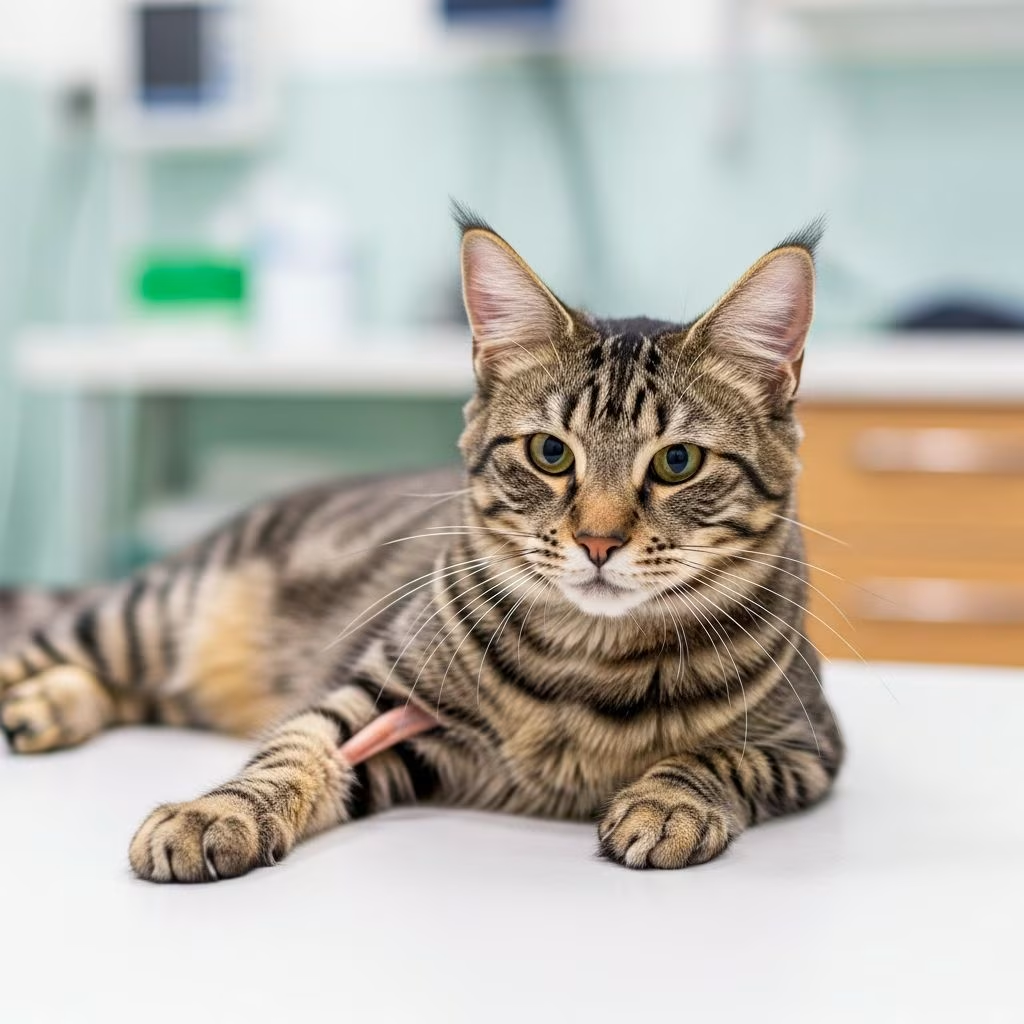
Osteosarcoma represents the predominant form of primary bone cancer in cats, comprising up to 80% of such cases, though it remains uncommon overall compared to other species.
References
- OSTEOSARCOMA — CABI Digital Library. 2013. https://www.cabidigitallibrary.org/doi/pdf/10.5555/20133225438
- Osteosarcoma In Cats — PetMD. Accessed 2026. https://www.petmd.com/cat/conditions/musculoskeletal/osteosarcoma-cats
- Osteosarcoma in cats — Joii Pet Care. Accessed 2026. https://www.joiipetcare.com/blogs/health-conditions/osteosarcoma-in-cats
- Understanding Osteosarcoma in Pets — Central Texas Veterinary Specialty Hospital. Accessed 2026. https://ctvsh.com/resources/understanding-osteosarcoma-in-pets/
- Osteosarcoma (OSA) in Cats and Dogs — Pets and their People. Accessed 2026. http://www.petsandtheirpeople.com.au/profiles/handouts/Osteosarcoma.pdf
Recognizing the Onset of Bone Cancer in Cats
Detecting osteosarcoma early hinges on observing subtle shifts in your cat’s daily routines and physical condition. This malignancy originates in the bone tissue, aggressively eroding it and provoking intense discomfort that manifests through behavioral alterations.
- Lameness or limping: A persistent or intensifying limp, particularly in one limb, signals potential bone involvement, often worsening over time.
- Swelling and tenderness: Noticeable enlargement around the affected bone or joint, with sensitivity when touched.
- Reduced mobility: Reluctance to jump, climb stairs, play, or even walk, coupled with general lethargy.
- Appetite and weight changes: Diminished interest in food leading to unintended weight loss.
For tumors in non-limb sites, symptoms diverge. Jaw involvement might cause challenges in chewing, drooling, facial distortion, or nasal issues, while skull lesions could yield eye swelling or behavioral irritability.
References
- Osteosarcoma in cats — Joii Pet Care. Accessed 2026. https://www.joiipetcare.com/blogs/health-conditions/osteosarcoma-in-cats
- Osteosarcoma In Cats — PetMD. Accessed 2026. https://www.petmd.com/cat/conditions/musculoskeletal/osteosarcoma-cats
Demographics and Risk Elements
This condition typically emerges in mature cats, peaking between 8 and 11 years, though it can strike younger individuals. No pronounced gender bias exists, affecting males and females alike. Unlike in canines, feline osteosarcoma progresses more indolently and metastasizes infrequently, in roughly 5-10% of instances, often to lungs or lymph nodes.
References
- Osteosarcoma in cats — Joii Pet Care. Accessed 2026. https://www.joiipetcare.com/blogs/health-conditions/osteosarcoma-in-cats
- Osteosarcoma In Cats — PetMD. Accessed 2026. https://www.petmd.com/cat/conditions/musculoskeletal/osteosarcoma-cats
| Factor | Details in Cats |
|---|---|
| Age | Most common 8-11 years |
| Gender | No preference |
| Metastasis Rate | Low: 5-10% |
| Common Sites | Limbs (appendicular), jaw/skull (axial) |
Unraveling the Diagnosis Process
Veterinarians employ a systematic approach to confirm osteosarcoma and evaluate its reach. Initial steps include a detailed clinical history and thorough physical assessment to pinpoint pain or abnormalities.
- Imaging: Radiographs reveal characteristic bone lysis or irregular patterns suggestive of malignancy. Advanced options like CT scans or scintigraphy offer precision for complex cases.
- Biopsy: Essential for confirmation, via fine-needle aspiration or core biopsy extracting tissue for pathological review.
- Staging: Chest radiographs, abdominal ultrasound, or CT assess metastasis; bloodwork and urinalysis gauge overall health.
These diagnostics distinguish osteosarcoma from infections, fractures, or benign growths, guiding tailored interventions.
References
- Osteosarcoma In Cats — PetMD. Accessed 2026. https://www.petmd.com/cat/conditions/musculoskeletal/osteosarcoma-cats
- Osteosarcoma in cats — Joii Pet Care. Accessed 2026. https://www.joiipetcare.com/blogs/health-conditions/osteosarcoma-in-cats
Treatment Pathways for Affected Cats
While curative outcomes remain elusive, interventions focus on pain alleviation, tumor control, and life extension. Multimodal strategies predominate.
Surgical Interventions
Limb amputation stands as the cornerstone for appendicular tumors, with cats adapting swiftly to tripodal mobility. Axial sites may necessitate jaw resection (mandibulectomy/maxillectomy). Post-op recovery spans weeks, emphasizing rest and monitoring.
Pharmacological Support
Pain management employs opioids (buprenorphine), gabapentin, amantadine, or NSAIDs (meloxicam, robenacoxib), ensuring comfort.
Adjunct Therapies
Chemotherapy protocols, administered biweekly via injection, target microscopic spread with minimal side effects like transient nausea or lethargy. Radiation offers palliation for inoperable tumors, curbing inflammation.
References
- Osteosarcoma In Cats — PetMD. Accessed 2026. https://www.petmd.com/cat/conditions/musculoskeletal/osteosarcoma-cats
- Osteosarcoma in cats — Joii Pet Care. Accessed 2026. https://www.joiipetcare.com/blogs/health-conditions/osteosarcoma-in-cats
Prognostic Outlook and Survival Metrics
Prognosis varies by tumor locale and metastasis status. Feline cases fare better than canine counterparts due to slower progression.
| Treatment Approach | Average Survival |
|---|---|
| No treatment | ~2 months |
| Palliative care | 3-6 months |
| Surgery + metastasis | ~1 year |
| Surgery alone, no spread | 2-4 years |
| Amputation (appendicular) | Up to 4 years average |
Axial tumors (e.g., humerus, skull) portend shorter survival than appendicular ones. Veterinary oncologist input refines expectations.
References
- Osteosarcoma in cats — Joii Pet Care. Accessed 2026. https://www.joiipetcare.com/blogs/health-conditions/osteosarcoma-in-cats
- Osteosarcoma In Cats — PetMD. Accessed 2026. https://www.petmd.com/cat/conditions/musculoskeletal/osteosarcoma-cats
Post-Treatment Care and Monitoring
Recovery demands vigilance. Amputees require 4 weeks of confinement, gradual reintroduction to activity, and ongoing pain checks. Chemotherapy patients need waste handling precautions and side-effect surveillance. Regular vet visits track recurrence via imaging and labs.
- Monitor weight, appetite, mobility.
- Administer meds as prescribed.
- Assess quality of life metrics: playfulness, sociability, pain-free rest.
Quality of Life Assessment
Beyond survival, prioritize comfort. Scales evaluate pain, mobility, and joy. Signs warranting urgent care: unremitting lameness, collapse, appetite refusal, or distress. Euthanasia discussions arise when suffering outweighs positives.
Preventive Measures and Risk Mitigation
No proven prevention exists, absent clear etiology. Routine senior exams, prompt limp evaluations, and dental checks aid early detection.
FAQs on Feline Osteosarcoma
Is osteosarcoma painful for cats?
Yes, it causes significant bone pain, necessitating robust analgesia.
Do cats adjust well post-amputation?
Exceptionally; most thrive on three legs within weeks.
How often does it spread?
Rarely, 5-10% at diagnosis, slower than in dogs.
What if surgery isn’t viable?
Palliative options like radiation, chemo, and pain meds extend comfort.
Can diet influence outcomes?
Supportive nutrition aids strength, but no cure-all.
This guide equips owners with knowledge for navigating osteosarcoma. Consult professionals for personalized plans. (Word count: 1678)



