

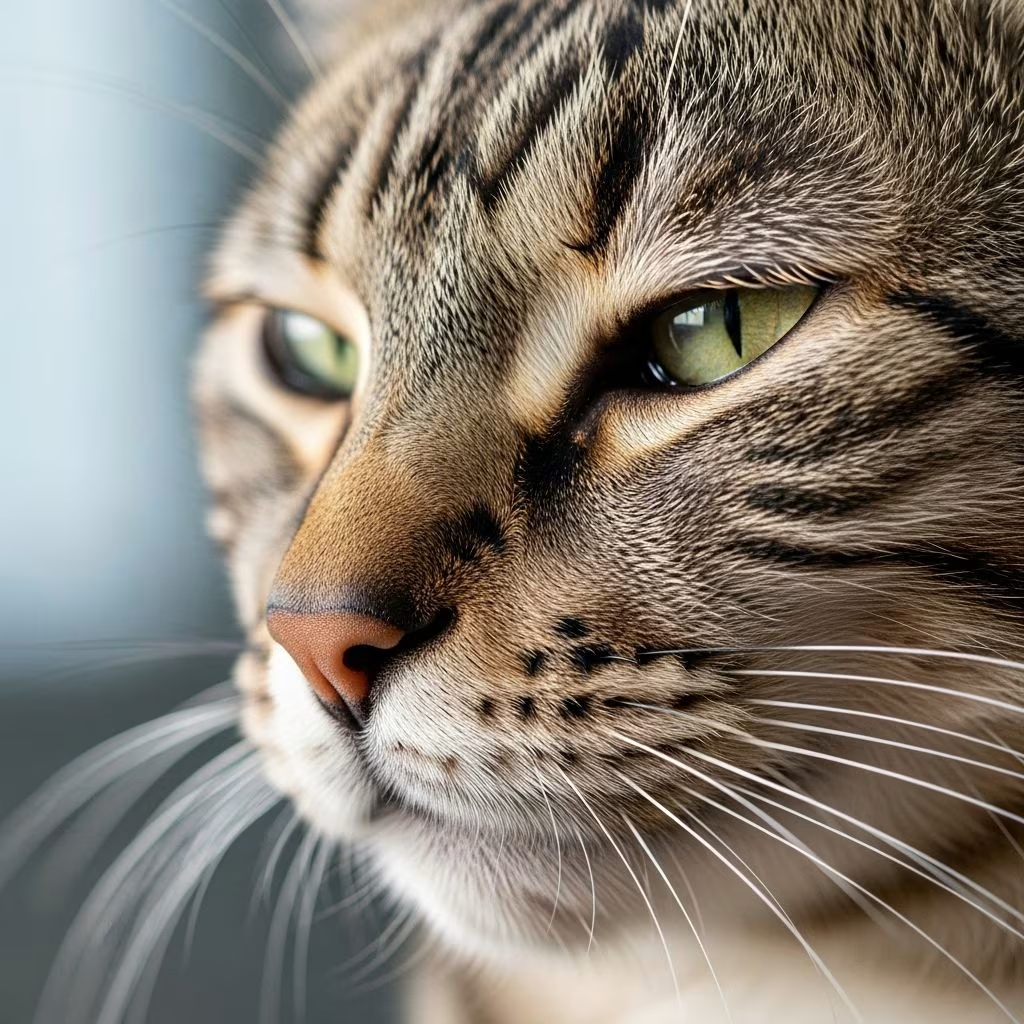
Feline Orofacial Pain Syndrome (FOPS) represents a challenging neuropathic pain condition in cats, marked by intense facial and oral discomfort that leads to distinctive behavioral responses. This disorder primarily affects the trigeminal nerve pathways, resulting in episodes of severe pain often disproportionate to visible injuries.
Recognizing the Core Symptoms of FOPS
Cats with FOPS typically display a range of behaviors indicating acute oral distress. The most prominent signs include repetitive and forceful chewing motions, as if the cat is attempting to dislodge something from its mouth. Excessive licking of the lips and face is common, sometimes escalating to pawing at the mouth or face with frantic intensity.
Tongue mutilation stands out as a hallmark feature, where cats chew on their own tongues, causing ulceration, bleeding, or even tissue loss. These episodes are frequently unilateral, affecting one side of the face or mouth, and can last from minutes to hours. Some cats show signs of anxiety prior to an attack, such as dilated pupils or hiding, followed by vocalization or drooling during the pain bout.
- Exaggerated chewing or chomping movements
- Persistent face and lip licking
- Pawing or rubbing at the mouth area
- Tongue trauma and self-mutilation
- Reluctance to eat, drink, or groom
- One-sided facial involvement in most cases
In severe instances, cats may drop food from their mouths or avoid eating altogether, leading to weight loss and dehydration if episodes persist.
Unraveling the Underlying Causes
The precise etiology of FOPS remains elusive, but evidence points to a neuropathic origin involving aberrant signaling in the trigeminal nerve, which handles sensation in the face and mouth. This nerve’s hypersensitivity causes normal stimuli, like light touch or movement, to be interpreted as excruciating pain—a phenomenon akin to allodynia.
Peripheral sensitization often plays a role, where oral inflammation from dental issues or tooth eruption hypersensitizes nerve endings. Studies indicate that 63% of affected cats had prior oral lesions, and 16% first showed signs during permanent tooth eruption. Central nervous system changes, including altered pain processing in the brainstem, further amplify the response.
Genetic factors heighten susceptibility, with Burmese cats overrepresented, alongside related breeds like Siamese and Tonkinese. This suggests an inherited dysfunction in trigeminal sensory processing.
Common Triggers That Spark Episodes
FOPS flares are not random; specific stimuli reliably provoke them. Mouth-related activities top the list: eating, drinking, and grooming trigger pain in about 30% of cases due to tongue and jaw movement.
Environmental stressors exacerbate the condition. Anxiety from territorial disputes with other cats, visits to the vet, or changes in routine can precipitate bouts in 20% of cats. Anecdotal reports link episodes to scents, temperature shifts, or sunlight, underscoring the role of external factors in neuropathic pain modulation.
| Trigger Category | Examples | Prevalence in Studies |
|---|---|---|
| Oral Activity | Eating, drinking, grooming | 33/113 cats |
| Stress/Anxiety | Other cats, vet visits, routine changes | 24/113 cats |
| Oral Pathology | Dental lesions, teething | 63% history |
| Environmental | Perfumes, cold, wind | Anecdotal |
Understanding these patterns allows owners to mitigate risks proactively.
Diagnosis: Navigating the Challenges
Diagnosing FOPS requires ruling out other causes of oral pain, such as dental abscesses, stomatitis, or foreign bodies. A thorough veterinary exam includes a detailed history focusing on episode timing, triggers, and breed. Oral examination under sedation is crucial to assess for subtle lesions.
Neurological evaluation confirms intact trigeminal function—no sensory or motor deficits beyond pain behaviors. Advanced imaging like CT scans may be needed for chronic cases to exclude tumors or malformations, though FOPS typically shows no structural abnormalities.
Breed predisposition and response to neuropathic pain medications often clinch the diagnosis.
Treatment Strategies for Effective Relief
Management combines addressing triggers, pain control, and behavioral support. First-line therapy targets dental health: extractions of problematic teeth resolve underlying sensitization in many cases.
Pharmacologically, traditional analgesics like opioids often fall short. Anticonvulsants such as gabapentin or phenobarbital prove more effective by modulating nerve firing. In one retrospective study, these agents controlled symptoms in resistant cases.
Stress reduction is paramount—pheromone diffusers, multi-cat household separation, and environmental enrichment help. Nutritional support with soft foods prevents dehydration during flares.
- Dental evaluation and extractions if indicated
- Gabapentin (5-10 mg/kg orally)
- Phenobarbital for refractory cases
- Stress minimization techniques
- Soft diet and hydration aids
Prognosis varies; early intervention yields better outcomes, though some cats face lifelong management.
Breed Predispositions and Genetic Insights
Burmese cats dominate FOPS cases, prompting research into genetic underpinnings. Studies hypothesize defects in trigeminal ganglion processing, leading to episodic paresthesia from minor stimuli.
Other predisposed breeds include Siamese and Tonkinese, suggesting a shared ancestry. Ongoing genomic studies at veterinary labs aim to pinpoint mutations, potentially enabling screening.
Long-Term Outlook and Prevention Tips
While FOPS can recur, many cats achieve remission with combined therapy. Owners should monitor for early signs, maintain dental hygiene, and minimize stressors. Regular vet check-ups track progress and adjust treatments.
Prevention focuses on breed awareness—Burmese breeders may prioritize health testing. Prompt teething care during kittenhood reduces sensitization risks.
Frequently Asked Questions (FAQs)
What breeds are most at risk for FOPS?
Burmese cats are primarily affected, with Siamese and Tonkinese also at higher risk due to potential genetic factors.
Is FOPS curable?
FOPS is manageable but not always curable; many cats respond well to treatment, achieving long pain-free periods.
Can stress really trigger FOPS episodes?
Yes, anxiety from social or environmental changes precipitates flares in about 20% of cases by influencing nerve sensitivity.
How do I know if my cat has FOPS versus dental disease?
Veterinary exam rules out dental issues; FOPS features episodic, unilateral pain behaviors without motor deficits.
What should I do during a FOPS episode?
Isolate the cat, offer soft food/water, and administer prescribed meds; avoid forcing interaction to reduce stress.
References
- Feline orofacial pain syndrome (FOPS): A retrospective study — Looney A, et al. PMC. 2020-04-07. https://pmc.ncbi.nlm.nih.gov/articles/PMC7128958/
- Feline Orofacial Pain Syndrome (FOPS) — Fitzpatrick Referrals. Undated (accessed 2026). https://www.fitzpatrickreferrals.co.uk/neurology/feline-orofacial-pain-syndrome-fops/
- Feline Orofacial Pain Syndrome (FOPS): Signs, Causes & … — Catster. Undated (accessed 2026). https://www.catster.com/ask-the-vet/feline-orofacial-pain-syndrome/
- Feline Orofacial Pain (FOP) — University of Missouri CVM. Undated (accessed 2026). https://cvm.missouri.edu/research/feline-genetics-and-comparative-medicine-laboratory/feline-research-projects/feline-orofacial-pain-fop/
- Management of Feline Orofacial Pain Syndrome — NDSR. Undated (accessed 2026). https://www.ndsr.co.uk/insights/management-of-fops/



