
Feline Oral Care: A Complete Guide to Dental Maintenance
Master the fundamentals of maintaining your cat's dental health through effective at-home care techniques.
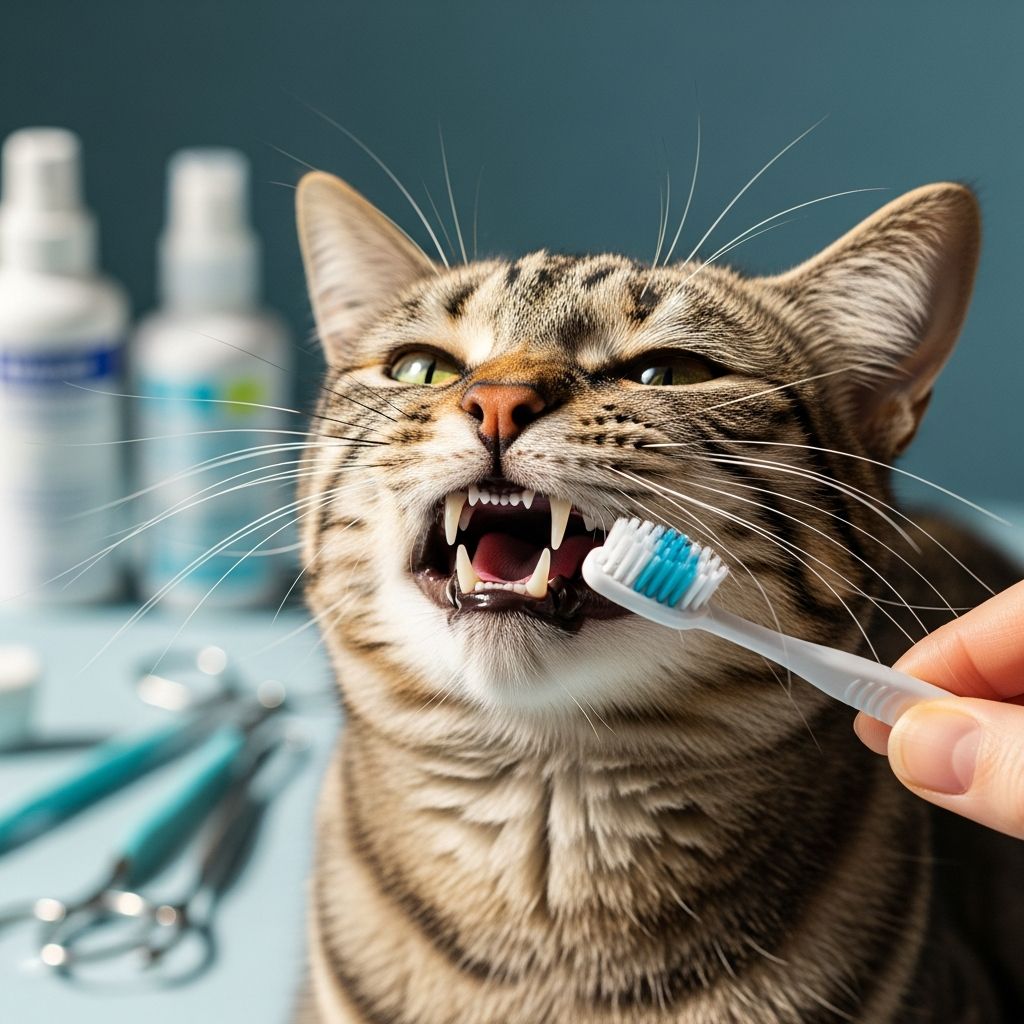
Dental health represents one of the most overlooked aspects of feline wellness, yet it plays a critical role in your cat’s overall quality of life. Just as humans require regular oral maintenance to prevent disease and discomfort, cats need consistent attention to their teeth and gums to avoid serious health complications. The good news is that with the right approach and understanding, maintaining your cat’s dental health at home is entirely achievable, even for first-time cat owners.
Understanding Why Dental Care Matters for Cats
Cats are particularly susceptible to dental disease, with many developing significant problems by middle age if preventive measures are not implemented. The buildup of plaque and tartar on tooth surfaces creates an environment where bacteria thrive, leading to gum inflammation, tooth decay, and potential systemic infections. These conditions don’t merely cause discomfort—they can affect your cat’s eating habits, nutritional intake, and even their cardiovascular health. Preventive dental care at home serves as the first line of defense against these issues, reducing the need for costly veterinary interventions and keeping your feline companion comfortable throughout their life.
Preparing Your Cat for Dental Care Success
The foundation of successful dental maintenance lies in thoughtful preparation. Before you even introduce a toothbrush, your cat needs to become acclimated to the idea of mouth handling. This preparation phase cannot be rushed; cats respond best to gradual, positive introductions to new experiences.
Establishing the Right Environment
Select a quiet location where your cat feels safe and comfortable. A bathroom counter, bedroom, or study works well, as these spaces are typically calm and free from household distractions. Dim the lighting slightly and maintain a gentle tone of voice throughout your interactions. Your cat is incredibly perceptive and will pick up on your confidence or anxiety; projecting calm assurance helps them relax. Position yourself so your cat is at a comfortable height—typically chest level—which makes the experience less intimidating for both of you.
Building Trust Through Touch
Begin by gently petting your cat’s head and face, gradually working toward the mouth area. Softly lift your cat’s lip for just a few seconds, then immediately stop and offer praise and treats. Repeat this process over several days until your cat shows no signs of stress or resistance. This foundational work is essential; rushing through it often leads to resistance later and can make future brushing sessions unnecessarily difficult. Your patience during this phase pays dividends in cooperation later.
Essential Supplies and Tools for At-Home Brushing
Having the right equipment makes the brushing process more efficient and comfortable for your cat. While specialized pet dental products exist, many household items work equally well.
| Supply Type | Options | Considerations |
|---|---|---|
| Toothpaste | Cat-specific formulas, diluted chicken broth, tuna juice | Never use human toothpaste; it contains fluoride and xylitol, which are toxic to cats |
| Cleaning Tool | Soft toothbrush, child-sized brush, gauze sponge, cotton swabs | Soft bristles are essential; hard bristles can damage gums |
| Flavoring Agent | Low-sodium chicken broth, tuna juice, fish-flavored water | Choose low-sodium options to protect your cat’s health |
| Position Aid | Lap, towel, counter, or bed | Choose a surface where your cat feels secure and you have good access |
Step-by-Step Approach to Introducing Brushing Techniques
Phase One: Taste Introduction
Once your cat accepts lip lifting without resistance, introduce the flavoring component. Dip your finger in diluted chicken broth or tuna juice and allow your cat to lick it from your fingertip. This creates a positive association with the brushing routine and gives your cat something pleasant to anticipate. Gradually transition from allowing licking to gently rubbing the flavored liquid on their gums and tooth surfaces with your finger. Work in very short sessions—even 15-20 seconds is sufficient at this stage.
Phase Two: Tool Familiarization
Wrap a damp washcloth around your index finger and apply a small amount of the flavoring agent. Gently lift your cat’s upper lip and use circular motions to clean the outer tooth surfaces. Focus particularly on the gum line, where plaque accumulates most heavily. Keep this session brief—30 seconds maximum. The goal is simply to familiarize your cat with having a cloth or tool in their mouth, not to achieve perfect cleaning at this point.
Phase Three: Active Brushing
Once your cat tolerates the cloth without resistance, transition to a soft toothbrush or gauze sponge with cat-specific toothpaste. Apply a small amount of toothpaste to your chosen tool. Approach your cat from behind whenever possible, as this angle feels less threatening. Use gentle circular motions, concentrating on the outer surfaces of the teeth where tartar buildup is most visible. Your cat’s tongue naturally cleans the inner surfaces, so focusing externally is both effective and practical.
Phase Four: Comprehensive Coverage
Gradually expand your brushing to include all tooth surfaces. Begin with the large canine teeth in front, then work toward the molars where the most significant tartar accumulation typically occurs. Work in 30-second intervals on each side of the mouth, taking breaks to allow your cat to swallow and reset. Many cats tolerate short sessions better than lengthy ones, so consistency with brief sessions often produces better results than occasional longer sessions.
Strategic Focus Areas and Timing
Not all teeth require equal attention. The outer surfaces of the canine teeth and the large molars on the cheek side accumulate the most plaque and tartar. These areas should receive particular focus during your brushing routine. Additionally, the corners where teeth meet the gums are critical zones that benefit from targeted attention using cotton swabs or precision-tipped tools.
Regarding frequency, daily brushing produces optimal results. However, brushing two to three times per week still provides significant benefits compared to no dental care whatsoever. The key is consistency—establishing a routine your household can maintain long-term rather than sporadic intensive efforts. Many cat owners find that incorporating brushing into their evening or morning routine creates a sustainable habit.
Regarding duration, remember that one minute of active brushing is sufficient. You don’t need to achieve perfection or spend extensive time on any single session. Both you and your cat will improve with practice, and short, positive sessions build better long-term habits than frustrating marathon attempts.
Strategies for Resistant or Anxious Cats
Not all cats readily accept dental care, and that’s perfectly normal. For particularly resistant felines, several strategies can help.
- Begin with dental treats designed to mechanically remove plaque through chewing
- Use water additives that contain enzymes to break down plaque buildup
- Employ a helper who can provide gentle petting or treats during brushing sessions
- Experiment with different body positions—some cats prefer being held like babies, while others feel secure on solid ground
- Try various flavoring agents to find what your cat finds most appealing
- Incorporate very short practice sessions focused only on mouth handling without actual brushing
If your cat remains extremely resistant despite consistent efforts, consult your veterinarian. They may recommend professional dental cleanings or discuss alternative approaches tailored to your cat’s specific temperament and needs.
Age Considerations and Long-Term Planning
The ideal time to introduce dental care is during kittenhood. Begin handling your kitten’s mouth gently at 8-12 weeks of age, well before their adult teeth fully emerge. Once permanent teeth come in around six months of age, you can begin gentle brushing. Starting early establishes dental care as a normal, positive part of your cat’s routine, making adult maintenance significantly easier.
For adult cats new to dental care, don’t assume it’s too late. While younger cats may adapt more quickly, older cats can learn to accept brushing through patient, consistent effort. The timeline may be longer, but the benefits are equally valuable.
Complementary Dental Health Strategies
While brushing forms the foundation of at-home dental care, additional measures enhance overall oral health.
Dental treats containing enzymes or designed with textured surfaces help mechanically scrape away plaque during chewing. These work best as supplements to brushing rather than replacements.
Water additives formulated for pets contain enzymes that break down plaque-forming bacteria. Simply adding these to your cat’s water bowl requires no behavioral change while providing passive benefit.
Professional veterinary care remains essential. Have your veterinarian examine your cat’s teeth before beginning a home brushing program, as existing tartar may need professional removal. Regular veterinary check-ups ensure early detection of problems that home care alone cannot address.
Dietary considerations also influence dental health. Certain dry food formulations are designed to promote oral health through the chewing action required to consume them.
Establishing Sustainable Routines
The most effective dental care program is one you can maintain consistently. Rather than aiming for perfection, focus on realistic goals you can achieve regularly. Many successful cat owners incorporate brushing into their evening routine, making it as habitual as brushing their own teeth. Set reminders on your phone if needed, or establish the habit by pairing brushing with another daily activity.
Tracking your efforts in a simple calendar helps maintain accountability and allows you to notice patterns in your cat’s cooperation. Some cats have better days than others, and recognizing these patterns helps you time brushing sessions for maximum success.
Frequently Asked Questions About Feline Dental Care
What products should I absolutely avoid?
Never apply human toothpaste to your cat’s teeth. Human formulations contain fluoride and xylitol, both of which are toxic to felines. Stick exclusively to cat-specific toothpaste products or natural alternatives like diluted low-sodium chicken broth.
Is brushing the only way to maintain dental health?
While brushing is the most effective preventive method, combining it with dental treats, water additives, and regular veterinary care creates a comprehensive approach. No single method replaces others; rather, they work synergistically.
My cat shows extreme resistance. What should I do?
Consult your veterinarian for professional guidance and to rule out underlying dental disease causing pain or sensitivity. Your vet may recommend alternative approaches or discuss professional cleaning options.
At what age can I start brushing my kitten?
Begin mouth handling at 8-12 weeks of age. Start actual brushing once adult teeth emerge, typically around six months of age.
How long should each brushing session last?
One minute is optimal. Longer sessions often lead to increased resistance without providing proportional benefit. Multiple short sessions produce better results than occasional lengthy attempts.
References
- How to Brush Cats’ Teeth — PetMD. Accessed April 2026. https://www.petmd.com/cat/general-health/how-to-brush-cats-teeth
- How to Brush Your Cat’s Teeth – Cat Friendly Homes — Cat Friendly Homes. Accessed April 2026. https://catfriendly.com/how-to-brush-your-cats-teeth/
- How to Brush a Cat’s Teeth: 7 Tips for a Positive Experience — CareCredit. Accessed April 2026. https://www.carecredit.com/well-u/pet-care/how-to-brush-cat-teeth/
- Brush Your Cat’s Teeth: 5 Easy Steps Using Home Tools — The Pet Doctor Inc. Accessed April 2026. https://thepetdoctorinc.com/brush-cat-teeth-easy-steps-home-tools/
- At-Home Cat Teeth Cleaning: How to Brush Cats’ Teeth — Chewy. Accessed April 2026. https://www.chewy.com/education/cat/health-and-wellness/brush-cat-teeth-healthy-pet
Similar Articles








Read full bio of medha deb




