

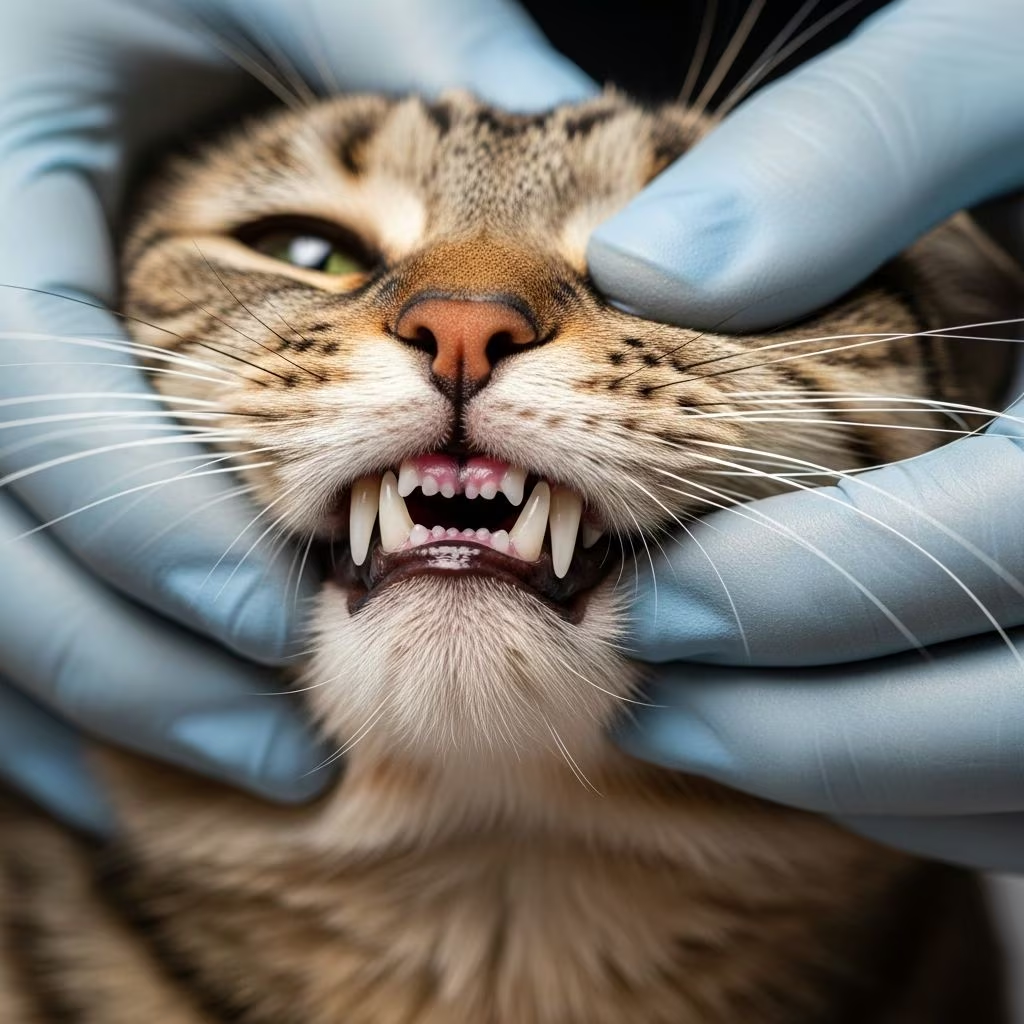
Oral cancer represents a significant health challenge for feline companions, particularly as cats age. Among the various malignancies that can affect cats, tumors developing within the oral cavity rank among the most challenging to manage due to their location and the cat’s small mouth structure. Understanding the nature of these cancers, recognizing early warning signs, and knowing available treatment pathways empowers cat owners to seek timely veterinary intervention and make informed decisions about their pet’s care.
Understanding Feline Oral Malignancies
Oral cancer in cats encompasses several types of tumors, with squamous cell carcinoma (SCC) being the predominant form encountered by veterinarians. This aggressive malignancy develops from the flat cells lining the cat’s mouth and possesses a notable capacity to infiltrate surrounding tissues and bone. The disease typically progresses silently in its early stages, making early detection challenging for pet owners.
The biological characteristics of feline oral SCC contribute to its clinical complexity. These tumors exhibit an infiltrative growth pattern, meaning they extend deeply into surrounding structures rather than remaining localized to the surface. This invasive nature explains why surgical intervention, while potentially curative when successful, requires extensive tissue removal in many cases.
Identifying Risk Factors and Causes
While the precise etiology of feline oral cancer remains incompletely understood, research has identified several contributing factors that may increase a cat’s susceptibility to developing these tumors.
Environmental and Lifestyle Exposures
Environmental carcinogens have emerged as potential contributors to oral cancer development. Secondhand tobacco smoke represents a documented risk factor, with cats residing in households with smokers showing elevated incidence rates. Additionally, certain flea control products have been investigated; a study published in the Journal of Veterinary Dentistry demonstrated that cats wearing flea collars experienced increased cancer risk.
Dietary considerations may also play a role in tumor development. Some evidence suggests that consumption of canned tuna might contribute to cancer risk, though this association requires further investigation. These environmental exposures accumulate over time, making long-term prevention strategies valuable for feline health.
Age-Related Susceptibility
Oral cancer predominantly affects older cats, with younger felines rarely presenting with this condition. This age-related pattern aligns with broader cancer epidemiology, where cumulative cellular damage and declining immune function create conditions favorable for malignant transformation. Senior cats warrant heightened vigilance for oral health changes.
Potential Viral Involvement
Some researchers theorize that viral agents may contribute to squamous cell carcinoma development in cats, though definitive causative viruses have not been conclusively established.
Recognizing Clinical Symptoms
Early recognition of oral cancer depends on pet owners understanding the subtle signs that may indicate tumor development. Many owners initially misattribute these symptoms to dental disease, which can delay diagnosis.
Primary Warning Signs
- Appetite Changes: Decreased or absent appetite represents one of the earliest indicators. Cats may show reluctance to eat because tumor growth causes mouth pain rather than primary appetite loss.
- Weight Loss: Progressive weight reduction often accompanies decreased food intake.
- Oral Bleeding: Blood-tinged saliva or blood in the water bowl indicates oral tissue involvement.
- Excessive Drooling: Abnormal salivation frequently accompanies oral malignancy.
- Halitosis: Foul-smelling breath results from tumor necrosis and secondary infections.
- Visible Swelling: Facial, jaw, or mouth swelling may become apparent as tumors enlarge.
- Difficulty Eating: Dysphagia (difficulty swallowing) reflects pain and mechanical obstruction.
- Behavioral Changes: Cats may become head-shy, avoiding touch around the face and mouth area.
- Grooming Neglect: Decreased self-grooming often accompanies systemic illness and mouth pain.
- Lethargy: General inactivity and reduced engagement may indicate advancing disease.
Diagnostic Pathways
Proper diagnosis requires veterinary intervention and typically involves multiple evaluation steps.
Initial Assessment
During the initial examination, veterinarians perform a thorough physical assessment and obtain a detailed history. However, tumors are not always visible during awake examinations, as cats experiencing mouth pain resist allowing thorough oral inspection. This limitation frequently leads to initial misdiagnosis as dental disease.
Definitive Diagnosis Through Anesthesia
Many oral tumors receive their initial diagnosis during routine dental cleaning procedures performed under general anesthesia. The anesthetized state allows comprehensive visualization of oral structures and tissue sampling if abnormalities are identified. Veterinarians can obtain biopsies for histopathological analysis, which definitively identifies tumor type and grade.
Staging and Prognosis Assessment
Once oral cancer is confirmed, staging procedures such as blood panels and imaging studies help determine disease extent. Advanced laboratory work identifies whether cats possess adequate organ function for various treatment approaches. Blood tests assess kidney and liver function, which influences medication safety and treatment recommendations.
Comprehensive Treatment Strategies
Treatment approaches vary based on tumor type, location, size, and the individual cat’s overall health status. A multimodal approach combining several therapeutic modalities often provides optimal outcomes.
Surgical Intervention
Surgery represents the first-line treatment when technically feasible. Successful surgical outcomes require complete tumor removal with adequate tissue margins to prevent recurrence. Unfortunately, due to the cat’s small oral cavity and the typically large size of tumors at diagnosis, surgery remains possible in fewer than 10% of cases.
When surgery is an option, procedures may range from conservative tumor removal to extensive resection. Aggressive surgical approaches, particularly those involving partial or complete mandibulectomy (lower jaw removal), offer better disease control but require significant recovery support.
Surgical Advantages: Potentially curative for early-stage, surgically accessible tumors. Cats with frontally located lower jaw tumors demonstrate better surgical prognosis.
Surgical Limitations: Many tumors prove inoperable due to location or size. Extensive surgery affects eating and quality of life. Recovery requires feeding tube support in many cases. Costs can be substantial.
Radiation Therapy
Radiation therapy serves multiple roles in feline oral cancer management: as a primary treatment for inoperable tumors and as an adjunctive therapy following incomplete surgical resection.
Definitive Radiation: When surgery cannot achieve complete tumor removal, definitive radiation therapy can prevent or delay recurrence. This approach involves daily treatments over several weeks.
Palliative Radiation: For non-surgical candidates, lower-dose palliative protocols administered weekly for 4-6 weeks can slow tumor growth while minimizing side effects.
Radiation Benefits: Reduces tumor size, prolongs survival, and improves comfort levels. Can be used as standalone treatment for inoperable cases.
Radiation Considerations: Requires multiple anesthetic episodes for treatment delivery, stressing some cats. Side effects include tissue ulceration and irritation. Repeated veterinary visits become necessary. Treatment costs remain significant.
Chemotherapy Options
Chemotherapy plays a role particularly when tumors have metastasized or surgery and radiation are not viable options. Two primary approaches exist: injectable chemotherapy agents and oral chemotherapy medications.
Injectable Chemotherapy: Agents such as carboplatin and mitoxantrone may be administered, though most oral tumors do not dramatically shrink with these treatments. Rather, chemotherapy aims to stabilize disease and prolong good quality of life in cats maintaining adequate appetite and activity.
Oral Chemotherapy: Palladia® (toceranib phosphate) represents an oral chemotherapy option given at home. While convenient, administering medications to cats with mouth pain presents challenges, as affected cats remain reluctant to accept oral medications.
Anti-Inflammatory Adjuncts: Piroxicam, a non-steroidal anti-inflammatory drug, shows promise in treating feline oral SCC. This medication offers dual benefits: potential antitumor effects and potent pain relief, while potentially enhancing effectiveness of chemotherapy and radiation therapies. However, cats with kidney disease should not receive piroxicam.
Palliative and Comfort-Focused Care
When curative treatment is not possible or when owners choose supportive rather than aggressive approaches, palliative care focuses on maximizing comfort and quality of life.
Pain Management
Effective pain control represents a cornerstone of supportive care. Medications such as buprenorphine provide strong analgesia, critical for cats experiencing oral discomfort. Anti-inflammatory medications reduce swelling and associated pain.
Nutritional Support
Maintaining adequate nutrition becomes increasingly challenging as oral tumors progress. Appetite stimulant medications such as mirtazapine and cyproheptadine can encourage voluntary food consumption. When these measures prove insufficient, feeding tubes—either temporary during recovery or permanent for long-term support—ensure nutritional intake and provide an avenue for medication administration.
Supportive Medications
Beyond pain control and appetite stimulation, supportive care may include treatments addressing secondary effects such as nausea or inflammation.
Combination Treatment Approaches
Optimal outcomes often result from combining multiple treatment modalities. For example, surgery followed by adjunctive radiation therapy addresses both primary tumor removal and residual microscopic disease. Some cats benefit from surgery plus chemotherapy, or radiation combined with pain management and nutritional support.
The specific combination depends on tumor type, location, size, and the individual cat’s medical status and owner preferences.
Prognosis and Long-Term Outlook
Prognosis varies substantially based on multiple factors. Cats with surgically curable, early-stage tumors located in accessible areas (such as the anterior lower jaw) demonstrate the most favorable outcomes. Some successfully treated cats live years following complete tumor removal.
Conversely, cats with advanced, inoperable tumors or those receiving only palliative care typically face shorter survival periods, though quality of life can be maintained through comprehensive supportive care.
Frequently Asked Questions
Can oral cancer in cats be prevented?
While not all risk factors can be eliminated, reducing environmental exposures provides benefit. Avoiding secondhand smoke exposure, using appropriate flea control methods rather than collars, and maintaining excellent oral hygiene support overall oral health. Regular veterinary dental examinations enable early problem identification.
How quickly does feline oral cancer progress?
Progression rates vary among individual cats. Some tumors grow relatively slowly while others advance rapidly. Early detection and intervention provide the best opportunities for favorable outcomes.
Will my cat need a feeding tube?
Feeding tubes become necessary when cats cannot maintain adequate nutrition through voluntary eating. This may occur following extensive surgery or with advanced tumors causing severe eating difficulty. Feeding tubes can be temporary or permanent depending on the situation.
What is the success rate for oral cancer surgery in cats?
Success depends on whether complete tumor removal is achieved. Unfortunately, fewer than 10% of cats with oral SCC are surgical candidates. Among those undergoing surgery, outcomes vary; frontally located lower jaw tumors offer better prognosis than tumors in other oral locations.
Should my cat receive chemotherapy for oral cancer?
Chemotherapy decisions depend on individual factors including tumor type, extent of disease, the cat’s overall health, and owner goals. Chemotherapy typically does not shrink oral tumors dramatically but can stabilize disease and maintain quality of life. Discuss options thoroughly with your veterinary oncologist.
Working With Your Veterinary Team
Managing feline oral cancer successfully requires close collaboration between cat owners and veterinary professionals. Board-certified veterinary oncologists bring specialized expertise in cancer treatment and can discuss advanced options such as stereotactic radiation and immunotherapy approaches.
Open communication about your cat’s symptoms, treatment goals, and quality-of-life considerations ensures that recommended approaches align with your family’s values and your cat’s wellbeing.
References
- Mouth Cancer in Cats — PetMD. 2024. https://www.petmd.com/cat/conditions/cancer/mouth-cancer-cats
- Medical Oncology: Feline Oral Squamous Cell Carcinoma — NC State College of Veterinary Medicine. 2024. https://hospital.cvm.ncsu.edu/services/small-animals/cancer-oncology/oncology/feline-oral-squamous-cell-carcinoma/
- Squamous Cell Carcinoma (SCC) in Cats — Los Banos Animal Hospital. 2024. https://lbah.com/feline/squamous-cell-carcinoma-scc-in-cats/
- Oral Tumors in Cats — Paws at Peace. 2024. https://pawsatpeace.com/oral-tumors-in-cats/
- What is in my cat’s mouth?! Learn about oral squamous cell carcinoma in cats — Pet Cancer Care Consulting. 2024. https://petcancercareconsulting.com/what-is-in-my-cats-mouth-learn-about-oral-squamous-cell-carcinoma-in-cats/
- Oral Cancers in Cats — PetCure Oncology. 2024. https://petcureoncology.com/oral-cancers-in-cats/
- Understanding Oral Cancer in Cats: Causes, Symptoms, and Treatment Options — WellPets. 2024. https://www.wellpets.com/blog/207-cat-oral-cancer-symptoms-and-causes/



