
Feline Optic Nerve Disorders: 5 Key Signs, Causes, Treatments
Understand optic nerve issues in cats: from inflammation to trauma recovery, symptoms, diagnosis, and vital care strategies for preserving vision.
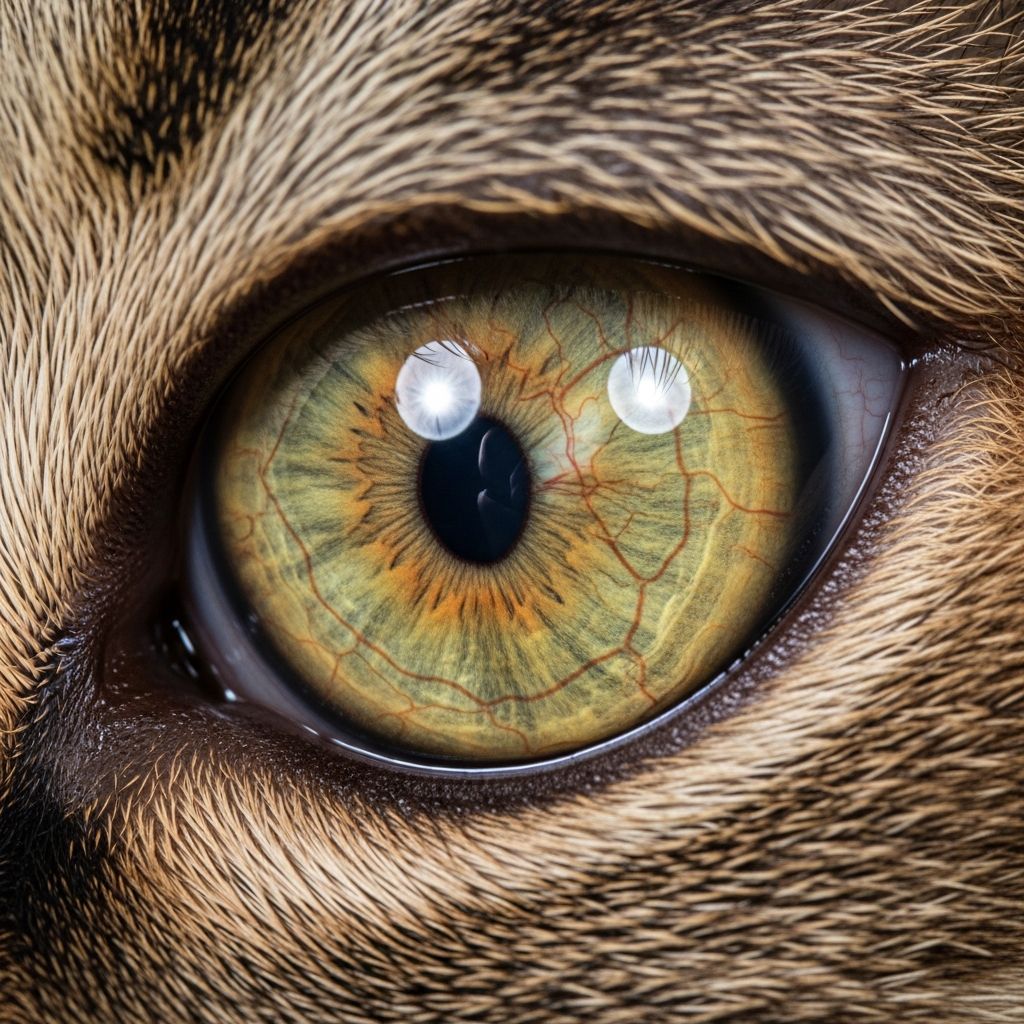
The optic nerve serves as the critical pathway transmitting visual signals from a cat’s retina to the brain, enabling sight. When this nerve suffers damage or inflammation, it can lead to partial or complete vision impairment, profoundly affecting a cat’s navigation, hunting instincts, and daily interactions. Disorders like optic neuritis—inflammation of the optic nerve—and traumatic injuries represent key concerns in feline ophthalmology. These conditions, though not widespread, demand prompt veterinary intervention to mitigate permanent harm and address root causes ranging from infections to idiopathic origins.
Recognizing the Signs of Optic Nerve Problems in Cats
Early detection hinges on observing subtle behavioral and physical changes. Cats with optic nerve issues often display sudden blindness in one or both eyes, manifesting as bumping into objects, hesitation before jumping, or dilated pupils that fail to constrict in light. Other indicators include head tilting, unsteady gait, rapid involuntary eye movements known as nystagmus, and reluctance to track toys or prey.
- Sudden or progressive vision loss: Cats may appear disoriented, misjudge distances, or show no response to hand movements.
- Pupillary abnormalities: Enlarged, fixed pupils or absent pupillary light reflex signal nerve dysfunction.
- Neurological signs: Balance issues, circling, or altered mentation accompany severe cases.
- Ocular discomfort: Squinting, tearing, or pawing at eyes due to pain or light sensitivity.
- Behavioral shifts: Increased vocalization, withdrawal, or aggression from frustration or fear.
These symptoms overlap with other feline eye conditions, underscoring the need for professional evaluation rather than home remedies.
Common Causes Behind Optic Nerve Dysfunction
Optic nerve disorders in cats stem from diverse etiologies. Inflammatory processes, termed optic neuritis, frequently arise from infectious agents like feline infectious peritonitis (FIP), toxoplasmosis, or fungal invasions. Autoimmune reactions trigger immune-mediated neuritis, where the body erroneously attacks nerve tissues. Trauma, such as head injuries from falls or fights, directly crushes or swells the nerve.
Toxins including heavy metals like lead, certain medications, or environmental hazards contribute sporadically. Idiopathic cases, lacking identifiable triggers, challenge diagnosticians. Systemic diseases—hypertension, diabetes, or neoplasia—indirectly compromise nerve integrity by impairing blood flow or invading tissues.
| Cause Category | Examples | Prevalence in Cats |
|---|---|---|
| Infectious | FIP, Toxoplasma, Fungi | High in unvaccinated/outdoor cats |
| Immune-Mediated | Autoantibodies | Moderate |
| Traumatic | Blunt force, Crush injury | Common in active kittens |
| Toxic/Idiopathic | Lead, Unknown | Low but rising with exposures |
Understanding these origins guides targeted therapies, preventing recurrence.
Diagnostic Approaches for Accurate Assessment
Veterinarians employ a multi-faceted protocol to pinpoint optic nerve issues. Initial steps involve a thorough ophthalmic exam using indirect ophthalmoscopy to visualize the optic disc for swelling (papilledema), hemorrhage, or pallor indicating atrophy. Neurological assessments test menace response, pupillary reflexes, and proprioception.
Advanced imaging like MRI or CT scans reveals nerve enlargement, brain lesions, or masses compressing the pathway. Electroretinography (ERG) differentiates retinal from optic nerve pathology by measuring electrical responses to light stimuli. Blood panels screen for infections, inflammation markers, or toxins, while cerebrospinal fluid (CSF) analysis detects pleocytosis suggestive of meningitis or encephalitis.
- Fundoscopic exam: Checks disc appearance.
- Neurologic evaluation: Assesses cranial nerves.
- ERG: Confirms retinal viability.
- MRI/CT: Images nerve and brain.
- CSF tap: Analyzes inflammation.
These tools ensure precise diagnosis, avoiding misattribution to age-related decline.
Treatment Strategies to Restore and Protect Vision
Therapy pivots on etiology. For infectious causes, antimicrobials—antibiotics, antifungals, or antivirals—target pathogens alongside supportive fluids. Immune-mediated neuritis responds to corticosteroids like prednisone or immunosuppressants to quell inflammation.
Traumatic cases benefit from experimental neuroprotective agents; studies in cats demonstrate brain-derived neurotrophic factor (BDNF) injections preserve retinal ganglion cells (RGCs) post-crush injury. Eye injections combined with cortical minipumps yielded 76-81% RGC survival versus 54% with eye-only treatment, highlighting extended therapy’s value. Anti-inflammatories manage idiopathic swelling, while glaucoma-linked cases require pressure-lowering drops.
Supportive measures include padded environments for blind cats, dietary neuroprotectants like omega-3s, and pain relief. Prognosis varies: infectious cases recover well with early care, but trauma or neoplasia portends guarded outcomes.
Long-Term Management and Home Care Tips
Post-treatment vigilance prevents complications. Monitor vision via obstacle courses or laser pointers; adjust homes with consistent furniture layouts, scent markers, and elevated feeding stations. Regular vet follow-ups track nerve recovery via repeat ERGs or imaging.
Nutritional support bolsters nerve health: antioxidants (vitamins C/E), taurine-rich diets, and hydration aid regeneration. Avoid stressors exacerbating hypertension. For chronic cases, harness training enhances mobility.
Prevention: Safeguarding Your Cat’s Optic Nerve
Proactive steps minimize risks. Indoor living curtails trauma and infections; vaccinations shield against viral triggers. Routine wellness exams detect subclinical issues early. Toxin-proof homes exclude rodenticides, lead paints, and human meds. Flea/tick preventives combat vector-borne diseases.
- Annual ophthalmic screenings for seniors.
- Balanced diet with eye-supportive nutrients.
- Secure environments free of hazards.
- Prompt injury treatment.
Frequently Asked Questions (FAQs)
Can cats recover fully from optic neuritis?
Yes, many regain vision if treated early, especially infectious cases; trauma recovery varies with BDNF-like interventions showing promise.
Is optic nerve damage painful for cats?
Often yes, causing light sensitivity and discomfort; analgesics alleviate this.
How do I test my cat’s vision at home?
Use cotton ball tosses or threat gestures; no menace response indicates issues.
What breeds are prone to these disorders?
No strong breed predisposition, but Siamese may show higher neuropathy rates.
Does age affect optic nerve health?
Seniors face increased risks from degeneration or comorbidities.
References
- Optic Nerve Swelling (Neuritis) in Cats — PetCareRx. 2023. https://www.petcarerx.com/article/optic-nerve-swelling-neuritis-in-cats/6628
- BDNF Treatment and Extended Recovery From Optic Nerve Trauma — PMC (NCBI). 2013-10-01. https://pmc.ncbi.nlm.nih.gov/articles/PMC3803139/
- Optic Nerve Swelling in Cats — PetMD. 2024. https://www.petmd.com/cat/conditions/eyes/c_ct_optic_neuritis
- A Guide to Your Pet’s Optic Nerve Disorder and Treatment — Veterinary Vision Center. 2024. https://veterinaryvisioncenter.com/a-guide-to-your-pets-optic-nerve-disorder-and-treatment/
- Feline Eye Conditions — Animal Eye Group. 2023. https://animaleyegroup.com/feline-eye-conditions/
- Optic Neuritis in Cats: Vet Guide 2025 — AskAVet. 2025. https://askavet.com/blogs/news/optic-neuritis-in-cats-vet-guide-2025-%F0%9F%90%BE
- Feline Vision Problems: A Host of Possible Causes — Cornell Feline Health Center. 2024. https://www.vet.cornell.edu/departments-centers-and-institutes/cornell-feline-health-center/health-information/feline-health-topics/feline-vision-problems-host-possible-causes
Similar Articles








Read full bio of medha deb




