

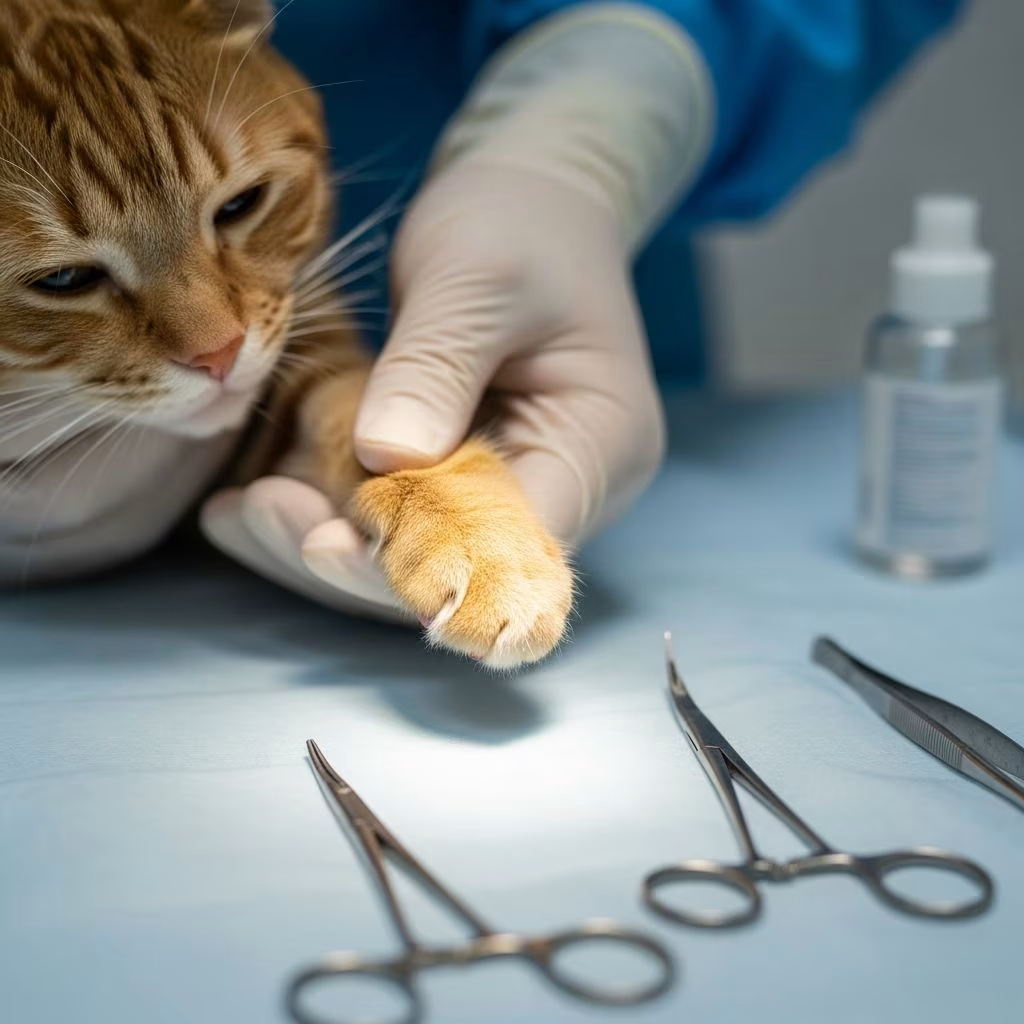
Understanding the Surgical Procedure
Onychectomy, commonly referred to as declawing, represents a surgical intervention that extends far beyond simple claw removal. This procedure involves the complete amputation of the third phalanx (P3), which is the distal bone segment in each toe that contains the claw structure. To understand the true nature of this surgery, it is important to recognize that it is anatomically equivalent to amputating human fingers at the joint above the fingernail. Each paw requires five separate amputations, one for each digit.
The procedure is classified as an elective surgery, meaning it is not medically necessary for the health and wellbeing of most cats. Veterinarians typically perform onychectomy on the front paws exclusively, though in some cases cat owners request the procedure on all four limbs. The surgery requires general anesthesia and follows a standardized surgical protocol to minimize complications and promote proper healing.
Surgical Techniques and Methodologies
Modern veterinary medicine offers three primary methods for performing onychectomy, each with distinct characteristics regarding tissue trauma, bleeding, and post-operative recovery:
Laser-Assisted Approach
Contemporary laser technology, particularly CO2 laser systems, has emerged as an advanced surgical tool for onychectomy. This technique utilizes precision laser technology to create clean incisions with minimal collateral tissue damage. The laser approach demonstrates several advantages, including reduced hemorrhaging during the procedure, decreased overall tissue trauma, and improved post-operative pain profiles compared to traditional methods. Studies indicate that cats undergoing laser-based onychectomy experience improved subjective pain assessments for up to eight days following surgery.
Scalpel Blade Dissection
Traditional scalpel blade methodology involves careful dissection at the level of the third phalanx joint. This technique has been the historical standard for onychectomy but carries certain disadvantages. Research demonstrates that scalpel-based procedures correlate with increased surgical time, greater tissue handling trauma, and elevated rates of certain post-operative complications including wound dehiscence (surgical incision reopening). Additionally, cats recovering from scalpel-based onychectomy tend to experience extended limping periods and prolonged post-operative discomfort compared to laser alternatives.
Guillotine Clipper Technique
The guillotine method employs specialized surgical clippers to disarticulate the third phalanx. This approach may leave portions of the flexor process in place, which can lead to complications including incomplete claw removal or regrowth. While this technique offers certain operational efficiencies, it carries a higher risk of anatomical complications that may necessitate revision surgery.
Pre-Surgical Preparation and Anesthetic Considerations
Proper surgical planning begins with comprehensive pre-operative assessment. Veterinarians typically recommend laboratory testing performed on the day prior to surgery to evaluate the cat’s overall health status and inform appropriate anesthetic selection. This testing ensures that the feline patient possesses adequate organ function and appropriate blood parameters for safe anesthetic administration.
Age represents an important consideration in surgical planning. Research indicates that cats declawed at one year of age or younger demonstrate fewer post-operative problems and faster recovery trajectories than those undergoing the procedure at more advanced ages. Older cats experience more challenging recoveries, increased bleeding tendencies, and prolonged healing periods. Many veterinarians recommend performing onychectomy concurrently with spay or neuter surgery, which consolidates anesthetic events and reduces overall anesthetic risk exposure.
Pain Management Protocol
Effective post-operative analgesia represents a critical component of responsible onychectomy practice. Contemporary pain management protocols employ a multi-modal approach, combining various medication classes and therapeutic modalities to address pain comprehensively:
- Local nerve blocks using medications such as Nocita, which provide pain blockade for up to three days post-operatively
- Systemic analgesic medications including opioids and non-steroidal anti-inflammatory drugs (NSAIDs)
- Cold laser therapy treatments to reduce inflammation and promote tissue healing
- Continued analgesia extending through the complete post-operative recovery period
The duration and intensity of pain management should correspond with the surgical technique employed and individual patient recovery characteristics.
Post-Operative Complications and Clinical Outcomes
Despite careful surgical technique and comprehensive pain management, onychectomy carries inherent risks for post-operative complications. Understanding these potential outcomes enables informed decision-making regarding the appropriateness of the procedure for individual cats.
Hemorrhagic Complications
Hemorrhage represents the most commonly reported complication following onychectomy. Post-operative bleeding may occur immediately following surgery or develop intermittently during the healing period. Older cats demonstrate increased bleeding tendency compared to younger animals, likely reflecting age-related changes in hemostatic function. Proper surgical technique and adequate intra-operative hemostasis significantly reduce hemorrhagic complications.
Lameness and Gait Abnormalities
Post-operative lameness occurs in a substantial proportion of declawed cats, with median lameness duration extending from one to forty-two days in affected animals. Approximately 26% of cats demonstrate lameness lasting from one to fifty-four days following onychectomy. The incidence of lameness increases with prolonged surgical duration and scalpel blade-based technique selection. Walking difficulties may persist beyond the immediate post-operative period, reflecting the significant anatomical disruption caused by amputation of digital structures.
Claw Regrowth
Incomplete claw removal or regrowth occurs in a minority of declawed cats, though incidence rates vary considerably based on surgical technique. The guillotine method leaving the flexor process in place demonstrates particularly elevated regrowth risk, with reported incidence rates reaching 10%. When claw regrowth occurs, it frequently results in painful malformed claw development and may necessitate revision surgery to achieve complete removal.
Wound Dehiscence
Surgical incision reopening occurs in a significant proportion of onychectomy patients, with reports indicating 17% incidence rates in teaching hospital populations. Dehiscence correlates with increased surgical time, extensive soft tissue dissection, and scalpel-based surgical techniques. Incisions reopening during healing compromise pain control and delay recovery.
Long-Term Behavioral and Physical Consequences
Beyond immediate post-operative complications, accumulating evidence demonstrates concerning long-term consequences associated with onychectomy. Recent retrospective studies document that declawed cats develop problematic conditions three to seven times more frequently than non-declawed felines, including:
- Chronic back pain resulting from altered biomechanical loading patterns
- Inappropriate elimination behaviors including litter box aversion and inappropriate urination
- Increased aggression and heightened biting tendency
- Excessive self-grooming and licking behaviors suggesting chronic pain or anxiety
These behavioral changes likely reflect pain-induced alterations in feline psychology and compensation mechanisms related to altered digit anatomy.
Arthritis Development
Onychectomy fundamentally alters the biomechanics of feline ambulation. Removal of the distal phalanx changes weight distribution and stress patterns throughout the foot and limb. Over extended periods, these altered mechanics precipitate premature degenerative joint disease affecting the remaining joints of the affected digits and potentially extending to more proximal anatomical structures including ankle and knee joints. Arthritis development may occur years following the initial surgical procedure and can significantly impact quality of life through pain, reduced mobility, and functional limitation.
Alternative Approaches to Destructive Scratching
Comprehensive behavior modification and environmental enrichment strategies offer effective alternatives to onychectomy for managing feline scratching behaviors. These approaches address the underlying motivations for scratching while preserving feline anatomical integrity:
Environmental Enrichment
Providing appropriate scratching surfaces represents the foundational intervention for managing destructive scratching. Multiple scratching posts and pads positioned strategically throughout the home give cats socially acceptable outlets for scratching behavior. Posts should vary in material composition (sisal, corrugated cardboard, carpet) and orientation (vertical and horizontal) to accommodate individual preferences. Scratching surfaces positioned near resting areas and entryways align with natural feline scratching patterns.
Behavioral Training Techniques
Positive reinforcement training encourages cats to utilize appropriate scratching surfaces rather than furniture. Rewarding desired scratching behavior with treats, play, and affection strengthens associations between appropriate surfaces and positive outcomes. Concurrent environmental modifications making furniture less appealing through texture changes or protective covers redirect scratching impulses toward designated surfaces.
Nail Cap Placement
Soft plastic caps designed to fit over extended claws represent a non-surgical alternative that prevents claw contact with furniture while maintaining claw integrity. These caps require periodic replacement as claws shed naturally. While most cats tolerate nail caps well, some individuals require sedation for application, which may introduce stress and additional risks for susceptible animals.
Tenectomy Procedures
An alternative surgical approach involves deep digital flexor tenectomy (DDFT), which removes five to ten millimeter segments of the flexor tendon preventing claw protrusion. This procedure reportedly produces shorter hospitalization periods and less post-operative pain than complete onychectomy. Recovery typically occurs within two to four days in some cases, though maximum recovery duration may extend to thirty days. Complication rates between tenectomy and onychectomy remain comparable at approximately 24-26%, suggesting that surgical alternative does not necessarily reduce procedural risks.
Ethical Considerations and Professional Standards
Veterinary professional organizations increasingly recognize onychectomy as ethically controversial and non-essential for most cats. Major feline health organizations emphasize veterinarian obligations to educate cat caregivers thoroughly regarding the procedure’s true nature, inherent risks, and available alternatives. This educational responsibility ensures that cat owners understand they are authorizing the amputation of their pet’s digits, not simple claw trimming.
Professional standards emphasize that onychectomy should only be considered when alternative approaches have proven inadequate and only with full informed consent from cat guardians who understand the procedure’s irreversible nature and associated risks.
Frequently Asked Questions
Is laser declawing safer than traditional methods?
Laser-based onychectomy demonstrates improved pain profiles and reduced tissue trauma compared to scalpel blade techniques. However, all onychectomy procedures carry inherent surgical risks regardless of technique selection. Laser methodology reduces but does not eliminate complications.
What age is appropriate for declawing cats?
Research indicates younger cats (one year or younger) experience superior recovery outcomes compared to older animals. If onychectomy is pursued, concurrent performance with spay/neuter procedures minimizes anesthetic exposure. Older cats present greater anesthetic risks and more challenging post-operative recovery.
Can claw regrowth occur after declawing?
Yes, claw regrowth occurs in a small percentage of declawed cats, particularly with techniques leaving the flexor process intact. Regrowth typically results in painful, malformed claw development potentially requiring revision surgery.
What behavioral changes occur after declawing?
Declawed cats demonstrate significantly elevated rates of inappropriate elimination, aggression, increased biting, and excessive grooming compared to non-declawed cats. These behavioral alterations likely reflect pain and anxiety related to the amputation and altered biomechanics.
How long does recovery take after declawing?
Immediate post-operative lameness typically resolves within six to seven days, though some cats experience extended limping up to twenty-one days. Laser procedures generally demonstrate faster recovery than scalpel-based techniques. Long-term complications may develop months or years following surgery.
References
- Declawing of Cats: Controversies, Procedures, & Alternatives — The Hometown Veterinarian. Accessed 2026. https://www.hometownveterinarian.com/services/cats/declawing
- Declawing of Domestic Cats — American Veterinary Medical Association (AVMA). 2019. https://www.avma.org/sites/default/files/resources/declawing_bgnd.pdf
- 2017 Declawing Position Statement — The International Society of Feline Medicine (ISFM). 2017. https://catvets.com/resource/declawing-declawing-position-statement/
- Comparison of 3 Methods of Onychectomy — PubMed Central/National Institutes of Health. https://pmc.ncbi.nlm.nih.gov/articles/PMC3923482/
- Declawing — American Animal Hospital Association (AAHA). https://www.aaha.org/declawing/



