

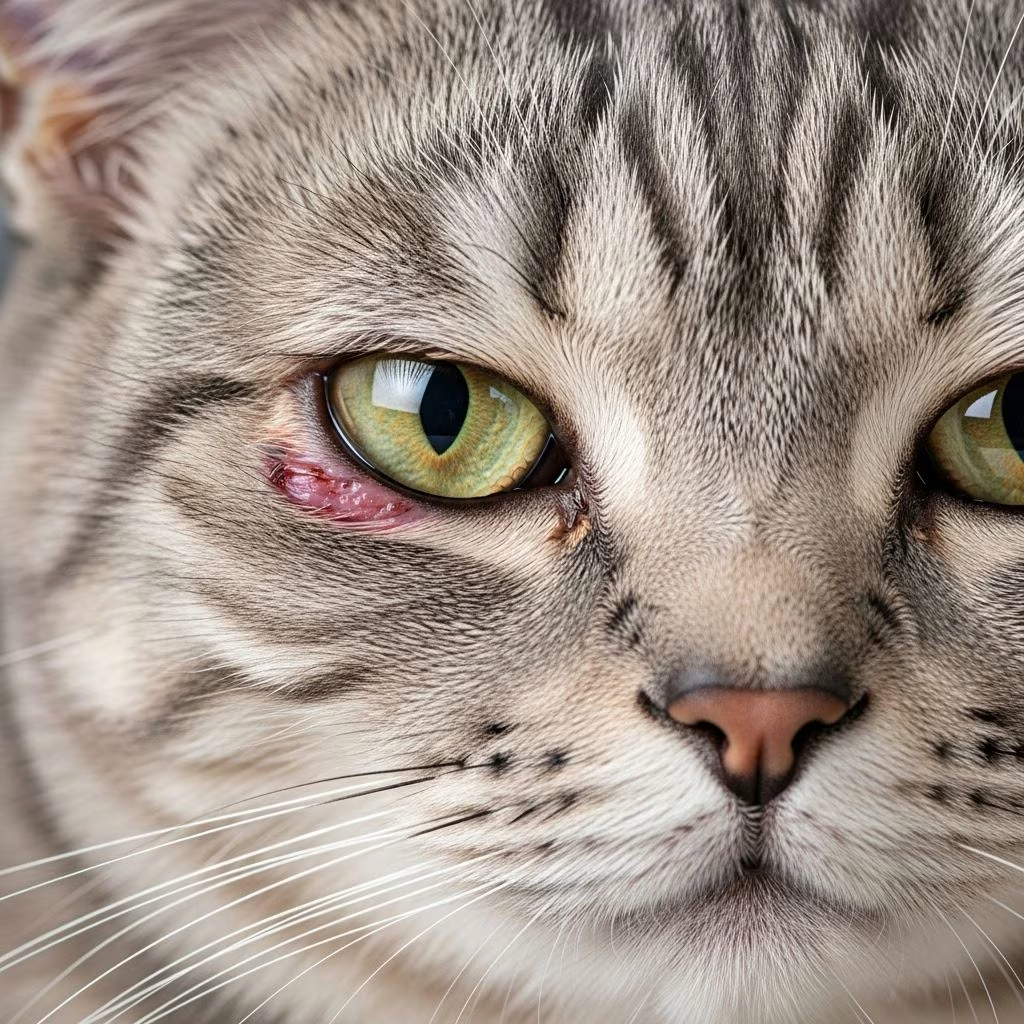
Eye problems in cats warrant immediate attention, as feline eyes are sensitive and vulnerable to various irritants and infections. When a cat’s eyes become swollen, it signals that something is amiss within or around the ocular structures. This condition, while not extremely common in cats, requires careful observation and professional evaluation to determine the underlying cause and appropriate treatment plan.
Understanding Ocular Swelling in Cats
Ocular swelling in felines occurs when tissues surrounding or comprising the eye increase in size due to inflammation, irritation, or injury. This enlargement can affect multiple eye structures, each of which plays a critical role in maintaining vision and ocular health. The severity and presentation of swelling vary depending on which tissues are involved and what triggered the response.
Three primary anatomical areas can experience swelling in a cat’s eye:
- The eyelids themselves, a condition referred to as blepharitis when inflamed
- The conjunctiva, the transparent membrane lining the eyeball and inner eyelids, which develops conjunctivitis when irritated
- The eyeball or structures within the orbit surrounding it
When swelling occurs, cats often experience discomfort that manifests as excessive blinking, squinting, or reluctance to open the affected eye fully. In severe cases, the eye may swell completely shut, requiring urgent veterinary intervention.
Primary Mechanisms Behind Eye Swelling
Feline eye swelling develops through inflammatory responses triggered by various stimuli. Understanding these mechanisms helps pet owners recognize when their cats need veterinary attention. The body’s natural response to irritation involves increased blood flow to the affected area, accumulation of fluid, and cellular infiltration, all contributing to visible enlargement.
Environmental factors represent one major category of triggers. Cats may encounter irritants during their daily activities, whether indoors or outdoors. Even seemingly minor exposures can provoke significant reactions in sensitive individuals.
Systemic conditions affecting the entire body can also manifest as ocular symptoms. When swelling accompanies other signs such as respiratory symptoms, skin issues, or behavioral changes, the underlying cause likely extends beyond localized eye irritation.
Trauma and Physical Injury as Causative Factors
Physical damage to the eye or surrounding tissues frequently leads to acute swelling. Cats may sustain injuries through various mechanisms during their daily activities. Inter-cat fights represent a common source of ocular trauma, as sharp claws can easily damage delicate eye structures. Additionally, rough play, encounters with environmental hazards, or accidental contact with household items can cause corneal scratches or tissue trauma.
Traumatic injuries typically present with sudden onset of swelling, often accompanied by visible signs of damage such as scratches or blood. Cats experiencing acute ocular trauma often display pain behaviors including excessive squinting and reluctance to open the affected eye.
Chemical irritants also constitute a form of trauma to ocular tissues. Cats may be exposed to cleaning products, fragrances, or other household chemicals that irritate the sensitive structures of the eye. Even brief contact with such substances can trigger significant swelling and discomfort.
Allergic Reactions and Sensitivity Responses
Allergies rank among the most prevalent causes of eye swelling in cats. Just as humans experience allergic reactions, felines can develop sensitivities to various environmental and dietary allergens. These hypersensitivity responses result in inflammation of ocular tissues and the characteristic puffiness associated with eye swelling.
Environmental allergens triggering ocular reactions include:
- Plant pollens from trees, grasses, and weeds
- Dust and dust mites in indoor environments
- Mold spores and fungal particles
- Flea saliva from parasitic infestations
- Chemical fragrances from household products and air fresheners
- Ingredients in certain cat foods or treats
Cats experiencing allergic eye reactions often exhibit additional symptoms beyond swelling. Excessive scratching at the face and eyes, rubbing against furniture or flooring, and generalized skin irritation frequently accompany ocular swelling in allergic individuals. These behaviors indicate widespread allergic responses affecting multiple body systems.
Recognizing allergic patterns helps owners and veterinarians identify triggers and implement preventative measures. Some cats demonstrate seasonal swelling patterns coinciding with pollen counts or weather changes, suggesting environmental allergies as the causative factor.
Infectious Processes Affecting Feline Eyes
Infections represent another major category of eye swelling causes in cats. Various pathogens can invade ocular tissues, triggering inflammatory responses and visible swelling. Understanding the specific organisms involved helps guide appropriate treatment selection.
Viral infections frequently affect feline eyes. Feline Herpesvirus stands as a particularly common culprit, capable of causing both acute conjunctivitis and chronic eye problems. This virus can lead to a complication called symblepharon, where the conjunctiva adheres to other eye tissues, potentially compromising vision if untreated. Other viruses such as Feline Calicivirus also contribute to eye infections in cats.
Bacterial pathogens including Chlamydia can establish infections within ocular tissues. These bacteria often produce thicker ocular discharge and more pronounced swelling compared to viral infections. Bacterial eye infections can develop secondarily following trauma, when open wounds become contaminated.
Upper respiratory tract infections frequently extend to affect the eyes. Viruses and bacteria infecting the nasal passages, sinuses, and throat readily involve ocular structures, resulting in conjunctivitis and associated swelling. Cats with upper respiratory infections typically display respiratory symptoms alongside eye problems, including sneezing, nasal discharge, and coughing.
Fungal infections, while relatively rare in cats, can occur particularly in immunocompromised individuals or those in geographically endemic areas. These infections may produce more severe inflammation and require extended treatment periods.
Dry Eye Syndrome and Moisture-Related Problems
Keratoconjunctivitis sicca, commonly known as dry eye, contributes to ocular swelling in some felines. This condition develops when tear production becomes inadequate to maintain proper ocular surface moisture. Without sufficient tear film, the cornea and conjunctiva become irritated and inflamed, leading to visible swelling and redness.
Feline Herpesvirus represents a significant cause of dry eye in cats, as it can damage tear-producing glands leading to chronic dryness. Additionally, certain medications and immune system dysfunction may compromise tear production. The resulting ocular surface disease causes progressive irritation and discomfort.
Cats with dry eye typically present with red, irritated eyes alongside the characteristic swelling. Additional symptoms include excessive blinking and ocular discharge, as the eye attempts to compensate for insufficient moisture.
Foreign Bodies and Structural Complications
Small particles becoming trapped beneath the eyelid or embedded in ocular tissues trigger localized inflammation and swelling. Dust, sand, grass seeds, or other debris can cause significant irritation despite their small size. Cats respond by attempting to remove the foreign material through increased blinking and eye rubbing, which may further irritate tissues.
Congenital or developmental structural abnormalities also contribute to ocular swelling in some cats. Entropion, a condition where the eyelid rolls inward, causes friction between eyelid fur and the corneal surface. This chronic irritation leads to inflammation and swelling, along with progressive corneal damage if untreated.
Weight loss from illness can cause the supporting fat pad behind the eye to diminish, allowing the eyeball to sink deeper into the socket. This displacement causes eyelids to roll inward, resulting in fur rubbing directly against the cornea. The resulting irritation triggers conjunctivitis and visible swelling.
Diagnostic Approaches for Feline Eye Swelling
Veterinary diagnosis of eye swelling begins with comprehensive history taking and physical examination. The veterinarian gathers information about the onset of swelling—whether it appeared suddenly or developed gradually, which carries diagnostic significance. They assess whether one or both eyes are affected, as this information guides the differential diagnosis.
Specialized ophthalmic examination provides detailed assessment of eye structures. The veterinarian uses magnification and specialized lighting to visualize the cornea, conjunctiva, and eyelids, identifying signs of trauma, infection, or structural abnormalities. Fluorescein staining helps reveal corneal ulcers and other surface damage that might otherwise remain invisible.
Additional diagnostic testing may include:
- Cytology—microscopic examination of swabs from the eye surface to identify infectious organisms
- Bacterial or viral culture to isolate specific pathogens and guide antibiotic selection
- Allergy testing when allergic causes are suspected
- Imaging studies such as radiographs or ultrasound to evaluate deeper ocular structures
- Referral to veterinary ophthalmology specialists for complicated cases requiring advanced diagnostics
Risk Factors Influencing Swelling Presentation
Several variables affect how ocular swelling manifests in individual cats. Acute onset of swelling typically indicates traumatic injury, insect stings, or foreign body presence. These cases often present with severe swelling developing over hours rather than days.
Gradual swelling onset suggests underlying conditions such as chronic infections, developing tumors, or progressive eye disease. These cases warrant thorough investigation to identify the underlying pathology before permanent damage occurs.
Localized swelling affecting only the eye region suggests causes limited to ocular structures, including trauma, foreign bodies, or local infections. Conversely, when swelling accompanies systemic symptoms such as fever, respiratory signs, weight loss, or generalized skin problems, systemic disease affecting multiple body systems likely underlies the ocular presentation.
Treatment Approaches Based on Underlying Causes
Treatment selection depends entirely on the identified underlying cause of swelling. A thorough diagnostic workup ensures that therapy targets the actual problem rather than simply masking symptoms.
Traumatic injuries require wound care to prevent infection and promote healing. Depending on severity, treatment may include topical medications, pain relief, and monitoring for complications. More serious injuries might necessitate surgical intervention.
Infections warrant antimicrobial therapy targeted to the specific organism involved. Bacterial infections typically respond to topical or systemic antibiotics selected based on culture results when possible. Viral infections may benefit from antiviral medications, though supportive care forms the foundation of treatment. Fungal infections require specific antifungal agents and typically longer treatment durations.
Allergic reactions respond to antihistamines and anti-inflammatory medications. Identifying and eliminating the allergen source prevents recurrence. Some cats require long-term management with regular eye care and preventative treatments.
Dry eye management involves artificial tears and prescription medications that enhance tear production or reduce ocular inflammation. Addressing underlying causes such as Herpesvirus infection may help improve tear production over time.
Structural problems such as entropion may require surgical correction to prevent ongoing irritation and permanent corneal damage.
Topical and Systemic Medications
Eye drops and ointments form the cornerstone of ocular therapy in cats. These topical preparations deliver medication directly to affected tissues, achieving high local concentrations while minimizing systemic effects. Most cats require medication application multiple times daily for optimal effectiveness.
Common topical medications include antibiotics for bacterial infections, antivirals for viral conditions, and anti-inflammatory agents to reduce pain and swelling. Some preparations combine multiple active ingredients to address multiple aspects of the problem simultaneously.
Oral medications complement topical therapy in many cases. Systemic antibiotics penetrate tissue barriers to treat infections throughout ocular structures. Pain relief medications improve comfort during the healing process, encouraging cats to stop excessive eye rubbing that could worsen damage.
Home Care and Supportive Management
Beyond veterinary treatment, home care plays a crucial role in recovery. Gentle cleansing of the eye area with lukewarm water or veterinarian-recommended eye wash removes discharge and debris. This simple measure increases comfort and prevents bacterial growth in accumulated discharge.
Preventing further injury requires managing the cat’s environment and activity level. Keeping cats indoors during treatment reduces exposure to environmental irritants and potential traumatic injury. E-collars may be necessary to prevent self-trauma from excessive rubbing and scratching.
Pain management deserves special attention, as discomfort drives cats to rub and paw at their eyes, worsening the underlying condition. Veterinarian-prescribed pain relief improves patient comfort and cooperation with treatment.
When Emergency Care Becomes Necessary
Certain presentations require immediate veterinary evaluation. Sudden, severe swelling that closes the eye completely warrants urgent care, as this may indicate serious underlying pathology or risk of permanent vision loss. Thick purulent discharge, particularly if yellow or green-tinged, suggests active bacterial infection requiring prompt treatment.
Any sign of blood in or around the eye indicates significant trauma requiring immediate professional assessment. Cats demonstrating extreme pain behaviors or inability to open the eye need emergency evaluation to rule out sight-threatening conditions.
Prevention Strategies for Eye Health
Minimizing exposure to known irritants helps prevent eye swelling episodes. This includes appropriate use of household chemicals, selection of unscented cleaning products, and careful product application to avoid ocular contact. Managing flea infestations prevents allergic reactions triggered by flea saliva.
Vaccination protects against some viral infections, particularly Feline Herpesvirus, which ranks among the most common causes of ocular disease in cats. Regular veterinary checkups allow early detection of developing eye problems before they progress to severe swelling or permanent damage.
Indoor housing reduces exposure to traumatic injury and environmental irritants compared to outdoor living. For cats that do spend time outdoors, supervision reduces fighting and injury risk.
Long-Term Prognosis and Management
Most acute eye swelling episodes resolve with appropriate treatment, provided underlying causes are properly identified and addressed. However, some conditions such as Herpesvirus infection may produce chronic or recurrent eye problems requiring ongoing management throughout the cat’s life.
Cats with chronic eye conditions benefit from regular veterinary monitoring to catch complications early. Some may require daily topical medications or periodic treatment courses to maintain ocular health and comfort.
Vision loss can occasionally result from severe eye swelling, particularly if treatment is delayed or if the underlying cause causes permanent structural damage. Early intervention maximizes the likelihood of preserving sight and preventing chronic discomfort.
Frequently Asked Questions
How quickly does eye swelling develop in cats?
Acute swelling from trauma or allergic reactions can develop within hours, while gradual swelling from infections or chronic conditions develops over days to weeks.
Can eye swelling resolve on its own?
Mild swelling from minor irritation might improve with basic care, but persistent or worsening swelling requires veterinary evaluation to prevent complications.
Is feline eye swelling contagious?
Swelling caused by infectious organisms such as Feline Herpesvirus spreads readily between cats, while trauma-related or allergic swelling is not contagious.
What are signs that eye swelling requires emergency care?
Sudden severe swelling closing the eye, bloody discharge, or extreme pain behaviors warrant immediate emergency veterinary evaluation.
How long does treatment typically take?
Treatment duration varies from days to weeks depending on underlying cause. Traumatic injuries may resolve within a week with proper care, while infections might require weeks of treatment.
References
- Swollen Eyelids in Cats – Causes, Treatment and Diagnosis — Vetster. 2024. https://vetster.com/en/symptoms/cat/swollen-eyelids
- Why Is My Cat’s Eye Swollen? 5 Common Causes Explained — Vetericyn. 2024. https://vetericyn.com/blogs/vetericyn/why-is-my-cats-eye-swollen-5-common-causes-explained
- Conjunctivitis in Cats — Vetwest Veterinary Clinics. 2024. https://www.vetwest.com.au/pet-library/conjunctivitis-in-cats/
- Cat Eye Infection: Causes, Symptoms, and Treatments — Lovet. 2024. https://www.lovet.com/blog/cat-eye-infection/
- Blepharitis in Cats — PetMD. 2024. https://www.petmd.com/cat/conditions/eyes/blepharitis-cats
- Cat Eye Infection: Symptoms & Treatment — Saratoga Veterinary Hospital. 2024. https://saratogavethosp.com/blog/cat-eye-infection/
- Cat Eye Infection: Is It an Emergency? — Golden State Veterinary Specialists. 2024. https://gsvs.org/blog/cat-eye-infection-emergency/



