

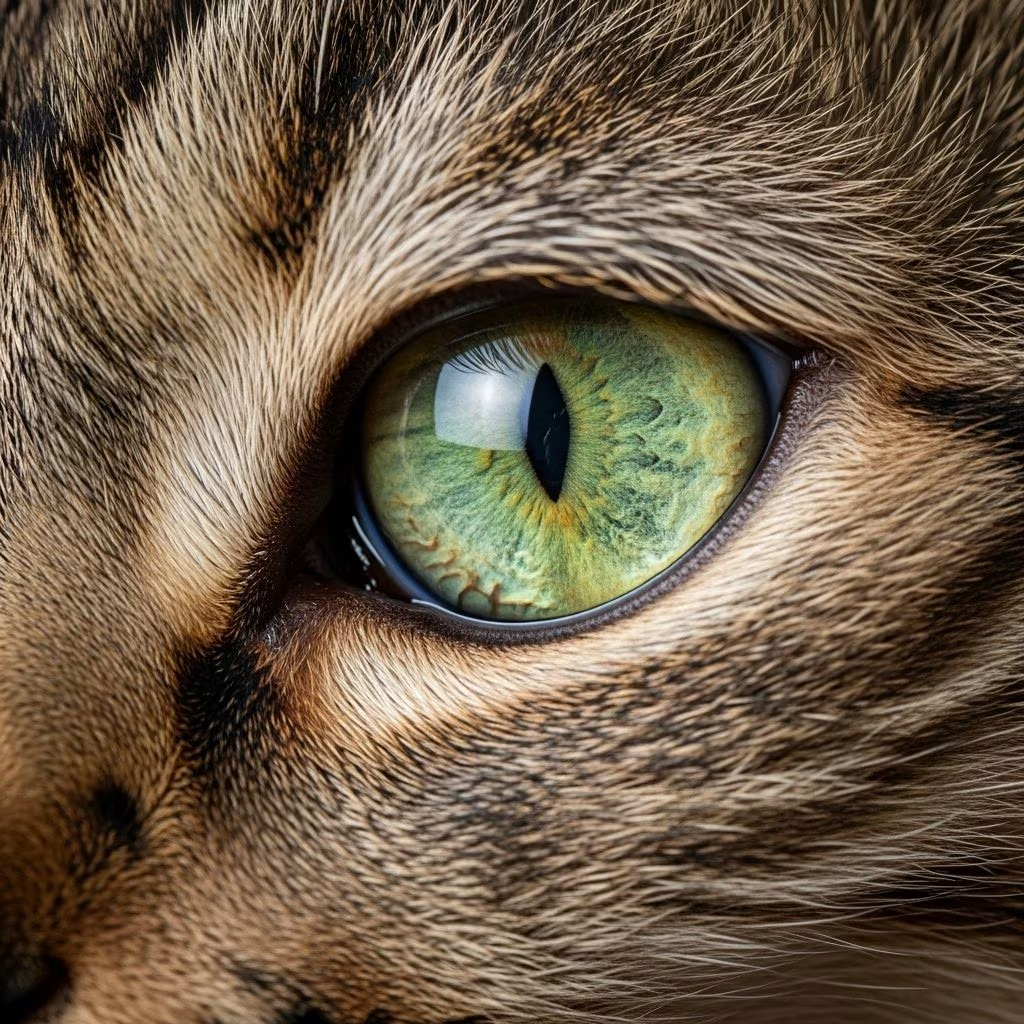
Understanding Eye Tumors in Cats
Ocular neoplasms represent a relatively uncommon but significant health concern in feline patients. These malignant and benign growths can originate from various tissues within and around the eye, ranging from the eyelid margins to the internal structures of the globe itself. The diversity of tumor types affecting feline eyes requires comprehensive understanding of their presentations, biological behaviors, and therapeutic options. Early recognition and appropriate intervention can substantially impact outcomes and quality of life for affected animals.
Unlike dogs, cats develop ocular tumors with distinct pathological characteristics and treatment responses. The location of the tumor—whether external or intraocular—significantly influences diagnostic approaches and therapeutic strategies. Understanding the epidemiology and natural history of feline ocular cancers enables veterinarians and cat owners to make informed decisions regarding monitoring and intervention.
Primary Surface Tumors: Eyelid and Conjunctival Neoplasms
Tumors affecting the eyelid and conjunctival tissues represent the most frequently encountered primary ocular neoplasms in cats. These growths originate from the external structures surrounding the eye and demonstrate aggressive biological behavior, presenting particular therapeutic challenges in feline patients compared to canine cases.
Squamous Cell Carcinomas
Squamous cell carcinomas constitute a predominant tumor type affecting feline eyelid tissues. These lesions preferentially develop in cats with white or lightly pigmented eyelid margins, suggesting a photosensitive etiology. The tumors manifest as pink, irregularly contoured masses or ulcerated lesions that resist conventional healing processes. They frequently involve not only the eyelids but also extend to conjunctival tissues and the nictitating membrane. The morphology typically includes roughened surfaces and irregular borders characteristic of malignant squamous proliferations.
Additional Eyelid Tumor Variants
Beyond squamous cell carcinomas, cats may develop additional eyelid malignancies including adenocarcinomas, fibrosarcomas, neurofibrosarcomas, and basal cell carcinomas. While these tumor types occur with lower frequency than squamous cell carcinomas, they share similarly aggressive characteristics and present comparable diagnostic and therapeutic challenges. The heterogeneous nature of eyelid tumors necessitates precise histological identification for optimal treatment planning.
Prognosis for External Ocular Tumors
Eyelid and conjunctival tumors carry a guarded prognosis despite aggressive intervention. Affected cats typically survive for limited periods following diagnosis, with median survival ranging from one to two months. The aggressive nature of these malignancies, combined with their anatomical location near critical ocular structures, complicates surgical management and limits curative options. Progressive disease and metastatic spread represent significant challenges in feline patients.
Intraocular Melanoma: The Most Common Internal Tumor
Melanomas originating from the iris represent the most prevalent primary tumor occurring within the globe itself in feline patients. These pigmented neoplasms demonstrate variable progression patterns and require individualized management strategies based on clinical presentation and disease trajectory.
Clinical Presentation and Progression
Iris melanomas characteristically result in progressive pigmentation changes within the iris tissue, with the structure developing darker coloration ranging from brown to black. The iris surface becomes irregular and roughened as the neoplasm expands. Early in disease progression, changes may be subtle and limited to color alterations. However, as the tumor advances, cats may develop abnormal pupillary function, with changes in pupil shape and reactivity. Secondary complications including glaucoma—characterized by elevated intraocular pressure—and globe enlargement typically manifest in later disease stages.
Limbal Melanoma Presentation
Some melanomas originate at the limbus, the border region between the cornea and sclera. These lesions present as distinct, elevated, darkly pigmented masses arising from the limbal margin along the white of the eye. This anatomical variant may be more readily visible than diffuse iris changes, potentially facilitating earlier recognition by attentive owners.
Diagnostic Considerations for Iris Melanoma
Distinguishing melanomas from benign iris pigmentation changes presents a diagnostic challenge in feline ophthalmology. Veterinary ophthalmologists rely on serial examinations and photographic documentation to establish whether pigmentation changes represent progressive disease or stable, benign nevi. Progressive enlargement, surface irregularities, pupillary abnormalities, and rising intraocular pressure all suggest malignant transformation requiring more aggressive intervention.
Diagnostic Procedures and Evaluation
Comprehensive ophthalmological examination forms the foundation of ocular tumor diagnosis. A systematic approach enables veterinarians to characterize tumor location, size, and biological behavior.
Physical and Ophthalmic Assessment
Initial evaluation includes thorough physical examination combined with specialized ocular assessment. Veterinarians perform detailed inspection of external structures, including the eyelids, conjunctiva, and visible portions of the globe. Abnormalities in eye appearance, asymmetry between eyes, or surface irregularities warrant further investigation.
Intraocular Pressure Measurement
Tonometry measures intraocular pressure, providing critical information regarding potential glaucoma development secondary to tumors obstructing aqueous humor drainage pathways. Elevated intraocular pressure indicates compromised drainage and necessitates consideration of more aggressive therapeutic intervention.
Aqueous Humor Drainage Assessment
Gonioscopy enables visualization of the drainage angle where aqueous humor exits the globe. This examination technique identifies whether tumor cells have invaded this critical drainage structure, which would substantially alter prognosis and treatment recommendations. Involvement of drainage angle tissues typically prompts recommendations for eye removal.
Advanced Imaging Techniques
Slit-lamp biomicroscopy provides magnified visualization of the anterior segment, enabling precise assessment of lesion size, location, and extent. This imaging modality helps ophthalmologists determine whether tumors remain confined to the iris or have extended into surrounding tissues. Photographic documentation of lesion appearance enables comparison during follow-up examinations, facilitating detection of progressive disease.
Treatment Approaches and Therapeutic Options
Tumor-specific treatment strategy selection depends on multiple factors including tumor type, anatomical location, size, rate of progression, and the individual cat’s age and overall health status.
Conservative Monitoring Strategy
Cats presenting with stable, slowly progressive lesions—particularly older animals with limited life expectancy—may be managed through conservative surveillance protocols. This approach involves periodic veterinary examinations combined with serial photography documenting lesion characteristics. Intraocular pressure monitoring occurs concurrently, with interval measurements comparing pressure values across examinations. Conservative management remains appropriate when tumors demonstrate minimal growth and cause no secondary complications. This strategy avoids operative risks associated with surgical intervention while maintaining quality of life.
Surgical Intervention
Surgical management varies based on tumor extent and location. External tumors of the eyelid or conjunctiva may be amenable to partial resection with wide margins, though achieving adequate margins while preserving ocular function presents significant challenges. For diffuse iris melanomas or tumors with extensive intraocular involvement, enucleation—complete surgical removal of the affected eye—represents the standard therapeutic recommendation. This procedure becomes necessary when tumors demonstrate rapid growth, extend beyond the iris into extraocular tissues, invade the drainage angle, or cause secondary glaucoma unresponsive to medical management.
Laser-Based Ablation
Diode laser photoablation offers a minimally invasive approach for select cases, particularly small, isolated lesions with appearance resembling benign pigmented nevi. This technique uses focused laser energy to ablate tumoral tissue while preserving surrounding healthy ocular structures. However, limited long-term outcome data exists for laser ablation in feline iris melanomas, necessitating careful case selection and comprehensive owner counseling regarding the experimental nature of this approach.
Radiation Therapy
External beam radiation therapy and stereotactic radiation techniques represent adjunctive options for select cases. Stereotactic radiation delivers highly focused radiation beams to the tumor while minimizing exposure to surrounding healthy tissues. This approach requires fewer treatment sessions than conventional radiation, reducing cumulative anesthetic exposure—an important consideration given the anesthetic risks inherent in feline patients. Radiation may be employed as sole therapy when surgical intervention is not feasible, or as adjunctive treatment following incomplete surgical resection.
Chemotherapy Applications
Systemic chemotherapy plays a limited role in managing primary ocular tumors. However, for feline lymphosarcoma-leukemia complex affecting the eye, chemotherapy protocols tailored for feline tolerance demonstrate efficacy. Pharmaceutical agents including lomustine, methotrexate, and cytarabine show reasonable tolerability in cats, particularly when employed as rescue treatments for lymphoma.
Supportive Ocular Therapy
Regardless of primary treatment approach, supportive measures address concurrent ocular complications. Topical medications including lubricating eye drops, anti-inflammatory preparations, and antimicrobial agents manage secondary inflammation and infection. These adjunctive therapies enhance comfort and ocular health throughout the disease course.
Feline Lymphosarcoma-Leukemia Complex: Systemic Disease with Ocular Manifestations
Feline lymphosarcoma-leukemia complex represents a common malignancy affecting cats that frequently involves ocular tissues. Unlike primary ocular tumors originating from eye structures, this malignancy represents systemic disease with secondary ocular involvement.
Ocular Presentations
Cats with lymphosarcoma-leukemia complex affecting the eye present with diverse ocular signs. Affected animals may exhibit inflammation and swelling of corneal tissues or uveal structures. Excessive blood vessel formation (neovascularization) may occur, or paradoxically, existing vessels may rupture causing hemorrhage within ocular tissues. Retinal detachment may develop, separating the light-sensitive retina from underlying supportive tissue. Pupillary abnormalities including altered size or irregular shape occur. Dysfunction of pupillary light responses, including inability of pupils to dilate appropriately in response to darkness, indicates neurological involvement.
Treatment Considerations
Management of lymphosarcoma-leukemia complex ocular involvement focuses on systemic chemotherapy addressing the underlying malignancy. Local ocular therapy remains supplementary, addressing inflammation and managing symptoms while chemotherapy works to control neoplastic disease.
Post-Traumatic Ocular Sarcomas: Aggressive Malignancies
Feline ocular post-traumatic sarcomas represent an exceptionally aggressive tumor variant developing in cats with prior history of ocular trauma or severe intraocular disease. These malignancies develop within previously damaged globes, suggesting chronic inflammatory processes promote neoplastic transformation. Early recognition proves critical given the rapidly progressive nature of this disease.
Clinical Presentation
Affected cats present with eye color changes, corneal opacity development, intraocular neoplastic growth, or cataract formation. Some animals exhibit abnormally small, scarred eyes (phthisical globes) resulting from historical trauma and chronic inflammation. Conversely, others develop abnormally enlarged eyes (buphthalmic globes) secondary to glaucoma or tumor growth within the globe.
Treatment and Prognosis
Enucleation constitutes the gold standard therapy for post-traumatic sarcomas, with removal of as much optic nerve as possible during surgery reducing local recurrence risk. Limited treatment options exist for this aggressive malignancy, with chemotherapy and radiation efficacy unknown in this specific context. Prevention through removal of blind, painful, or severely traumatized globes reduces the risk of subsequent sarcoma development.
Practical Management Table: Tumor Types and Approaches
| Tumor Type | Location | Primary Treatment | Alternative Options | Prognosis |
|---|---|---|---|---|
| Squamous Cell Carcinoma | Eyelid/Conjunctiva | Surgical resection | Radiation, Cryotherapy | Poor (1-2 months) |
| Diffuse Iris Melanoma | Iris | Conservative monitoring | Enucleation if progressive | Variable |
| Limbal Melanoma | Limbus | Monitoring/Laser ablation | Enucleation if aggressive | Variable |
| Lymphosarcoma-Leukemia | Intraocular | Systemic chemotherapy | Supportive ocular therapy | Depends on systemic disease |
| Post-Traumatic Sarcoma | Intraocular | Enucleation | Limited alternatives | Guarded |
Recognizing Concerning Symptoms
Cat owners should seek immediate veterinary evaluation when observing specific ocular abnormalities. Changes in iris pigmentation or appearance, eye swelling or enlargement, abnormal eye discharge, squinting or excessive blinking, facial swelling around the eye region, or reluctance to open affected eye all warrant prompt assessment. Similarly, any abnormal appearance of the eye surface, persistent redness, or behavioral changes suggesting ocular pain require veterinary investigation. Early detection enables timely diagnosis and intervention, potentially improving outcomes.
Supportive Care Considerations
Throughout the disease course and regardless of treatment modality selected, supportive care remains essential. Regular monitoring through scheduled veterinary examinations enables detection of disease progression or development of secondary complications. Photographic documentation of lesion appearance facilitates comparison across visits, improving assessment of growth rates. Intraocular pressure monitoring detects secondary glaucoma development. Topical ocular medications address inflammation and infection. Pain management becomes important when ocular disease causes discomfort. Owner education regarding realistic expectations, disease natural history, and potential complications facilitates informed decision-making regarding treatment options.
Conclusion
Ocular neoplasms in cats encompass diverse tumor types with varying biological behaviors and treatment responses. From external eyelid carcinomas to internal iris melanomas and systemic lymphosarcomas with ocular involvement, each tumor category requires individualized diagnostic and therapeutic approaches. Advances in veterinary ophthalmology including improved imaging techniques, refined surgical methods, and innovations in radiation therapy continue to expand treatment options available to affected cats. Collaboration between veterinarians and veterinary ophthalmologists ensures comprehensive evaluation and optimal management strategies tailored to each patient’s specific circumstances.
References
- Cancers and Tumors of the Eye in Cats — Merck Veterinary Manual. 2024. https://www.msdvetmanual.com/cat-owners/eye-disorders-of-cats/cancers-and-tumors-of-the-eye-in-cats
- Tumor of the Eye in Cats — PetMD. 2024. https://www.petmd.com/cat/conditions/eyes/c_ct_eye_tumor
- Eye Tumors – Melanoma in Cats — VCA Animal Hospitals. 2024. https://vcahospitals.com/know-your-pet/eye-tumors-melanoma-in-cats
- Feline Ocular Post-Traumatic Sarcomas — National Center for Biotechnology Information. 2024. https://pmc.ncbi.nlm.nih.gov/articles/PMC10814148/
- Cancer in Cats: Common Types, Symptoms, Diagnosis, and Treatment — OncoDaily. 2024. https://oncodaily.com/oncolibrary/cancer-in-cats



