

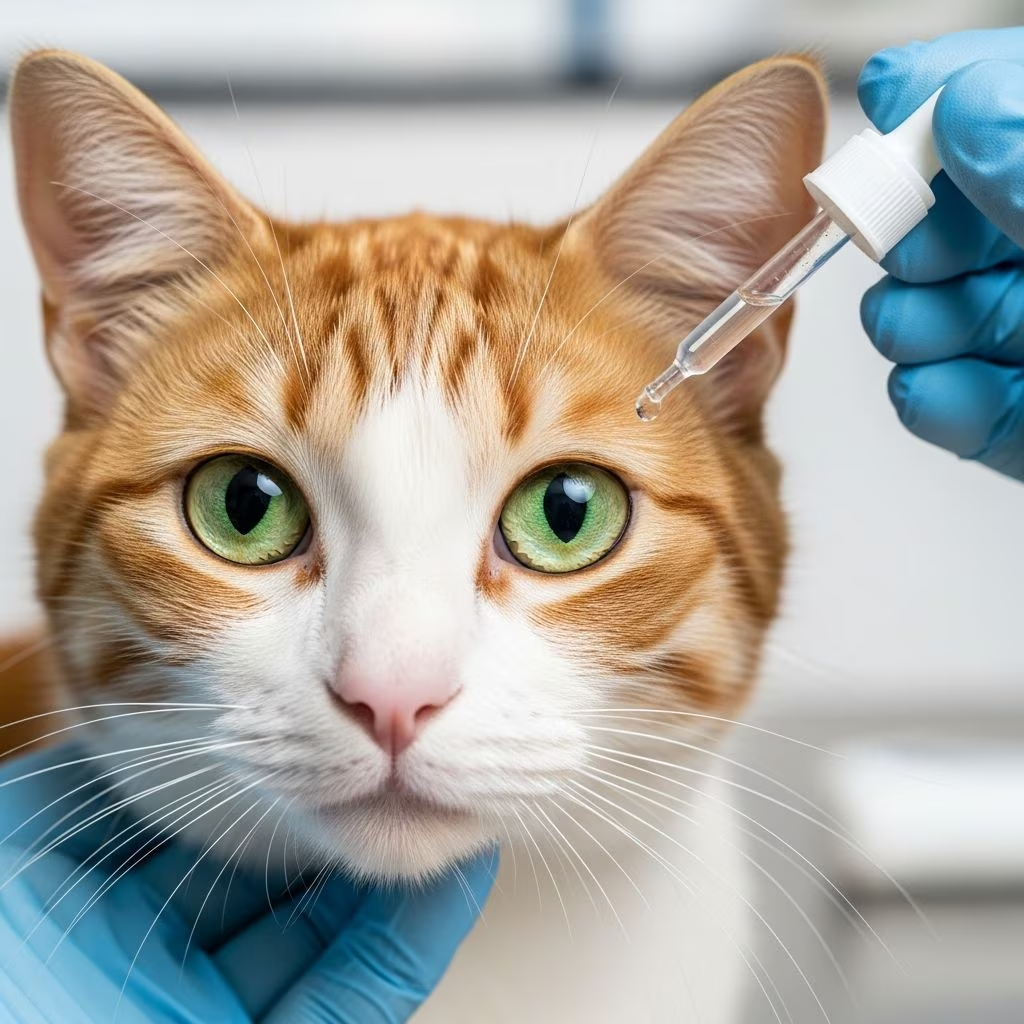
Cats experience a variety of eye conditions throughout their lives, ranging from minor irritations to serious vision-threatening diseases. While some conditions resolve independently, many require pharmaceutical intervention to prevent complications and preserve sight. Understanding the role of ophthalmic medications, particularly eye drops, empowers pet owners to support their cats’ ocular health and work effectively with veterinary professionals.
Understanding Feline Eye Conditions and Medication Needs
The feline eye is a delicate structure vulnerable to infections, inflammatory conditions, trauma, and degenerative diseases. When cats develop eye problems, they often exhibit noticeable behavioral changes and physical symptoms that warrant medical evaluation. Unlike systemic medications that treat the entire body, topical ocular treatments deliver therapeutic agents directly to affected tissues, offering targeted relief and faster healing.
Common reasons veterinarians prescribe eye medications for cats include managing infections, reducing inflammation, controlling intraocular pressure, lubricating dry eyes, and supporting corneal healing. Each medication type serves specific therapeutic purposes and requires proper administration to be effective.
Categories of Feline Eye Medications
Veterinarians employ several classes of ophthalmic medications to address different feline eye conditions. Understanding these categories helps pet owners recognize what their veterinarian recommends and why.
Antibiotic Solutions and Ointments
Bacterial eye infections in cats respond well to topical antibiotic therapy. These medications contain agents such as gentamicin, tobramycin, or fluoroquinolones that eliminate pathogenic bacteria causing conjunctivitis, corneal ulcers, and secondary infections. Antibiotic ointments provide longer contact time with ocular tissues compared to solutions, making them particularly useful for moderate infections. Veterinarians typically recommend application three to four times daily, depending on infection severity.
Antiviral Medications
Feline Herpesvirus (FHV-1) represents one of the most common viral causes of cat eye infections, particularly in stressed or immunocompromised individuals. While antiviral eye drops directly address viral replication in ocular tissues, systemic antiviral medications like famciclovir provide broader coverage. Some cats benefit from L-lysine supplementation, which helps suppress viral replication and reduce recurrence frequency.
Anti-inflammatory and Immunosuppressive Drops
Conditions characterized by inflammatory responses—such as uveitis, allergic conjunctivitis, and dry eye disease—respond to anti-inflammatory medications. Corticosteroid drops like dexamethasone and prednisolone reduce swelling and discomfort by suppressing the immune response. For chronic dry eye disease, immunosuppressive medications such as cyclosporine and tacrolimus stimulate tear production by modulating immune activity at the lacrimal gland.
Lubricating Agents
Cats with insufficient tear production require artificial tear supplements to maintain corneal health and prevent ulceration. These lubricating solutions mimic natural tears and should be applied multiple times daily as part of ongoing management. Regular lubrication prevents the progressive corneal damage associated with keratoconjunctivitis sicca (dry eye syndrome).
Pressure-Reducing Medications
Glaucoma, characterized by elevated intraocular pressure, demands immediate pharmaceutical intervention. Eye drops containing prostaglandin analogs, beta-blockers, or carbonic anhydrase inhibitors reduce aqueous humor production or improve drainage, thereby lowering pressure and preventing permanent optic nerve damage.
Recognizing When Your Cat Needs Ocular Medications
Pet owners should monitor their cats for signs indicating eye problems that may require medical treatment. Early recognition of symptoms leads to faster diagnosis and prevents progression to vision loss.
- Redness and swelling around the eye or conjunctiva suggest inflammation or infection requiring investigation
- Eye discharge ranging from clear to thick yellow-green indicates varying levels of infection or irritation
- Squinting or excessive blinking signals ocular discomfort that demands evaluation
- Cloudiness or opacity in the eye may represent corneal damage, cataracts, or other vision-threatening conditions
- Visible third eyelid protrusion indicates illness or significant discomfort
- Sensitivity to light suggests anterior uveitis or corneal ulceration
- Pawing at the eye demonstrates significant pain or irritation
Should pet owners observe any of these signs, contacting a veterinarian promptly allows for appropriate diagnosis and treatment planning.
Proper Administration Techniques for Feline Eye Drops
Even the most effective medication fails if not properly applied. Administering eye drops to cats requires patience, proper technique, and sometimes creative strategies.
Step-by-Step Application Process
Preparation begins with washing hands thoroughly to prevent introducing bacteria into the eye. Before application, gently clean away any discharge using a soft, damp cloth, moving from the inner corner outward. This prevents crusted material from obstructing medication contact with affected tissues.
Positioning your cat comfortably is essential. Some cats tolerate administration better when cradled in a towel or positioned on a lap. Gently tilt the head back slightly, allowing the eye to face upward naturally.
Drop placement requires accuracy. Hold the dropper bottle several inches above the eye without touching the eyelid or eye surface, which can contaminate the applicator. Instill the prescribed number of drops into the lower conjunctival sac (the pocket between the lower lid and eye). Avoid placing drops directly on the cornea, as this feels uncomfortable and may trigger protective eye closure.
Retention improves when the eye remains open briefly after application. Gently hold the eyelids open for 15-30 seconds, allowing medication to distribute across the ocular surface. The nictitating membrane (third eyelid) will help spread the solution.
Managing Resistant Felines
Many cats resist eye drop administration. Helpful strategies include:
- Administering drops after the cat has eaten and feels content
- Having a second person help gently stabilize the cat’s head
- Rewarding compliance with treats or affection immediately after administration
- Warming the medication bottle slightly in your hand, as room-temperature drops feel less uncomfortable
- Discussing alternative formulations with your veterinarian, such as ointments that may be easier to apply
Managing Different Eye Conditions With Appropriate Medications
Specific feline eye conditions respond optimally to targeted medication approaches.
Conjunctivitis Management
This common condition presents with redness, swelling, and discharge. Bacterial conjunctivitis requires antibiotic drops or ointments applied three to four times daily until resolution. Viral conjunctivitis may benefit from antiviral medications combined with supportive lubricating drops. Allergic conjunctivitis typically responds to topical anti-inflammatory medications and allergen avoidance.
Corneal Ulcer Treatment
Mild corneal ulcers heal with antibiotic drops and pain relief medications. Severe ulcers may require additional pharmaceutical support or surgical intervention. Consistent application of prescribed medications prevents secondary bacterial infection and promotes epithelial healing.
Dry Eye Syndrome Management
This chronic condition requires ongoing medication compliance. Artificial tears applied multiple times daily provide immediate lubrication, while immunosuppressive medications address the underlying immune-mediated tear production loss. Many cats require long-term management to prevent progressive corneal damage.
Glaucoma Treatment
Immediate medication initiation prevents irreversible optic nerve damage. Pressure-reducing drops administered multiple times daily are often necessary indefinitely, with periodic monitoring to assess efficacy and adjust treatment as needed.
Important Safety Considerations and Precautions
Proper medication use involves more than simply applying drops. Pet owners must understand important safety principles.
Never use human eye drops on cats without explicit veterinary approval. Formulations designed for human eyes may contain ingredients harmful to feline ocular tissues. Always use medications prescribed specifically for your cat.
Prevent cross-contamination when treating both eyes by using separate dropper tips or waiting between applications. This prevents spreading infection from one eye to the other.
Monitor for adverse reactions during treatment. While most prescribed medications are well-tolerated, some cats develop sensitivity or allergic responses. Contact your veterinarian if your cat exhibits increased redness, swelling, or discharge after starting treatment.
Maintain consistent dosing schedules as prescribed. Skipped doses reduce medication effectiveness and may allow conditions to progress. Setting phone reminders or establishing routines helps ensure compliance, particularly with multiple daily applications.
Store medications appropriately according to package instructions. Some drops require refrigeration, while others should remain at room temperature. Expired medications may lose potency or become contaminated, so check expiration dates regularly.
Complementary Home Care Practices
While medications form the foundation of feline eye condition treatment, complementary home care enhances outcomes. For mild discharge caused by irritants or allergens, gently cleaning the eye with a warm, damp cloth provides comfort and prevents discharge buildup that could obstruct medication contact with affected tissues.
Maintaining a stress-free environment benefits cats with viral eye infections, as stress suppresses immune function and may trigger recurrence of Feline Herpesvirus infections. Ensuring adequate nutrition, regular veterinary checkups, and current vaccinations support overall ocular and systemic health.
When to Seek Emergency Veterinary Care
Certain eye conditions require immediate veterinary attention regardless of the hour. Emergency situations include sudden or severe eye swelling, thick yellow-green discharge indicating serious infection, visible blood in the eye, significant changes in pupil size, rapid vision loss, or signs of extreme pain such as constant pawing or eye closure. These symptoms may indicate vision-threatening conditions requiring immediate intervention.
Frequently Asked Questions About Feline Eye Medications
How long do cats typically require eye medication?
Duration varies by condition. Acute bacterial infections may resolve within 7-14 days of treatment, while viral infections might require 2-3 weeks. Chronic conditions like dry eye or glaucoma often necessitate long-term or lifelong medication management.
Can eye drops interact with other cat medications?
Systemic absorption of topical eye medications is generally minimal, reducing interaction risk. However, inform your veterinarian about all medications your cat takes, as certain combinations warrant monitoring.
What should I do if I miss a dose?
Administer the missed dose as soon as remembered, unless the next scheduled dose is imminent. Never double-dose to compensate for a missed application.
Are there natural alternatives to prescription eye drops?
While some pet owners explore natural remedies, veterinarian-prescribed medications have proven efficacy and safety profiles. Discuss any interest in alternative approaches with your veterinarian before implementation.
The Importance of Veterinary Partnership in Ocular Care
Successful feline eye condition management depends on strong communication between pet owners and veterinarians. Regular follow-up examinations allow assessment of medication efficacy and detection of complications. Cats with chronic eye conditions may require periodic re-evaluation to adjust treatment protocols as their condition evolves.
Pet owners who understand the purpose of prescribed eye medications, master proper application techniques, and maintain consistent treatment schedules provide their cats with the best opportunity for preserving vision and maintaining ocular comfort throughout their lives.
References
- Keeping Your Cat’s Eyes in Purr-fect Health — Stack Veterinary Hospital. https://stackvethospital.com/keeping-your-cats-eyes-in-purr-fect-health/
- Cat Eye Problems: Most Common Eye Issues in Cats — PetMD. https://www.petmd.com/cat/general-health/common-cat-eye-problems
- 6 Common Cat Eye Problems — Northgate Veterinary Clinic. https://www.northgateveterinary.com/site/blog/2024/07/15/cat-eye-problems
- Cat Eye Infection Treatments & Symptoms — AnimERge. https://www.animergevets.com/site/blog/2022/10/30/cat-eye-infection
- Understanding Cat Eye Discharge: Causes, Treatment, and When to Seek Help — Berthoud Animal Hospital. https://berthoudanimalhospital.com/blog/cat-eye-discharge/
- Cat Eye Infection: Is It an Emergency? — Greater Seattle Veterinary Specialists. https://gsvs.org/blog/cat-eye-infection-emergency/



