

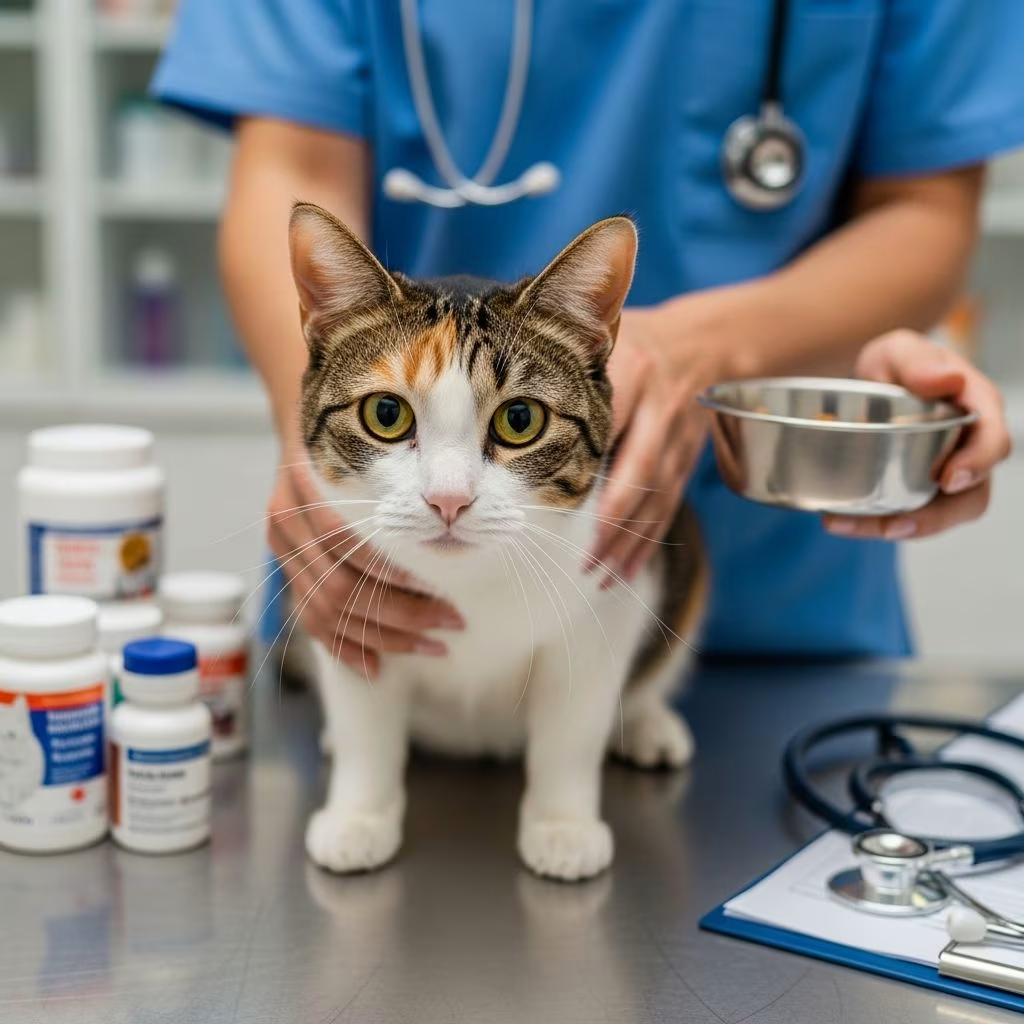
Eating-related conditions in cats represent a spectrum of medical and behavioral challenges that warrant serious attention from pet owners and veterinary professionals. Unlike their wild ancestors who could tolerate extended periods without food, domesticated cats have metabolic requirements that demand consistent nutritional intake. Understanding the different manifestations of eating disorders in felines is essential for early detection and appropriate intervention.
Understanding the Distinction Between Appetite and Hunger
The foundation of recognizing eating disorders in cats requires understanding a critical distinction: hunger is a physical drive while appetite is psychologically motivated. A cat experiencing true hunger has a biological need for food, whereas appetite reflects the cat’s desire or willingness to eat. This distinction becomes particularly important when diagnosing why a cat has reduced food intake.
When cats exhibit decreased food consumption, veterinarians must first determine whether the cat wants to eat but cannot, or whether the cat genuinely has no desire to eat. This differentiation guides diagnostic and treatment approaches significantly.
Primary Categories of Appetite Loss in Felines
Veterinary professionals recognize appetite loss through several distinct classifications:
- True anorexia: Complete or partial loss of appetite where the cat has no desire to eat despite food availability
- Pseudo-anorexia: The cat experiences hunger but cannot consume food due to physical inability to pick up, chew, or swallow
- Dysrexia: A general term describing appetite reduction that may be partial or complete
Each category suggests different underlying causes and requires distinct diagnostic approaches. A cat with pseudo-anorexia might have severe dental disease preventing chewing, while true anorexia might indicate systemic illness or psychological stress.
Physical Impediments to Food Consumption
Pseudo-anorexia frequently results from structural or functional problems within the mouth, throat, or swallowing mechanism. These conditions create a disconnect between a cat’s biological hunger and its ability to ingest food:
- Stomatitis, gingivitis, or esophagitis causing inflammation and pain in oral tissues
- Advanced periodontal disease with loose or missing teeth compromising chewing capacity
- Masses or abscesses behind the eyes affecting jaw movement
- Temporomandibular joint (TMJ) dysfunction in the jaw articulation
- Pain in mastication muscles used for chewing
- Salivary gland disease interfering with swallowing mechanics
- Neurological conditions affecting the coordination of chewing and swallowing
- Oral or throat cancers creating physical barriers to food passage
Owners noticing cats that approach food but struggle to eat, drool excessively, or show signs of mouth pain should seek veterinary evaluation promptly. These signs indicate pseudo-anorexia requiring specific treatment for the underlying physical condition.
Systemic Diseases Associated with Appetite Loss
True anorexia frequently signals systemic illness affecting multiple body systems. Conditions that reduce appetite include:
- Sensory loss, particularly the inability to smell, which substantially diminishes food palatability
- Chronic pain anywhere in the body, which distracts from eating and food-seeking behaviors
- Gastrointestinal obstruction preventing normal food passage
- Stomach and intestinal ulceration causing pain during digestion
- Nausea from any underlying cause
- Malignancies throughout the body that suppress appetite
- Medication side effects that alter eating behavior
- Environmental factors such as excessive heat reducing feeding interest
The metabolic sensitivity of cats to caloric restriction compounds the concern around appetite loss. Cats are unable to tolerate prolonged periods without eating, with risks of severe hepatic lipidosis (fatty liver disease) developing within just a few days of inadequate food intake. This makes appetite loss particularly urgent in feline medicine compared to other animal species.
Behavioral and Psychological Factors Influencing Food Intake
Beyond medical causes, psychological and environmental factors significantly impact feline eating behavior. Cats may reduce food intake due to:
- Introduction of new foods the cat dislikes or finds unpalatable
- Stress from household changes or new animal introductions
- Environmental modifications affecting the location of food and water dishes
- Competition from other household pets
- Changes in routine or feeding schedule
Understanding whether appetite loss stems from medical or behavioral causes requires careful observation and professional assessment. Owners should note whether the cat shows other symptoms of illness or if the appetite change correlates with specific environmental or household changes.
Pica: The Consumption of Non-Food Items
While appetite loss represents one eating disorder spectrum, pica describes the opposite concern: consumption of inappropriate items. Pica involves chewing, sucking, or ingesting non-food materials such as fabric, plastic, soil, wood, strings, rubber bands, and rocks.
This behavior extends beyond normal feline curiosity and becomes problematic when persistent and potentially harmful. The consequences of pica can be severe:
- Gastrointestinal obstructions requiring surgical intervention
- Intestinal perforation and peritonitis
- Poisoning from toxic substances or materials
- Dental damage and oral injuries
- Nutritional imbalances if pica replaces normal food consumption
Cats exhibiting pica may also show other symptoms including constipation, straining during defecation, lethargy, decreased appetite or thirst, and vomiting. These secondary symptoms often indicate gastrointestinal complications requiring immediate veterinary attention.
Medical Origins of Pica Behavior
Pica frequently indicates underlying medical conditions rather than simple behavioral quirks. Potential medical causes include:
- Nutritional deficiencies: Animals consuming soil and non-food items may have mineral or trace element insufficiencies
- Hyperthyroidism affecting metabolism and nutrient absorption
- Anemia reducing oxygen-carrying capacity and nutrient status
- Gastrointestinal parasites interfering with nutrient uptake
- Inflammatory bowel conditions causing malabsorption
Medical evaluation becomes essential before attributing pica solely to behavioral causes. Bloodwork, urinalysis, and diagnostic imaging can identify nutritional deficiencies or systemic conditions driving the behavior.
Behavioral and Environmental Contributors to Pica
Beyond medical origins, behavioral and environmental factors substantially contribute to pica development:
- Boredom and insufficient enrichment: Cats lacking adequate exercise, mental stimulation, interactive toys, and social interaction develop pica as a self-directed activity
- Anxiety and stress: Separation anxiety or stress from household changes can manifest as pica behavior
- Early weaning: Cats weaned prematurely from mothers may develop nonnutritive suckling on inanimate objects
- Compulsive behavior: Some cats develop true compulsive disorders requiring behavioral and pharmaceutical intervention
Environmental enrichment plays a particularly important role in pica prevention and management. Cats require diverse stimulation, interactive play, climbing structures, and mental challenges to maintain healthy behavioral patterns.
Clinical Presentation and Associated Symptoms
Cats with eating disorders display variable clinical presentations depending on the underlying cause and severity. Common symptoms include:
- Weight loss from reduced caloric intake
- Weakness and lethargy
- Behavioral changes including depression and reduced activity
- Increased hiding behavior and social withdrawal
- Altered social interaction, either increased dependence on owners or avoidance
- Vomiting and diarrhea
- Excessive salivation
- Jaundice (yellowing of skin, eyes, and mucous membranes) indicating liver disease
- Unresponsiveness to normal stimuli
The presence of jaundice specifically warrants urgent veterinary evaluation, as it indicates potential hepatic lipidosis or other serious liver complications.
Diagnostic Approach to Eating Disorders
Determining the cause of eating disorders requires a systematic diagnostic approach. The veterinary evaluation typically includes:
- Comprehensive physical examination: Assessing oral structures, palpating the abdomen, and evaluating overall body condition
- Bloodwork: Complete blood count and chemistry panel identifying systemic disease, organ dysfunction, and metabolic abnormalities
- Urinalysis: Detecting urinary tract disease and metabolic conditions
- Diagnostic imaging: Radiography or ultrasound identifying gastrointestinal obstructions, masses, or organ enlargement
- Behavioral assessment: Understanding environmental factors and recent changes correlating with appetite loss
This comprehensive approach allows veterinarians to distinguish between true anorexia and pseudo-anorexia while identifying the specific underlying cause guiding treatment selection.
Management Strategies Based on Underlying Cause
Treatment approaches vary substantially depending on the identified cause:
| Disorder Type | Primary Treatment Approach | Additional Interventions |
|---|---|---|
| Dental Disease (Pseudo-anorexia) | Professional dental cleaning and tooth extraction if necessary | Pain management, soft food diet, oral antibiotics |
| Systemic Illness | Treatment of underlying condition (thyroid medication, kidney management, etc.) | Supportive care, dietary modification, appetite stimulants |
| Nutritional Deficiency Pica | Dietary adjustment and nutritional supplementation | Mineral or vitamin supplementation, parasite control |
| Behavioral Pica | Environmental enrichment and stress reduction | Behavioral modification, anxiety management, pharmaceutical intervention if needed |
Treatment success depends on accurately identifying the underlying cause. A cat with pseudo-anorexia from dental disease will not respond to appetite stimulants but will improve dramatically following dental treatment. Conversely, a cat with pica from boredom requires environmental modification rather than medical intervention.
Nutritional Support and Dietary Considerations
Dietary management plays a crucial role in managing eating disorders. Strategies include:
- Offering more palatable food options such as wet or canned foods
- Providing freshly cooked meat (chicken) to stimulate appetite
- Warming food to enhance aroma and palatability
- Feeding smaller, more frequent meals to avoid overwhelming the digestive system
- Utilizing prescription diets specifically formulated for underlying conditions
- Adding appetite-stimulating medications when appropriate
The critical timeframe for intervention cannot be overstated. Obese cats face particularly high risk of developing life-threatening hepatic lipidosis if they do not maintain adequate caloric intake, making prompt intervention essential.
Distinguishing Legitimate Pickiness from Pathology
Not all eating behavior changes indicate disorder. Some cats are naturally selective eaters with strong food preferences. Key distinctions help differentiate normal pickiness from pathology:
- Picky eaters unlikely to lose weight despite reduced intake
- Absence of other clinical symptoms such as lethargy, vomiting, diarrhea, coughing, or sneezing
- Normal activity level and social behavior
- Willingness to eat when offered preferred foods
If reduced appetite accompanies weight loss or other symptoms, veterinary evaluation becomes necessary regardless of whether the cat appears otherwise healthy.
Long-Term Prognosis and Management
The prognosis for cats with eating disorders varies widely depending on the underlying cause. Some conditions resolve quickly with minimal intervention, while others require lifelong management. Factors affecting prognosis include:
- The specific underlying diagnosis and its treatability
- How quickly the condition was identified and treated
- The cat’s overall health status and age
- Owner compliance with recommended treatment and management strategies
- The presence of complications such as hepatic lipidosis
Chronic conditions like diabetes or kidney disease require ongoing veterinary monitoring and management but can often be effectively controlled with appropriate treatment protocols.
When to Seek Immediate Veterinary Care
Certain situations warrant urgent or emergency veterinary attention:
- Complete loss of appetite lasting more than 24 hours
- Appetite loss accompanied by jaundice
- Severe lethargy or unresponsiveness
- Vomiting or inability to keep food down
- Signs of gastrointestinal obstruction (straining, constipation, abdominal distension)
- Ingestion of foreign objects with potential for obstruction
- Sudden changes in eating behavior in previously healthy cats
Early intervention in eating disorders significantly improves outcomes and prevents serious complications. Pet owners should monitor their cats’ eating habits closely and report any concerning changes to their veterinarian promptly.
References
- Anorexia in Cats — VCA Animal Hospitals. https://vcahospitals.com/know-your-pet/anorexia-in-cats
- Lack, Loss, or Decreased Appetite (Dysrexia, Anorexia, and Hyporexia) in Cats — Vetster. https://vetster.com/en/symptoms/cat/lack-loss-or-decreased-appetite
- Anorexia in Cats – Symptoms, Causes, Diagnosis, Treatment — Wag Walking. https://wagwalking.com/cat/condition/anorexia
- Pica in Cats: What It Is, Symptoms, and Treatment — PetMD. https://www.petmd.com/cat/conditions/behavioral/pica-cats
- Abnormal Eating Habits in Cats — UC Davis School of Veterinary Medicine. https://healthtopics.vetmed.ucdavis.edu/health-topics/feline/unusual-eating-habits-cats
- Anorexia — Cornell University College of Veterinary Medicine. https://www.vet.cornell.edu/departments-centers-and-institutes/cornell-feline-health-center/health-information/feline-health-topics/anorexia



