

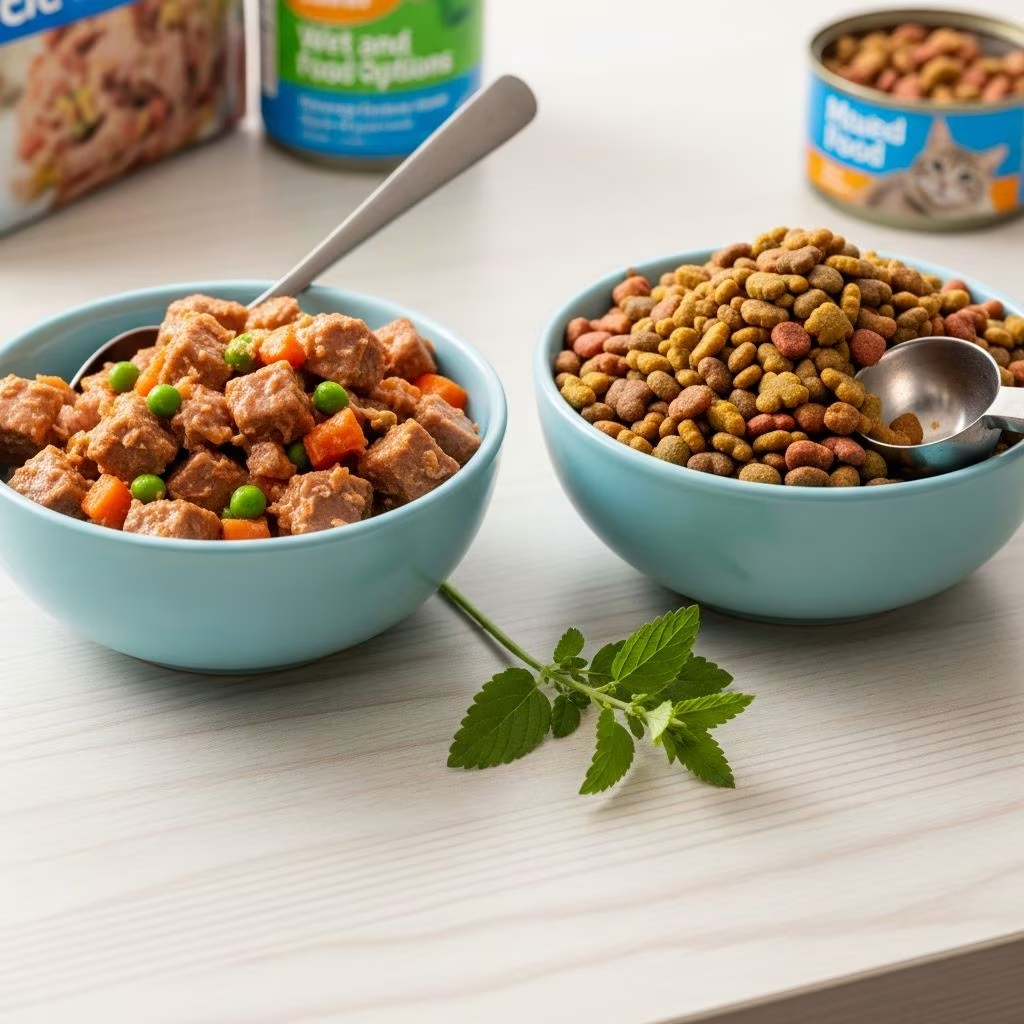
Selecting the appropriate food for your cat represents one of the most important decisions you’ll make as a pet owner. The market offers numerous options, but two primary categories dominate feline nutrition: moisture-rich canned varieties and shelf-stable kibble formulations. Each approach presents distinct advantages and considerations that can significantly influence your cat’s overall health, hydration levels, and eating habits. Understanding the fundamental differences between these options empowers you to make informed choices aligned with your cat’s individual needs and your household circumstances.
Understanding Moisture Profiles in Feline Diets
The most striking distinction between canned and kibble formulations centers on water content. Dry kibble typically contains approximately 10-12% moisture, with the remaining composition consisting of concentrated nutrients, proteins, and carbohydrates. This low moisture environment creates a shelf-stable product that requires minimal refrigeration and resists spoilage.
In contrast, canned cat food maintains significantly higher moisture levels, ranging from 70-80%. This elevated water content reflects how cats naturally obtain hydration in their native diet through prey consumption. The preservation method used in canned products—high-pressure steam cooking within sealed containers—prevents moisture loss during processing, maintaining this hydration advantage throughout the product’s shelf life.
This moisture differential becomes particularly relevant when considering your cat’s overall water intake and health status. Cats possess a relatively weak thirst drive compared to other animals, making dietary moisture an essential component of their hydration strategy.
Nutritional Composition Across Food Categories
Beyond moisture content, wet and dry foods differ substantially in their macronutrient concentrations. These variations stem from both formulation differences and the processing methods employed.
Protein and Fat Considerations
Canned formulations typically contain 2-10% fat content, providing essential fatty acids that support skin health, coat quality, and sustained energy production. Dry kibble generally presents higher fat percentages, ranging from 8-22%, creating a more energy-dense product suitable for cats requiring rapid caloric intake.
Regarding protein content, canned options often deliver concentrated protein per serving due to their lower water percentage when measured by dry matter equivalent. This concentration becomes especially valuable for senior cats experiencing age-related muscle decline and kittens requiring robust developmental nutrition.
Carbohydrate and Nutrient Density
Canned foods typically contain less than 10% carbohydrates, more closely approximating a cat’s ancestral carnivorous diet. Dry kibble formulations require higher carbohydrate content—often ranging from 25-35%—to provide structural integrity and assist in the extrusion process that shapes the individual kibble pieces. This carbohydrate necessity reflects the manufacturing constraints of dry food production rather than nutritional requirements.
The nutrient density in kibble allows cats to consume smaller meal volumes while meeting their caloric requirements, though this advantage comes with considerations regarding portion control and feeding discipline.
Health and Wellness Implications
The choice between feeding formats carries substantial health ramifications that extend beyond simple nutritional differences.
Hydration and Urinary Health
Increased moisture intake through canned foods can meaningfully reduce the risk of urinary tract complications and kidney disease progression. This benefit proves particularly significant for cats with diagnosed renal conditions, feline lower urinary tract disease, or a genetic predisposition to these ailments. Cats naturally evolved obtaining approximately 70% of their water intake through food consumption, making dietary moisture crucial for maintaining appropriate hydration without relying on increased voluntary water drinking.
Senior cats and those with reduced drinking behaviors derive particular advantage from moisture-enriched feeding approaches, as their naturally diminished thirst drive can lead to chronic mild dehydration when consuming exclusively dry formulations.
Dental Health Considerations
Dry kibble offers a grinding action during consumption that may help reduce tartar accumulation and plaque formation on tooth surfaces. Cats fed exclusively on soft, wet foods lack this mechanical cleaning benefit and may require additional dental care interventions such as brushing or professional cleanings to maintain oral health.
However, this dental advantage does not override the importance of meeting individual cat’s nutritional and hydration requirements, and dental care supplemented through other means can address any oral health gaps.
Digestive Support and Hairball Management
The elevated moisture content in canned foods facilitates improved digestive processes, potentially reducing hairball formation by helping ingested hair pass through the digestive tract more efficiently. This benefit becomes particularly valuable during shedding seasons when cats consume increased quantities of loose fur through grooming activities.
Palatability and Feeding Appeal
Cats possess highly developed sensory preferences, and food appeal significantly influences eating behavior and nutritional intake. Canned foods typically demonstrate superior palatability through multiple sensory channels. The aromatic compounds intensify during the cooking process, creating powerful scent signals that attract cats with diminished appetites, particularly senior animals or those recovering from illness.
Texture variety in canned options—including pâtés, chunked meats in gravy, and shredded preparations—accommodates different preferences and can appeal to selective eaters who reject monotonous kibble textures. This appeal factor proves especially valuable when addressing finicky eaters or transitioning cats between food sources.
Dry kibble, while offering convenience and cost advantages, may prove less enticing to picky felines and requires careful introduction when attempting dietary modifications.
Practical Considerations for Pet Owners
Storage and Shelf Life
Dry kibble excels in practical storage efficiency, requiring no refrigeration and maintaining stability for extended periods even after opening when stored in appropriate containers. Canned foods, by contrast, require refrigeration following opening and typically remain viable for only 2-3 days in standard refrigerators, creating potential waste and storage challenges for households.
Cost Analysis and Budget Planning
Dry food typically offers superior cost-effectiveness on a per-ounce basis, making it the preferred choice for budget-conscious households and those feeding multiple cats. The concentrated nutrient and calorie density means smaller quantities fulfill nutritional requirements compared to moisture-heavy alternatives.
Canned foods command premium pricing, often resulting in significantly higher feeding costs over extended periods. However, this investment may prove worthwhile for cats with specific health conditions benefiting from increased moisture consumption.
Portion Control and Feeding Management
Individual cans and pouches facilitate precise portion measurement, enabling careful caloric monitoring essential for weight management programs. Dry kibble’s convenient scooping mechanism can inadvertently encourage overfeeding, particularly when bowls remain available for free-feeding throughout the day.
| Feature | Canned Format | Kibble Format |
|---|---|---|
| Moisture Content | 70-80% | 10-12% |
| Fat Range | 2-10% | 8-22% |
| Carbohydrates | Under 10% | 25-35% |
| Cost Relative Position | Premium pricing | Budget-friendly |
| Storage Requirements | Refrigeration post-opening | Shelf-stable |
| Feeding Appeal | High palatability | Moderate palatability |
| Dental Benefits | Limited abrasive action | Mechanical cleaning action |
Hybrid Approaches: Combining Feeding Strategies
Many experienced cat owners and veterinarians advocate for combination feeding strategies that leverage the advantages of both formats while minimizing disadvantages. This flexible approach might involve offering canned food during morning meals while providing dry kibble in the evening, creating balanced nutrition with flexibility for different circumstances.
Alternatively, some owners use canned food as a topping or mixer with dry kibble, enhancing palatability and moisture content without abandoning the convenience and cost benefits of kibble-based diets. This method proves particularly effective for transitioning cats between food types or encouraging consumption by selective eaters.
Combination feeding can address multiple objectives simultaneously: providing hydration through canned components, maintaining dental benefits through kibble portions, managing costs through balanced ratios, and improving overall feeding appeal through textural variety.
Selecting the Optimal Food for Your Individual Cat
The ideal feeding choice depends on multiple interconnected factors specific to your cat’s circumstances. Health status represents a primary consideration—cats with kidney disease, urinary tract issues, or chronic dehydration benefit significantly from moisture-enriched diets. Senior cats often respond favorably to enhanced palatability and easier-to-consume formats that canned foods provide.
Lifestyle factors matter equally. Outdoor cats and those with higher activity levels may benefit from the caloric density and sustained energy provision of kibble formulations. Indoor cats with tendencies toward weight gain might prosper under canned food’s lower caloric density combined with portion-controlled feeding.
Your household circumstances also deserve consideration. Multi-cat households with significant feeding expenses may rely primarily on kibble for cost management while supplementing with occasional canned meals. Conversely, single-cat households with capacity for higher feeding investments might prioritize comprehensive health benefits through predominantly canned feeding.
Frequently Asked Questions
Can cats thrive on exclusively dry food?
Many cats maintain health on dry kibble diets alone, though they require consistent access to fresh water and typically consume less total water than cats consuming moisture-enriched foods. However, cats with specific health conditions benefit substantially from increased dietary moisture.
How should I transition between feeding types?
Gradual transitions over 7-10 days, mixing increasing proportions of new food with existing food, help prevent digestive upset and allow cats to adjust to different textures and flavors. Abrupt changes often trigger gastrointestinal distress.
What indicators suggest my cat needs increased moisture intake?
Consulting your veterinarian provides the most reliable guidance, particularly if your cat exhibits signs of urinary tract issues, kidney disease diagnosis, consistently low water consumption, or weight management challenges.
Does price correlate with nutritional quality?
While premium formulations often contain higher-quality ingredients and superior nutrient profiles, mid-range options from reputable manufacturers may provide adequate nutrition at reduced cost. Reading ingredient lists and consulting veterinarians helps identify appropriate value options.
Are there advantages to feeding multiple food types simultaneously?
Combination approaches can provide hydration benefits, palatability enhancement, cost moderation, and textural variety that benefits many cats, though careful portion management remains essential to prevent overfeeding.
References
- Wet vs Dry Cat Food: Which is Right for My Cat — Nature’s Logic. Accessed February 17, 2026. https://natureslogic.com/blog/wet-vs-dry-cat-food/
- Wet vs. Dry Cat Food: Which Is Better? — Goodna Vet. Accessed February 17, 2026. https://www.goodnavet.com.au/post/wet-vs-dry-cat-food-which-is-better
- Wet vs. Dry Cat Food | What to Feed a Cat — Blue Buffalo. Accessed February 17, 2026. https://www.bluebuffalo.com/articles/cat/wet-vs-dry-cat-food/
- Wet vs Dry vs Raw Cat Food Recipes — Stella & Chewy’s. Accessed February 17, 2026. https://www.stellaandchewys.com/blogs/articles/wet-food-vs-raw
- Wet Vs. Dry Cat Food: Which Is Better? — Business Insider. Accessed February 17, 2026. https://www.businessinsider.com/guides/pets/wet-vs-dry-cat-food
- Wet vs. Dry Cat Food, or Both? — PetMD. Accessed February 17, 2026. https://www.petmd.com/cat/nutrition/wet-cat-food-vs-dry-cat-food-which-better
- Wet food vs. dry food: Which is better for your cat? — Banfield Pet Hospital. January 2025. https://www.banfield.com/Bblog/bwell/2025/Wet-food-vs-dry-food-which-is-better-for-your-cat



