

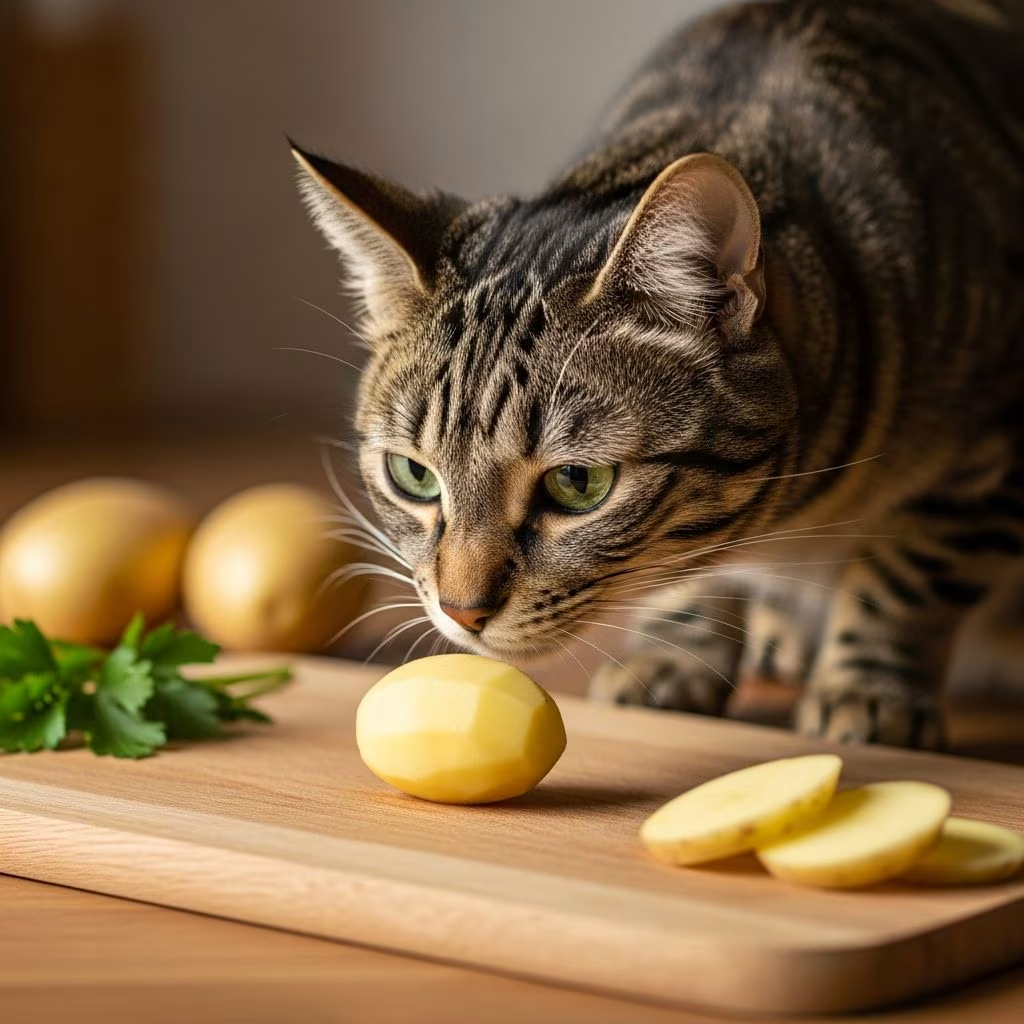
As a cat owner, you may wonder whether common household foods like potatoes are safe to share with your feline companion. While potatoes are a staple in human diets worldwide, cats have very different nutritional requirements and digestive capabilities. Understanding how potatoes fit—or don’t fit—into your cat’s dietary needs is essential for maintaining their health and preventing potential complications.
The Carnivore Question: Why Cats and Potatoes Don’t Naturally Mix
Cats are obligate carnivores, which means their bodies are biologically designed to obtain essential nutrients primarily from animal-based proteins and fats. Unlike humans and some other animals, cats cannot efficiently process or derive significant nutritional benefit from plant-based carbohydrates, including potatoes.
When cats consume potatoes, their digestive systems struggle to break down and absorb the starches and other plant compounds. This fundamental mismatch between feline digestive capacity and potato composition means that even properly prepared potatoes provide minimal nutritional value to your cat. Veterinary nutritionists emphasize that a cat’s complete nutritional profile should come from specially formulated commercial cat foods that contain appropriate levels of animal protein.
The carbohydrate content in potatoes is simply not something cats are equipped to process efficiently. While humans benefit from the vitamins, minerals, and fiber found in potatoes, cats cannot readily access these same benefits due to their specialized digestive enzymes and gut bacteria.
Navigating Raw Potatoes: A Clear Safety Concern
Raw potatoes present a serious and well-documented health hazard for cats that goes beyond simple digestive discomfort. All raw potatoes, regardless of variety or preparation method, contain a naturally occurring toxic compound called solanine.
Solanine is particularly concentrated in raw potato flesh and becomes even more abundant in the skin and in green-tinged potatoes that have been exposed to light during growth. This toxin affects cats (as well as humans and other animals) by disrupting normal cellular function and causing gastrointestinal and neurological symptoms.
If your cat ingests raw potato, watch carefully for these warning signs:
- Vomiting and diarrhea
- Lethargy and unusual tiredness
- Disorientation or confusion
- Excessive drooling
- Abdominal pain
Raw potatoes also pose a physical hazard, as they can be difficult for cats to chew and may cause choking or obstruction. If you suspect your cat has eaten raw potato or raw potato peel, contact your veterinarian immediately for guidance.
Cooked Potatoes: Safety Parameters and Preparation Guidelines
The good news is that properly prepared cooked potatoes are not inherently toxic to cats. However, “properly prepared” comes with specific requirements that many household potato dishes do not meet.
For a potato to be safe for your cat to taste, it must meet all of the following criteria:
| Preparation Requirement | Why It Matters |
|---|---|
| Thoroughly washed | Removes dirt, pesticides, and bacterial contaminants |
| Completely peeled | Eliminates solanine concentration in the skin |
| Cooked until tender | Breaks down starches and reduces digestive stress |
| Free of all seasonings | Prevents salt, garlic, and onion toxicity |
| No added fats or oils | Prevents pancreatitis and digestive upset |
| Served in tiny portions | Limits carbohydrate intake; one half-inch cube maximum |
When you prepare a plain, peeled, cooked potato for your cat, you’re offering what amounts to empty calories—food that provides minimal nutritional benefit but also poses minimal immediate risk if consumed occasionally.
The Hidden Dangers in Common Potato Dishes
Many popular potato preparations that humans enjoy are specifically dangerous for cats. Understanding why helps you protect your pet from accidental exposure.
Fried and oil-cooked potatoes: When potatoes are cooked in butter, oil, or other fats, these fats become difficult for a cat’s digestive system to process. Beyond causing simple vomiting and diarrhea, excessive fat consumption can trigger pancreatitis—a serious inflammatory condition affecting the pancreas. Pancreatitis causes severe gastrointestinal symptoms and requires veterinary treatment.
Salted potato products: Cats have significantly lower salt tolerance than humans. Foods like potato chips, salted french fries, and potato salads expose cats to sodium levels that can cause rapid dehydration and electrolyte imbalances. Even moderate salt consumption can make a cat dehydrated very quickly.
Seasoned and flavored varieties: Potato dishes often contain garlic, onions, chives, or other allium family plants that are toxic to cats. Mashed potatoes typically include butter, milk (which most cats cannot digest due to lactose intolerance), and salt. Potatoes with gravy contain rendered fats and often salt and seasonings that make them inappropriate for feline consumption.
Sweet Potatoes: A Different Category
Sweet potatoes differ from regular white and russet potatoes in a crucial way—they do not contain solanine. This means raw sweet potatoes are not toxic to cats, though they remain difficult for cats to digest and offer limited nutritional value.
If you choose to offer sweet potato to your cat as an occasional treat, follow the same preparation guidelines as regular potatoes: plain, peeled, cooked, and served in very small quantities. Sweet potatoes are sometimes included in commercial cat food formulations where they are carefully balanced within a complete nutritional profile, but additional sweet potato treats beyond what’s in commercial food provide little benefit.
The carbohydrate content of sweet potatoes remains high, and cats still cannot efficiently process or benefit from plant-based nutrition. While sweet potatoes are not dangerous, they are still considered empty calories in a feline diet.
What to Do If Your Cat Eats Potato
The appropriate response depends on what type of potato your cat consumed and in what quantity.
If your cat ate raw potato or potato skin: Contact your veterinarian immediately. These contain solanine levels that can cause toxicity, and your vet needs to evaluate your cat for signs of poisoning and provide treatment if necessary.
If your cat ate a small amount of plain cooked potato: Observe your cat for 48 hours, watching for vomiting, diarrhea, or other signs of gastrointestinal distress. If your cat shows no symptoms after two days, a single exposure to a small amount of plain cooked potato is unlikely to cause lasting harm. However, this should not become a regular occurrence.
If your cat ate seasoned, fried, or buttered potato: Monitor closely for signs of digestive upset or pancreatitis, which can include vomiting, lethargy, abdominal pain, and loss of appetite. If these symptoms appear, seek veterinary care promptly.
Building a Nutritionally Complete Feline Diet
The most important takeaway is that potatoes should never form a regular or significant part of your cat’s diet. Unlike some vegetables that can contribute meaningfully to human nutrition, potatoes provide no essential nutrients that your cat cannot obtain more efficiently from proper commercial cat food.
High-quality commercial cat foods are formulated to provide the exact balance of animal protein, essential amino acids (particularly taurine), vitamins, and minerals that cats require for optimal health. These foods undergo rigorous testing and quality control to ensure they meet feline nutritional standards.
If you want to offer your cat occasional treats, choose options specifically formulated for feline nutrition rather than human food staples. This approach eliminates the guesswork and potential risks associated with sharing table food.
Frequently Asked Questions
Is it safe for cats to eat potatoes?
Plain cooked potatoes that have been peeled and prepared without any fats, seasonings, or salt can be safely given to cats in very small quantities and on an infrequent basis. However, they offer minimal nutritional benefit and should not be a regular part of your cat’s diet.
Why are raw potatoes dangerous for cats?
Raw potatoes contain solanine, a toxic compound that causes vomiting, diarrhea, lethargy, and disorientation in cats. Additionally, raw potatoes can present a choking hazard.
Can cats eat mashed potatoes?
Plain mashed potato with the skin removed and no butter, gravy, milk, or seasonings added is considered safe in very small amounts. However, most mashed potato preparations contain ingredients that are problematic for cats, including dairy products, salt, and butter.
What about baked potatoes?
The inner flesh of a baked potato, away from the skin, can be offered in tiny amounts if it contains no added toppings, butter, sour cream, or other seasonings. The skin itself should never be given to cats.
Are all parts of the potato plant toxic?
Yes, all parts of the potato plant—including leaves, stems, and sprouts—contain solanine and should never be given to cats. Additionally, potatoes with green patches or sprouts contain elevated solanine levels and should be kept away from pets.
How much potato can I safely give my cat?
If you choose to offer cooked, plain potato to your cat, the maximum appropriate serving is one half-inch cube, and this should be only occasional—perhaps once or twice per week at most.
Should I be concerned if my cat shows no symptoms after eating potato?
If your cat ate a very small amount of plain cooked potato and shows no gastrointestinal symptoms within 48 hours, there is typically no cause for concern. However, this does not mean potatoes should become a regular treat.
Conclusion: Potatoes and Feline Health
While small amounts of plain, properly prepared cooked potato pose minimal risk to cats, they offer virtually no nutritional advantage and provide empty calories that detract from a balanced feline diet. Raw potatoes are clearly dangerous due to solanine toxicity, and common potato preparations with seasonings, fats, and other additions are explicitly unhealthy for your cat.
Rather than experimenting with potatoes or other human foods, focus on providing your cat with complete and balanced commercial nutrition and treats specifically formulated for feline health. This approach ensures your cat receives optimal nutrition while eliminating the risks associated with unsuitable human foods. If you have questions about what foods are safe for your cat, consult your veterinarian for personalized guidance based on your individual pet’s health status and dietary needs.
References
- Can Cats Eat Potatoes? — Cats.com. Accessed February 2026. https://cats.com/can-cats-eat-potatoes
- Can Cats Eat Potatoes? A Guide to Safety — Purina US. Accessed February 2026. https://www.purina.com/articles/cat/feeding/can-cats-eat/potatoes
- Can Cats Eat Potatoes? — PetMD. Accessed February 2026. https://www.petmd.com/cat/nutrition/can-cats-eat-potatoes
- Can Cats Eat Potatoes? Here’s What You Need to Know! — Untamed. Accessed February 2026. https://untamed.com/blogs/nutrition/can-cats-eat-potatoes
- Is Potato Toxic to My Cat? — Ziggy Family. Accessed February 2026. https://ziggyfamily.com/en/blogs/cats/is-potato-toxic-to-my-cat



