

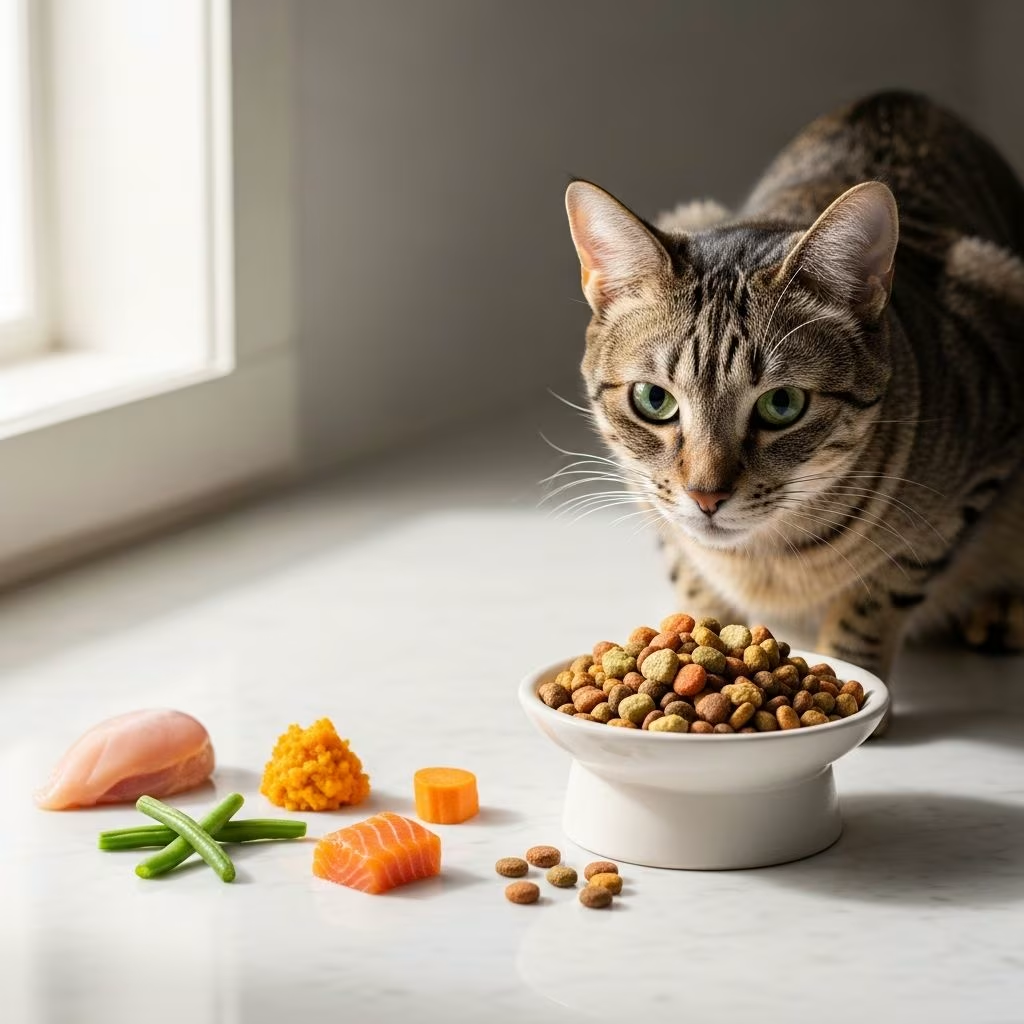
Choosing the right food for your cat is one of the most important decisions you can make as a pet owner. Unlike humans or even dogs, cats have very specific nutritional requirements that differ significantly based on their age, health status, and lifestyle. Understanding these needs and learning how to read food labels will help you make informed decisions that support your cat’s long-term health and vitality.
Understanding Your Cat’s Fundamental Dietary Nature
The foundation of any discussion about feline nutrition begins with a critical biological fact: cats are obligate carnivores. This means their bodies have evolved over thousands of years to obtain essential nutrients primarily from animal-based protein sources. Unlike omnivores, cats cannot synthesize certain vital compounds from plant-based ingredients, making meat consumption not just preferable but absolutely necessary for their survival and health.
Cats evolved as hunters of small prey animals, and their digestive systems, metabolic pathways, and nutrient requirements reflect this evolutionary history. This fundamental dietary nature shapes every aspect of how we should feed our feline companions, from the macronutrient ratios we aim for to the specific micronutrients they require.
Essential Nutrients That Sustain Feline Health
While cats need various nutrients to thrive, several stand out as particularly critical to their wellbeing. Understanding what these nutrients do and why they matter helps explain why certain food choices are better than others.
Protein and Amino Acids
Protein serves as the foundation of every cell in your cat’s body and provides the building blocks for muscle maintenance, tissue repair, and enzyme production. More importantly, cats require essential amino acids that their bodies cannot manufacture independently. Among these, taurine and arginine are especially significant.
Taurine is perhaps the most critical amino acid for cats because it plays vital roles in heart function, vision, and reproduction. A deficiency in taurine can lead to serious health consequences, including dilated cardiomyopathy (a heart condition) and progressive retinal atrophy (which can cause blindness). The good news is that taurine is found abundantly in animal-based proteins, particularly in meat and seafood.
Arginine is another essential amino acid that cats must obtain from their diet. It supports normal immune function, participates in protein synthesis, and plays a role in maintaining healthy blood vessels. Without adequate arginine, cats can develop serious health complications.
Fats and Fatty Acids
While many people associate fat with unhealthy weight gain, dietary fats are essential for cats’ wellbeing when present in appropriate amounts. Fats provide concentrated energy and serve as vehicles for fat-soluble vitamins. More importantly, certain fatty acids cannot be synthesized by cats’ bodies and must come from food.
Arachidonic acid, an omega-6 fatty acid, is essential for maintaining healthy skin and coat, supporting kidney function, and enabling proper reproduction. Linoleic acid is another essential fatty acid that cats require in their diet. These compounds cannot be manufactured by feline bodies, making their inclusion in commercial cat foods crucial.
Vitamins and Minerals
Cats require more than a dozen vitamins and minerals to maintain optimal health. Vitamin A is particularly important because, unlike many animals, cats cannot convert beta-carotene from plant sources into vitamin A. They must obtain this essential vitamin directly from animal sources. Calcium, phosphorus, magnesium, and other minerals support bone health, nerve function, and metabolic processes.
Decoding Food Labels and Nutritional Standards
Walking down the pet food aisle can feel overwhelming given the vast array of options available. Learning to read and interpret food labels empowers you to make choices aligned with your cat’s needs.
Looking for AAFCO Certification
The Association of American Feed Control Officials (AAFCO) establishes nutritional standards for pet foods. Look for cat foods carrying AAFCO certification, which indicates the product has met minimum nutritional requirements for your cat’s life stage. This certification appears on packaging and ensures you’re purchasing foods formulated to support feline health.
Reading the Ingredient List
Pet food ingredients are listed in descending order by weight. For your cat, look for foods where meat, meat byproducts, or seafood appear among the first few ingredients. This indicates the food contains sufficient animal-source protein to supply the essential amino acids and fatty acids cats require. Avoid foods listing grains or plant-based proteins as primary ingredients, as these do not adequately meet feline nutritional needs.
Protein and Carbohydrate Percentages
Adult cats thrive on foods containing at least 26% protein, though many cats benefit from higher protein levels—35% or more—which better matches their natural diet. When selecting food, look for protein percentages on the higher end of acceptable ranges.
Be cautious with carbohydrate content. Cats are designed to thrive on minimal carbohydrates, ideally less than 10%. While grain-free foods have become popular, remember that “grain-free” does not mean “carbohydrate-free.” Many grain-free products substitute traditional grains with peas, potatoes, and sweet potatoes, which provide carbohydrates without proven health benefits for cats.
Wet Food Versus Dry Food: Understanding the Differences
The choice between wet and dry food significantly impacts your cat’s hydration, satisfaction, and overall health. Each format offers distinct advantages and disadvantages worth considering.
Benefits of Wet and Canned Foods
Wet or canned cat food typically contains 75-85% moisture, making it an excellent source of hydration. Cats have a naturally low thirst drive and evolved to obtain most of their water intake through the food they consume. Feeding wet food helps ensure adequate hydration without relying on your cat to drink sufficient water from a bowl.
Nutritionally, wet foods often contain higher percentages of animal protein and lower carbohydrate levels compared to dry kibble. Many veterinarians recommend wet food as the primary diet for cats, particularly for senior cats who benefit from the higher moisture content and lower calorie density compared to equivalent volumes of dry food.
Additionally, wet foods tend to be more palatable for many cats, which can be helpful if your feline friend is a finicky eater or has lost interest in their current diet.
Advantages of Dry Food
Dry kibble offers practical advantages that appeal to many cat owners. It’s typically less expensive than wet food, stays fresh longer once opened, and produces less mess. Dry food also works well with free-feeding methods, where food remains available throughout the day, allowing cats to eat according to their natural grazing preferences.
Combining Both Types
Rather than viewing wet and dry foods as mutually exclusive choices, many nutrition experts recommend combining both formats. This approach allows cats to benefit from the hydration and nutritional density of wet food while enjoying the practicality and dental benefits some associate with dry kibble. A common recommendation is to provide primarily canned food supplemented with high-quality dry food.
Nutritional Requirements by Life Stage
Your cat’s nutritional needs evolve significantly throughout their life. Feeding appropriate foods for each stage supports optimal development, maintenance, and health in their senior years.
Kittens: Foundation for Growth
Kittens experience rapid growth and development, requiring nutrient-dense foods to support this transformation. According to AAFCO standards, dry kitten food must contain at least 30% protein—significantly more than adult cat food. Kittens also require higher levels of specific vitamins and minerals to support bone development, immune function, and neurological growth.
Young kittens can be fed using the free-choice method, meaning food remains available at all times. This approach works best with dry kitten food, which won’t spoil if left out. By the time kittens are approaching adulthood, 80-90% of their total nutrient intake should come from kitten-formula food.
Adult Cats: Maintaining Prime Health
Adult cats, typically between one and seven years old, require foods with at least 26% protein to maintain lean muscle mass and support their natural predatory physiology. Many adult cats thrive on even higher protein levels, making 35% or higher an excellent target.
The general recommendation is to feed adult cats twice daily, dividing the daily portion suggested on food packaging into two meals spaced eight to twelve hours apart. This feeding method, called portion control feeding, helps maintain a healthy weight and digestive rhythm. You may need to adjust portions based on your individual cat’s metabolism and activity level.
Senior Cats: Meeting Changing Needs
As cats age, their nutritional and physical needs shift. Senior cats benefit from canned-food or majority canned-food diets due to the higher moisture content and superior hydrating properties compared to dry kibble. The higher moisture content also means fewer calories per serving, which benefits overweight senior cats, though underweight seniors may require larger portions to maintain their weight.
Regular veterinary check-ups help identify any age-related changes in weight or health status, allowing you to adjust feeding strategies accordingly.
Avoiding Foods and Ingredients That Harm Your Cat
Just as important as knowing what to feed your cat is understanding what to avoid. Certain human foods and ingredients can cause serious health problems.
Toxic and Problematic Foods
Raw meat presents significant health risks, as it can transmit infectious diseases such as toxoplasmosis. Many cats are lactose intolerant, making milk and dairy products unsuitable despite the common association between cats and milk. High-fat treats contribute to obesity and its associated complications, including diabetes and arthritis.
Treating Treats Appropriately
While treats can be enjoyable rewards, they should not comprise more than 5-15% of your cat’s daily calorie intake. Exceeding this percentage means your cat may not consume enough of their nutritionally complete main food to receive all necessary nutrients. On days when you offer treats, reduce your cat’s main meals proportionally to prevent weight gain.
Healthy treat options include cooked white fish, cooked chicken breast, cooked turkey breast, and safe fruits and vegetables such as cucumber, pumpkin, carrots, asparagus, peas, bananas, strawberries, blueberries, and deseeded melon and apples. Avoid shop-bought treats, which are often high in calories, and never offer raw meat regardless of the claims made about raw diets.
Transitioning to a New Food
Cats have sensitive digestive systems, and abrupt food changes can cause gastrointestinal upset. A gradual transition period allows their digestive systems to adjust to new foods while helping you observe whether they accept the new diet.
Begin by mixing a small amount of new food with your cat’s current diet, gradually increasing the proportion of new food while decreasing the old food over 5-10 days. Keep foods separate during this period rather than mixing them together, as texture is very important to cats and mixing may cause them to refuse the entire meal.
Practical Feeding Strategies for Success
Beyond selecting the right food, your feeding approach influences your cat’s health outcomes. Regular weight monitoring helps identify any unintended weight gain or loss, allowing you to adjust portions accordingly. Keep water bowls clean and refreshed daily, and consider providing fresh, flowing water through fountains, as many cats prefer moving water.
Extreme weather conditions can temporarily increase your cat’s energy needs, so remain flexible with portions during temperature extremes. Most importantly, consult your veterinarian about your cat’s individual dietary needs, particularly if your cat has health conditions, seems overweight or underweight, or shows decreased appetite.
References
- The Best Diet for Your Cat — People’s Dispensary for Sick Animals (PDSA). https://www.pdsa.org.uk/pet-help-and-advice/looking-after-your-pet/kittens-cats/the-best-diet-for-your-cat
- Cat Diet Guide: What Should I Feed My Cat? — Chewy. https://www.chewy.com/education/cat/food-and-nutrition/cat-nutrition
- Cat Nutrition Tips — American Society for the Prevention of Cruelty to Animals (ASPCA). https://www.aspca.org/pet-care/cat-care/cat-nutrition-tips
- Cat and Kitten Nutrition 101 — Small Door Veterinary. https://www.smalldoorvet.com/learning-center/nutrition/cat-kitten-nutrition-101
- Feeding Your Cat — Cornell University College of Veterinary Medicine. https://www.vet.cornell.edu/departments-centers-and-institutes/cornell-feline-health-center/health-information/feline-health-topics/feeding-your-cat
- Complete Cat Health Guide for Every Life Stage — PetMD. https://www.petmd.com/cat/general-health/complete-cat-health-guide-every-life-stage
- Nutrition – General Feeding Guidelines for Cats — VCA Animal Hospitals. https://vcahospitals.com/know-your-pet/nutrition-feeding-guidelines-for-cats



