

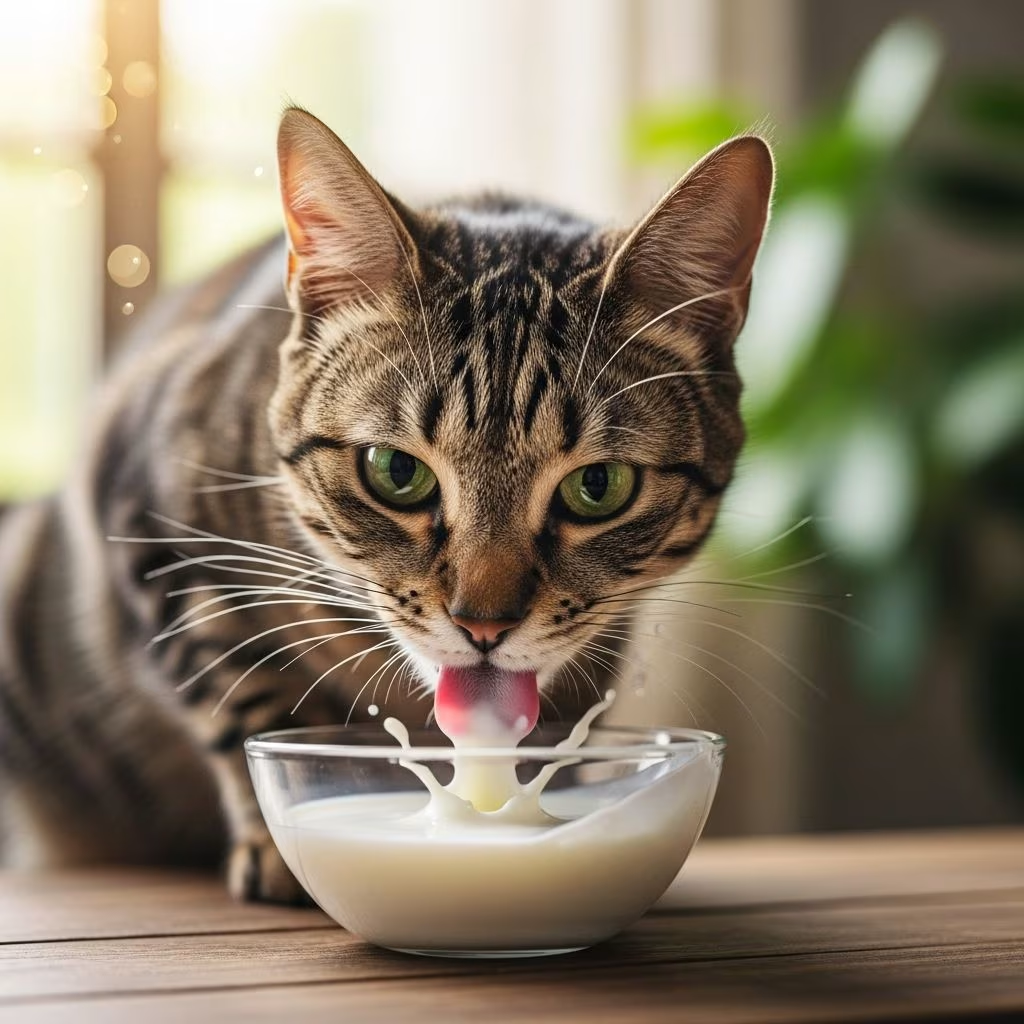
The image of a kitten contentedly lapping milk from a saucer has become a cultural icon, but this picturesque scene masks a nutritional reality that surprises many pet owners. Most adult cats should not consume milk, despite the widespread belief that felines naturally thrive on dairy products. This misconception has led countless well-intentioned owners to offer milk as a treat, unknowingly causing digestive distress to their beloved companions. Understanding the biological reasons behind this intolerance and learning proper feline nutrition practices is essential for maintaining your cat’s health and wellbeing.
The Kitten-to-Adult Transition: When Milk Becomes Problematic
Young kittens possess the biological tools necessary to process milk from their mothers. During the nursing phase, kittens produce adequate amounts of lactase, an enzyme responsible for breaking down lactose—the natural sugar present in milk. This enzyme works efficiently during infancy, allowing kittens to extract vital nutrients and hydration from their mother’s milk.
However, this ability does not persist into adulthood. As kittens progress through their development and begin consuming solid foods, their bodies naturally produce diminishing quantities of lactase. By approximately six months of age, most cats reach lactase levels similar to adults, which prove insufficient for processing dairy products. This biological transition reflects the natural evolution of feline diets from maternal nursing to prey-based eating patterns, a shift that has profound consequences for how cats can safely be fed throughout their lives.
The decline in lactase production is a normal physiological process, not a deficiency or disease. Rather, it represents the cat’s body adapting to its natural dietary requirements as a carnivorous hunter. Understanding this developmental change helps explain why offering milk to adult cats often results in negative health outcomes.
Lactose Intolerance: The Science Behind Digestive Upset
When adult cats consume milk containing lactose, their bodies lack sufficient lactase to digest this milk sugar effectively. Instead of being broken down into absorbable components, the lactose passes through the digestive system largely unprocessed. This creates a cascade of uncomfortable and sometimes distressing gastrointestinal consequences.
As undigested lactose moves through the intestinal tract, it draws water into the bowels through a process called osmosis. This influx of water increases intestinal contents and typically manifests as loose stools or diarrhea within 8 to 12 hours of milk consumption. Simultaneously, bacteria residing in the colon interact with the excess sugars, producing gas as a byproduct. This combination of factors creates an uncomfortable internal environment that may trigger additional symptoms.
Common symptoms of lactose intolerance in cats include:
- Diarrhea or soft, loose stools
- Abdominal discomfort or cramping
- Excessive gas or bloating
- Vomiting or retching
- Increased thirst
- Lethargy or reduced activity levels
These symptoms typically resolve within 24 hours in mild cases, though more severe reactions may require veterinary intervention. The intensity of symptoms varies among individual cats, with some experiencing only mild discomfort while others suffer significant digestive distress.
Beyond Lactose: Additional Nutritional Concerns
Even if a cat were somehow able to tolerate the lactose content in milk, other nutritional factors make dairy problematic for feline health. Cow’s milk contains substantial amounts of fat and calories that serve no beneficial purpose in a balanced feline diet. Regular milk consumption introduces unnecessary calories that can contribute to weight gain and obesity—a serious health concern affecting millions of cats worldwide.
Additionally, milk provides minimal nutritional value aligned with feline requirements. Cats are obligate carnivores, meaning they require specific nutrients found primarily in meat proteins, not in dairy products. Their nutritional needs differ fundamentally from humans and many other domestic animals. When cats consume milk regularly, they may reduce their intake of nutritionally complete cat food, creating dietary imbalances and potentially leading to malnutrition despite appearing well-fed. The calories from milk essentially crowd out more nutrient-dense foods that their bodies actually need.
Why Cats Are Attracted to Milk Despite Digestive Issues
Many cat owners observe that their pets enthusiastically approach milk, lapping eagerly and appearing to enjoy the experience. This behavioral attraction creates confusion about whether milk is actually harmful, since cats seem to demonstrate genuine preference for it. The explanation lies in sensory appeal rather than nutritional benefit.
Cats possess highly developed senses of smell and taste, and milk’s rich fat content creates an intensely appealing aroma and flavor profile. This sensory attractiveness occurs independently of whether the food is actually beneficial for the cat’s health. The analogy to human food preferences proves illuminating: just as humans may crave foods that are not particularly healthy, cats are naturally drawn to milk because it smells and tastes appealing, not because their bodies can process it safely or because it provides necessary nutrition.
Exploring Alternative Dairy Options for Feline Companions
Pet owners seeking to offer special treats to their cats often ask whether lactose-free milk or plant-based alternatives might provide safer options. While some alternatives present fewer complications than traditional cow’s milk, none represent an ideal choice for regular consumption.
Lactose-Free Cow’s Milk: Removing or enzymatically breaking down the lactose does address the primary digestive concern. However, lactose-free milk still contains elevated fat and sugar content unsuitable for cats, along with unnecessary calories that can contribute to weight gain. Occasional small amounts may not cause significant harm, but this option should never replace fresh water or a nutritionally complete diet.
Plant-Based Milk Alternatives: Coconut milk, almond milk, oat milk, and other plant-based options typically contain high levels of fats, oils, and sometimes additives that can upset feline digestive systems. These products offer no particular advantage over cow’s milk from a feline nutrition perspective and may actually present greater risks. The unfamiliar ingredients and high fat content make plant-based milks a poor choice for cats.
Other Dairy Products: Similar concerns apply to cheese, yogurt, ice cream, and other processed dairy items. While some cats may tolerate small quantities of certain cheeses due to reduced lactose content, these products still introduce excessive fat and calories. The processing involved in creating these dairy products can also create additional digestive challenges.
Special Consideration: Chocolate Milk and Other Dangerous Options
Certain flavored milk products present dangers beyond the standard concerns about lactose and excessive calories. Chocolate milk is absolutely prohibited for cats, just as chocolate should never be given to dogs. Chocolate contains caffeine and theobromine—chemical compounds that are toxic to felines. Ingestion can trigger severe reactions including vomiting, diarrhea, increased heart rate, dangerously low blood pressure, seizures, and in severe cases, cardiac failure or coma.
Cat owners should similarly avoid any flavored or sweetened milk products, as these introduce additional problematic ingredients beyond the base dairy concerns. The safest approach remains avoiding all milk-based products entirely.
Long-Term Health Implications of Regular Milk Consumption
While a single taste of milk may cause temporary discomfort that resolves quickly, regularly offering milk to cats can create chronic health problems. Repeated exposure to lactose can lead to persistent digestive inflammation and potential long-term damage to the gastrointestinal tract. Over extended periods, this chronic irritation may interfere with nutrient absorption, leading to deficiencies despite adequate food intake.
The obesity risks associated with regular milk consumption warrant particular attention. Cats consuming milk regularly are likely to consume fewer calories from their nutritionally balanced diet, yet the net caloric intake actually increases due to milk’s high fat content. Over months and years, this pattern contributes to weight gain, reduced mobility, shorter lifespans, and increased risk of diseases including diabetes, arthritis, and heart conditions. The cumulative health impact of regular milk consumption extends far beyond the immediate digestive upset.
Optimal Hydration and Nutrition for Feline Health
Cats require consistent access to fresh, clean water as their primary beverage. Unlike humans, cats do not naturally seek out large quantities of liquid, having evolved as desert-dwelling hunters obtaining much of their hydration from prey. Consequently, they may not drink enough water without environmental encouragement. Providing multiple water bowls, water fountains that encourage drinking through movement, and wet food options helps ensure adequate hydration.
A nutritionally complete, age-appropriate diet formulated specifically for feline nutritional requirements represents the cornerstone of feline health. Modern commercial cat foods—whether canned, dry, or fresh—are scientifically formulated to provide all necessary nutrients in appropriate proportions. These foods eliminate the guesswork and ensure cats receive essential amino acids, vitamins, and minerals their bodies require.
Recognizing and Responding to Milk-Related Digestive Distress
If a cat has consumed milk and begins displaying concerning symptoms, prompt observation and appropriate response can prevent complications. Mild symptoms such as loose stools or minimal discomfort typically resolve independently within 24 hours without intervention. During this period, ensure the cat has continuous access to fresh water to prevent dehydration.
However, certain situations warrant veterinary consultation. If your cat experiences vomiting severe enough to prevent water intake, displays extreme lethargy extending beyond the typical 24-hour recovery window, or shows signs of severe abdominal pain, veterinary care should be sought promptly. Kittens, elderly cats, and cats with pre-existing digestive conditions are at higher risk for complications and warrant more cautious observation.
Practical Guidelines for Cat Owners
The safest approach to feline nutrition involves complete avoidance of milk and dairy products. However, if a cat has already consumed milk accidentally, monitoring for symptoms and providing supportive care through fresh water access typically proves sufficient. Prevention through awareness remains the most effective strategy.
When seeking special treats for your feline companion, consult with your veterinarian about cat-appropriate options that provide enjoyment without health risks. Many commercially available cat treats are specifically formulated to be nutritionally appropriate and digestively safe. These alternatives satisfy the desire to offer special rewards while supporting rather than undermining your cat’s health.
Education and awareness help dispel the persistent myth that milk is beneficial for cats. By understanding the biological realities of feline lactose intolerance, the caloric and nutritional concerns associated with dairy, and the alternatives available for treating and caring for cats, owners can make informed decisions that prioritize their pets’ wellbeing.
Frequently Asked Questions About Cats and Dairy
Q: Can any adult cats safely drink milk?
A: While not all cats are lactose intolerant, even those who can technically digest small amounts of lactose still face risks from the high fat content and unnecessary calories in milk. The safest approach is avoiding milk entirely.
Q: What if my cat has already drunk milk?
A: Monitor for digestive symptoms within 8-12 hours. Most mild cases resolve independently within 24 hours. Provide fresh water and contact your veterinarian if symptoms persist or worsen.
Q: Are there any benefits to giving cats milk?
A: No. Cats obtain all necessary nutrients from appropriate cat food and water. Milk provides no unique benefits and creates digestive and nutritional risks.
Q: Can kittens have milk after weaning?
A: Kittens should transition to fresh water and kitten food around 4-6 weeks of age. By this point, their lactase production is declining, and milk becomes unnecessary and potentially problematic.
References
- Can Cats Drink Milk? Why It Might Not Be Good for Your Cat — Glenwood Pet Hospital. 2024. https://glenwoodpethospital.com/?p=824
- Vet Q&A: Can cats drink milk? — PDSA (People’s Dispensary for Sick Animals). 2024. https://www.pdsa.org.uk/what-we-do/blog/vet-qa-can-cats-drink-milk
- Is It Safe to Feed Milk to Cats? — Orange County Emergency Vet. 2024. https://orangecountyemergencyvet.com/is-it-safe-to-feed-milk-to-cats/
- Can Cats Drink Milk? — PetMD. 2024. https://www.petmd.com/cat/nutrition/can-cats-drink-milk
- Are Cats Allowed to Drink Milk? (The Answer is No & Here’s Why) — Hastings Vet. 2024. https://hastingsvet.com/are-cats-allowed-to-drink-milk-the-answer-is-no-heres-why/
- Is Milk Bad for Cats? — Whisker (Litter-Robot). 2024. https://www.whisker.com/blog/is-milk-bad-for-cats
- What Do Cats Drink & Is Milk Bad for Cats? — Purina UK. 2024. https://www.purina.co.uk/articles/cats/feeding/guides/what-do-cats-drink



