

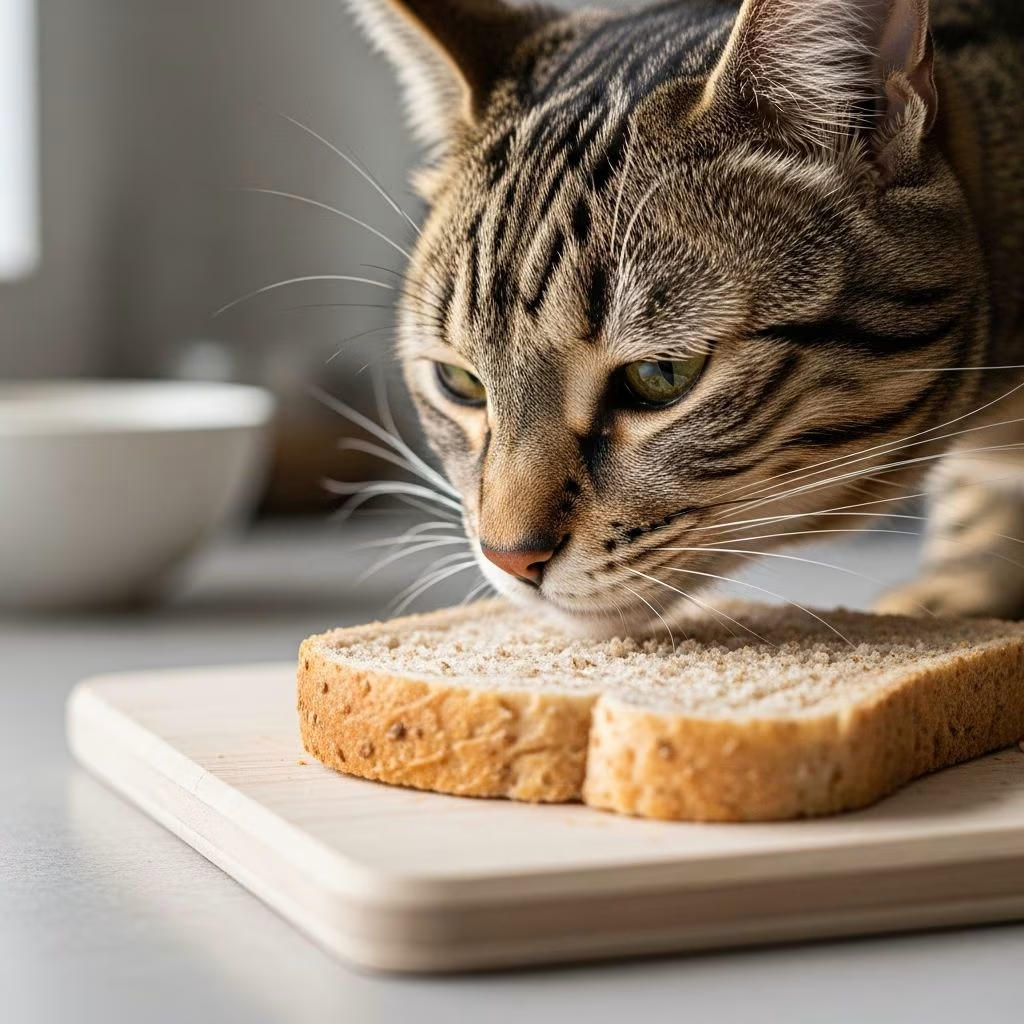
As a cat owner, you may have wondered whether it’s safe to share your breakfast toast or homemade bread with your feline companion. The question of bread consumption in cats deserves a thoughtful examination, particularly when considering their unique nutritional requirements. Unlike humans who thrive on varied diets including grains, cats have evolved with fundamentally different dietary needs that shape what they can and should eat.
The Nature of Feline Dietary Requirements
To understand whether bread fits into a cat’s diet, it’s essential first to recognize what cats actually need nutritionally. Cats are obligate carnivores, meaning their bodies have evolved to derive essential nutrients primarily from animal tissues rather than plant-based foods. This biological reality distinguishes cats from many other domesticated animals and even from their human companions.
The feline digestive system is specifically designed to process and extract nutrients from proteins found in meat and meat products. When cats consume foods outside this evolutionary framework—such as grains and carbohydrates—their bodies struggle to derive meaningful nutritional value. This is why bread, despite being a staple in human diets, presents a unique challenge when considering feline health.
Is Bread Inherently Dangerous for Cats?
The straightforward answer is that plain, cooked bread is not inherently toxic to cats. Unlike some human foods that pose immediate health risks to felines, ordinary bread made with standard baking ingredients presents no acute toxicity concerns when consumed in small quantities. However, the absence of toxicity does not translate to safety or nutritional benefit.
From a cat’s perspective, bread represents what nutritionists call “empty calories.” A single slice of white bread can account for approximately one-fifth of an average cat’s entire daily caloric requirement, yet it provides virtually none of the essential amino acids, vitamins, and minerals that cats require for optimal health. This fundamental mismatch between caloric density and nutritional value makes bread problematic as a dietary component.
Understanding Bread’s Composition and Its Impact on Feline Health
Bread’s basic ingredients—flour, yeast, salt, and water—are not inherently harmful to cats. However, the way these components function in feline metabolism raises legitimate concerns. Bread is predominantly carbohydrate-based, and cats have virtually no nutritional requirement for carbohydrates. Their bodies are not designed to efficiently process or benefit from carbohydrate consumption.
When cats consume bread regularly, several metabolic consequences can unfold:
- Carbohydrates can trigger insulin spikes, leading to blood sugar fluctuations
- Excessive caloric intake from non-nutritive sources contributes to weight gain and obesity
- Nutritional imbalances occur when bread fills the stomach space needed for nutrient-dense foods
- Digestive sensitivity in some cats may manifest as gastrointestinal upset
For cats with specific health conditions, the risks escalate significantly. Felines diagnosed with diabetes, kidney disease, or heart conditions should avoid bread entirely, as the carbohydrate load can exacerbate their existing health challenges.
Types of Bread: A Safety and Suitability Comparison
Not all breads are created equal when it comes to feline safety. While plain white or wheat bread presents minimal risk in tiny quantities, numerous bread varieties contain ingredients that range from problematic to potentially dangerous.
| Bread Type | Safety Assessment | Key Concerns | Recommendation |
|---|---|---|---|
| Plain White Bread | Generally Safe (small amounts) | High carbs, empty calories | Occasional tiny piece only |
| Whole Wheat Bread | Generally Safe (small amounts) | High carbs, high fiber | Occasional tiny piece only |
| Garlic or Onion Bread | UNSAFE | Garlic and onions cause hemolytic anemia | Never feed to cats |
| Banana Bread | UNSAFE | High sugar, added spices like cinnamon, often contains butter | Never feed to cats |
| Brioche | UNSAFE | Contains eggs, milk, and excessive sugar | Never feed to cats |
| Bread with Xylitol | HIGHLY TOXIC | Causes severe hypoglycemia and liver damage | Emergency veterinary care if ingested |
| Corn Bread | Safe in theory but not recommended | Very high calories and carbohydrates | Best avoided entirely |
| Naan Bread (plain) | Generally Safe (tiny amounts) | High carbs unless flavored version | Occasional small piece if plain |
Toxic Ingredients Commonly Found in Breads
Beyond the carbohydrate content, many bread varieties incorporate ingredients that present direct health hazards to cats. Understanding these problematic additives helps owners make informed decisions about what breads to keep away from their feline friends.
Garlic and Onions: These aromatic ingredients, common in savory breads and garlic knots, contain compounds that damage red blood cells in cats, potentially causing hemolytic anemia. Even small amounts can be harmful over time.
Xylitol: This artificial sweetener, increasingly common in “sugar-free” baking products, is particularly dangerous for cats. Xylitol triggers a dramatic drop in blood sugar and can cause acute liver failure. This ingredient requires immediate veterinary attention if accidentally consumed.
Chocolate: Found in chocolate chip breads and sweet varieties, chocolate contains theobromine, which is toxic to cats and can cause serious health complications.
Raisins and Nuts: Certain breads include these ingredients, which can be toxic to cats and cause kidney damage or gastrointestinal distress.
Excessive Sugar and Spices: Beyond the basic carbohydrate content, added sugars and spices like cinnamon can upset feline digestion and contribute to metabolic issues.
Portion Considerations and Feeding Frequency
If you’ve decided to occasionally offer bread to your cat despite its nutritional limitations, portion control becomes absolutely critical. Cats should never consume more than a small, bite-sized piece of plain bread—approximately 10 grams or less. To put this in perspective, a typical slice of bread should be divided into many smaller portions.
Frequency guidelines also matter significantly. Plain bread should be limited to once or twice per week at most, and many veterinarians recommend treating it as an even more occasional indulgence. Remember that treats of all kinds, including bread, should comprise no more than five to ten percent of a cat’s total daily caloric intake. Exceeding these percentages disrupts the nutritional balance that commercial cat foods are designed to provide.
Special Considerations for Cats with Health Conditions
Cats with pre-existing health conditions require stricter dietary management. For diabetic cats, in particular, bread consumption becomes especially problematic because carbohydrates directly impact blood glucose levels and insulin requirements. These cats should avoid bread entirely, as even small amounts could complicate their medical management.
Similarly, cats with kidney disease, heart conditions, or obesity should not consume bread. The combination of excess calories and carbohydrates can accelerate disease progression and undermine veterinary treatment plans. Always consult with your veterinarian before introducing any new foods, even seemingly harmless ones like plain bread.
Potential Digestive Consequences
Even when bread is plain and given in appropriate quantities, some cats experience digestive sensitivity. Individual cats vary in their ability to tolerate non-species-appropriate foods. Potential digestive responses include:
- Upset stomach or gastrointestinal discomfort
- Diarrhea or loose stools
- Vomiting
- Constipation or changes in litter box habits
If your cat has consumed bread and displays any of these symptoms, monitor them closely and contact your veterinarian if symptoms persist or worsen. Some cats simply cannot tolerate bread, even in minute quantities.
Gluten-Free and Alternative Bread Options
The popularity of gluten-free products has led some owners to wonder whether these alternatives are safer for cats. Gluten-free bread is safe for cats, provided it remains plain and contains no harmful additives. However, gluten intolerance in cats is extremely rare, so gluten-free varieties offer no inherent advantage over regular bread. The same portion guidelines and feeding frequency recommendations apply.
Rather than offering bread variants, consider redirecting your desire to give treats toward options specifically formulated for feline nutrition. High-protein, meat-based treats align far better with your cat’s evolutionary dietary design and provide actual nutritional benefit.
Bread and Milk: A Problematic Combination
The classic image of a cat enjoying bread and milk is deeply misleading from a nutritional standpoint. This combination is particularly problematic for cats. Most adult cats are lactose intolerant, lacking sufficient lactase enzyme to properly digest milk products. Combined with bread’s carbohydrate content, milk addition creates a double digestive challenge and potential litter box issues.
Practical Safety Guidelines for Cat Owners
If you decide to offer your cat a tiny piece of plain bread as an occasional treat, implement these safety practices:
- Remove crusts, which are harder for cats to digest
- Cut bread into small, easily manageable pieces to prevent choking hazards
- Verify that the bread contains no garlic, onions, chocolate, raisins, or xylitol
- Ensure no spices, seasonings, or sweeteners are present
- Offer bread only after your cat has consumed their primary meal
- Supervise consumption to ensure the cat doesn’t eat too quickly or in excessive amounts
- Monitor your cat for any digestive changes over the following hours
Better Treat Alternatives for Your Feline Friend
Rather than offering bread, numerous alternatives provide better nutritional value while satisfying your impulse to treat your cat. Meat-based treats, whether commercial formulations or appropriately prepared fresh options, align with your cat’s obligate carnivore status. These alternatives deliver amino acids, vitamins, and minerals that support feline health without the empty calories and digestive concerns associated with bread.
Cooked chicken breast, turkey, or beef (without seasonings) makes an excellent occasional treat. Many cats also enjoy specially formulated freeze-dried meat treats that concentrate the nutritional benefits into small, convenient portions.
When Your Cat Has Eaten Bread: What to Do
If your cat has consumed a small amount of plain bread without your permission, there’s typically no cause for immediate alarm. Monitor your feline for any signs of gastrointestinal upset over the next 24 hours. If your cat displays vomiting, diarrhea, or other concerning symptoms, contact your veterinarian.
However, if your cat has consumed bread containing toxic ingredients—particularly garlic, onions, chocolate, raisins, or xylitol—seek veterinary attention promptly, even if your cat appears fine. Some toxins cause delayed effects, and professional evaluation ensures early detection and treatment.
The Bottom Line: Bread and Feline Nutrition
Bread occupies an awkward position in feline nutrition: it’s not inherently toxic in plain form, yet it offers absolutely no nutritional benefit and carries risks when consumed regularly or in excessive amounts. The most responsible approach is to avoid offering bread to cats altogether, treating it as a food item that simply doesn’t belong in feline diets.
Your cat’s health and longevity depend on proper nutrition that supports their obligate carnivore physiology. By choosing appropriate treats and maintaining a diet centered on quality protein sources, you provide your feline companion with the nutritional foundation they need to thrive. When tempted to share your breakfast bread, remember that your cat’s wellbeing is better served by denying this request and offering a species-appropriate alternative instead.
References
- Can Cats Eat Bread? — Chewy. 2024. https://www.chewy.com/education/cat/food-and-nutrition/can-cats-eat-bread
- Can Cats Eat Bread? — PetMD. 2024. https://www.petmd.com/cat/nutrition/can-cats-eat-bread
- Can Cats Eat Bread? Is it Safe or Unsafe? — Hill’s Pet Nutrition. 2024. https://www.hillspet.com/cat-care/nutrition-feeding/can-cats-eat-bread
- Can Cats Eat Bread? A Cat Lover’s Guide to Feline Nutrition — Genius Litter. 2024. https://geniuslitter.com/blogs/cat-nutrition/can-cats-eat-bread-a-cat-lovers-guide-to-feline-nutrition
- Can Cats Eat Bread? – Is Bread Toxic to Cats? — Bella+Duke. 2024. https://www.bellaandduke.com/cats/expert-advice-cats/cat-nutrition/can-cats-eat-bread/



