
Feline Neuroendocrine Tumors: A Complete Owner’s Guide
Comprehensive insights into causes, symptoms, diagnosis, and care strategies for neuroendocrine tumors in cats to help owners act swiftly.
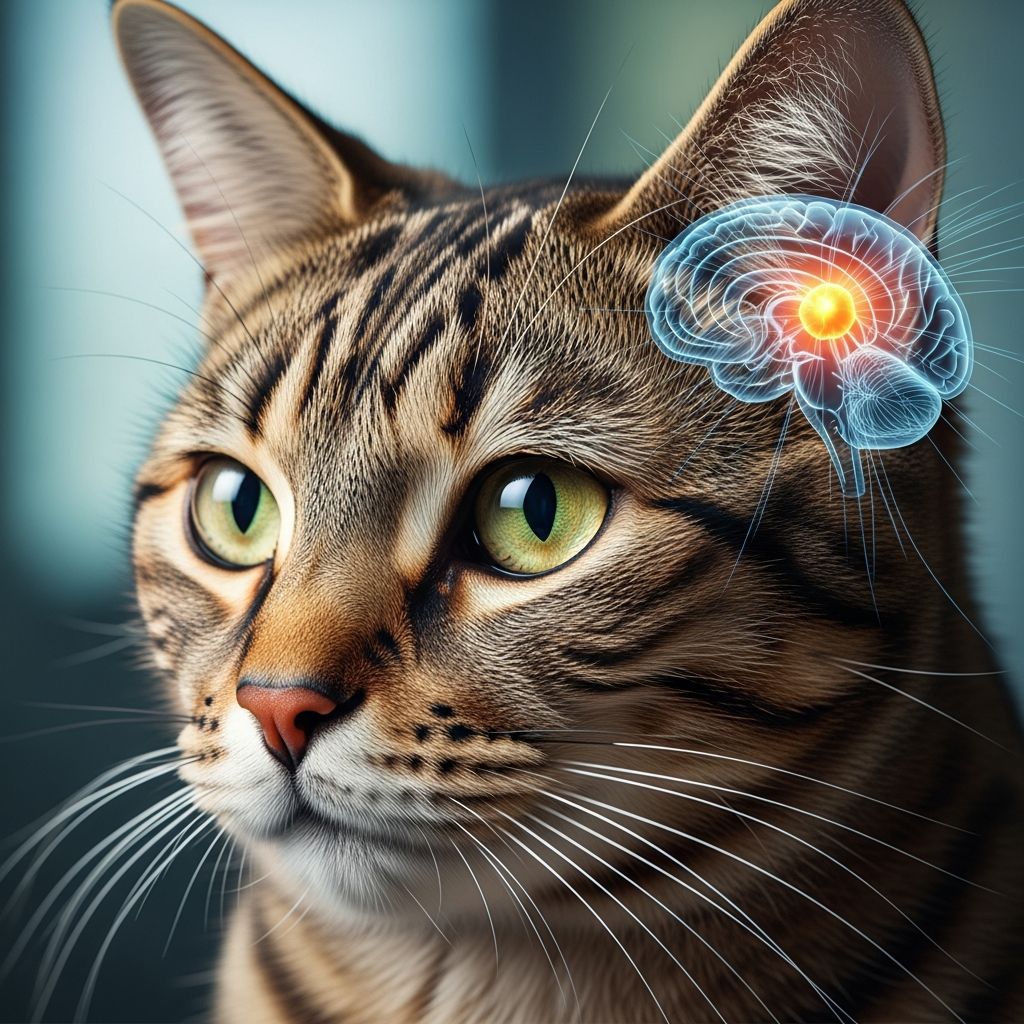
Neuroendocrine tumors arise from specialized cells in cats that produce hormones and neurotransmitters, potentially disrupting vital bodily functions. These growths, though not the most common feline cancers, demand prompt recognition due to their variable impacts on health.
Understanding the Biology of Neuroendocrine Cells in Cats
In felines, neuroendocrine cells are scattered across organs like the thyroid, adrenal glands, pancreas, and intestines. These cells regulate processes such as metabolism, blood pressure, and digestion by secreting substances like calcitonin, adrenaline, or gastrin. When tumors form in these cells, they can overproduce hormones or simply grow large enough to compress nearby tissues, leading to diverse clinical issues.
Unlike typical cancers, neuroendocrine tumors often behave indolently but can metastasize to liver, lungs, or lymph nodes. Adult and senior cats, particularly those over 10 years, face higher risks, with no strong gender bias noted across studies.
Primary Types Encountered in Domestic Cats
- Medullary Thyroid Carcinoma: Originates in thyroid C-cells, potentially causing hyperthyroidism-like effects or neck masses.
- Pheochromocytoma: Develops in adrenal medulla, releasing excess catecholamines that spike heart rate and blood pressure.
- Gastrinomas and Intestinal Carcinoids: Pancreatic or gut-based, leading to ulcers or chronic digestive disturbances.
- Hepatobiliary Variants: Liver or bile duct tumors showing jaundice and enzyme elevations.
Each type presents unique challenges, but shared diagnostic and therapeutic paths exist.
Recognizing Early Warning Signals
Symptoms vary widely depending on tumor location and activity. Owners should watch for:
- Progressive weight loss despite normal or increased eating.
- Intermittent vomiting, diarrhea, or bloody stools from gastrointestinal involvement.
- Lethargy, weakness, or unusual fatigue during routine activities.
- Neurological signs like seizures, disorientation, or aggression shifts.
- Palpable lumps, especially in neck or abdomen.
- Respiratory difficulties, coughing, or voice changes from throat tumors.
- Jaundice (yellowing of gums/eyes) in liver-related cases.
Hepatomegaly—enlarged liver—often accompanies abdominal tumors, detectable during vet exams. Behavioral alterations, such as hiding more or irritability, signal underlying hormonal chaos.
Factors Influencing Tumor Development
Exact causes remain elusive, but genetic predispositions, chronic inflammation, and immune weaknesses contribute. Environmental toxins or unbalanced diets may exacerbate risks, though evidence is circumstantial. Unlike mammary cancers, spaying/neutering shows limited preventive effect here.
Diagnostic Approaches for Confirmation
Veterinarians start with history and physical exams, noting masses or organ enlargement. Key tests include:
| Test | Purpose | Typical Findings |
|---|---|---|
| Blood Work (CBC, Chemistry, Hormones) | Assess organ function, hormone levels | Elevated liver enzymes, high calcitonin, anemia |
| Imaging (Ultrasound, X-rays, CT) | Locate and stage tumor | Masses in thyroid, liver, or adrenals; metastases |
| Fine-Needle Aspiration/Biopsy | Cell analysis | Neuroendocrine markers like synaptophysin |
| Immunohistochemistry | Confirm cell type | Positive for chromogranin, neuron-specific enolase |
Sedated laryngoscopy aids throat tumor checks. Early detection via routine senior wellness exams improves success rates dramatically.
Treatment Modalities Tailored to Cats
Management hinges on tumor resectability, metastasis status, and cat’s condition. Options include:
- Surgical Excision: Preferred for localized tumors; thyroidectomies or adrenalectomies often curative if no spread.
- Radiation Therapy: Targets inoperable growths, shrinking masses over weeks.
- Chemotherapy: Agents like toceranib for metastatic cases, though response varies.
- Medical Management: Drugs suppress hormone effects—e.g., acid blockers for gastrinomas or beta-blockers for pheochromocytomas.
- Palliative Support: Pain relief, anti-nausea meds, nutritional aids for comfort.
Multimodal plans, crafted by oncologists, balance efficacy and quality of life.
Prognosis and Long-Term Outlook
Benign or well-resected tumors yield excellent prognoses, with survival beyond 2-3 years common. Malignant, metastatic cases average 6-12 months post-diagnosis, improved by aggressive care. Regular monitoring via imaging and bloodwork tracks progress.
Preventive Measures and Home Care Tips
While unavoidable in many cases, strategies reduce risks:
- Annual vet visits for early detection.
- High-quality, balanced nutrition supporting immunity.
- Toxin-free environments, avoiding secondhand smoke or chemicals.
- Weight management to lessen chronic disease burdens.
- Prompt attention to any symptom changes.
Post-treatment, provide soft foods, quiet recovery spaces, and medication adherence.
Frequently Asked Questions (FAQs)
Are neuroendocrine tumors painful for cats?
Many are asymptomatic until advanced, but mass effects or hormone surges can cause discomfort. Pain meds help manage this effectively.
Can diet influence these tumors?
No direct causation, but nutrient-rich diets bolster resilience and aid recovery during treatment.
What’s the success rate of surgery?
Over 80% for non-metastatic cases, with full cures possible if margins are clean.
Do these tumors spread quickly?
Variable; some grow slowly over years, others metastasize within months.
Should I euthanize if diagnosed?
No—many cats live quality lives post-treatment. Discuss personalized prognoses with your vet.
Emerging Research and Future Directions
Ongoing studies explore targeted therapies like tyrosine kinase inhibitors, mirroring human advances. Genetic profiling may soon guide precision medicine for felines, enhancing outcomes.
References
- Neuroendocrine Tumors in Animals — Merck Veterinary Manual. 2023-01-15. https://www.merckvetmanual.com/endocrine-system/neuroendocrine-tumors/neuroendocrine-tumors-in-animals
- Neuroendocrine Tumors Medullary Thyroid Carcinomas and Pheochromocytoma — VCA Animal Hospitals. 2024-05-20. https://vcahospitals.com/know-your-pet/neuroendocrine-tumors-medullary-thyroid-carcinomas-and-pheochromocytoma
- Hepatobiliary neuroendocrine carcinoma in cats — Vet Contact. 2022-11-10. https://www.vetcontact.com/oncology/art.php?a=813&t=
Similar Articles








Read full bio of medha deb




