

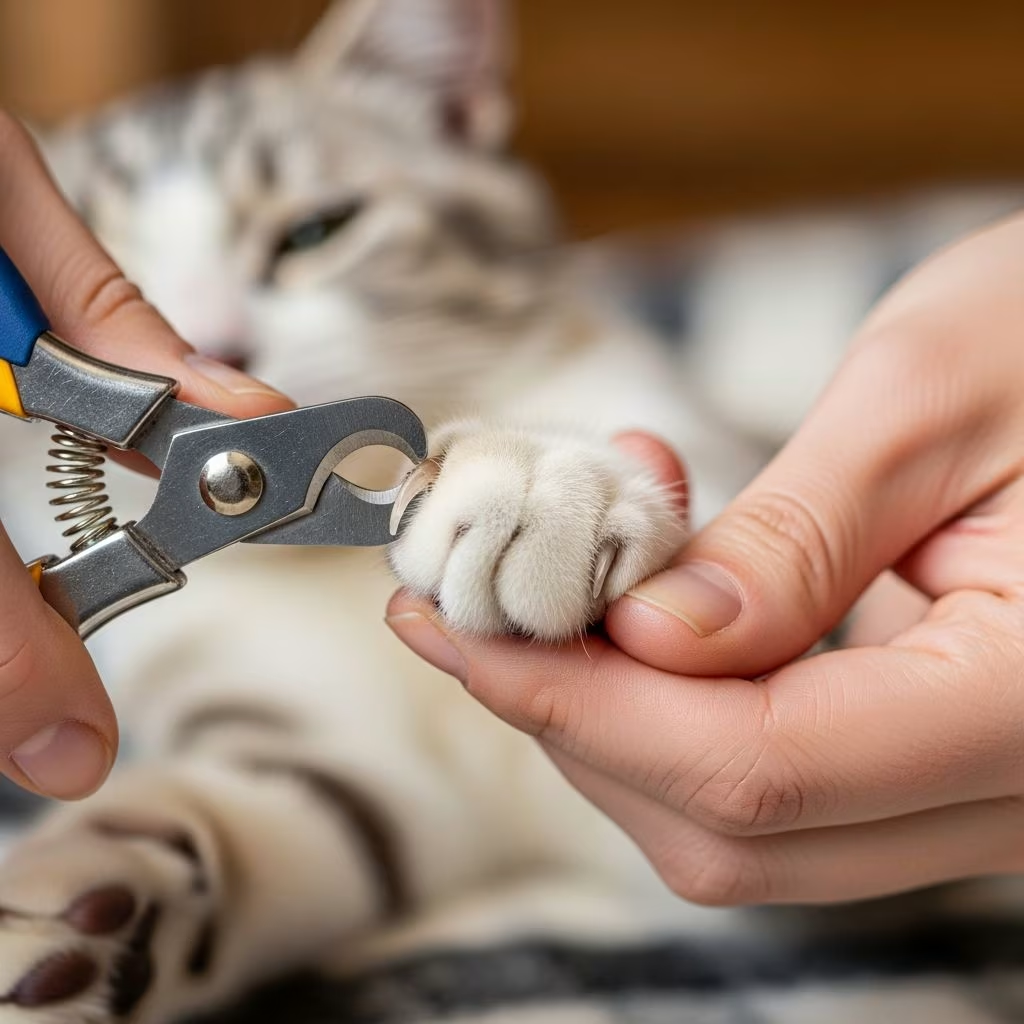
Cats engage in a variety of self-maintenance behaviors throughout their day, and nail care represents one of the most important grooming rituals in their routine. Many cat owners observe their feline companions nibbling, chewing, or pulling at their nails and wonder whether this behavior is normal or a cause for concern. The answer depends on the frequency, intensity, and underlying triggers of the nail-biting behavior. While occasional nail maintenance is a completely natural part of feline hygiene, excessive or compulsive nail chewing can signal underlying health issues, psychological distress, or environmental stressors that warrant professional evaluation.
The Natural Nail Maintenance Process in Cats
When cats engage in nail biting as part of their grooming routine, they are not attempting to shorten their claws in the way humans trim their fingernails. Instead, cats use their teeth and tongue to address several practical maintenance needs. The primary function of nail chewing involves removing the outer sheath of the nail, which naturally sheds over time to reveal the sharp tip underneath. This continuous shedding process ensures cats maintain optimal claw sharpness for climbing, hunting, and defense.
The debris that accumulates on and between a cat’s toes requires regular attention. Dirt particles, dead skin cells, skin oils, and other environmental contaminants collect in toe tufts and under the nail sheath. By carefully nibbling and cleaning these areas, cats maintain healthy paws and prevent bacterial growth. Additionally, cats may work to remove any portions of the nail sheath that have not completely shed, using their teeth to finish the job and prevent catching on furniture or other surfaces.
Senior cats and indoor cats with limited mobility often resort to using their teeth more frequently for claw maintenance. As cats age, the outer layer of their nails becomes less efficient at shedding naturally. Arthritis, joint pain, and reduced flexibility can make it difficult for aging cats to stretch vertically and access scratching posts effectively, so they compensate by using their teeth to maintain claw health and sharpness.
Medical Conditions Associated with Excessive Nail Biting
When nail biting behavior escalates beyond routine grooming, medical investigation becomes essential. Several health conditions can cause cats to excessively bite, chew, or pull at their nails, and identifying the underlying cause is crucial for effective treatment.
Skin-Related Disorders and Infections
Skin conditions represent the most common medical cause of abnormal nail biting in cats. Bacterial and fungal infections of the nail beds, paw pads, or toe skin create significant discomfort and itching that drives cats to bite and chew the affected areas. Yeast infections and ringworm, both fungal conditions, can cause particularly intense itching that cats attempt to relieve through excessive licking and biting. The warm, moist environment of the paw area provides ideal conditions for fungal growth, making cats with compromised immune systems especially susceptible.
Allergies represent another significant skin-related trigger for nail biting behavior. Allergies can affect the paws specifically, causing extreme itching that motivates obsessive nail chewing. Cats with allergies often bite and lick their paws repeatedly in attempts to alleviate the irritation. Additionally, parasites such as fleas or mites can infest the paw area, causing similar itching and discomfort that leads to compulsive nail biting. Overly dry skin conditions can also contribute to excessive grooming and nail biting behaviors.
Autoimmune Diseases and Inflammatory Conditions
Pemphigus Foliaceus stands out as the most common autoimmune condition affecting cats’ claws and nail beds. This autoimmune disease creates irritating and itchy skin lesions that frequently appear around the nail beds, often with a crusty, sore appearance. Affected cats bite and chew their claws excessively in attempts to relieve discomfort and clean the area, though this behavior typically worsens the condition. Cats with Pemphigus may also display flaky claws and skin lesions elsewhere on their body.
Pododermatitis, another autoimmune condition, causes painful swelling of the paw pads that prompts cats to excessively lick and chew their feet. The pain and inflammation associated with these autoimmune diseases create a cycle of biting and licking that can lead to secondary infections if left untreated.
Physical Injuries and Structural Issues
Foreign objects lodged between toes, under nails, or in the paw pad can cause significant discomfort and compulsive biting behavior. Cats may bite and pull at the affected nail in attempts to dislodge the object, sometimes requiring surgical intervention for removal. Broken toes or fractures, which can be diagnosed through radiographic imaging, also trigger abnormal nail biting as cats attempt to manage pain and protect the injured area.
Cutting cat nails too close to the nail bed during grooming increases susceptibility to bacterial and yeast infections, making cats more prone to biting and chewing the sensitive area. This emphasizes the importance of proper nail trimming technique and professional grooming guidance.
Systemic Illnesses
Certain systemic conditions manifest through claw and nail abnormalities. Lung-digit syndrome, a form of cancer, often presents with nail issues as the first noticeable sign, including swelling, inflammation, and pus discharge from the nail bed. Veterinarians evaluating excessive nail biting may also assess for respiratory symptoms to rule out this serious condition.
Behavioral and Psychological Triggers
Beyond medical causes, behavioral and emotional factors significantly influence nail-biting behavior in cats. Understanding these psychological triggers helps cat owners address the root cause of excessive nail chewing and implement appropriate interventions.
Anxiety and Stress-Related Behaviors
Anxiety represents a major behavioral cause of compulsive nail biting in cats. Similar to humans who bite their nails as a coping mechanism during stress, cats often resort to nail biting as a self-soothing behavior when experiencing anxiety. Some cats are naturally more anxious than others and may have a genetic predisposition to stress-related behaviors, including excessive nail chewing.
Environmental stressors trigger anxiety that leads to nail biting in many cats. Changes in living situations, such as moving to a new home, can cause significant stress and prompt compulsive claw chewing. Introduction of new pets or animals in the neighborhood, loud construction noise, changes in daily routines, and other environmental disruptions create anxiety that manifests through overgrooming and nail biting.
Interestingly, cats are highly attuned to their owners’ emotional states and can pick up on human stress and anxiety. When owners experience stress or anxiety, their cats may absorb this tension and develop stress-related behaviors, including excessive nail biting. This emotional connection between humans and cats underscores the importance of maintaining calm, stable home environments.
Certain cat breeds show greater predisposition to anxiety-related behaviors and compulsive grooming. Siamese and Burmese cats are particularly prone to developing these stress-related behaviors, though any cat can exhibit anxiety-driven nail biting.
Loneliness and Insufficient Mental Stimulation
Boredom and lack of mental enrichment drive nail-biting behavior in many indoor cats. Cats require adequate environmental stimulation through interactive play, puzzle toys, and engaging activities. Without sufficient mental challenges, cats may develop compulsive behaviors, including excessive nail chewing, as outlets for their frustration and restlessness.
Loneliness, particularly in cats left alone for extended periods, contributes to stress and anxiety that manifests through compulsive nail biting. Social isolation creates emotional distress that drives repetitive, self-soothing behaviors like nail chewing.
Recognizing When Nail Biting Becomes Problematic
Distinguishing between normal grooming and problematic nail biting requires careful observation of frequency, intensity, and associated symptoms. Occasional nail maintenance lasting just a few moments represents normal behavior. However, excessive nail biting that occurs multiple times daily or results in visible damage, bleeding, or signs of infection indicates a problem requiring veterinary attention.
Visual signs that nail biting has become pathological include:
- Hair loss around the paws and nail beds
- Red, inflamed skin around affected areas
- Visible swelling or bleeding from the nail bed
- Raw or exposed skin from excessive licking and biting
- Difficulty walking or limping
- Discharge or pus from the nail bed
- Flaking or damaged nail appearance
- Signs of infection such as warmth or tenderness
Stress-induced overgrooming, clinically known as psychogenic alopecia, presents distinctive patterns of hair loss and skin inflammation. This condition typically affects the stomach, inner thighs, and flanks, creating visually obvious bald patches and sores. Accompanying symptoms may include increased hairballs and vomiting, indicating the cat is ingesting excessive amounts of hair through compulsive grooming.
Diagnostic and Management Approaches
When cat owners notice excessive or concerning nail-biting behavior, veterinary evaluation is essential for proper diagnosis and treatment. Veterinarians conduct thorough physical examinations, assess the condition of the paws and nails, and may recommend additional diagnostic testing such as radiographs, fungal cultures, or cytology samples to identify underlying conditions.
Treatment approaches depend on the underlying cause. Medical conditions require specific therapies targeting the infection, allergy, or inflammatory process. Antibacterial or antifungal medications address infections, antihistamines or dietary modifications may help allergic reactions, and immunosuppressive medications treat autoimmune diseases.
For behaviorally-driven nail biting, environmental modification and enrichment play crucial roles. Increasing interactive play opportunities, introducing puzzle feeders and toys, and creating climbing and scratching opportunities help address boredom and mental stimulation deficits. Environmental stressors should be identified and minimized when possible.
Regular nail maintenance through trimming and grooming supports healthy claw shedding and reduces the need for excessive biting. Providing appropriate scratching posts and corrugated cardboard houses allows cats to naturally maintain their claws through normal scratching behavior.
Frequently Asked Questions
Is it normal for cats to bite their nails daily?
Occasional daily nail maintenance is generally normal, particularly for active indoor cats and kittens. However, if nail biting appears excessive, involves pulling at nails, or is accompanied by other symptoms, veterinary evaluation is recommended to rule out underlying medical or behavioral issues.
What should I do if my cat is obsessively biting their nails?
Schedule a veterinary appointment to rule out medical causes such as infections, allergies, or injuries. If medical issues are excluded, discuss behavioral interventions including environmental enrichment, stress reduction, and possibly anti-anxiety medications or supplements.
Can stress cause nail biting in cats?
Yes, stress and anxiety commonly trigger excessive nail biting in cats as a self-soothing mechanism. Environmental changes, social stress, or even owners’ stress can contribute to compulsive nail-biting behavior in sensitive cats.
How can I provide better nail care for my senior cat?
Senior cats with reduced mobility or arthritis may bite their nails more frequently to compensate for difficulty accessing scratching posts. Provide low-profile scratching options, consider nail trims by a professional groomer, and discuss any concerns with your veterinarian regarding pain management or mobility aids.
What role do allergies play in nail biting?
Allergies, whether food-based or environmental, can cause paw itching that drives excessive nail biting. If allergies are suspected, discuss elimination diets, allergy testing, or antihistamine options with your veterinarian.
References
- Cat Nail Biting: Common Behaviors and Vet-Approved Tips — Bored Panda. 2024. https://www.boredpanda.com/cat-biting-nails/
- The Nail File: Why Your Cat Bites Their Nails — Rover.com, featuring Dr. Joanna Woodnutt, MRCVS, and Dr. Amber Carter, DVM. 2024. https://www.rover.com/blog/cat-nail-biting/
- Why does my cat bite his nails? — Cat in the Box LLC. https://thecatisinthebox.com/blogs/kitty-contemplations/why-does-my-cat-bite-his-nails
- Cat Nail Biting, Chewing & Pulling — Should You Be Concerned? — Kohe Pets. 2024. https://www.kohepets.com.sg/blogs/articles/cat-nail-biting-chewing-pulling
- Why Do Cats Chew on Their Nails? — Cats.com. 2024. https://cats.com/why-do-cats-chew-on-their-nails
- Why Does My Cat Bite Their Feet? 7 Vet-Verified Reasons — Catster. 2024. https://www.catster.com/cat-behavior/why-does-my-cat-bite-their-feet/
- Nail Biting in Cats — PetMD, featuring Nicholas Dodman. 2024. https://www.petmd.com/cat/behavior/nail-biting-cats



