
Feline Musculoskeletal Issues: Essential Guide For Owners
Explore common bone, joint, and muscle problems in cats, from arthritis to fractures, with symptoms, causes, and care strategies for better feline mobility.
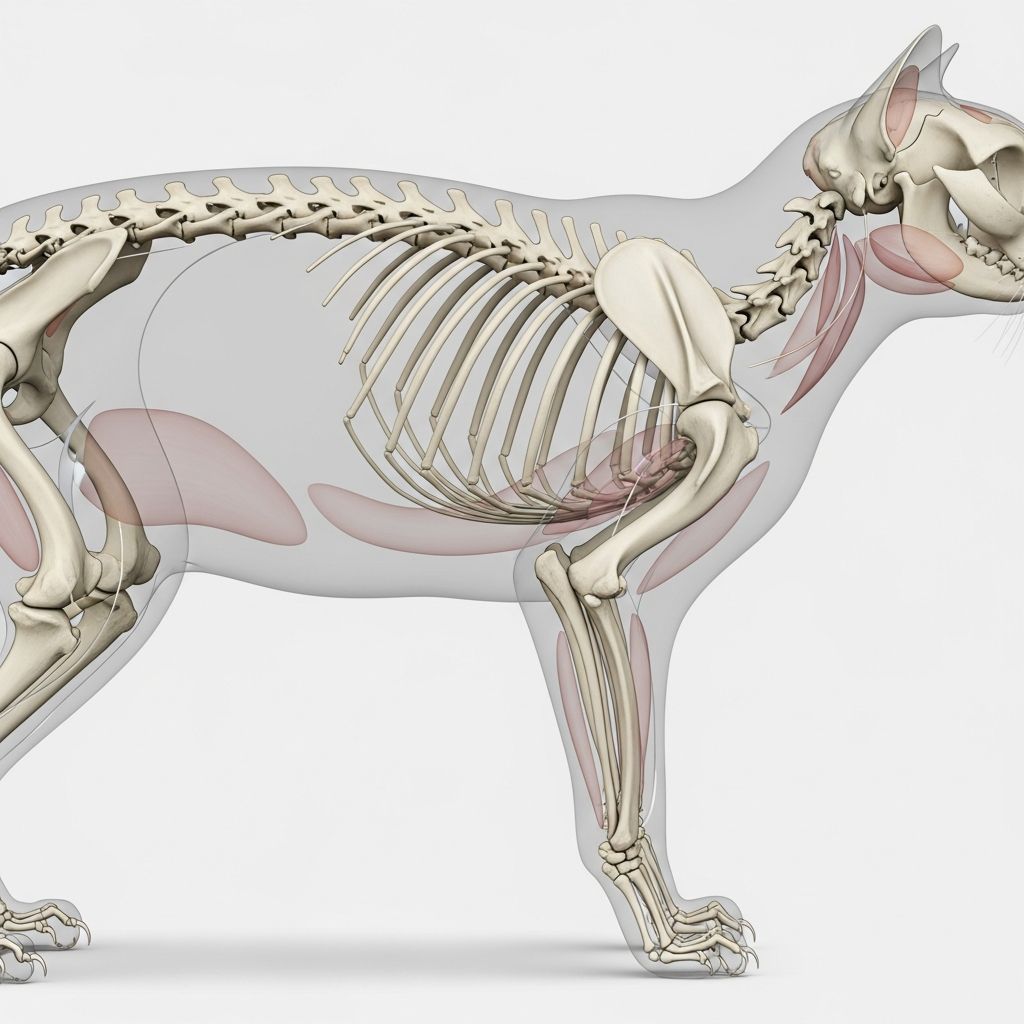
Cats, known for their agility and grace, can suffer from various disorders affecting their bones, joints, and muscles. These conditions often go unnoticed due to cats’ subtle pain masking behaviors, impacting their daily activities and overall well-being. Understanding these issues helps owners provide timely care.
Prevalence and Impact on Cats
Musculoskeletal problems are widespread in felines, particularly as they age. Studies reveal that over 90% of cats older than 12 years show signs of degenerative joint disease on radiographs, highlighting how common these afflictions are. These disorders range from everyday wear-and-tear issues to traumatic injuries and congenital anomalies, often leading to reduced mobility, discomfort, and behavioral changes.
In older cats, chronic pain from joint deterioration can alter gait, jumping ability, and grooming habits, significantly lowering quality of life if untreated. Early recognition is crucial since cats rarely vocalize pain, instead exhibiting subtle signs like reluctance to play or litter box avoidance.
Joint Disorders in Felines
Joints bear the brunt of many musculoskeletal woes in cats. Degenerative joint disease, or osteoarthritis, tops the list, affecting cartilage and underlying bone, causing inflammation primarily in hips, elbows, knees, hocks, and spine. Unlike dogs, radiographic changes in cats may be mild or absent despite pain, complicating diagnosis.
Other joint issues include luxations, where bones dislocate, commonly in hips or knees, leading to misalignment, pain, and lameness. Developmental disorders like hip dysplasia, though rarer in cats than dogs, can cause long-term mobility challenges if unmanaged.
| Joint Condition | Common Sites | Key Symptoms |
|---|---|---|
| Osteoarthritis | Hips, elbows, spine | Stiffness, reduced jumping, subtle lameness |
| Joint Luxation | Hips, knees | Sudden pain, abnormal limb position |
| Hip Dysplasia | Hips | Limping, bunny-hopping gait |
Bone-Related Conditions
Bone disorders in cats are less frequent than joint problems but can be severe. Fractures often stem from falls, car accidents, or high-impact trauma, varying from simple cracks to compound breaks requiring surgical intervention. Pathological fractures occur in weakened bones due to nutritional deficiencies or metabolic diseases.
Rare conditions like hypertrophic osteopathy cause limb thickening, lameness, and pain, often linked to underlying issues in middle-aged males, especially Persians. Osteosclerosis, a hardening of bone, appears incidentally in older cats with systemic illnesses such as renal failure or lymphoma. Nutritional imbalances can lead to osteopenia, marked by thin bones, lordosis, and fractures in high-turnover areas like the spine and pelvis.
Muscle Disorders and Weaknesses
Muscle problems, or myopathies, disrupt normal movement and strength. Hypokalemic polymyopathy, caused by low potassium, results in generalized weakness, ventroflexion of the neck (head drooping), stiff gait, appetite loss, and pain. It’s diagnosed via blood tests and responds well to supplements if caught early.
Inflammatory myositides arise from infections, parasites, or immune responses, causing muscle swelling and pain. Fibrodysplasia ossificans progressiva ossifies muscle and connective tissue, leading to stiffness and weakness, progressing rapidly in young to middle-aged cats. Localized myositis ossificans affects specific muscles like hamstrings post-trauma, with better prognosis if contained.
- Hypokalemic signs: Weakness, neck droop, gait issues
- Myositis effects: Pain, enlargement, limited motion
- Ossification risks: Progressive stiffness, potential recurrence
Symptoms Owners Should Watch For
Detecting musculoskeletal issues requires vigilance. Common indicators include:
- Altered gait, limping, or reluctance to run/jump
- Decreased grooming, leading to unkempt fur
- Behavioral shifts: irritability, hiding, or aggression when touched
- Mobility loss: avoiding stairs, litter box struggles
- Swelling, warmth, or deformities in limbs/joints
In chronic cases, neuropathic pain develops from unmanaged inflammation, worsening sensitivity. Elderly cats may develop synovial cysts, fluid-filled sacs near joints like elbows, causing visible lumps and lameness.
Diagnostic Approaches
Veterinarians use multifaceted diagnostics. Physical exams check for pain on manipulation, crepitus, or range-of-motion limits. Radiographs detect arthritis (even subtly), fractures, or bone density changes, though normal X-rays don’t rule out pain.
Bloodwork identifies metabolic causes like hypokalemia or infections. Advanced imaging such as CT or MRI reveals soft tissue issues or nerve compression. For synovial cysts, aspiration confirms joint fluid origin.
Treatment and Management Strategies
Treatment varies by condition but focuses on pain relief, mobility restoration, and underlying cause correction.
For Osteoarthritis: Multimodal therapy includes weight control, joint supplements (glucosamine/chondroitin), NSAIDs, and physical therapy. Acupuncture or laser therapy aids some cats.
Fractures: Stable ones heal with rest/casting; complex cases need surgery like pinning.
Muscle Weakness: Potassium supplementation for hypokalemia yields quick recovery. Surgical excision for localized ossification, though recurrence possible.
Supportive care: orthopedic beds, ramps, and low-impact exercise maintain muscle tone without stress.
Prevention Tips for Cat Owners
Proactive steps reduce risks:
- Maintain ideal weight to lessen joint load
- Provide balanced nutrition, avoiding excesses leading to steatitis or deficiencies
- Ensure safe environments to prevent falls/trauma
- Schedule regular vet check-ups, especially for seniors
- Monitor for early signs and act promptly
Breeds like Persians may need extra scrutiny for predispositions.
FAQs on Feline Musculoskeletal Health
Q: How common is arthritis in cats?
A: Extremely common; over 90% of cats over 12 have radiographic evidence.
Q: Can young cats get joint problems?
A: Yes, via luxations, dysplasia, or trauma, though degenerative types increase with age.
Q: What if X-rays look normal but my cat limps?
A: Possible; cat OA often lacks severe changes, so clinical signs guide diagnosis.
Q: Is hypokalemic polymyopathy curable?
A: Yes, with prompt potassium therapy; prognosis excellent.
Q: How to ease a cat’s arthritis pain at home?
A: Use soft bedding, assist jumping, and follow vet-recommended meds/supplements.
Long-Term Outlook and Quality of Life
With intervention, most cats manage well. Early detection prevents neuropathic escalation. Owners report improved vitality post-treatment, emphasizing holistic care combining meds, environment tweaks, and monitoring. Consult vets for tailored plans, ensuring felines retain their playful spirit.
References
- Common Feline Musculoskeletal Disorders — Pain Free Cats. 2023. https://painfreecats.org/about-cats/common-feline-nms-disorders/
- Cat Bones & Joints — Vet Specialists. 2024. https://www.vetspecialists.co.uk/cat-bones-and-joints/
- Osteoarthritis in Cats: More Common Than You Think — U.S. Food and Drug Administration. 2023-05-15. https://www.fda.gov/animal-veterinary/animal-health-literacy/osteoarthritis-cats-more-common-you-think
- Musculoskeletal oddities in the cat – Causes of lameness — PMC (PubMed Central). 2024. https://pmc.ncbi.nlm.nih.gov/articles/PMC11148911/
- Muscle Disorders in Cats — MSD Veterinary Manual. 2025. https://www.msdvetmanual.com/cat-owners/bone-joint-and-muscle-disorders-of-cats/muscle-disorders-in-cats
- Muscle Disorders in Cats — Merck Veterinary Manual. 2025. https://www.merckvetmanual.com/cat-owners/bone-joint-and-muscle-disorders-of-cats/muscle-disorders-in-cats
Similar Articles








Read full bio of Sneha Tete




