
Feline Musculoskeletal Health: Essential Guide For Cat Mobility
Comprehensive insights into bone, joint, and muscle issues in cats, from causes to advanced care strategies for better mobility.
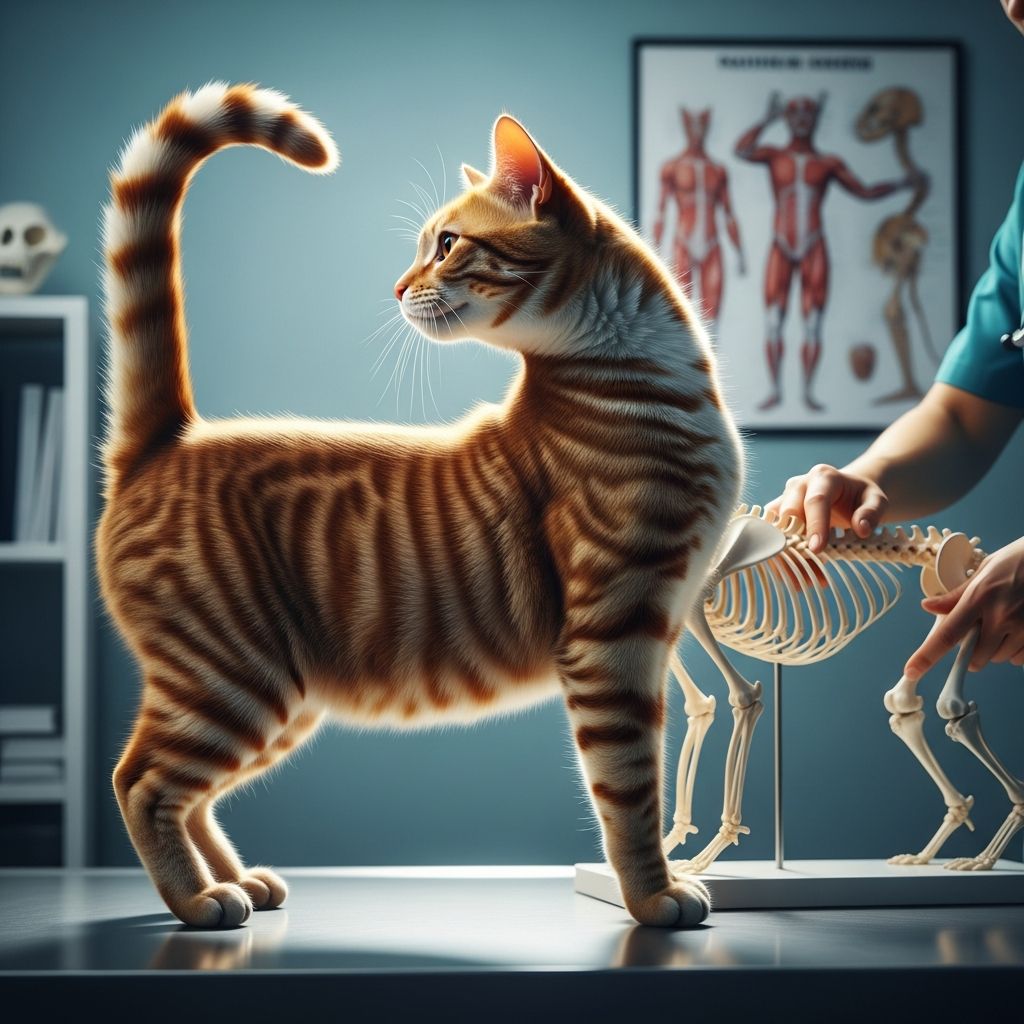
The musculoskeletal system in cats forms the foundation for their agility, grace, and daily activities. Comprising bones, joints, muscles, tendons, and ligaments, this intricate network enables everything from leaping to grooming. When disorders disrupt this system, cats may exhibit limping, reluctance to jump, or generalized stiffness, significantly impacting their well-being. Understanding these conditions empowers owners to recognize early signs and pursue timely interventions.
Key Components of a Cat’s Musculoskeletal Framework
Cats possess a lightweight yet robust skeleton adapted for high-speed pursuits and vertical leaps. Bones provide structural support and protect organs, while joints facilitate fluid motion through cartilage and synovial fluid. Muscles generate force for movement, connected by tendons that withstand tension. Ligaments stabilize joints, preventing excessive motion. Disruptions in any element can cascade into broader mobility challenges, often linked to trauma, nutrition, genetics, or infections.
- Bones: Framework for support, prone to fractures or developmental anomalies.
- Joints: Hinge points vulnerable to wear, inflammation, or instability.
- Muscles: Power sources that can weaken from disease or disuse.
- Tendons and Ligaments: Connectors susceptible to tears and slow-healing inflammation.
Prevalent Bone Abnormalities in Cats
Bone issues in felines range from congenital malformations to acquired pathologies. Nutritional imbalances during growth phases, such as excess protein or skewed calcium-phosphorus ratios, can distort bone formation. Trace mineral deficiencies like copper or zinc exacerbate these risks. Trauma remains a primary culprit, causing fractures that demand precise realignment.
Developmental disorders manifest as irregular bone shapes, enlarged growth plates, or vertebral flattening. Affected cats display crouching postures, joint laxity, and pain on manipulation. Radiographic evaluations reveal epiphyseal dysplasia, lucent femoral heads, and luxations, particularly in hips.
| Condition | Symptoms | Common Causes |
|---|---|---|
| Nutritional Bone Disease | Lameness, poor growth | Imbalanced diet, vitamin excesses |
| Fractures | Sudden limp, swelling | Trauma, falls |
| Epiphyseal Dysplasia | Stiff gait, joint swelling | Genetic, metabolic factors |
Joint Challenges and Inflammatory Conditions
Joints bear the brunt of repetitive stress in active cats, leading to degenerative changes. Chronic inflammation alters synovial fluid, increasing bone pressure and fostering arthritis. Traumatic dislocations or ligament ruptures compound instability, while infections erode joint integrity. Older cats frequently show radiographic evidence of osteoarthritis, with 92% exhibiting changes that worsen with age.
Hypertrophic osteopathy, noted in middle-aged males especially Persians, involves symmetrical periosteal proliferation along limbs. Cats present with thickened metacarpals, lameness from joint impingement, and pulsatile limb swelling. Underlying thoracic pathologies often drive this secondary response.
Muscle Pathologies and Myopathies
Myopathies target muscle fibers or membranes, arising hereditarily or from toxins, infections, or metabolic shifts. Clinical signs include weakness, tremors, or exercise intolerance. Fibrodysplasia ossificans progressiva (FOP) progressively ossifies muscles and connective tissues, causing stiffness and pain in young adults. Generalized forms advance rapidly, while localized myositis ossificans confines to sites like hamstring muscles post-trauma.
Cats with FOP show decreased limb flexion and muscle enlargement. Excision of localized lesions offers guarded prognosis due to recurrence risks. Neurological overlaps mimic myopathies, necessitating electromyography or biopsies for differentiation.
Uncommon Ectopic Mineralization and Ossification Disorders
Cats uniquely suffer ectopic calcifications, where minerals deposit abnormally in soft tissues. These range from single nodules with favorable outcomes to diffuse involvement mimicking neoplasia. Biopsies confirm diagnoses, ruling out tumors. Hamstring mineralization, observed in multiple cases, links to repetitive strain.
Vertebral hyperostosis encroaches on spinal nerves, yielding ataxia, paralysis, or urinary dysfunction alongside malaise and exophthalmos. Radiographs depict irregular bone bridging foramina.
Diagnostic Approaches for Musculoskeletal Issues
Veterinarians employ multifaceted diagnostics. Physical exams assess gait, muscle symmetry, and joint range. Owners’ input via tools like the Feline Musculoskeletal Pain Index gauges subtle behavioral shifts, such as reduced jumping.
- Orthopedic palpation for crepitus or laxity.
- Radiography for bone density, fractures, or proliferations.
- Advanced imaging: CT/MRI for soft tissues.
- Laboratory: Bloodwork for metabolic markers, biopsies for myopathies.
Early detection via routine observations—watching jumps or walks—facilitates intervention before chronicity sets in.
Treatment Modalities and Pain Control
Therapies tailor to etiology. Fractures require immobilization or surgery; nutritional cases demand dietary correction. Anti-inflammatories like Onsior address acute/chronic pain in musculoskeletal disorders.
- Pharmacology: NSAIDs for inflammation, analgesics for pain.
- Physical Rehabilitation: Exercises, hydrotherapy to rebuild strength.
- Surgical Options: Joint stabilization, mass excision.
- Supportive Care: Weight management, joint supplements.
Multimodal plans per AAHA guidelines integrate drugs, therapy, and monitoring for optimal outcomes.
Preventive Measures for Lifelong Mobility
Proactive steps mitigate risks. Balanced commercial diets prevent nutritional osteopathies. Indoor lifestyles reduce trauma, while regular vet checks catch subclinical issues. Obesity control preserves joint health; interactive play maintains muscle tone.
Monitor for age-related degeneration: 40% of cats show clinical degenerative joint disease signs.
Frequently Asked Questions (FAQs)
What causes sudden limping in my cat?
Limping often stems from trauma, arthritis flares, or infections. Prompt vet evaluation prevents complications.
Can diet fix bone problems in kittens?
Yes, correcting calcium-phosphorus imbalances during growth resolves many developmental issues.
How do I spot arthritis in senior cats?
Look for hesitation on jumps, litter box avoidance, or groomed fur loss from reduced flexibility.
Is surgery always needed for joint luxations?
No, conservative management succeeds in mild cases; surgery stabilizes severe ones.
What home therapies aid muscle recovery?
Gentle massages, controlled exercises, and warmth promote circulation without overstrain.
Long-Term Management Strategies
Chronic conditions demand ongoing vigilance. Quarterly pain assessments via owner questionnaires track progress. Environmental adaptations—ramps, soft bedding—enhance comfort. Complementary therapies like acupuncture show promise in refractory pain.
Holistic care integrates nutrition, exercise, and pharmacology, restoring vitality. Owners partnering with vets achieve remarkable recoveries, evidenced by cats resuming playful antics.
References
- Musculoskeletal oddities in the cat: An overview of some curious … — PMC/NCBI. 2024. https://pmc.ncbi.nlm.nih.gov/articles/PMC11148911/
- Overview of Musculoskeletal Disorders and Diseases in Cats — Merck Veterinary Manual. 2023-06-22. https://www.merckvetmanual.com/cat-owners/bone-joint-and-muscle-disorders-of-cats/overview-of-musculoskeletal-disorders-and-diseases-in-cats
- Introduction to Bone, Joint, and Muscle Disorders in Cats — Merck Veterinary Manual. 2023-06-22. https://www.merckvetmanual.com/cat-owners/bone-joint-and-muscle-disorders-of-cats/introduction-to-bone-joint-and-muscle-disorders-in-cats
- 2022 AAHA Pain Management Guidelines for Dogs and Cats — AAHA. 2022-06-06. https://www.aaha.org/wp-content/uploads/2022/02/2022-aaha-pain-management-guidelines-for-dog-and-cats_updated_060622.pdf
Similar Articles








Read full bio of medha deb




