

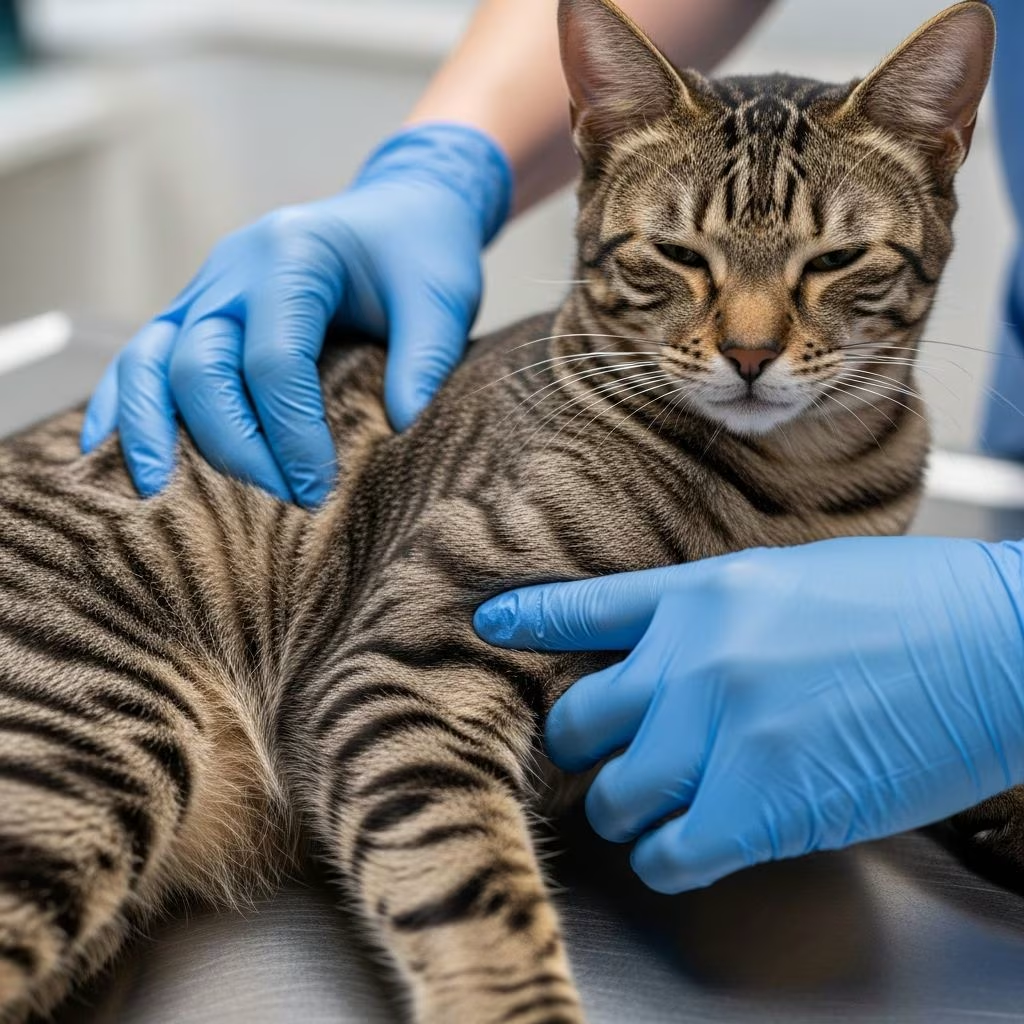
Cats are renowned for their agility, grace, and remarkable athletic abilities. Their muscular system enables them to perform impressive feats of climbing, jumping, and rapid movement that define their natural behavior. However, like all animals, cats can develop various conditions affecting their muscles that significantly impact their quality of life and mobility. Understanding these conditions, recognizing early warning signs, and knowing available treatment options is essential for any cat owner concerned about their pet’s long-term health and well-being.
The Spectrum of Feline Muscle Disorders
Muscle disorders in cats encompass a diverse range of conditions, each with distinct causes, presentations, and outcomes. These disorders can be broadly categorized into inflammatory and non-inflammatory types, with further subdivisions based on their underlying etiology. Some conditions are inherited through genetic pathways, while others develop secondary to metabolic dysfunction, nutritional inadequacy, or exposure to harmful substances. The complexity of these disorders underscores the importance of professional veterinary evaluation when muscle-related symptoms emerge.
Recognizing Muscular Problems in Your Cat
The earliest indicators of muscle disease vary depending on the specific condition, but several consistent warning signs should prompt veterinary consultation. Observant cat owners who spend considerable time with their pets are often the first to notice behavioral or physical changes that suggest underlying muscular dysfunction.
Physical and Behavioral Indicators
- Progressive weakness: Cats may display difficulty standing from a seated or resting position, struggle with jumping onto furniture, or show reluctance to climb stairs that they previously navigated effortlessly.
- Altered gait patterns: An abnormal walking style, including a stilted or stiff appearance, high-stepping movement, or abnormally flexed neck positioning, can indicate underlying muscle pathology.
- Visible muscle loss: Muscle atrophy becomes apparent as the musculature appears reduced in volume, with less definition and prominence than typical for the cat’s age and size.
- Tremoring and involuntary movement: Fine tremors, particularly noticeable in the head, limbs, or body, may suggest certain hereditary or metabolic muscle conditions.
- Lethargy and reduced activity: Cats with muscle disease often demonstrate decreased interest in normal activities, spend extended periods resting, and show limited enthusiasm for play or exploration.
- Exercise intolerance: Affected cats may collapse after minimal physical activity, tire excessively from short periods of movement, or show reluctance to engage in play.
- Swallowing difficulties: Some cats experience regurgitation of food, have difficulty consuming normal meals, or demonstrate altered vocalization.
- Muscle tenderness: Pain response when handling or touching the muscles, particularly during grooming or clinical examination, may indicate inflammation or damage.
Understanding the Underlying Causes
The etiology of feline muscle disorders encompasses multiple pathways, ranging from genetic predisposition to acquired conditions developing throughout the cat’s lifetime. Determining the underlying cause is crucial for implementing appropriate treatment strategies.
Genetic and Hereditary Factors
Certain muscular conditions in cats are determined by inherited genetic mutations, often appearing in specific breeds or family lines. These conditions typically manifest early in development, sometimes apparent in kittens as young as one to four months of age. Myotonia, characterized by continued muscle contraction after voluntary effort ceases, and Devon Rex myopathy, featuring muscle weakness and tremors with an autosomal recessive inheritance pattern, exemplify hereditary muscular diseases. Genetic testing can identify specific mutations responsible for these conditions, enabling informed breeding decisions and early intervention strategies.
Metabolic and Systemic Contributors
Underlying metabolic disorders frequently precipitate secondary muscle disease in cats. Hyperthyroidism, an overactive thyroid condition increasingly common in aging cats, disrupts metabolic balance and promotes muscle tissue breakdown. Similarly, diabetes mellitus affects glucose metabolism, contributing to weakness and muscle loss. Chronic kidney disease and cardiac conditions create metabolic environments that sacrifice muscle tissue for essential protein requirements. Hypokalemic polymyopathy, specifically caused by potassium deficiency, represents a treatable metabolic condition where blood and urine testing confirms diagnosis and dietary supplementation restores muscular function.
Nutritional Deficiencies
Inadequate nutrition or diets lacking specific essential nutrients directly impair muscular function and structure. Vitamin E and selenium deficiencies particularly compromise muscle integrity, while omega-3 fatty acid insufficiency affects muscle health and recovery. Diets excessive in unsaturated fatty acids without adequate antioxidant protection can trigger inflammatory fat disease affecting muscular tissues.
Environmental and Acquired Factors
External exposures and infections represent additional causative mechanisms. Toxin exposure, including lead poisoning, directly damages muscle tissue. Certain infectious agents, particularly Toxoplasma gondii, can induce polymyositis with accompanying respiratory and neurological manifestations. Anesthetic reactions, though rare, can trigger malignant hyperthermia-like responses characterized by muscle rigidity and systemic complications.
Inflammatory Versus Non-Inflammatory Muscle Pathology
Understanding whether a muscle disorder involves inflammatory processes guides treatment decisions and prognosis. Inflammatory conditions such as polymyositis involve immune-mediated muscle damage with characteristic lymphocytic infiltration and tissue destruction. These conditions respond to immunosuppressive therapies, particularly corticosteroids. Dermatomyositis represents a variant where skin lesions accompany muscle inflammation. Non-inflammatory muscle diseases, conversely, stem from metabolic dysfunction, genetic factors, or nutritional insufficiency and require different therapeutic approaches focused on addressing the underlying cause rather than suppressing immune activity.
Diagnostic Approaches and Testing Protocols
Accurate diagnosis requires systematic veterinary evaluation combining history, physical examination, and appropriate testing. Veterinarians begin with detailed questioning about onset of symptoms, progression patterns, and any environmental or dietary changes. Physical examination assesses muscle tone, strength, gait patterns, and pain response. Laboratory testing provides crucial diagnostic information.
Essential Diagnostic Tools
- Blood and urine analysis: These tests identify metabolic abnormalities, electrolyte imbalances, organ dysfunction, and infection that may underlie muscle disease.
- Genetic testing: When hereditary conditions are suspected, specific genetic testing can identify causative mutations.
- Muscle biopsy and histopathology: Tissue examination reveals cellular damage patterns, inflammatory infiltrates, and structural abnormalities specific to certain conditions.
- Electromyography: This specialized test detects abnormal muscle electrical activity, providing evidence of myopathic processes.
- Imaging studies: Radiography and other imaging may reveal structural abnormalities or rule out orthopedic causes of weakness.
Treatment Strategies Based on Diagnosis
Therapeutic approaches vary substantially depending on the specific diagnosis, severity of disease, and individual patient factors. A tailored treatment plan addresses the underlying cause while providing symptomatic relief and supportive care.
Pharmacological Interventions
Medications form a cornerstone of management for many muscle disorders. Corticosteroids effectively suppress overactive immune responses in inflammatory conditions, reducing muscle damage and improving function. Pain management medications alleviate discomfort associated with muscle disease, improving quality of life and encouraging appropriate activity levels. Potassium supplementation, administered under veterinary guidance, treats hypokalemic polymyopathy with excellent recovery prospects when initiated promptly.
Nutritional Support and Supplementation
Dietary modification addresses nutritional deficiencies contributing to muscle disease. Vitamin E supplementation in appropriate formulations supports muscle health, particularly in conditions involving oxidative stress. Selenium, omega-3 fatty acids, and other micronutrients bolster muscle function and support recovery. Dietary fat restriction benefits cats with fat storage diseases, eliminating excessive unsaturated fatty acids while supplementing protective nutrients. Weight management prevents additional stress on weakened muscles while maintaining overall health.
Physical Rehabilitation
Structured physical therapy, including range-of-motion exercises and gentle massage, helps maintain or restore muscle tone and strength. Rehabilitation prevents rapid muscle loss from disuse and promotes circulation supporting healing. Physical therapy requires careful calibration to match the cat’s tolerance and underlying condition.
Environmental Modifications
Practical household adjustments significantly improve quality of life for cats with muscle weakness. Providing easily accessible food, water, and litter boxes eliminates unnecessary climbing and exertion. Ramps or steps reduce jumping requirements. Soft, comfortable resting areas minimize movement associated with repositioning. Climate control addresses cold sensitivity common in muscle disease. Minimizing handling and stress supports cats experiencing pain or muscle tenderness.
Managing Underlying Conditions
When muscle disease develops secondary to other conditions, treating the primary disease becomes paramount. Thyroid hormone regulation in hyperthyroid cats, glycemic control in diabetic cats, and renal function support in cats with kidney disease all address root causes promoting muscle recovery.
Long-Term Prognosis and Outcomes
Recovery prospects vary considerably based on specific diagnosis, severity, and treatment responsiveness. Some hereditary conditions remain chronic, requiring lifelong management, while others show excellent recovery with appropriate intervention. Hypokalemic polymyopathy demonstrates excellent prognosis when diagnosed and treated quickly. Some polymyopathies of unknown cause resolve spontaneously or respond favorably to glucocorticoid therapy. Early diagnosis and aggressive treatment generally improve outcomes across most muscle disorder categories.
Prevention and Health Maintenance
While genetic conditions cannot be prevented, environmental and nutritional factors offer opportunities for disease prevention. Feeding high-quality, nutritionally complete diets formulated for cats supports optimal muscle health. Regular veterinary examinations enable early detection of metabolic diseases before secondary muscle disease develops. Maintaining appropriate weight, providing enrichment encouraging natural movement, and minimizing stress exposure support long-term muscular function. Breeding considerations, including genetic testing in lineages with hereditary muscle disease, prevent transmission of genetic conditions.
Working with Your Veterinary Team
Managing feline muscle disorders effectively requires strong collaboration between cat owners and veterinary professionals. Detailed observation of symptom progression, careful medication administration, implementation of prescribed dietary changes, and close follow-up monitoring optimize outcomes. Some cats benefit from specialist referral to veterinary neurologists or internal medicine specialists familiar with complex muscle disorders. Regular reassessment ensures treatment plans remain appropriate as the cat’s condition evolves.
References
- Non-Inflammatory Muscle Disease in Cats — Pet Care Rx. https://www.petcarerx.com/article/non-inflammatory-muscle-disease-in-cats/6900
- Muscle Disorders in Cats – Cat Owners — MSD Veterinary Manual. https://www.msdvetmanual.com/cat-owners/bone-joint-and-muscle-disorders-of-cats/muscle-disorders-in-cats
- Feline Neuromuscular Diseases — PubMed Central, National Institutes of Health. 2024. https://pmc.ncbi.nlm.nih.gov/articles/PMC10829128/
- Feline Muscle Disease: Symptoms & Causes — Dr. Bill’s Pet Nutrition. https://drbillspetnutrition.com/feline-muscle-disease-symptoms-causes/
- Generalized Inflammatory Muscle Diseases in Cats — PetMD. https://www.petmd.com/cat/conditions/musculoskeletal/c_ct_polymyositis_dermatomyositis
- Muscle Atrophy in Cats – Causes, Treatment and Management — Vetster. https://vetster.com/en/symptoms/cat/muscle-atrophy-in-cats



