

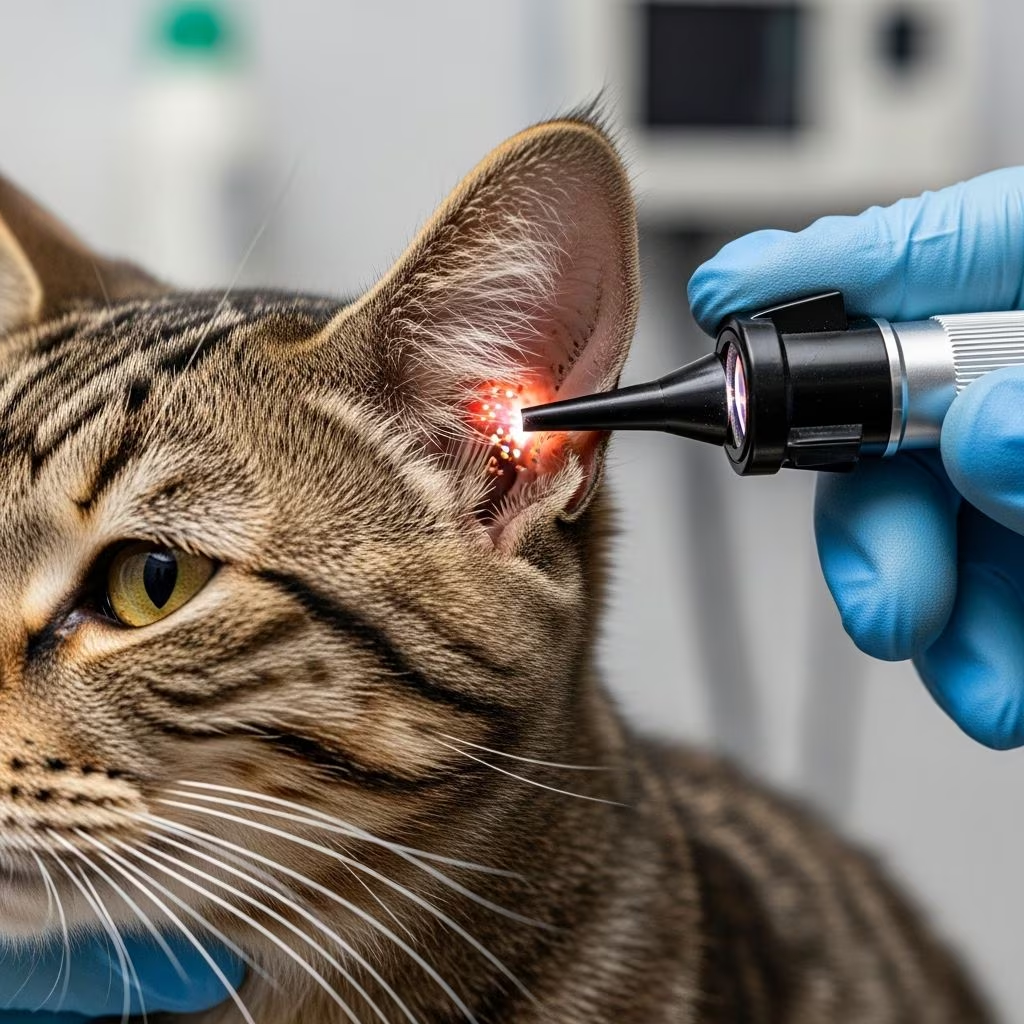
Mite infestations represent a frequent challenge for cat owners, leading to discomfort through intense itching, skin irritation, and potential hair loss. These tiny arachnids target specific areas like ears, head, or body, causing conditions often grouped under terms like mange or scabies. Early recognition allows for prompt intervention, minimizing suffering and complications such as secondary bacterial infections.
Understanding the Diversity of Cat Mites
Cats can host several mite species, each with distinct habits and preferred sites. Ear mites, for instance, thrive in the warm ear canals, while others burrow into skin or attach externally. This variety influences how symptoms manifest and the approaches needed for control. Recognizing these differences helps in selecting targeted care strategies.
- Ear Mites (Otodectes cynotis): These are among the most prevalent, residing primarily in ear canals and causing dark, crumbly discharge alongside head shaking.
- Notoedric Mites: Responsible for scabies-like conditions, they start on the head and ears, spreading if untreated, leading to crusty, thickened skin.
- Harvest or Chigger Mites: Seasonal pests encountered outdoors, attaching to skin folds and provoking bright orange specks visible upon close inspection.
- Cheyletiella Mites (Walking Dandruff): Surface dwellers that move visibly, mimicking dandruff but causing mild to severe flaking and itchiness across the back.
- Demodex Mites: Typically harmless residents that may proliferate in immunocompromised cats, resulting in localized bald patches.
Recognizing Early Warning Signs
Symptoms vary by mite type but often include relentless scratching, particularly around the head, ears, or neck. Owners might notice head tilting, ear drooping, or a foul odor emanating from affected areas. Skin changes such as redness, bumps, scaling, or hairless regions signal progression. In advanced cases, self-inflicted wounds from scratching invite bacterial invasions, worsening the condition with pus-filled lesions or systemic lethargy.
| Mite Type | Primary Symptoms | Affected Areas |
|---|---|---|
| Ear Mites | Dark waxy discharge, head shaking, scratching ears | Ears, occasionally face |
| Notoedric Scabies | Intense itching, crusts, hair loss, skin thickening | Head, ears, neck, body |
| Harvest Mites | Orange specks, irritation in skin folds | Feet, legs, belly |
| Cheyletiella | Flaky dandruff, mild itching | Back, neck |
| Demodex | Bald spots, mild scaling | Face, eyelids, localized |
These indicators demand attention, as unchecked infestations can spread to household pets or, rarely, cause transient human irritation like rashes from direct contact.
How Veterinarians Confirm Mite Presence
Diagnosis begins with a thorough physical exam, focusing on clinical signs. Veterinarians employ tools like skin scrapings, where superficial samples reveal burrowing mites, or ear swabs examined under a microscope for wriggling parasites and eggs. For elusive types like Cheyletiella, flea combs or acetate tape tests capture moving flakes. In ambiguous cases, therapeutic trials—applying treatment and monitoring improvement—may confirm suspicions when direct visualization fails. Blood tests occasionally rule out underlying immune issues exacerbating demodex cases.
Comprehensive Treatment Approaches
Treatment protocols prioritize eradicating mites while addressing inflammation, infections, and comfort. Always consult a veterinarian, as many options require prescriptions and precise dosing to avoid toxicity, especially in kittens or sensitive breeds.
Topical and Injectable Parasiticides
- Selamectin spot-ons applied monthly for multiple treatments effectively target ear mites and notoedric mange.
- Fipronil formulations, used as ear drops or sprays, repeated biweekly, control various ectoparasites safely.
- Ivermectin injections or topicals, dosed at 200-300 mcg/kg every two weeks, prove potent but demand caution due to rare neurologic risks in young cats.
- Imidacloprid-moxidectin combinations offer broad-spectrum coverage with monthly applications.
Baths and Dips for Stubborn Cases
Lime-sulfur dips, administered weekly for 4-8 sessions, excel against scabies and demodex, being non-toxic even for juveniles. Medicated shampoos remove debris prior to dips, enhancing penetration. These methods suit widespread infestations where spot-ons fall short.
Supportive Therapies
Anti-inflammatory steroids provide short-term itch relief, while antibiotics combat secondary infections. Ear cleaning with vet-approved solutions precedes medication in otodectes cases, preventing deeper impaction.
Treat all in-contact animals concurrently to curb reinfestation. Environmental decontamination—washing bedding in hot water and vacuuming—prevents fomite transmission, particularly for contagious types like notoedres.
Preventive Measures for Long-Term Protection
Proactive steps reduce recurrence risks. Monthly parasiticides like selamectin or fluralaner safeguard against multiple mites. Limit outdoor access during harvest mite seasons (late summer-fall) in endemic areas, mowing grass short and clearing debris. Regular grooming detects early flaking, and routine vet check-ups screen for demodex in at-risk cats, such as those with feline leukemia or stress.
Special Considerations for Vulnerable Cats
Kittens, seniors, and immunocompromised felines face heightened risks. Ivermectin toxicity manifests as ataxia or blindness within hours; alternatives like milbemycin suit these patients. Pregnant queens benefit from safer topicals over injectables. Human family members should wash hands post-handling and avoid face contact until resolution.
Frequently Asked Questions (FAQs)
Can humans catch mites from their cats?
Most feline mites do not infest humans long-term, but brief contact with notoedric or cheyletiella can cause itchy rashes resolving post-pet treatment.
How long does treatment take?
Ear mites often clear in 7-10 days; scabies may require 4-6 weeks of dips or multiple spot-ons for full resolution.
Are over-the-counter products safe?
No—many insecticides toxic to cats; always seek veterinary guidance for species-specific formulations.
Will my cat’s fur grow back?
Yes, with proper care, hair regrows post-mite elimination, though severe cases might leave temporary thinning.
Can mites cause permanent damage?
Rarely, if untreated; chronic scratching risks scarring or ear drum tears, but timely intervention prevents this.
Monitoring Recovery and Follow-Up
Post-treatment, observe for reduced scratching within days and clear scrapings after 2-4 weeks. Schedule rechecks to confirm negativity, adjusting protocols for persistent signs. Nutritional support bolstering skin health aids recovery.
By staying vigilant, cat owners can swiftly address mite issues, restoring their pets’ vitality and preventing outbreaks.
References
- Harvest Mite Infestations in Cats — VCA Animal Hospitals. 2023. https://vcahospitals.com/know-your-pet/harvest-mite-infestations-in-cats
- Taking the Bite Out of Feline Mites — Today’s Veterinary Nurse. 2022-10-01. https://todaysveterinarynurse.com/dermatology/taking-the-bite-out-of-feline-mites/
- Ear Mites in Cats: Causes, Signs, and Treatment — Long Beach Animal Hospital. 2024. https://lbah.com/feline/ear-mites/
- Mite Infestation (Mange, Acariasis, Scabies) of Cats — Merck Veterinary Manual. 2025-01-15. https://www.merckvetmanual.com/cat-owners/skin-disorders-of-cats/mite-infestation-mange-acariasis-scabies-of-cats
- Mange in Cats — PetMD. 2024-06-12. https://www.petmd.com/cat/conditions/infectious-parasitic/mange-cats
- Cat Mites: Causes, Symptoms & Treatment — Purina UK. 2023. https://www.purina.co.uk/articles/cats/health/parasites/cat-mites



