

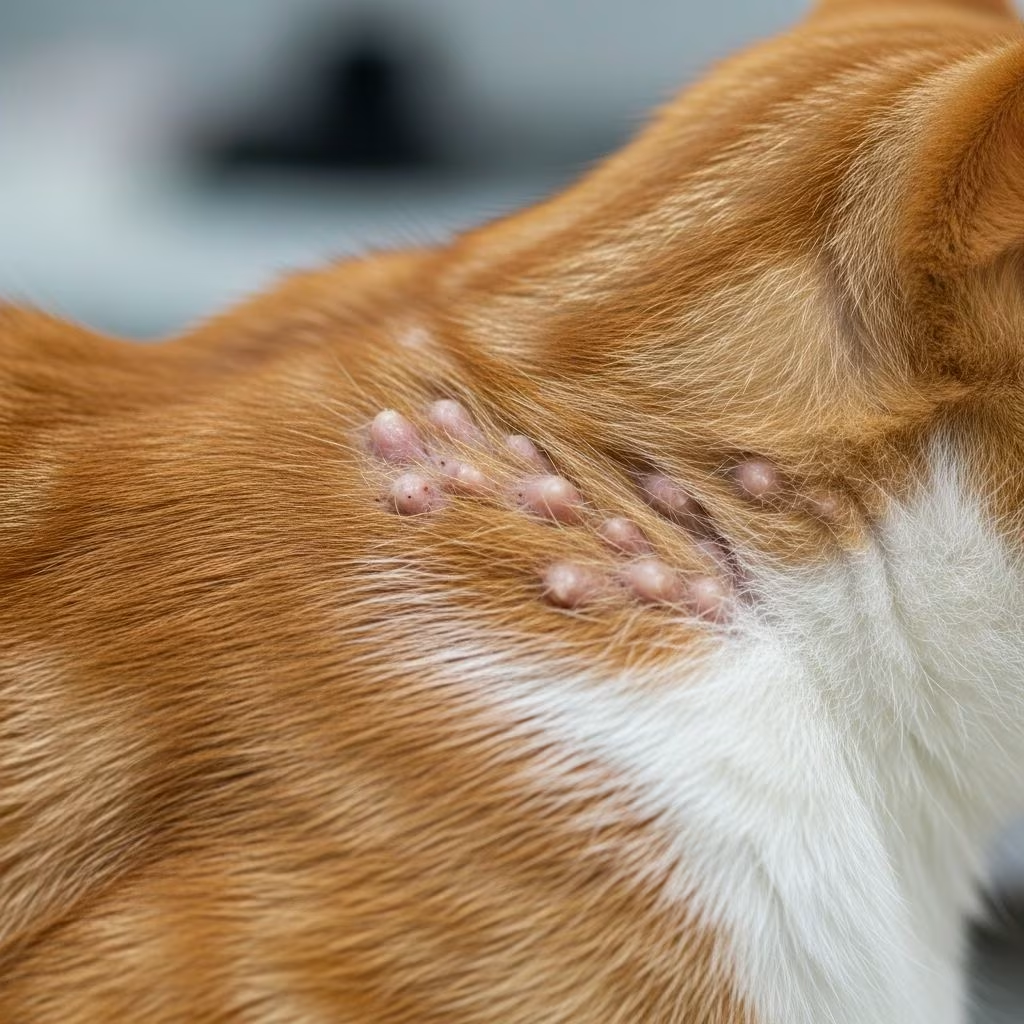
Miliary dermatitis represents one of the most frequently encountered skin conditions affecting domestic cats, characterized by the development of small, crusty lesions that resemble millet seeds—a distinctive feature that inspired its name. This dermatological condition causes considerable discomfort to affected felines and requires prompt veterinary attention to prevent complications and restore skin health. Whether you’re a first-time cat owner or an experienced feline guardian, understanding this condition enables you to recognize early warning signs and seek appropriate treatment.
Decoding the Presentation: Visual and Physical Characteristics
The hallmark feature of miliary dermatitis is the appearance of numerous small, raised, crusty bumps distributed across the cat’s skin surface. These lesions typically concentrate on specific anatomical regions, with the dorsal spine, tail base, flanks, and facial areas being most commonly affected. The condition derives its name from the resemblance these scabs bear to millet seeds, making them distinctly recognizable upon close examination or palpation during grooming sessions.
Beyond the visible scabs, cats experiencing miliary dermatitis often exhibit accompanying skin changes. The affected skin may appear thickened, and some cats develop areas of pronounced hair loss or thinning, particularly where scratching and self-trauma are most intense. In certain cases, skin manifestations extend to visible inflammation, raw patches, or weeping lesions resulting from continuous scratching and biting at irritated areas.
Behavioral and Physical Indicators Beyond Skin Changes
The discomfort associated with miliary dermatitis manifests through distinctive behavioral patterns. Affected cats typically exhibit moderate to severe itching that drives excessive grooming, licking, and scratching behaviors. Additionally, some cats display skin twitching or unusual sensitivity when touched in affected regions, signaling underlying inflammation and discomfort.
These behavioral changes often provide the first indication to attentive cat owners that something requires veterinary evaluation. The constant self-directed trauma from scratching and biting can lead to secondary complications, particularly bacterial infections that further compromise skin integrity and require additional therapeutic intervention.
Root Causes: Identifying the Underlying Triggers
Miliary dermatitis functions as a clinical manifestation of various underlying conditions rather than a disease unto itself. Understanding the primary cause is essential for developing an effective treatment strategy that addresses the source rather than merely managing symptoms.
Parasitic Infections and Hypersensitivity Reactions
Flea allergy dermatitis represents the most prevalent underlying cause of miliary dermatitis in cats. Interestingly, cats with flea allergies often react to flea saliva disproportionately to the number of fleas present, meaning even minimal flea exposure can trigger severe dermatological reactions. This hypersensitivity mechanism explains why some cats develop severe miliary dermatitis despite minimal evidence of active flea infestation.
Beyond fleas, other parasitic organisms including mites and lice can similarly trigger miliary dermatitis presentations. Identifying which parasite is responsible requires careful veterinary examination and sometimes specialized diagnostic testing.
Allergic and Environmental Sensitivities
Environmental allergens represent another significant category of triggers. Cats may develop hypersensitivities to various environmental antigens including pollen, dust mites, mold, or household chemicals. Unlike parasitic causes, environmental allergies often produce more chronic presentations with symptoms that fluctuate seasonally or persist year-round depending on exposure patterns.
Dietary Factors and Food-Related Reactions
Dietary sensitivities constitute a notable subset of cats presenting with miliary dermatitis. Certain protein sources or food additives can trigger immune-mediated skin reactions in susceptible individuals. Food-induced miliary dermatitis may develop gradually, making the connection between dietary changes and skin symptoms less obvious to cat owners.
The Diagnostic Journey: How Veterinarians Identify the Cause
Accurate diagnosis forms the foundation of effective treatment. Veterinarians typically begin with a thorough physical examination and detailed history regarding the timing of symptom onset, environmental changes, dietary modifications, and previous health issues. This initial assessment helps narrow the differential diagnosis and guide subsequent testing decisions.
For suspected allergic causes, veterinarians may recommend specialized testing such as blood tests or intradermal skin testing to identify specific environmental allergens triggering the reaction. These tests provide valuable information for implementing targeted treatment strategies and assessing candidacy for advanced interventions like immunotherapy.
Therapeutic Approaches: Multi-Faceted Treatment Strategies
Effective management of miliary dermatitis typically involves a layered approach addressing both the underlying cause and the inflammatory skin response itself.
Parasite Management and Prevention
For flea-related miliary dermatitis, veterinarian-recommended flea control products form the cornerstone of treatment. These preventive medications must be applied consistently according to manufacturer specifications, often requiring year-round administration depending on climate and lifestyle factors. Modern flea preventives offer various delivery mechanisms including topical applications, oral medications, and collar-based systems.
Dietary Interventions
When food allergies are suspected, veterinarians commonly recommend elimination diet trials using novel protein sources or prescription hypoallergenic formulations. These trials typically require at least six to eight weeks of strict adherence to assess whether dietary modification produces clinical improvement.
Pharmacological Management
Several categories of medications effectively manage the inflammatory and pruritic components of miliary dermatitis:
- Corticosteroids: Short courses of anti-inflammatory corticosteroids rapidly reduce itching and inflammation, providing comfort while underlying causes are being addressed
- Cyclosporine: This immunosuppressive medication proves particularly valuable for allergic miliary dermatitis, helping regulate aberrant immune responses
- Antihistamines: Particularly useful in cases of mild pruritus, antihistamines work by blocking histamine receptors involved in allergic reactions
- Essential Fatty Acids: Omega-3 and omega-6 supplementation supports skin barrier function and reduces inflammatory mediators
- Antibiotics: When secondary bacterial infections develop from self-trauma, antibiotics become necessary components of the treatment regimen
Topical Therapeutic Products
Topical interventions provide localized relief and support skin barrier recovery. Soothing shampoos, mousses, and medicated pads designed specifically for sensitive feline skin help cleanse affected areas, remove crusts and allergens, and deliver anti-inflammatory ingredients directly to the skin surface. These products complement systemic treatments and offer cats additional relief from discomfort.
Advanced Treatment Options: When Standard Approaches Require Enhancement
For cats with chronic allergic miliary dermatitis that proves refractory to conventional treatments, immunotherapy (allergy shots) represents an advanced option. This approach involves identifying specific environmental antigens through blood or skin testing, then administering gradual doses of allergen extract to desensitize the immune system. The immunotherapy process typically requires six to twelve months to demonstrate effectiveness, making it a long-term commitment requiring owner dedication and consistent veterinary follow-up.
Long-Term Management and Preventing Recurrence
Recovery timelines vary based on underlying causes. Cats with parasitic or infectious triggers often show improvement within weeks of initiating appropriate treatment. However, cats with allergic miliary dermatitis frequently require ongoing medication to maintain symptom control, as addressing the underlying allergy may not be fully possible.
To minimize recurrence risk, cat owners should implement several management strategies:
- Maintain year-round flea prevention as recommended by their veterinarian
- Continue prescribed allergy medications as directed, particularly during relevant seasons or year-round if necessary
- Implement stress-reduction measures including environmental enrichment and access to adequate resources
- Ensure consistent access to fresh water, particularly if cats are receiving steroid medications
- Monitor for early signs of recurrence to enable prompt intervention
Secondary Complications and When Immediate Intervention Becomes Critical
The constant scratching and biting associated with miliary dermatitis frequently leads to secondary bacterial or fungal infections. These complications manifest as pustules with white heads, raw and red skin, or discharge from affected areas. In severe cases, systemic signs including fever, lethargy, and weight loss may develop. Such presentations require expanded treatment approaches incorporating antimicrobial therapy alongside management of the underlying dermatitis.
Important Considerations Regarding Prognosis and Cure
The curability of miliary dermatitis depends largely on its underlying cause. Parasitic and infectious causes often achieve complete resolution with appropriate treatment. Conversely, allergic miliary dermatitis represents a chronic condition without definitive cure, though most cats respond well to management strategies that maintain quality of life. The absence of environmental allergens removal or food avoidance often necessitates long-term pharmacological management.
Frequently Asked Questions
Can miliary dermatitis in cats be completely cured?
The answer depends on the underlying cause. Parasitic or infectious miliary dermatitis typically achieves complete cure with appropriate veterinary treatment. Allergic miliary dermatitis, however, functions more as a chronic manageable condition requiring ongoing therapy rather than a disease with a definitive cure. Success in allergic cases focuses on effective symptom management and prevention of recurrence.
How long does treatment typically take to show results?
Improvement timelines vary considerably. Many cats show noticeable improvement within two to four weeks of initiating appropriate treatment, though complete resolution may require longer. Cats receiving immunotherapy must commit to a yearlong treatment period before assessing effectiveness.
Will my cat need lifelong medication for miliary dermatitis?
This depends on both the underlying cause and individual response to treatment. Cats with parasitic or infectious causes often require treatment only until the condition resolves. Those with allergic miliary dermatitis frequently benefit from ongoing medication, particularly during seasons when environmental allergen exposure peaks.
What are the risks of leaving miliary dermatitis untreated?
Untreated miliary dermatitis worsens over time, causing increasing discomfort and driving more intense self-trauma. This escalating self-directed injury frequently leads to secondary bacterial infections requiring more aggressive treatment. Additionally, chronic discomfort negatively impacts cats’ quality of life and may contribute to behavioral changes.
Moving Forward: When to Contact Your Veterinarian
Cat owners noticing any combination of crusty scabs, excessive grooming, hair loss, or signs of skin irritation should promptly contact their veterinarian. Early intervention typically produces faster resolution and prevents development of secondary complications. Established miliary dermatitis cases requiring ongoing management benefit from regular veterinary reassessment to adjust treatment protocols based on response patterns and seasonal variations.
References
- Miliary Dermatitis in Cats — Joii Pet Care. Accessed 2026. https://www.joiipetcare.com/blogs/health-conditions/miliary-dermatitis-in-cats
- Scabby Cat Disease: How to Treat Feline Miliary Dermatitis — Animal Friends Dermatology. 2023-03-30. https://www.animalfriendsdermatology.com/site/blog/2023/03/30/scabby-cat-disease
- Scabby Cat Disease: How to Treat Feline Miliary Dermatitis — Cumberland Animal Hospital. 2024-04-30. https://www.cumberlandanimalhospitalonline.com/site/blog/2024/04/30/scabby-cat-disease
- Miliary Dermatitis in Cats — VCA Animal Hospitals. Accessed 2026. https://vcahospitals.com/know-your-pet/feline-miliary-dermatitis
- Miliary Dermatitis in Cats – Your Cat’s Skin — Douxo S3 UK. Accessed 2026. https://www.douxo.com/sg_en/your-cat-s-skin/miliary-dermatitis
- Miliary Dermatitis in Cats: Causes, Symptoms, and Treatment — Cats.com. Accessed 2026. https://cats.com/miliary-dermatitis-in-cats



