

Understanding Feline Miliary Dermatitis
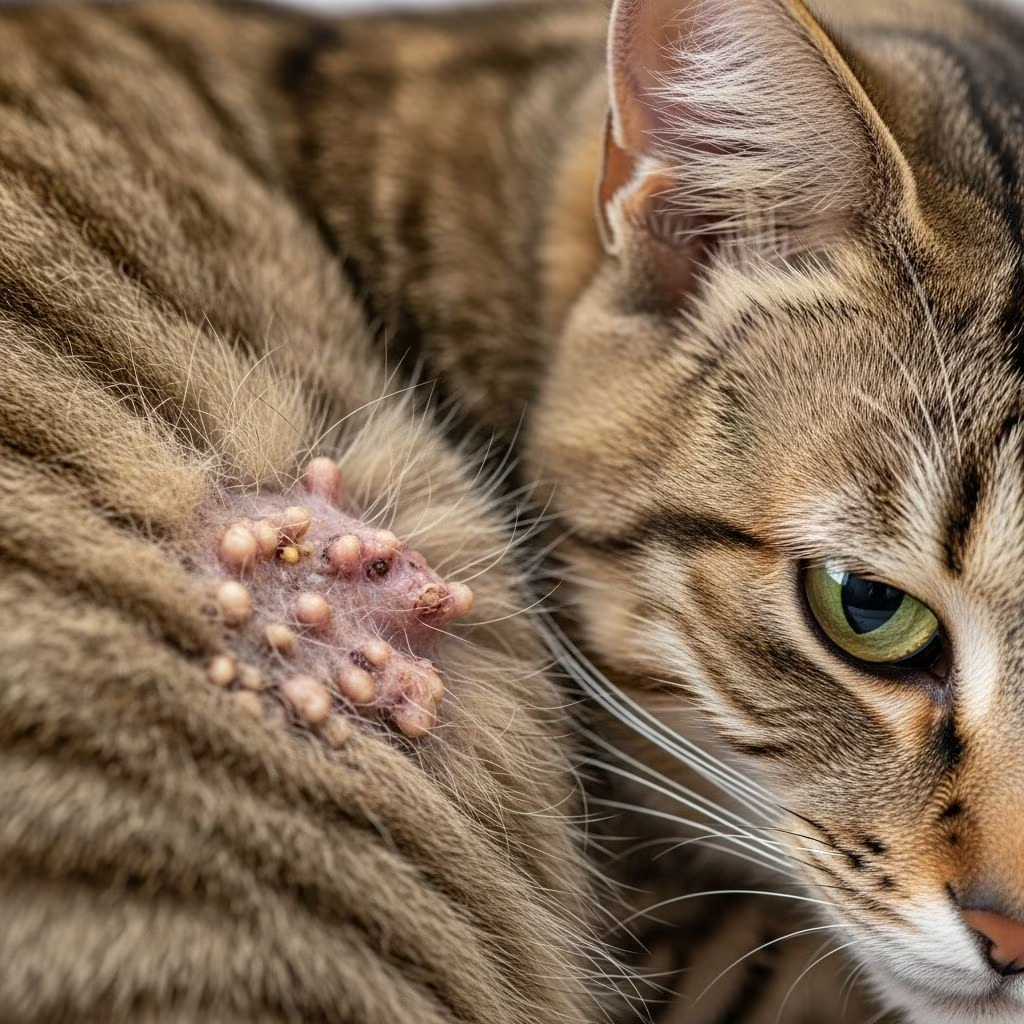
Feline miliary dermatitis is a common allergic skin condition that affects cats of all ages and breeds. The condition is characterized by small, crusted lesions that develop on the cat’s skin as a result of an allergic reaction. The term “miliary” derives from the Latin word “milium,” which means “millet,” because the appearance of these small, crusty spots resembles millet seeds. These distinctive lesions can often be felt rather than seen, making them a unique diagnostic feature of this condition. Miliary dermatitis represents one of the most common skin reaction patterns in feline medicine, affecting cats across different geographic regions and living conditions.
This condition is primarily an allergic response that manifests on the skin, though the underlying triggers can vary significantly from one cat to another. Understanding the nature of feline miliary dermatitis is essential for cat owners and veterinarians alike, as early recognition and appropriate treatment can significantly improve the cat’s quality of life and prevent secondary complications.
Clinical Signs and Symptoms
Cats affected by miliary dermatitis display a range of clinical signs that can vary in severity depending on the underlying cause and the individual cat’s sensitivity. Recognizing these symptoms early is crucial for prompt veterinary intervention.
Primary Symptoms
An affected cat will develop an intensely itchy rash and may spend considerable time licking, biting, and scratching the affected skin. In some cases, simply touching the affected skin causes the cat to scratch, lick, or twitch involuntarily. This hypersensitivity to touch is a characteristic feature of the condition. The rash quickly progresses to small spots with scabs on them, which may result from self-trauma caused by the cat’s excessive grooming or from the allergic reaction itself.
Affected Body Areas
While miliary dermatitis can appear anywhere on the body, certain areas are more commonly affected than others. The most frequently involved regions include the lower back, around the base of the tail, face, ears, neck, flanks, and belly. The hair coat often becomes thin or shows signs of hair loss in these affected areas due to the cat’s constant grooming and scratching behaviors. In severe cases, the affected skin may appear thickened and darker than the surrounding skin.
Secondary Complications
In severe cases, the rash becomes infected, appearing as pustules or pimple-like lesions that require additional veterinary care. Affected cats spend a considerable amount of time grooming and scratching the affected areas, which can lead to secondary bacterial infections, further complicating the condition. Grazed areas and raw patches may develop from constant scratching, creating entry points for bacteria and increasing the risk of infection.
Causes of Feline Miliary Dermatitis
Feline miliary dermatitis can result from multiple underlying causes, though allergic reactions remain the primary driver. Understanding the potential causes is essential for effective treatment and long-term management of the condition.
Flea Allergy Dermatitis: The Most Common Cause
The most common cause of feline miliary dermatitis is an allergy to fleabites, a condition known as flea allergic dermatitis (FAD). Some cats develop extreme sensitivity to flea saliva, and remarkably, a single flea bite may be enough to provoke a severe and prolonged skin reaction. This hypersensitivity differs significantly from the typical response most animals have to fleas. In cats with FAD, the immune system overreacts to flea saliva antigens, triggering an inflammatory cascade that results in the characteristic miliary lesions. This condition is particularly prevalent in warm-climate areas or regions where flea infestations are common.
Food Allergies
Miliary dermatitis can also indicate an allergy to something in the cat’s diet, a condition referred to as food allergy dermatitis. Common dietary triggers may include specific protein sources, grains, or food additives. Food allergies typically manifest as year-round symptoms, though they may worsen at certain times. Identifying the specific food allergen often requires careful dietary trials and elimination diets under veterinary guidance.
Environmental Allergens
Environmental allergens such as pollen, storage mites, mold spores, and dust can trigger miliary dermatitis in sensitive cats. Unlike food allergies, environmental allergies often show seasonal patterns, with symptoms worsening during specific times of year when certain allergens are more prevalent. Cold-winter regions may see this condition develop much more frequently in the summer months when pollen counts are higher.
Contact Dermatitis
Contact dermatitis, an allergic reaction caused by direct contact with an allergen, can theoretically cause miliary dermatitis. However, this condition is extremely rare in cats, as felines are less prone to contact allergies compared to other animal species. Potential contact allergens might include certain cleaning products, plants, or materials in the cat’s environment.
Other Potential Causes
Beyond allergic reactions, miliary dermatitis may be associated with several other conditions including mite infestations (such as ear mites, skin mites, hair follicle mites, and Cheyletiella mites), lice, ringworm (a fungal infection), bacterial infections, nutritional deficiencies (particularly in essential fatty acids), immune-mediated diseases, endocrine or hormone disorders, and drug hypersensitivity reactions. In some cases, parasites like chiggers and ticks may also contribute to the development of miliary dermatitis.
Diagnosis of Miliary Dermatitis
Diagnosing feline miliary dermatitis typically relies on a combination of clinical evaluation, medical history assessment, and sometimes additional diagnostic tests. Veterinarians will base their diagnosis primarily on the cat’s medical history and the characteristic clinical signs present on physical examination. Providing comprehensive information about anything that may have contributed to the condition is essential for accurate diagnosis.
During the physical examination, veterinarians look for the distinctive small, crusted lesions characteristic of miliary dermatitis, typically located on the lower back, tail base, face, ears, neck, flanks, and belly. The distribution pattern of lesions can provide clues about the underlying cause. For instance, lesions concentrated on the face and neck may suggest food allergies, while those on the lower back and rump often indicate flea sensitivity.
Additional diagnostic tests may be performed depending on the clinical presentation and suspected underlying cause. Skin scrapings may be taken to rule out mite infestations, fungal cultures or KOH preparations can help identify ringworm, and bacterial cultures may be necessary if secondary infections are present. Allergy testing, either intradermal skin testing or serum-based allergy panels, may be recommended to identify specific allergens, particularly in cases where the cause remains unclear after initial evaluation.
Treatment and Management Approaches
Treatment of feline miliary dermatitis focuses primarily on identifying and addressing the underlying cause. Once the causative factor is identified, targeted treatment can be implemented to resolve the condition and prevent recurrence.
Flea Control and Prevention
For cats with flea allergy dermatitis, strict flea prevention and control is paramount. This may involve the use of topical flea preventatives, oral medications, flea shampoos, or environmental treatments to eliminate fleas from the cat and its surroundings. Even a single flea bite can trigger symptoms in sensitive cats, so year-round flea prevention is often recommended. Additionally, treating other animals in the household and addressing flea infestations in the environment is crucial for successful long-term management.
Dietary Management
For cats suspected of having food allergies, dietary management involves identifying and eliminating the offending food allergen. This typically requires an elimination diet trial where the cat is fed a novel protein source and carbohydrate source for several weeks to determine if symptoms resolve. Common novel protein options include duck, venison, or rabbit. Once the cat’s symptoms improve on the elimination diet, individual ingredients can be reintroduced systematically to identify the specific allergen causing the reaction.
Environmental Control
Managing environmental allergens may involve reducing exposure to known triggers. This could include minimizing outdoor access during high pollen seasons, using air filtration systems, maintaining proper humidity levels to reduce mite populations, and regularly cleaning bedding and living areas. For cats with documented environmental allergies, immunotherapy (allergy shots or sublingual immunotherapy) may be beneficial in some cases.
Symptomatic Treatment
While the underlying cause is being addressed, symptomatic treatment can help alleviate the cat’s discomfort. This may include anti-inflammatory medications, antihistamines, or corticosteroids to reduce itching and inflammation. Omega-3 fatty acid supplements may help support skin health and reduce inflammatory responses. Medicated shampoos or topical treatments may provide relief and help prevent secondary infections. In cases where secondary bacterial infections have developed, appropriate antibiotic therapy is necessary.
Frequently Asked Questions
Q: Can feline miliary dermatitis be cured permanently?
A: The prognosis depends on the underlying cause. If the cause is flea allergy dermatitis and strict flea prevention is maintained, the condition can be effectively controlled. For food allergies, permanent management through dietary restriction is possible. Environmental allergies may require ongoing management, and immunotherapy can sometimes provide long-term relief.
Q: Is miliary dermatitis contagious to other cats?
A: Miliary dermatitis itself is not contagious. However, if the underlying cause is a parasitic infestation or fungal infection like ringworm, those conditions can be transmitted to other animals. Proper diagnosis and treatment of the underlying cause are important for preventing spread.
Q: How long does it take to see improvement with treatment?
A: The timeline for improvement depends on the underlying cause and the individual cat. With flea control, improvement may be seen within 1-2 weeks. Dietary trials typically require 6-12 weeks to show significant improvement. Environmental management and immunotherapy may take several weeks to months to demonstrate noticeable benefits.
Q: Are there home remedies for miliary dermatitis?
A: While some home remedies like oatmeal baths or omega-3 supplements may provide symptomatic relief, they cannot substitute for veterinary diagnosis and treatment of the underlying cause. Professional veterinary care is essential for proper management and prevention of complications.
Q: Can indoor cats develop miliary dermatitis?
A: Yes, indoor cats can develop miliary dermatitis. Fleas can be brought indoors by other animals or on clothing, and food allergies and environmental allergens (dust, molds) are common in indoor environments. Indoor cats may also be affected by ringworm or other parasites.
Q: When should I take my cat to the veterinarian?
A: You should consult a veterinarian if you notice persistent itching, rashes, scabs, hair loss, or any changes in your cat’s skin condition. Early professional evaluation can prevent complications and lead to faster resolution of symptoms.
References
- Miliary Dermatitis in Cats — VCA Animal Hospitals. 2025. https://vcahospitals.com/know-your-pet/feline-miliary-dermatitis
- Miliary Dermatitis in Cats: Causes and Clinical Signs — Douxo S3. 2025. https://www.douxo.com/sg_en/your-cat-s-skin/miliary-dermatitis
- Scabby Cat Disease: How to Treat Feline Miliary Dermatitis — Vet Referral Center. 2023-04-15. https://www.vetreferralcenter.com/site/blog/2023/04/15/scabby-cat-disease-treat-feline-miliary-dermatitis
- Feline Miliary Dermatitis: Diagnosis and Treatment — Cumberland Animal Hospital. 2024-04-30. https://www.cumberlandanimalhospitalonline.com/site/blog/2024/04/30/scabby-cat-disease
- Understanding Miliary Dermatitis in Cats — Joii Pet Care. 2025. https://www.joiipetcare.com/blogs/health-conditions/miliary-dermatitis-in-cats



