

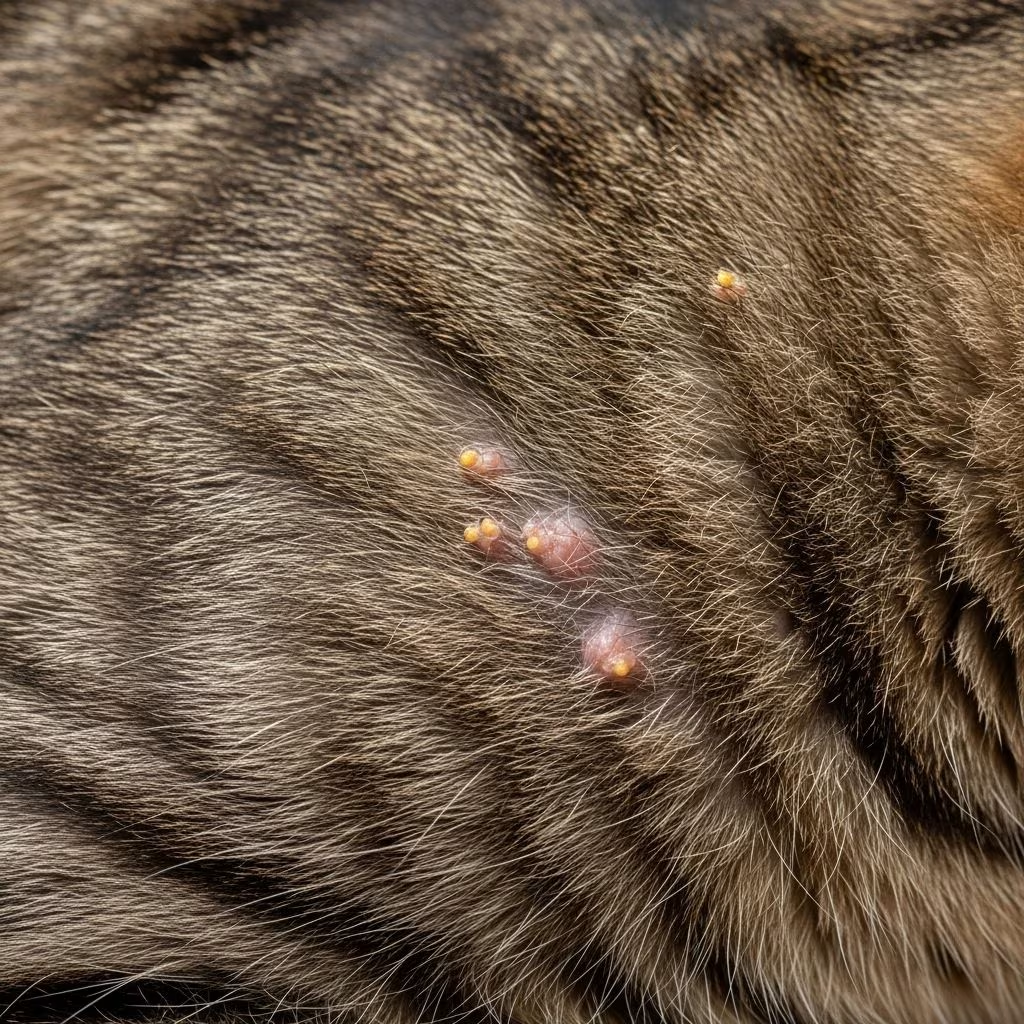
What is Feline Miliary Dermatitis?
Feline miliary dermatitis is a common allergic skin condition that affects cats of all ages and breeds. The condition is characterized by the development of small, crusted spots on the skin that resemble millet seeds, from which the condition derives its name. The term “miliary” comes from the Latin word milium, meaning “millet,” because these distinctive lesions have the appearance and size of millet grains. Unlike some other dermatological conditions, miliary dermatitis in cats is primarily an allergic reaction that manifests through specific skin lesions.
What makes miliary dermatitis particularly notable is that these lesions can often be felt rather than clearly seen, especially in the early stages of the condition. The texture of the affected skin becomes noticeably rough and bumpy to the touch. This characteristic makes early detection challenging for pet owners who may not immediately notice visual changes in their cat’s skin. However, the discomfort and itching associated with the condition typically prompts cats to engage in excessive grooming and scratching, which usually alerts owners to the presence of a problem.
The condition primarily represents a skin reaction pattern that is specific to feline species. This means that while other animals may develop similar allergic responses, the way cats manifest these allergies through skin lesions is distinctive and recognizable to veterinary professionals. Understanding this condition is crucial for cat owners, as early identification and treatment can significantly improve their pet’s quality of life and prevent secondary complications.
Clinical Signs and Symptoms of Miliary Dermatitis
Recognizing the clinical signs of miliary dermatitis is essential for prompt veterinary intervention. The most obvious symptom is intense itching, which leads to excessive licking, biting, and scratching of the affected areas. In some cases, simply touching the affected skin can trigger an immediate scratching response from the cat, demonstrating the sensitivity and discomfort involved.
Primary Symptoms
The most commonly observed symptoms include:
- An itchy rash that progresses rapidly to small spots with scabs
- Excessive licking, biting, and scratching of affected areas
- Thin hair coat in affected regions due to self-trauma
- Crusted bumps that feel like small, rough spots on the skin
- Noticeable behavioral changes related to grooming and scratching
Affected Body Areas
Miliary dermatitis typically appears in specific regions of the cat’s body. The most commonly affected areas include the lower back, around the base of the tail, face, ears, neck, flanks, and belly. The distribution pattern is often symmetrical and tends to concentrate on these specific zones. Some cats may experience localized outbreaks in just one or two areas, while others develop more widespread lesions across multiple body regions.
Severe Cases and Secondary Complications
In severe cases, the constant scratching and licking can lead to secondary bacterial infections. When this occurs, the rash may develop into pustules or pimple-like lesions that appear more inflamed and infected. Affected cats spend considerable time grooming these areas, which can exacerbate the condition and lead to open wounds, bleeding, and increased risk of infection. The presence of infected lesions requires more aggressive treatment to prevent complications.
Causes of Feline Miliary Dermatitis
Understanding the underlying causes of miliary dermatitis is crucial for effective treatment and long-term management. While there are multiple potential causes, they can be broadly categorized into allergic and non-allergic factors.
Flea Allergy Dermatitis (The Most Common Cause)
Flea allergy dermatitis remains by far the most common cause of feline miliary dermatitis. What makes this condition particularly challenging is that affected cats develop an extreme sensitivity to flea saliva. Unlike typical flea infestations where multiple bites cause noticeable problems, cats with flea allergy dermatitis can have a severe and dramatic skin reaction from just a single flea bite. This heightened sensitivity means that traditional flea prevention and control measures are absolutely essential for affected cats.
The severity of the reaction far exceeds what would be expected from a simple insect bite, indicating an immune system overreaction to the flea’s saliva. This is why even indoor cats without obvious flea exposure can develop miliary dermatitis, as a single flea can trigger a significant allergic response.
Food Allergies
Food allergies represent another significant cause of miliary dermatitis in cats. Cats can develop allergic reactions to specific ingredients in their diet, leading to a systemic allergic response that manifests as skin lesions. Common food allergens in cats include certain proteins, grains, and food additives. Food allergy dermatitis typically requires dietary modification and elimination diets to identify the problematic ingredient.
Environmental Allergies
Environmental allergens such as pollen, mold spores, dust mites, and storage mites can trigger miliary dermatitis in susceptible cats. These inhalant allergies cause a systemic allergic response that ultimately manifests through skin lesions. Environmental allergies may be seasonal, particularly in certain geographic regions, or year-round depending on the specific allergen and the cat’s environment.
Other Potential Causes
While less common than allergies, numerous other conditions can present with miliary dermatitis. These include:
- Parasitic Infections: Mites (including ear mites, skin mites, and hair follicle mites), lice, chiggers, and ticks can all cause miliary dermatitis
- Fungal Infections: Ringworm (a fungal infection) can present with similar lesions and itching
- Bacterial Infections: Secondary bacterial infections from excessive scratching or primary bacterial dermatitis
- Nutritional Deficiencies: Insufficient essential fatty acids or other nutritional deficiencies can compromise skin health
- Immune-Mediated Diseases: Autoimmune conditions that affect skin integrity
- Contact Dermatitis: Allergic reactions from direct contact with allergens, though this is rare in cats
Contact dermatitis deserves special mention because while it can occur in cats, it is significantly less common than in other species. This is because cats typically avoid prolonged contact with irritating substances due to their fastidious grooming habits.
Diagnosis of Miliary Dermatitis
Veterinarians diagnose miliary dermatitis primarily through clinical examination and detailed medical history. During the physical examination, the characteristic appearance and distribution of lesions, combined with the cat’s presentation and reported symptoms, usually confirm the diagnosis.
Diagnostic Process
The diagnostic process typically involves:
- Thorough physical examination of the skin and lesions
- Review of the cat’s medical history and previous health issues
- Discussion of recent environmental changes or dietary modifications
- Assessment of flea exposure and current flea prevention status
- Possible skin scrapings or fungal cultures if ringworm or mites are suspected
- Bacterial culture if secondary infection is present
Pet owners should provide as much detailed information as possible about their cat’s symptoms, dietary history, living environment, and any recent exposures. This information helps the veterinarian narrow down potential causes and develop an appropriate treatment plan.
Treatment Approaches for Miliary Dermatitis
Effective treatment of miliary dermatitis focuses on identifying and addressing the underlying cause rather than simply treating the skin symptoms. Once the cause is determined, targeted therapy can significantly improve the cat’s condition and reduce discomfort.
Flea Control and Prevention
For cats with flea allergy dermatitis, aggressive and consistent flea prevention is absolutely critical. This includes using veterinarian-recommended flea preventatives year-round and treating all other pets in the household. The goal is to eliminate all flea exposure, as even a single bite can trigger symptoms in sensitive cats. Flea prevention products may include topical treatments, oral medications, or flea collars, depending on what the veterinarian recommends for the individual cat.
Dietary Management
When food allergies are suspected, veterinarians may recommend elimination diets or prescription limited-ingredient diets designed to identify problematic food components. These diets typically contain novel protein sources or hydrolyzed proteins that are less likely to trigger allergic reactions. The elimination diet process requires patience, as it typically takes 8-12 weeks to see improvement and confirm that a specific ingredient was the culprit.
Environmental Management
For environmental allergies, reducing exposure to allergens through environmental management is important. This may include using air filters, maintaining appropriate humidity levels, and minimizing dust accumulation in areas where the cat spends time. Additionally, immunotherapy or allergy medications may help reduce the cat’s allergic response to environmental triggers.
Supportive Care
Supportive treatments help manage symptoms while the underlying cause is addressed. These may include:
- Antihistamines to reduce itching and allergic response
- Corticosteroids to reduce inflammation and provide relief during acute flare-ups
- Antibiotics if secondary bacterial infection is present
- Medicated shampoos to soothe the skin and prevent infection
- Essential fatty acid supplements to support skin health
Prevention and Management
Long-term management of miliary dermatitis requires ongoing vigilance and commitment from pet owners. Consistent flea prevention, regular veterinary check-ups, and attention to any dietary or environmental factors that trigger symptoms are essential for keeping the condition under control.
Pet owners should maintain detailed records of when symptoms appear, what environmental factors seem to trigger flare-ups, and which treatments provide the most relief. This information helps both the owner and the veterinarian optimize the treatment plan over time.
Frequently Asked Questions About Feline Miliary Dermatitis
Q: Can miliary dermatitis be cured permanently?
A: The answer depends on the underlying cause. If miliary dermatitis is caused by flea allergy, it can be controlled indefinitely with consistent flea prevention but may not be permanently cured. Food allergies can sometimes be managed successfully through dietary modification. Environmental allergies typically require ongoing management but can be reduced with proper environmental controls and medications.
Q: Is miliary dermatitis contagious to other cats or humans?
A: Miliary dermatitis itself is not contagious. However, if the underlying cause is a parasitic infection like mites or ringworm, those conditions can spread to other animals. Always consult with your veterinarian if other pets in the household are showing symptoms.
Q: How long does it take to see improvement with treatment?
A: The timeline for improvement varies depending on the underlying cause and type of treatment. With flea treatment, improvement is often noticeable within 1-2 weeks. Food allergy elimination diets typically require 8-12 weeks to show results. Environmental allergy management may take several weeks to months for noticeable improvement.
Q: What should I do if my cat develops an open wound or infection from scratching?
A: Contact your veterinarian immediately. Open wounds require professional treatment to prevent serious infection. The veterinarian may prescribe antibiotics, medicated treatments, and may recommend an Elizabethan collar to prevent further self-trauma while the skin heals.
Q: Are indoor cats at risk for miliary dermatitis?
A: Yes, indoor cats can develop miliary dermatitis, particularly from food or environmental allergies. Additionally, indoor cats can still be exposed to fleas if they enter the home on human clothing or pets, making flea prevention important even for indoor-only cats.
References
- Miliary Dermatitis in Cats — VCA Animal Hospitals. https://vcahospitals.com/know-your-pet/feline-miliary-dermatitis
- Miliary Dermatitis in Cats: Your Cat’s Skin — Douxo S3 UK. https://www.douxo.com/sg_en/your-cat-s-skin/miliary-dermatitis
- Scabby Cat Disease: How to Treat Feline Miliary Dermatitis — Veterinary Referral Center. 2023-04-15. https://www.vetreferralcenter.com/site/blog/2023/04/15/scabby-cat-disease-treat-feline-miliary-dermatitis
- Feline Miliary Dermatitis: Cat Conditions — Wag Walking. https://wagwalking.com/cat/condition/feline-miliary-dermatitis
- Scabby Cat Disease: How to Treat Feline Miliary Dermatitis — Cumberland Animal Hospital. 2024-04-30. https://www.cumberlandanimalhospitalonline.com/site/blog/2024/04/30/scabby-cat-disease
- Miliary Dermatitis — Scabby Cat Disease — Veterinary Specialty Center of Tucson. 2023-12-15. https://www.vscot.com/site/blog/2023/12/15/scabby-cat
- Miliary Dermatitis in Cats — Joii Pet Care. https://www.joiipetcare.com/blogs/health-conditions/miliary-dermatitis-in-cats



