

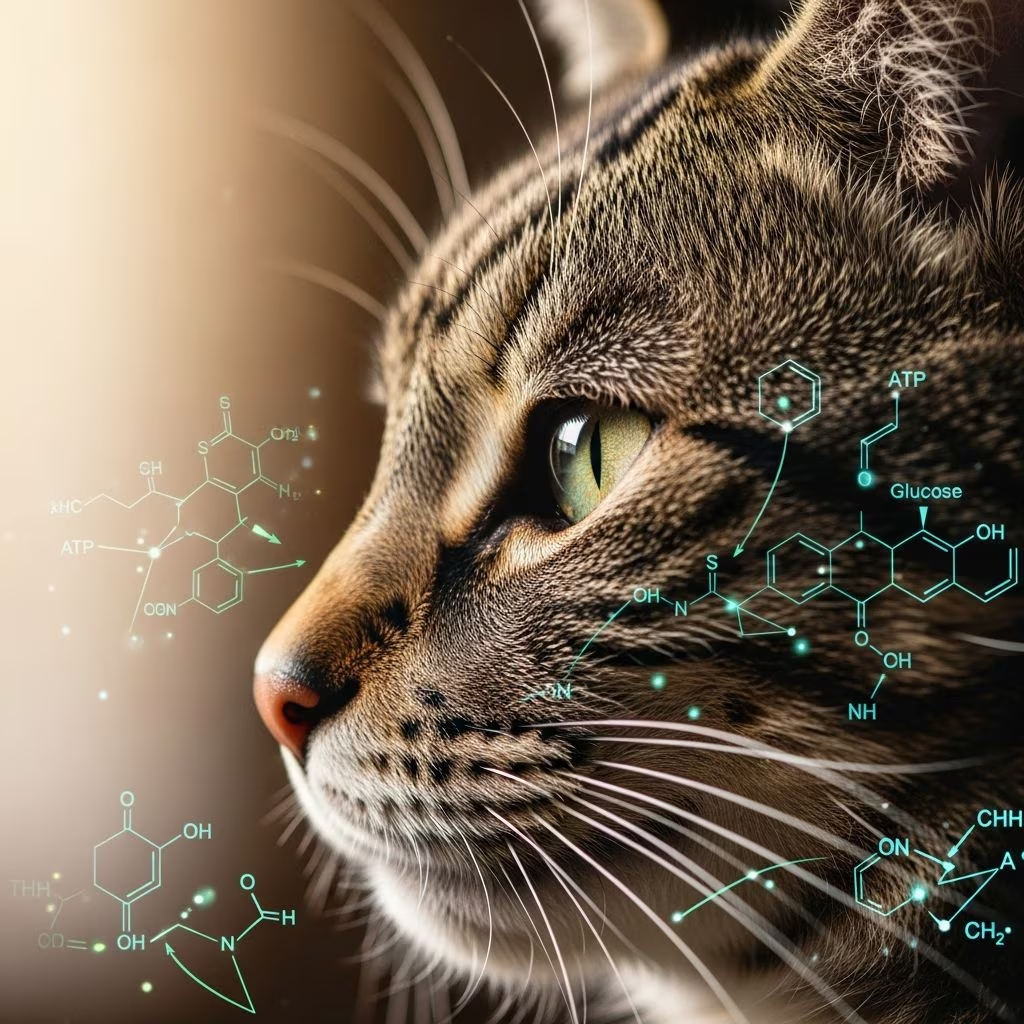
Cats possess a distinctive metabolic framework shaped by their evolutionary history as obligate carnivores. This system prioritizes protein catabolism for energy, exhibits limited flexibility with carbohydrates, and maintains high gluconeogenic activity to sustain blood glucose levels. Understanding these processes empowers owners to optimize diet and health outcomes.
The Foundations of Cat Energy Metabolism
At its core, feline metabolism involves the breakdown and utilization of macronutrients—proteins, fats, and carbohydrates—to produce adenosine triphosphate (ATP), the cell’s energy currency. Unlike omnivores, cats derive most energy from amino acids and fatty acids rather than glucose from carbs.
Protein breakdown begins with digestion into amino acids, which undergo transamination and deamination. The amino groups form ammonia, processed via the urea cycle, while carbon skeletons enter glycolysis, the citric acid cycle, or gluconeogenesis. Fats are oxidized through beta-oxidation to acetyl-CoA, fueling the citric acid cycle and electron transport chain. Carbohydrates, when present, follow glycolysis to pyruvate and then acetyl-CoA, but cats show inefficiencies here.
- Protein dominance: Cats require constant high-quality protein due to rapid turnover and inability to downregulate catabolic enzymes.
- Fat efficiency: Beta-oxidation provides steady energy, supporting ketosis during fasting.
- Carb limitations: Minimal amylase and disaccharidase activity hinders starch digestion.
Obligate Carnivore Adaptations
Evolutionary pressures have tuned cats for meat-based diets low in carbohydrates (1-2% nitrogen-free extract on metabolic energy basis). Wild cats consume 8-12 small prey daily, delivering sporadic but protein-rich meals.
Key adaptations include:
- High hepatic gluconeogenesis rates, converting amino acids to glucose continuously.
- Absent glucokinase (hexokinase IV), compensated by elevated activities in pyruvate kinase, fructokinase, and glucose-6-phosphate dehydrogenase.
- Limited pancreatic and salivary amylase, plus short small intestine, reducing carb absorption surface.
- Fixed high activity of amino acid catabolizing enzymes and urea cycle, preventing adaptation to low-protein diets.
These traits render cats “metabolically inflexible,” always catabolizing protein for energy regardless of carb or fat intake.
Handling Carbohydrates in Cats
Despite the “carnivore fantasy,” cats can digest and utilize carbs, albeit inefficiently. Disaccharidase activity increases caudally in the intestine, unaffected by dietary carb levels. Glucose absorption occurs via limited intestinal length, partially offset by efficient transporters.
Cats lack fructokinase, impairing fructose use, and show no glucokinase induction post-meal. Yet, upregulated distal glycolytic enzymes enable glucose metabolism similar to other species. Diets up to 70% protein suffice without carbs, as gluconeogenesis meets glucose demands.
| Nutrient | Cat Adaptation | Comparison to Dogs |
|---|---|---|
| Carbohydrates | Low amylase, no glucokinase | Higher amylase, inducible enzymes |
| Protein | High fixed catabolism | Flexible regulation |
| Fats | Efficient beta-oxidation | Similar but less reliant |
Protein Requirements and Gluconeogenesis
Cats demand elevated essential amino acids like arginine, taurine, and tyrosine, plus B-vitamins (niacin, thiamin), due to greater losses and synthetic limitations. Protein turnover constantly degrades and resynthesizes body proteins, necessitating daily high intake.
Gluconeogenesis, prominent in cats, produces glucose from amino acids, glycerol, and lactate—crucial during fasting or high demand. This pathway, active in liver and kidneys, prevents hypoglycemia despite no carb requirement.
Age-Related Metabolic Changes
Senior cats (over 11 years) experience a 20-30% basal metabolic rate (BMR) decline, linked to muscle loss and reduced activity. Lean body mass drop triggers catabolic signals, further slowing metabolism.
Obesity risk rises as appetite persists while energy needs fall. Hepatic lipidosis looms if sudden anorexia occurs, emphasizing stable high-protein feeding.
- Maintain muscle via targeted protein (30-40% metabolizable energy).
- Monitor weight; adjust calories proactively.
- Incorporate omega-3s for anti-inflammatory benefits.
Obesity Prevention and Management
Over 60% of cats are overweight, stemming from caloric surplus on carb-heavy commercial foods mismatched to metabolic needs. Excess energy stores as fat, but high protein intake curbs this via obligatory thermogenesis and gluconeogenesis.
Strategies include:
- High-protein, low-carb diets: Promote satiety and muscle retention.
- Portion control: Feed measured meals 2-4 times daily.
- Activity boost: Interactive toys to mimic hunting.
- Regular vet checks: Track body condition score.
Gradual weight loss (1-2% body weight weekly) prevents hepatic lipidosis.
Nutritional Strategies for Optimal Metabolism
Tailor diets to life stage:
| Life Stage | Key Needs | Focus Areas |
|---|---|---|
| Kitten | High protein/fat | Growth, energy for play |
| Adult | Balanced, high protein | Maintenance, activity |
| Senior | High protein, joint support | Muscle preservation, mobility |
Avoid fillers like corn; prioritize animal-based proteins. Hydration aids renal function amid high protein loads.
Common Metabolic Disorders
Diabetes mellitus arises from insulin resistance, often obesity-linked, with high-carb diets exacerbating. Hyperthyroidism accelerates BMR in seniors, causing weight loss despite increased appetite. Kidney disease demands moderated protein but high quality to minimize waste.
FAQs
Do cats need carbohydrates in their diet?
No, cats fulfill glucose needs via gluconeogenesis from protein, with no minimum carb requirement.
Why can’t cats handle high-starch foods?
Limited amylase and short intestines impair digestion and absorption.
How does aging affect a cat’s metabolism?
BMR drops 20-30%, increasing obesity risk unless diet adjusts.
Can cats become obese on a high-protein diet?
Less likely, as protein boosts thermogenesis, but calories must match needs.
What role do fats play in feline energy?
Primary post-protein source via beta-oxidation, supporting sustained energy.
References
- Cats and Carbohydrates: The Carnivore Fantasy? — PMC. 2017-12-20. https://pmc.ncbi.nlm.nih.gov/articles/PMC5753635/
- The Skinny on Senior Cats: Metabolism Explained — Hare Today. 2023-01-15. https://hare-today.com/feline-nutrition/nutrition/the-skinny-on-senior-cats-metabolism-explained
- Characteristics of Nutrition and Metabolism in Dogs and Cats — Engormix. 2022-05-10. https://en.engormix.com/feed-machinery/animal-rendering/characteristics-nutrition-metabolism-dogs_a54106/
- Feeding cats for health and obesity management (Proceedings) — dvm360. 2021-11-05. https://www.dvm360.com/view/feeding-cats-health-and-obesity-management-proceedings
- Cat Metabolism: How it Affects Health & Weight — Hill’s Pet. 2024-08-12. https://www.hillspet.com/cat-care/healthcare/cat-metabolism
- Metabolism in animals — Wellion. 2023-06-18. https://www.wellion.eu/en/diabetes/metabolism-in-animals
- Fat Metabolism in Cats — Little Big Cat. 2022-03-22. https://littlebigcat.com/fat-metabolism-in-cats/



