

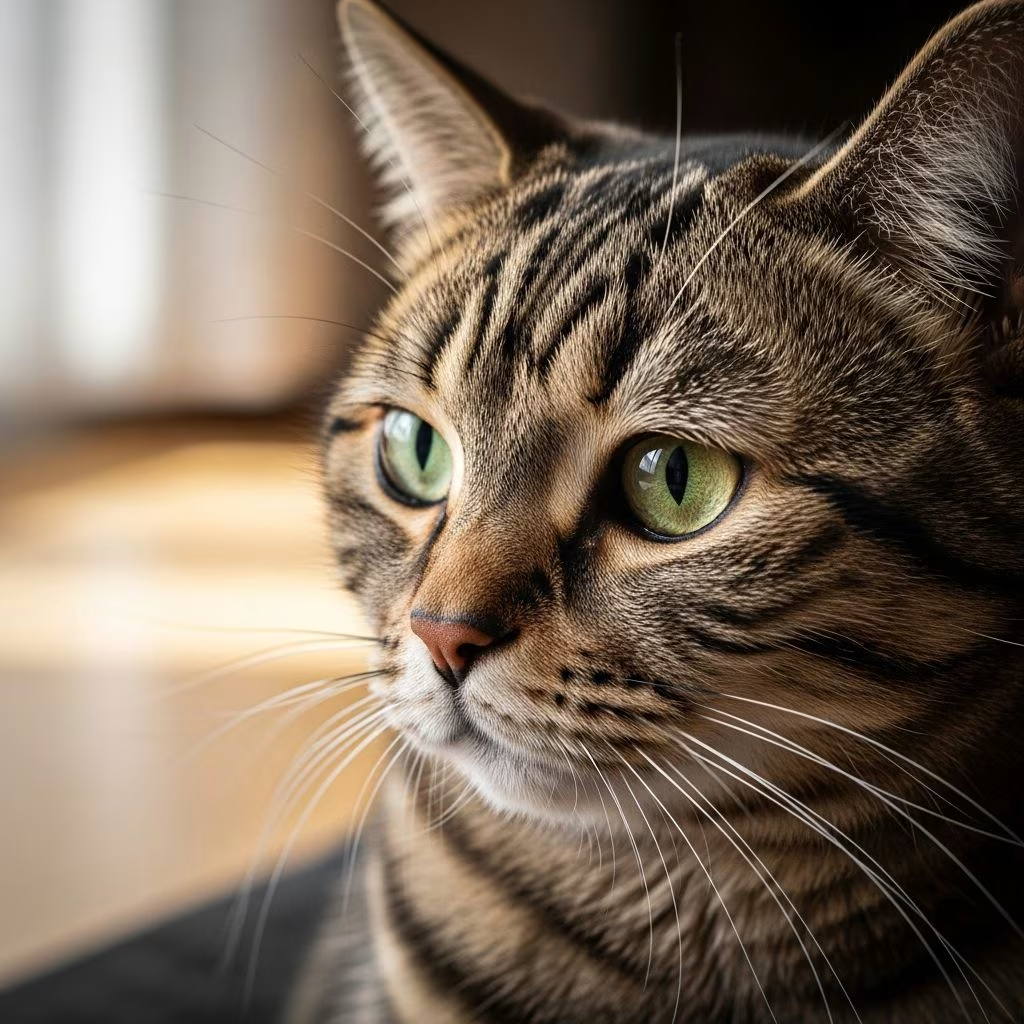
Cats, much like humans, experience psychological challenges that can significantly impact their overall well-being and quality of life. While cats cannot verbally communicate their emotional states, they express psychological distress through behavioral changes and physical manifestations. Recognizing these signs early allows pet owners to seek appropriate veterinary intervention and support. Understanding feline mental health is essential for anyone sharing their home with a cat, as untreated psychological conditions can escalate and create long-term complications.
The Complexity of Identifying Psychological Issues in Cats
Diagnosing mental health problems in cats presents unique challenges compared to other pets. Cats are naturally independent creatures with subtle communication styles, making it difficult for owners to detect when something is psychologically amiss. Additionally, symptoms of mental health disorders often overlap with physical ailments, creating diagnostic confusion. For instance, reduced activity levels and appetite loss can indicate depression, aging, or underlying medical conditions simultaneously. This overlap requires veterinary professionals to conduct thorough evaluations before determining whether a cat’s behavioral changes stem from psychological or physiological causes.
The distinction becomes even more complicated because cats have evolved as solitary hunters with instincts to hide weakness. When experiencing distress, many cats withdraw rather than display obvious signs, allowing their conditions to worsen before owners notice anything is wrong.
Common Behavioral Indicators of Psychological Distress
Several behavioral patterns serve as red flags indicating potential mental health concerns in cats. Understanding these indicators helps owners distinguish between normal feline behavior and signs requiring veterinary attention.
Appetite and Eating Pattern Changes
Stress and anxiety profoundly affect a cat’s eating habits. A cat experiencing psychological distress may suddenly lose interest in food or conversely begin overeating as a coping mechanism. Additionally, cats under stress often reduce their water intake, compounding nutritional and hydration concerns. These dietary shifts can occur rapidly in response to environmental changes such as household renovations, introduction of new pets, or alterations in daily routines. Monitoring your cat’s eating patterns provides valuable insight into their emotional state and overall mental well-being.
Social Withdrawal and Isolation Behaviors
Changes in social interaction patterns represent significant indicators of mental health issues. Cats naturally display consistent social preferences, making deviations from their baseline behavior particularly telling. A cat that typically enjoys human companionship may begin hiding in secluded areas, avoiding previously enjoyed interactions, or showing reluctance to engage in activities they once loved. This withdrawal often signals depression or anxiety. Conversely, some cats respond to psychological distress by becoming unusually clingy or demanding excessive attention, representing another manifestation of emotional imbalance.
Activity Level and Sleep Disruptions
Mental health problems frequently alter a cat’s energy levels and sleep patterns. Depressed cats often exhibit excessive sleeping and general lethargy, losing enthusiasm for play and exploration. Some cats may become restless and anxious, experiencing insomnia or frequent waking disruptions. These sleep disturbances can stem from anxiety about environmental changes or stress related to household dynamics. Tracking your cat’s activity and rest patterns helps identify when psychological factors may be influencing their behavior.
Vocalization Changes
Cats communicate through various vocalizations, each carrying specific meanings. Anxious or stressed cats often increase their meowing frequency and intensity, sometimes adopting unusual tones distinctly different from their normal communication style. Some cats engage in excessive yowling or crying as a response to distress. Interestingly, previously vocal cats that suddenly become unusually quiet may also be experiencing mental health issues such as depression or emotional suppression. These vocal shifts reflect underlying emotional turmoil and warrant investigation.
Grooming Behaviors and Physical Appearance
Cats typically maintain meticulous grooming habits, making changes in this area particularly significant. Stressed or anxious cats may engage in excessive grooming and licking, sometimes to the point of creating bald patches or skin irritation on their belly or legs. This compulsive behavior represents an anxiety response or self-soothing mechanism. Conversely, depressed cats may neglect their grooming entirely, appearing disheveled or unkempt. Both extremes indicate underlying psychological distress requiring attention.
Aggression and Irritability
Unexplained aggression or irritability represents a concerning behavioral shift. Cats may swat, hiss, bite, or growl more frequently when experiencing psychological distress. When these behaviors emerge without obvious triggers or are directed toward people or pets the cat normally tolerates well, they often signal that the cat feels overwhelmed or anxious. This reactive aggression differs from predatory play or normal territorial behavior and should prompt investigation into environmental stressors.
Litter Box and Elimination Issues
Inappropriate elimination—urinating or defecating outside the litter box—represents a clear sign that something is psychologically or physically amiss. Stress-related elimination problems frequently occur when cats experience anxiety or environmental disruption. This behavior communicates that the cat’s emotional or physical state has been compromised, requiring veterinary evaluation to rule out urinary tract infections, kidney disease, or other medical conditions before attributing the problem purely to psychological causes.
Primary Mental Health Conditions in Felines
Anxiety Disorders
Anxiety represents one of the most prevalent mental health issues affecting cats. This condition manifests through excessive worry and hypervigilance, causing cats to remain in constant states of alertness. Separation anxiety develops when cats become intensely attached to their owners and experience distress during prolonged absences. Cats with separation anxiety may engage in destructive behaviors, excessive vocalization, or inappropriate elimination when left alone. Generalized anxiety, conversely, causes cats to worry excessively about various aspects of their environment, leading to restlessness, pacing, and compulsive behaviors.
Obsessive-Compulsive Disorder (OCD)
OCD in cats involves repetitive, compulsive behaviors that the cat performs excessively. Excessive grooming represents the most common manifestation, with affected cats licking and grooming themselves to the point of hair loss or skin damage. Other compulsive behaviors include tail chasing, repetitive pacing, or obsessive object manipulation. These behaviors often intensify under stress and can become self-perpetuating cycles that damage the cat’s physical health and emotional well-being.
Depression
Feline depression involves persistent mood disturbance characterized by loss of interest in previously enjoyed activities, reduced appetite, social withdrawal, and general lethargy. Environmental factors such as the death of a companion animal, loss of a family member, or significant changes in living circumstances can trigger depressive episodes. Unlike human depression, feline depression challenges owners because the condition’s symptoms overlap significantly with aging or medical illness, complicating diagnosis.
Environmental and Situational Triggers
Understanding the factors that precipitate mental health issues helps owners prevent or minimize psychological distress in their cats.
- Household Transitions: Moving to new homes, rearranging furniture, or redecorating familiar spaces creates environmental stress for cats.
- Social Changes: Introduction of new pets, new family members, or changes in household composition disrupts a cat’s established social environment.
- Routine Disruptions: Cats thrive on predictability; alterations to feeding schedules, play times, or sleep environments generate anxiety.
- Insufficient Stimulation: Cats require both physical and mental engagement; boredom from lack of enrichment can lead to stress, aggression, and depression.
- Physical Pain or Illness: Underlying medical conditions, including arthritis, dental problems, or chronic pain, often manifest as behavioral changes mistaken for primary mental health issues.
- Separation and Loneliness: Extended periods of isolation from owners or bonded animal companions trigger anxiety and depression in attached cats.
Physical Indicators Associated with Mental Distress
Beyond behavioral changes, cats experiencing mental health issues often display physical signs reflecting their psychological state:
| Physical Indicator | Associated Condition | Description |
|---|---|---|
| Dilated Pupils | Anxiety, Stress | Wide pupils indicate heightened alertness and fear response |
| Flattened Ears | Stress, Fear | Ears positioned flat or backward signal discomfort and withdrawal |
| Gastrointestinal Issues | Anxiety | Vomiting, diarrhea, or constipation result from stress-induced GI dysfunction |
| Muscle Tension | Stress, Fear | Rigid posture and muscle tightness reflect emotional tension |
| Weight Changes | Depression, Anxiety | Significant weight loss or gain indicates disrupted eating patterns |
Age-Related Cognitive Changes
Senior cats, particularly those over 15 years old, experience cognitive dysfunction, sometimes referred to as feline cognitive dysfunction (FCD) or senility. This condition involves age-related changes in brain function that can mimic mental health disorders. Affected cats may exhibit confusion, disorientation, litter box problems, aimless wandering, or difficulty recognizing familiar family members and pets. Cats may become stuck in corners or appear lost in familiar surroundings. While FCD represents a natural consequence of aging rather than a primary mental health condition, it significantly impacts quality of life and requires specialized management and veterinary support.
Diagnostic Approach and Veterinary Evaluation
Proper diagnosis of feline mental health issues requires comprehensive veterinary assessment. Veterinarians typically begin by conducting routine blood tests, urinalysis, and physical examinations to rule out underlying medical conditions. Advanced imaging such as MRI or CT scans may be warranted in certain cases to exclude physical abnormalities. Thyroid function tests, lead toxicity screening, and evaluations for vitamin deficiencies, liver dysfunction, and kidney disease are often performed. Only after medical causes have been excluded can veterinarians confidently diagnose primary mental health conditions.
Behavioral evaluation represents another critical component of diagnosis. Veterinarians assess the cat’s behavioral history, environmental factors, social interactions, and specific symptoms to develop accurate diagnoses and appropriate treatment plans.
Treatment and Management Strategies
Mental health treatment in cats involves multimodal approaches addressing both symptoms and underlying causes. Pharmacological interventions may include medications such as amitriptyline or fluoxetine for anxiety and depression, with veterinarians selecting appropriate options based on the cat’s specific condition and overall health status.
Environmental modifications and behavioral strategies significantly complement medical treatment. Establishing consistent feeding and play schedules provides predictability and security. Creating enriched environments with appropriate climbing structures, interactive toys, and hiding spaces addresses stimulation needs and reduces stress. Pheromone diffusers or sprays can help calm anxious cats by mimicking natural calming compounds.
For cats experiencing separation anxiety, gradual desensitization to owner absence and creation of comfortable retreat spaces during alone time helps reduce distress. Behavior modification techniques tailored to individual cats often prove effective in managing stress-related issues.
Frequently Asked Questions About Feline Mental Health
Can cats truly suffer from mental illness?
Yes, cats can develop genuine mental health disorders including anxiety, depression, and obsessive-compulsive disorder. These conditions affect their brain chemistry and behavior similarly to how they manifest in humans.
How can I distinguish between normal cat behavior and signs of mental illness?
Monitor baseline behaviors and note significant deviations. Sudden changes in appetite, social patterns, vocalization, grooming, or activity levels warrant veterinary evaluation.
Is medication always necessary for treating feline mental health issues?
Not necessarily. Many cases respond well to environmental modification and behavioral management alone. However, medication often facilitates recovery when combined with these approaches.
Can untreated mental health issues in cats cause physical problems?
Yes. Chronic stress and anxiety can lead to gastrointestinal issues, immune dysfunction, and other physical health complications.
What role does diet play in feline mental health?
Proper nutrition supports brain function and emotional regulation. Consult your veterinarian about dietary approaches that may support mental health alongside other treatments.
Conclusion: Supporting Your Cat’s Mental Well-Being
Feline mental health significantly impacts quality of life and longevity. By recognizing behavioral and physical signs of psychological distress, pet owners can seek timely intervention that prevents escalation and improves outcomes. Creating stable, enriched environments while maintaining consistent routines provides foundational support for emotional well-being. When concerning changes occur, prompt veterinary consultation ensures accurate diagnosis and appropriate treatment planning. With proper recognition, diagnosis, and management, cats experiencing mental health challenges can recover and thrive.
References
- Mental Health in Cats, Part 1: Cat Behavior and Its Connection to Mental Health — BSM Partners. 2024. https://www.bsmpartners.net/insights/mental-health-in-cats-part-1-cat-behavior-and-its-connection-to-mental-health/
- Can Cats Suffer from Mental Disorders? — PetCareRx. 2024. https://www.petcarerx.com/article/can-cats-suffer-from-mental-disorders/3562
- Anxiety Disorders in Cats — PetMD. 2024. https://www.petmd.com/cat/conditions/behavioral/anxiety-disorders-cats
- Is Your Cat Sad? Signs and Causes of Cat Depression — Palmyra Animal Clinic. 2023. https://www.palmyraac.com/site/blog/2023/07/15/depression-cat
- 7 Signs Your Cat Is Stressed and Tips to Help Them — CareCredit. 2024. https://www.carecredit.com/well-u/pet-care/signs-cat-stress/
- OCD, FHS, and Mental Illness in Cats — PetPlace. 2024. https://www.petplace.com/article/cats/pet-behavior-training/crazy-cats-can-cats-be-mentally-ill
- Spotting Signs of Cat Stress — Cats Protection. 2024. https://www.cats.org.uk/help-and-advice/health/cat-stress



