

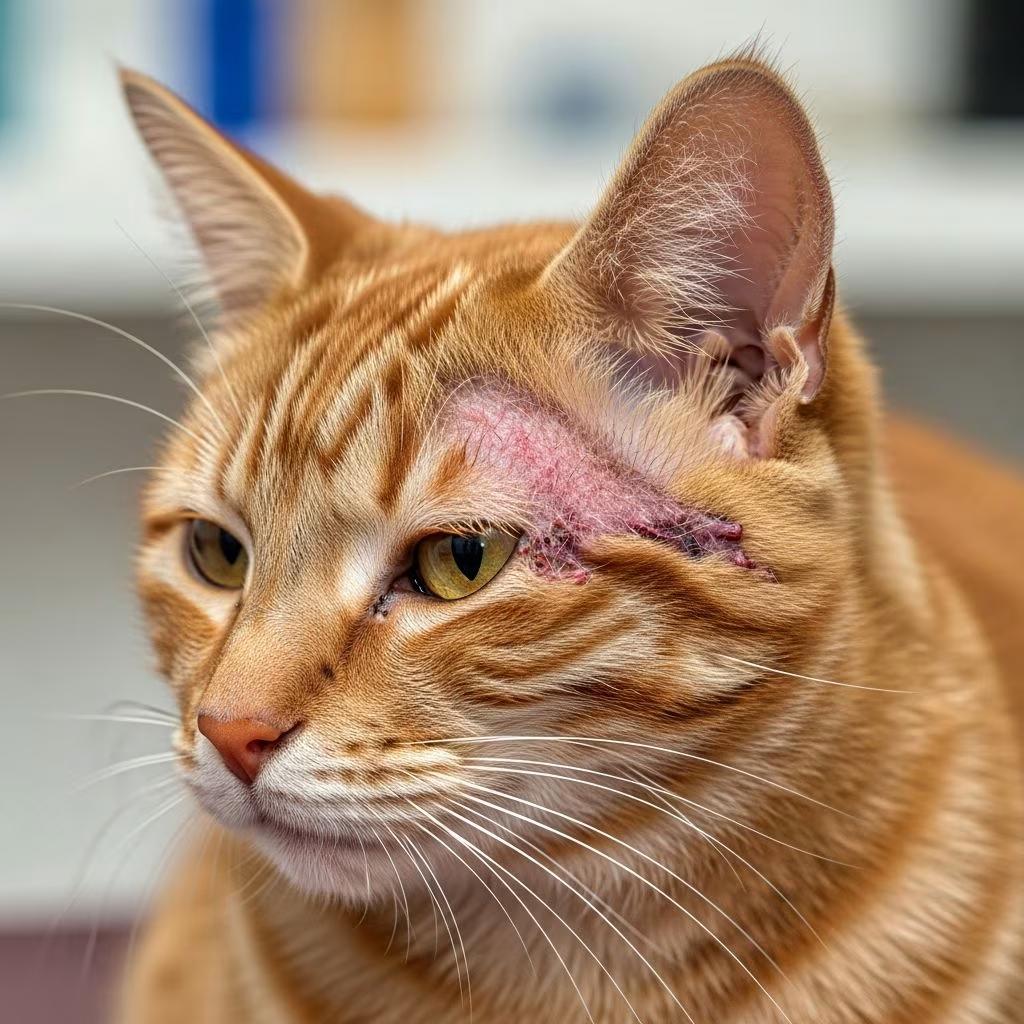
Mange represents one of the most uncomfortable skin conditions that can affect domestic cats. This parasitic disease stems from microscopic mites that infiltrate the skin, triggering intense discomfort and visible changes in your cat’s appearance and behavior. While the condition can be distressing for both cats and their owners, understanding its nature, recognizing early warning signs, and knowing about available treatment options can significantly improve outcomes and restore your feline companion’s quality of life.
What Causes Mange in Cats
Mange develops when microscopic mites invade the skin layers of cats, establishing themselves within hair follicles and skin tissue. The primary culprit in feline scabies is a mite species called notoedres cati, which burrows into the skin and triggers an inflammatory response. These parasitic organisms are so small that they remain invisible to the naked eye, yet their presence creates substantial discomfort for affected animals.
The contagious nature of mange makes it a significant concern for multi-pet households. Cats can contract the disease through direct contact with infected animals or by spending time in environments where mites are present. This transmissibility extends beyond felines—humans can occasionally pick up the infection from their pets, though the condition typically resolves independently without medical intervention in most cases.
Recognizing the Symptoms of Feline Mange
The hallmark characteristic of mange in cats is severe itching and scratching, particularly in specific areas of the body. Affected cats often exhibit intense self-grooming behaviors that may appear excessive or obsessive. Key indicators of mange include:
- Relentless scratching, especially around the ears, elbows, hocks, and face
- Persistent licking or biting at affected skin areas
- Patchy hair loss, frequently beginning near the ears and spreading outward
- Development of skin rashes and small red bumps on exposed or lightly furred areas
- Thickening, crusting, or scabbing of affected skin
- General restlessness and difficulty settling or sleeping
- Visible inflammation and redness of the skin
The mites demonstrate a preference for hairless or sparsely furred regions, which is why symptoms typically emerge on the face, ears, paws, and tail first. As the infestation progresses, affected areas expand and secondary complications develop. Excessive scratching and skin trauma can lead to bacterial infections, creating additional layers of discomfort for the affected cat.
In severe cases, cats may exhibit signs of systemic illness, including depression, reduced appetite, and weight loss. Some cats may develop aural hematomas—swollen areas within the ears—from aggressive head shaking and scratching. These secondary issues can complicate the clinical picture, making prompt veterinary attention essential.
The Diagnostic Process
Determining whether a cat has mange requires professional veterinary evaluation rather than home diagnosis. The process typically begins with a thorough physical examination and discussion of symptoms. Veterinarians often perform skin scrapings from affected areas, collecting skin cells and debris for microscopic examination.
During the microscopic evaluation, veterinarians search for evidence of mites, their eggs, or their fecal matter. However, diagnosing mange through skin scrapings can prove challenging, as mites may not always be readily visible even when present. In fact, many cats with clinical signs of mange test negative on skin scrapings, yet veterinarians proceed with treatment based on the symptom profile and clinical suspicion.
When mites are not detected through scrapings but mange remains a likely diagnosis, veterinarians frequently recommend a therapeutic trial using medications known to effectively eliminate mites. This approach ensures that affected cats receive treatment despite the diagnostic difficulties, preventing prolonged suffering and allowing for clinical assessment of treatment response.
Treatment Options and Approaches
Modern veterinary medicine offers multiple effective treatments for feline mange. The selection of the most appropriate option depends on your cat’s age, overall health status, and the specific type of mange present.
Topical Medications
Topical treatments represent some of the most effective and safest options for managing mange in cats. Selamectin, commonly known by the brand name Revolution, stands out as a particularly popular choice. This medication is applied directly to the skin and effectively kills mites while being well-tolerated by most cats.
Other topical options include moxidectin formulations and specialized lime-sulfur dips. Lime-sulfur dips have a lengthy history of use in veterinary medicine and remain highly effective, though some owners find the associated odor and potential staining of light-colored coats to be drawbacks.
Injectable and Oral Medications
Ivermectin represents another cornerstone treatment for feline mange. This medication can be administered as weekly injections for up to six weeks, with most cats showing rapid improvement in scratching behavior after the first dose. The drug works systemically throughout the body, effectively targeting mites regardless of their location on the skin.
Fluralaner, marketed as Bravecto, provides an oral option that some cat owners prefer for ease of administration. These systemic medications penetrate the bloodstream and deliver mite-killing compounds throughout the body.
Supporting Treatments
Cats suffering from mange frequently benefit from additional supportive care alongside mite-specific treatments. Antibiotics become necessary when secondary bacterial infections develop from trauma caused by excessive scratching. These medications address the skin infections and prevent them from worsening.
Anti-inflammatory medications and corticosteroids help reduce itching and inflammation during the healing process. In some cases, cats experience increased itching during the initial days of treatment as mites die off, and low-dose corticosteroids can ease this temporary discomfort.
Medicated shampoos and baths may be recommended, particularly when used in conjunction with dip treatments. These preparations help cleanse the skin, remove debris, and support the healing process.
Treatment Protocols and Household Management
Successful mange treatment typically requires a comprehensive, multi-step approach. All pets within the household should receive treatment, regardless of whether they display symptoms, as they may harbor mites asymptomatically. This household-wide approach prevents reinfestation and eliminates the reservoir of infection.
The treatment timeline typically spans four to eight weeks, with follow-up skin scrapings scheduled to confirm that mites have been eliminated and skin lesions have fully resolved. Adhering to the prescribed medication schedule and attending all follow-up appointments significantly improves treatment outcomes.
Isolating the affected cat indoors during treatment prevents transmission to other animals and outdoor populations. Once treatment concludes successfully, reinfection remains possible if the cat returns to environments or contact with animals that originally transmitted the mites.
Environmental treatment is generally unnecessary if all household pets receive appropriate medication. However, maintaining good hygiene practices—including regular cleaning of bedding and living spaces—supports the overall healing process.
Important Considerations Before Treatment
Before administering any mange treatment, veterinarians must evaluate your cat’s specific health circumstances. Pregnant cats and those with existing health conditions require special consideration, as certain medications may not be appropriate. Always consult with your veterinarian before starting any treatment regimen, as dosages for mite infestations may differ from standard label recommendations.
Some medications carry specific contraindications. For example, ivermectin should be used cautiously in certain dog breeds with specific genetic sensitivities, though this applies less frequently in cats. Your veterinarian will evaluate your individual cat’s situation to recommend the safest, most effective option.
Prognosis and Expected Outcomes
When owners implement a comprehensive treatment approach—administering medications correctly, attending follow-up examinations, and treating all household pets—the prognosis for mange is excellent. Most cats show noticeable improvement within two weeks of beginning treatment, with complete resolution typically occurring within six to eight weeks.
The success of treatment depends heavily on owner compliance and adherence to the prescribed protocol. Cats that receive consistent, appropriate medication according to the veterinarian’s timeline respond most favorably.
Preventing Future Mange Infections
While mange treatment is highly effective, prevention remains preferable. Minimize your cat’s exposure to potentially infected animals and environments. Regular veterinary check-ups allow early detection of skin conditions before they progress significantly. Many modern flea and tick preventive products offer incidental protection against mites, providing an additional protective benefit.
When to Seek Veterinary Care
If your cat exhibits any signs of mange—including excessive scratching, patchy hair loss, skin rashes, or crusting—schedule a veterinary appointment promptly. Early intervention prevents secondary infections and reduces overall suffering. Do not attempt to treat mange at home without veterinary guidance, as proper diagnosis and treatment selection require professional expertise.
Frequently Asked Questions
- Can humans catch mange from cats?
- Humans can occasionally contract mange from heavily infested cats, though the infection typically manifests as temporary itching and resolves independently without treatment in most cases. Consulting your physician if you develop skin symptoms is advisable.
- Is mange contagious to other pets?
- Yes, mange is highly contagious to other animals through direct contact. All household pets should receive treatment simultaneously to prevent transmission.
- How long does mange treatment take?
- Treatment typically continues for four to eight weeks, with most cats showing significant improvement within the first two weeks after starting medication.
- Can indoor cats get mange?
- While less common in strictly indoor cats, mange can affect them if an infested animal enters the home or if outdoor items bring mites inside.
- What happens if mange goes untreated?
- Untreated mange leads to progressive skin damage, secondary infections, systemic illness signs including appetite loss and weight loss, and significant suffering for the affected cat.
References
- Sarcoptic Mange (Scabies) in Cats: Symptoms to Treatment — Lovejoy & Associates Veterinary Hospital. https://lbah.com/feline/sarcoptic-mange/
- Sarcoptic Mange in Cats — Small Door Veterinary. https://www.smalldoorvet.com/learning-center/medical/sarcoptic-mange-cats
- Sarcoptic Mange (Scabies) — Cornell University College of Veterinary Medicine Riney Canine Health Center. https://www.vet.cornell.edu/departments-centers-and-institutes/riney-canine-health-center/canine-health-topics/sarcoptic-mange-scabies
- What to Do if Your Cat Has Mange — Vetster. https://vetster.com/en/wellness/what-to-do-if-your-cat-has-mange
- Mange in Dogs and Cats – Integumentary System — MSD Veterinary Manual. https://www.msdvetmanual.com/integumentary-system/mange/mange-in-dogs-and-cats
- Mange in Cats — PetMD. https://www.petmd.com/cat/conditions/infectious-parasitic/mange-cats
- Cat Mange and Scabies: Symptoms, Causes, and Treatments — WebMD Pets. https://www.webmd.com/pets/cats/cat-mange-scabies



