

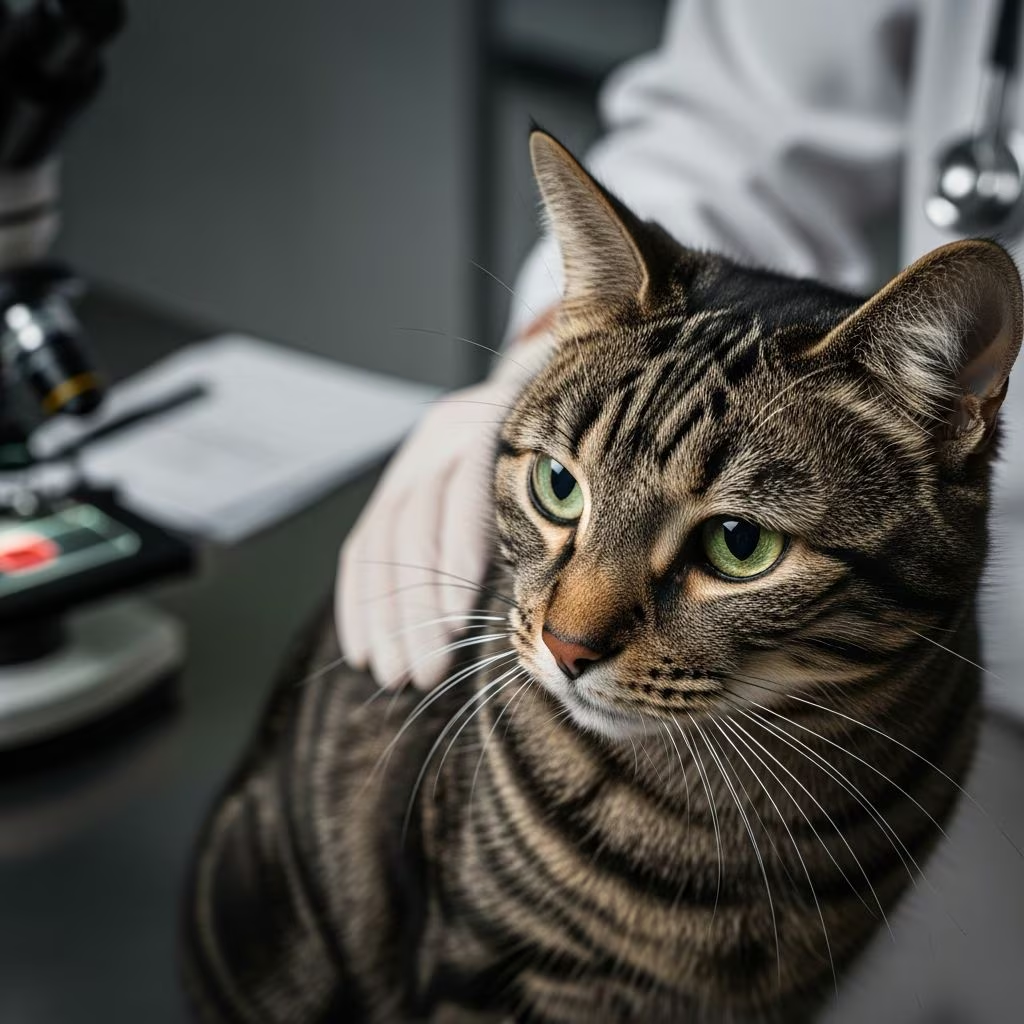
Lymphoma represents one of the most prevalent cancers affecting cats, originating in the lymphocytes, which are crucial white blood cells within the immune system. This malignancy can manifest in various anatomical locations, influencing symptoms and treatment approaches significantly.
Understanding the Nature of Lymphoma in Cats
Lymphoma arises from uncontrolled proliferation of lymphocytes, cells that travel via blood and lymphatic channels throughout the body. In felines, it accounts for roughly 30% of all diagnosed cancers, underscoring its commonality among older cats, particularly those over nine years.
Historically linked to viral infections, the incidence has declined due to widespread vaccination efforts, yet it remains a significant health concern. Cats positive for Feline Leukemia Virus (FeLV) or Feline Immunodeficiency Virus (FIV) face heightened risks, as these viruses impair immune function, fostering cancerous growths.
Primary Forms and Their Characteristics
Feline lymphoma presents in distinct forms based on location and cell type, each with unique clinical implications.
- Intestinal Lymphoma: The predominant variant, often affecting the gastrointestinal tract in senior cats. It may appear as diffuse infiltration or discrete masses, leading to digestive disruptions.
- Mediastinal Lymphoma: Targets chest lymphoid structures like the thymus and lymph nodes, commonly in younger cats around five years old, with strong FeLV ties, though non-FeLV cases are rising.
- Renal Lymphoma: Involves the kidneys, potentially causing renal failure through toxin accumulation.
- Multicentric Lymphoma: Engages multiple lymph nodes and organs, frequently FeLV-associated, carrying a guarded outlook in virus-positive cats.
- Extranodal Forms: Occur outside lymph nodes, such as nasal cavity or central nervous system, presenting site-specific challenges.
Additionally, lymphomas classify by cell morphology: high-grade (large cell) grows aggressively, while low-grade (small cell) progresses indolently, especially in the intestines.
Recognizing Warning Signs
Symptoms vary by lymphoma location but often include nonspecific indicators like progressive weight loss, reduced appetite, and lethargy. Gastrointestinal involvement frequently causes vomiting, diarrhea, or palpable abdominal masses that might obstruct the intestines.
Mediastinal cases lead to respiratory distress from chest masses or pleural effusion, impairing breathing. Renal forms mimic kidney failure with increased thirst, vomiting, and toxin buildup. Neurological symptoms such as seizures, ataxia, or behavioral shifts signal central nervous system involvement.
| Lymphoma Type | Common Symptoms |
|---|---|
| Intestinal | Vomiting, diarrhea, weight loss, abdominal swelling |
| Mediastinal | Breathing difficulties, fluid accumulation in chest |
| Renal | Increased thirst, vomiting, appetite loss |
| Multicentric | Enlarged lymph nodes, generalized lethargy |
Early vigilance is critical, as vague signs can delay diagnosis, worsening outcomes.
Risk Contributors and Prevention Strategies
While the precise etiology remains multifactorial, involving genetics and environment, FeLV and FIV are principal culprits. Vaccination against FeLV has markedly reduced associated lymphomas, emphasizing routine wellness protocols.
Breeds like Siamese and Orientals may show predisposition in certain studies. Secondhand smoke exposure elevates risk, prompting recommendations for smoke-free homes. Limiting contact with infected cats further mitigates viral transmission.
Diagnostic Pathways
Confirming lymphoma involves a multimodal approach. Physical exams detect lymphadenopathy or abdominal abnormalities. Blood work, including complete blood count, chemistry panels, and FeLV/FIV tests, provides baseline data.
Imaging such as thoracic radiographs assesses chest involvement, while abdominal ultrasound evaluates organs like liver, spleen, and intestines. Fine-needle aspirates or biopsies offer cytological or histopathological confirmation, distinguishing lymphoma subtypes.
Staging spans I to V: Stage I confines to one node; Stage V indicates bone marrow infiltration. Substages denote systemic illness presence.
Treatment Modalities
Therapy tailors to subtype, location, and stage. Chemotherapy dominates, with protocols varying by grade.
High-Grade Lymphoma Management
Multi-agent regimens like CHOP (cyclophosphamide, doxorubicin, vincristine, prednisone) or inclusions of L-asparaginase target aggressive large-cell forms. Administered over weeks with blood monitoring, 50-75% achieve remission, averaging 6-9 months survival; complete responders may exceed two years.
Surgery aids localized masses, such as intestinal obstructions, often combined with chemotherapy. Radiation suits nasal or accessible sites.
Low-Grade Lymphoma Approaches
Indolent small-cell GI lymphoma responds well to oral chlorambucil plus prednisolone, with 85-90% remission rates and 1.5-4 year medians. Home administration suits most, with regular veterinary oversight.
CCNU offers an alternative for large-cell cases, yielding about 8 months in responders.
Palliative prednisone alone provides symptom relief when intensive therapy isn’t feasible.
Navigating Treatment Side Effects
Feline chemotherapy is generally well-tolerated compared to humans, with rare severe reactions. Potential issues include nausea, vomiting, diarrhea, appetite suppression, and whisker loss. Blood count suppression necessitates monitoring.
Supportive care like anti-nausea drugs, hydration, and nutrition enhances tolerance. Most cats maintain quality of life during treatment.
Prognostic Insights
Outlook hinges on FeLV status, subtype, stage, and response. FeLV-negative cats fare better. Low-grade GI offers longest survivals (2-4 years); high-grade multicentric shorter (4-9 months).
- Low-grade GI: 85-90% response, 1.5-2+ years
- High-grade: 50-80% remission, 6-9 months average
Enhancing Quality of Life
Beyond treatment, nutritional support combats cachexia. Palatable, high-calorie diets or feeding tubes sustain weight. Pain management and environmental comforts preserve comfort.
Regular monitoring detects relapses early, allowing protocol adjustments.
Frequently Asked Questions
Is lymphoma curable in cats?
Remission is common, but cure is rare; low-grade forms offer prolonged control.
How much does treatment cost?
Varies widely; chemotherapy protocols range from thousands, influenced by duration and diagnostics.
Can vaccinated cats still get lymphoma?
Yes, though FeLV vaccination reduces risk significantly.
What are signs of relapse?
Recurrent symptoms like weight loss or organ-specific issues warrant prompt re-evaluation.
Should I euthanize my cat with lymphoma?
Decisions balance quality of life; many thrive post-treatment.
Conclusion
Armed with knowledge, cat owners can partner effectively with veterinarians for optimal lymphoma management, prioritizing early detection and tailored therapies to extend cherished time.
References
- Feline Lymphoma — Premier Veterinary Group. 2023. https://www.premiervets.net/blog/feline-lymphoma
- Lymphoma in Cats: Symptoms & Treatment — Shoreland Animal Hospital. 2022-12-30. https://www.shorelandanimalhospital.com/site/blog/2022/12/30/lymphoma-cats
- Lymphoma in Cats: Types, Symptoms & Treatment Options — AuraVet. N/A. https://www.auravet.com/conditions/feline-lymphomas-faq/
- Learn About Lymphoma In Cats — PetCure Oncology. N/A. https://petcureoncology.com/lymphoma-in-cats/
- Lymphoma — Cornell University College of Veterinary Medicine. N/A. https://www.vet.cornell.edu/departments/cornell-feline-health-center/health-information/feline-health-topics/lymphoma
- Medical Oncology: Feline Lymphoma — NC State Veterinary Hospital. N/A. https://hospital.cvm.ncsu.edu/services/small-animals/cancer-oncology/oncology/feline-lymphoma/



