

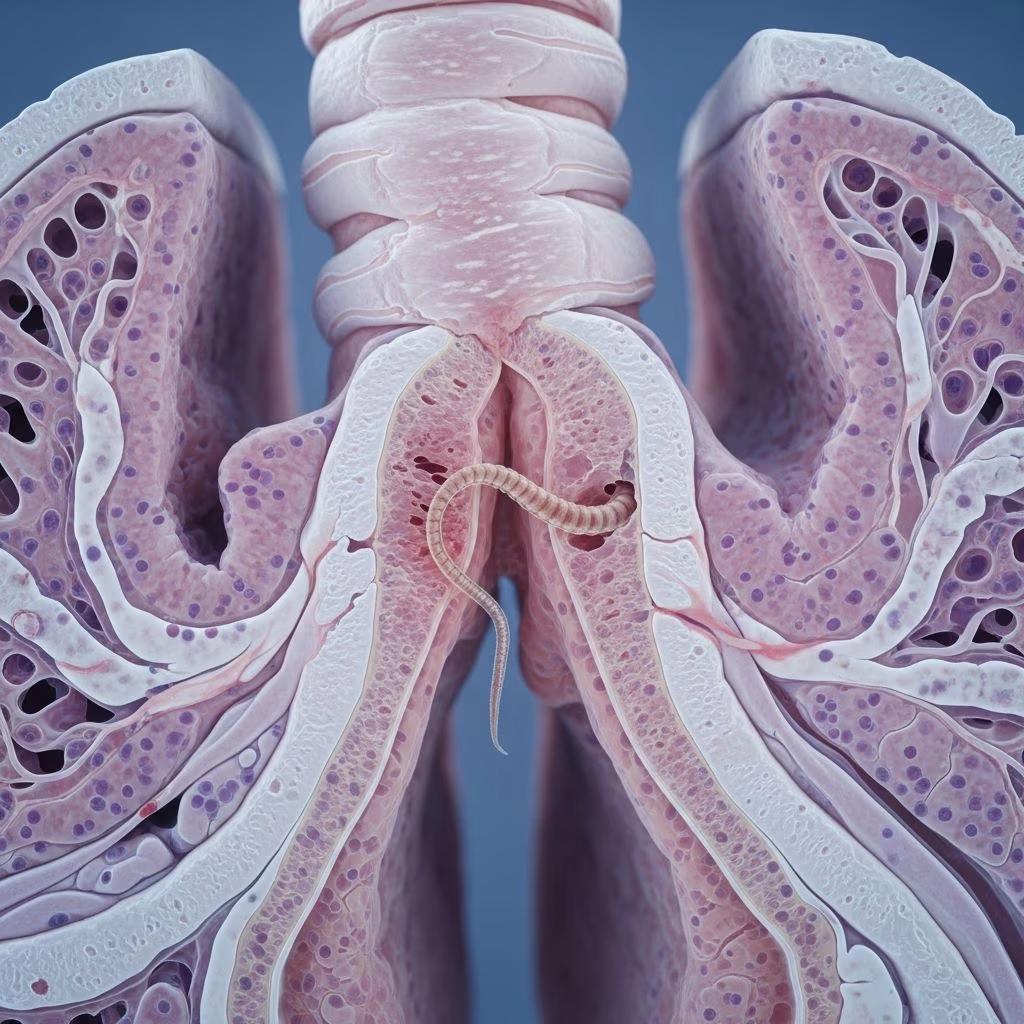
Parasitic infections affecting the respiratory system represent a significant health concern for feline companions, with lungworm infections standing as one of the more commonly encountered conditions in veterinary practice. These microscopic organisms inhabit the lungs and airways of cats, triggering a cascade of physiological responses that can range from subtle to severe. Understanding the nature of these infections, recognizing clinical indicators, and knowing available treatment pathways empowers cat owners to seek timely veterinary intervention and support their pets through recovery.
Understanding Parasitic Respiratory Infections
Lungworm infections in felines result from exposure to specific parasitic nematodes that establish themselves within the pulmonary system. The severity and progression of infection depend on multiple interconnected factors, including the quantity of parasites present, the cat’s immune system competency, the particular species of worm involved, and the individual animal’s overall health status. Kittens and immunocompromised adult cats face heightened vulnerability due to underdeveloped or compromised immune responses. The infection process initiates when cats encounter larvae through intermediate hosts or contaminated environments, leading to the parasites’ migration and establishment within lung tissue.
Recognizing Respiratory and Systemic Manifestations
Cats infected with lungworms present with a spectrum of clinical presentations, from completely asymptomatic infections discovered incidentally during routine examinations to severe respiratory compromise requiring emergency intervention. The manifestation of symptoms correlates directly with parasite burden and the inflammatory response triggered by their presence.
Primary Respiratory Indicators
- Persistent coughing that may be mistaken for retching or vomiting attempts
- Respiratory distress ranging from mild increased breathing rate to severe labored breathing
- Wheezing and abnormal breath sounds audible during veterinary examination
- Sneezing and nasal discharge, often mucopurulent in character
- Open-mouth breathing or panting indicative of compromised airway function
Systemic and Behavioral Changes
- Reduced appetite or complete anorexia affecting nutritional intake
- Progressive weight loss resulting from prolonged infection
- Lethargy and decreased activity levels reflecting overall systemic impact
- Fever as the body mounts an immune response
- Enlarged lymph nodes visible during physical examination
- Eye or nasal discharge in some infection presentations
Notably, many infected cats demonstrate no visible clinical symptoms despite harboring parasitic infections, with discovery occurring only when veterinarians conduct diagnostic testing for unrelated concerns.
Diagnostic Approaches and Confirmation
Veterinary diagnosis relies on multiple complementary techniques to confirm the presence of lungworm infections and assess their severity. Physical examination often reveals abnormal lung sounds including increased vesicular breath sounds, wheezing, and end-inspiratory crackles upon auscultation with a stethoscope. Thoracic imaging provides crucial information about pulmonary changes, revealing patterns consistent with bronchitis or pneumonia, including interstitial opacities and alveolar consolidation.
Laboratory analysis of fecal samples represents the primary diagnostic tool, as infected cats shed parasite larvae in their feces. Trained laboratory personnel examine samples microscopically to identify and quantify larval presence. However, sample collection timing matters significantly, as larvae shedding may fluctuate, potentially leading to false-negative results if sampling occurs during periods of minimal shedding.
Additionally, cats may cough up visible worms, which owners might observe in expectorated material, providing direct evidence of infection.
Therapeutic Approaches and Medication Options
The treatment paradigm for feline lungworm infections focuses on dual objectives: eliminating parasites and controlling inflammation-related symptoms. Veterinarians select specific medications based on the identified lungworm species, infection severity, and individual cat health factors.
Antiparasitic Medication Arsenal
| Medication Class | Examples | Administration Route | Typical Duration |
|---|---|---|---|
| Benzimidazoles | Fenbendazole (Panacur®) | Oral | Several weeks to months |
| Macrocyclic Lactones | Ivermectin, Moxidectin | Oral/Injection | Variable dosing schedules |
| Combination Products | Moxidectin + Imidacloprid (Advantage Multi®) | Topical spot-on | Single or multiple applications |
| Topical Antihelmintics | Selamectin (Revolution®), Emodepside + Praziquantel (Profender®) | Topical spot-on | As directed by veterinarian |
Fenbendazole represents one of the most frequently prescribed oral medications, with treatment protocols typically involving doses of 55 mg/kg daily for 21 days or alternating 5-day treatment courses separated by rest periods. Ivermectin, while historically utilized, shows variable treatment outcomes, though some cats achieve complete clearance with specific dosing regimens.
Topical formulations containing moxidectin and imidacloprid have demonstrated high efficacy in clinical settings, achieving clinical recovery in the majority of treated cats within two weeks. The advantage of topical treatments includes ease of application and potentially improved compliance compared to oral medications requiring daily administration.
Recent research supports the use of eprinomectin as an effective therapeutic option with additional potential for preventing infection progression and reducing larval shedding.
Supportive and Anti-Inflammatory Therapy
Beyond parasite elimination, veterinarians frequently prescribe medications addressing inflammation and respiratory compromise. Corticosteroids reduce airway swelling, improving breathing function and comfort. Bronchodilators help facilitate easier airflow through compromised airways. In cases of mild to moderate infection, immune system supplements such as Imuquin® powder and omega-3 fatty acid supplementation provide additional support for immune function and airway health.
Cats exhibiting severe respiratory distress may require hospitalization for oxygen therapy and intensive supportive care while antiparasitic medications work to eliminate the infection.
Treatment Duration and Follow-Up Protocols
Most cats require sustained antiparasitic treatment extending from several weeks to several months depending on infection severity and medication chosen. While some lungworm infections clear following a single treatment course, the majority of cases benefit from extended therapy or multiple dosing schedules to ensure complete parasite elimination.
Adherence to veterinary-prescribed treatment schedules proves essential for successful outcomes. Pet owners must carefully follow medication directions and maintain consistency in administration timing and dosage. Follow-up visits and repeat diagnostic testing confirm treatment efficacy and determine whether additional therapeutic courses are necessary.
Recovery Prospects and Long-Term Outcomes
The prognosis for cats with lungworm infections is generally favorable, with most animals achieving complete recovery through appropriate antiparasitic treatment. Cats with mild infections often demonstrate clinical improvement within weeks of initiating therapy, with complete resolution of symptoms following successful parasite elimination.
However, treatment success depends significantly on infection severity and the extent of pulmonary damage sustained during the parasitic occupation. The number of parasites present directly correlates with tissue damage and inflammatory response severity. Kittens, weakened cats, and immunocompromised individuals face higher risks of treatment failure or incomplete recovery.
Deaths from lungworm infection remain relatively uncommon but do occur, particularly in very young kittens with severe infections or underlying immunodeficiency. Historically, a documented case involved a six-month-old kitten that developed progressive respiratory disease starting at three months of age, eventually succumbing to severe bronchopneumonia and complications including fluid accumulation in the chest cavity.
Frequently Asked Questions
Can cats be completely cured of lungworm infections?
Yes, most cats infected with lungworms achieve complete cure through prescription antiparasitic treatment prescribed by veterinarians. Some infections even resolve spontaneously without medical intervention. Cure failure remains rare, occurring primarily in very young kittens, profoundly debilitated cats, or those with severely compromised immune systems.
How long does treatment typically require?
Treatment duration varies based on medication type and infection severity, typically ranging from several weeks to several months. While some parasites are eliminated with a single treatment course, most cats receive two months of therapy to ensure complete parasitic clearance.
What distinguishes lungworm treatment from other parasitic infections?
Lungworm treatment requires targeted antiparasitic medications different from those used for intestinal parasites. Antibiotics alone cannot eliminate worms, though they become necessary if secondary bacterial infections such as pneumonia develop.[10]
Are there preventive measures for lungworm infections?
Preventive approaches are emerging through research demonstrating that certain antiparasitic agents used for prevention reduce infection likelihood when administered regularly. Topical moxidectin products show promise in preventing infection establishment, similar to preventive strategies used for related parasitic infections in other species.
Should I continue treatment if my cat seems better?
Yes, completing the full veterinary-prescribed treatment course remains essential even if clinical improvement occurs. Premature discontinuation risks incomplete parasite elimination and potential infection recurrence.
Supporting Your Cat Through Treatment
Pet owners play vital roles in facilitating successful treatment outcomes. Administering medications precisely as prescribed, maintaining treatment consistency, and attending all recommended follow-up appointments maximize the likelihood of complete parasitic elimination. For cats resistant to oral medication administration, wrapping pills in commercial pill pockets or other appealing foods can improve compliance.
Monitoring your cat during treatment allows early identification of any adverse medication reactions or treatment complications requiring veterinary attention. Providing a calm, stress-reduced environment supports overall recovery and immune function.
Conclusion
Feline lungworm infections represent manageable parasitic conditions when recognized early and treated appropriately under veterinary guidance. Understanding the diverse clinical presentations, available treatment options, and realistic recovery expectations enables cat owners to make informed decisions regarding their pets’ health. While symptoms warrant immediate veterinary consultation, the generally favorable prognosis following proper antiparasitic treatment offers reassurance to concerned pet owners. Through collaborative veterinarian-owner partnerships emphasizing treatment adherence and follow-up care, most infected cats achieve complete recovery and return to normal respiratory function and quality of life.
References
- Lungworm Infections in Cats — VCA Animal Hospitals. Accessed 2026. https://vcahospitals.com/know-your-pet/lungworm-infections-in-cats
- Lungworms in Cats: What Are They, and How Do You Treat Them? — PetMD. Accessed 2026. https://www.petmd.com/cat/conditions/infectious-parasitic/lungworms-cats
- Diagnosis and management of lungworm infections in cats — National Center for Biotechnology Information (NCBI). 2024. https://pmc.ncbi.nlm.nih.gov/articles/PMC11148874/
- Lungworms in Cats: Symptoms, Diagnosis & Treatment — Hill’s Pet Nutrition. Accessed 2026. https://www.hillspet.com/cat-care/healthcare/lungworms-in-cats
- Canine and feline lungworms — DVM360. Accessed 2026. https://www.dvm360.com/view/canine-and-feline-lungworms-proceedings
- GUIDELINE for Lungworm disease — ABCD Cats & Vets. Accessed 2026. https://www.abcdcatsvets.org/guideline-for-lungworm-disease/
- Lungworm Infection in Cats — Merck Veterinary Manual. Accessed 2026. https://www.merckvetmanual.com/cat-owners/lung-and-airway-disorders-of-cats/lungworm-infection-in-cats



