

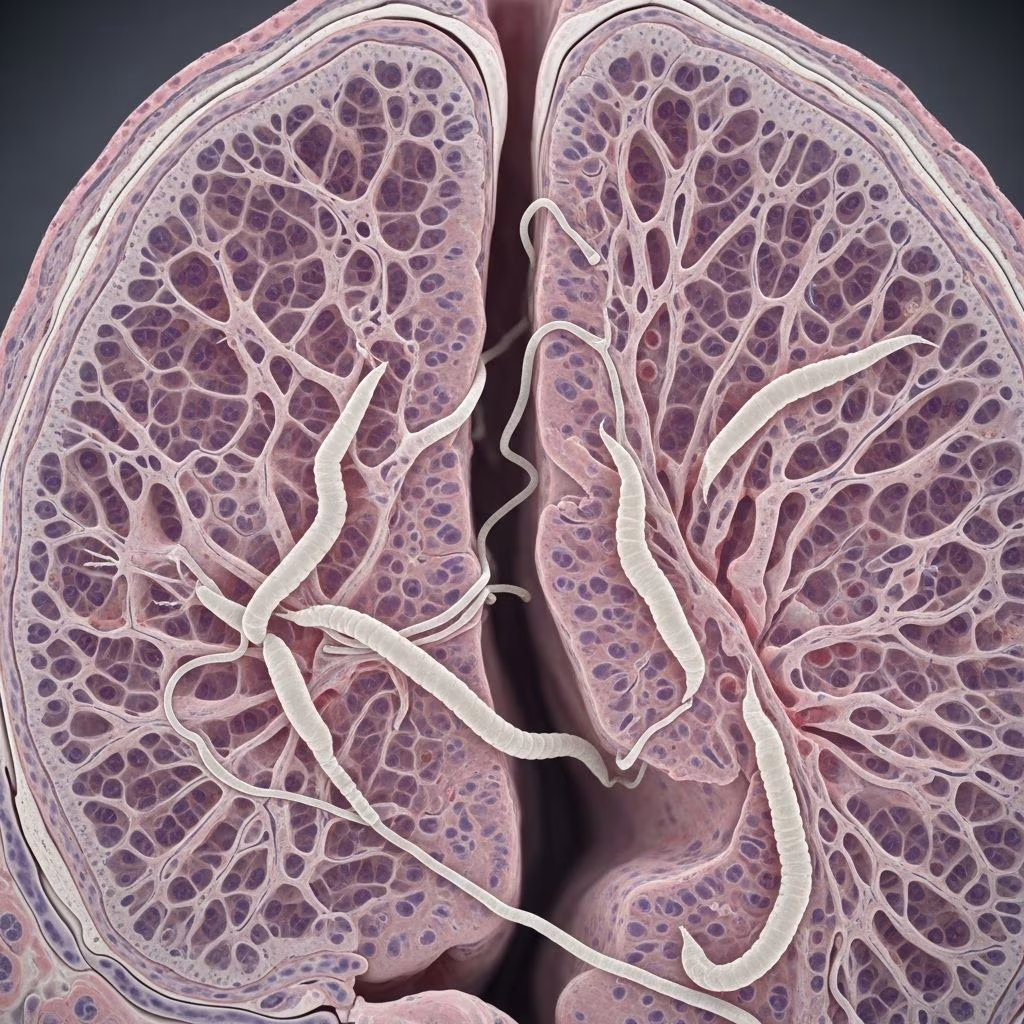
Lungworm infections represent a significant parasitic concern for cats worldwide, affecting their respiratory health and overall well-being. These infections occur when cats ingest intermediate hosts carrying lungworm larvae, leading to potential complications if left untreated. Understanding the nature of these parasites, recognizing clinical manifestations, and implementing appropriate treatment and prevention strategies are essential for cat owners and veterinary professionals alike.
What Are Lungworms and How Do Cats Acquire Them?
Aelurostrongylus abstrusus stands as the predominant lungworm species affecting feline populations globally. This nematode parasite establishes residence within the respiratory tract, where it can cause inflammation and tissue damage. Cats acquire these parasites through a complex lifecycle involving intermediate hosts such as snails, slugs, and small vertebrates that have consumed infected mollusks.
The transmission pathway begins when cats hunt and consume these intermediate hosts, inadvertently ingesting lungworm larvae. Free-roaming cats and those with outdoor access face substantially higher infection risks compared to exclusively indoor felines. Kittens represent a particularly vulnerable population, as they may contract infections vertically from infected mothers or through environmental exposure during their critical early developmental stages.
Additional lungworm species affecting cats include Capillaria aerophila and Troglostrongylus brevior, though these occur less frequently than A. abstrusus. Each species exhibits distinct pathogenic potential and treatment responsiveness, making accurate diagnosis crucial for effective management.
Recognizing Clinical Manifestations in Affected Felines
Lungworm infections in cats present a spectrum of clinical presentations ranging from completely asymptomatic cases to severe respiratory compromise. The severity and nature of symptoms depend on multiple factors including parasite burden, infected cat’s immune status, age, and overall health condition.
Common Respiratory Signs
- Persistent coughing—often the most prominent sign, may resemble retching or vomiting attempts
- Abnormal breathing patterns—including rapid or labored breathing (tachypnea), wheezing, or open-mouth breathing
- Nasal and ocular discharge—ranging from mild to copious depending on infection severity
- Sneezing episodes—particularly in cases with upper respiratory involvement
- Systemic signs—such as weight loss, anorexia, fever, and generalized lethargy
Kittens infected with lungworms often develop more pronounced clinical signs due to their immature immune systems and smaller airway diameter, making them more susceptible to severe respiratory compromise. In extreme cases, secondary bacterial pneumonia or pleural effusion may develop, requiring intensive medical intervention.
Notably, many cats experience subclinical or asymptomatic infections where parasites persist without obvious clinical manifestations. These silent infections can only be identified through diagnostic screening, making regular veterinary surveillance important for at-risk populations.
Diagnostic Approaches and Identification Methods
Diagnosing lungworm infections presents considerable challenges, as clinical signs overlap significantly with other feline respiratory conditions. Veterinarians must maintain heightened awareness when evaluating respiratory complaints in at-risk populations, including free-roaming cats, kittens, and animals with known exposure history.
Primary Diagnostic Techniques
The Baermann technique applied to fecal samples remains the gold standard diagnostic method, allowing detection of first-stage larvae shed in feces. This procedure requires proper collection and timely processing to maximize sensitivity. Multiple fecal examinations may be necessary, as larval shedding can be intermittent or variable in intensity.
Radiographic imaging of the thorax frequently reveals characteristic pulmonary changes associated with bronchial or interstitial pneumonia patterns. These imaging findings, combined with clinical signs and fecal examination results, support diagnostic conclusions. Advanced imaging such as computed tomography may reveal more subtle lung pathology in complex cases.
Bronchoscopy with bronchoalveolar lavage can directly visualize parasites and inflammatory changes, though this invasive approach reserves use for refractory cases or diagnostic uncertainty. Hematologic abnormalities such as eosinophilia may support suspicion but lack diagnostic specificity.
Treatment Protocols and Antiparasitic Medications
Effective lungworm management employs multimodal treatment approaches addressing both parasite elimination and inflammation control. Treatment duration typically spans 2-8 weeks depending on infection severity, parasite species involved, and individual cat response.
Antiparasitic Medication Options
Veterinarians select from multiple effective antiparasitic agents based on infection type and clinical presentation:
| Medication | Administration Method | Typical Use |
|---|---|---|
| Moxidectin + Imidacloprid (Advantage Multi) | Topical spot-on | First-line treatment; broad-spectrum efficacy |
| Selamectin (Revolution) | Topical spot-on | Effective alternative; additional flea/mite control |
| Emodepside + Praziquantel (Profender) | Topical spot-on | Combination therapy; multi-parasite coverage |
| Fenbendazole (Panacur) | Oral | Systemic treatment option; frequent dosing required |
| Ivermectin | Oral or injectable | Effective agent; requires careful dosing |
| Eprinomectin | Topical spot-on | Emerging option; preventive potential demonstrated |
Topical medications have become preferred agents due to superior efficacy, ease of administration, and concurrent control of other parasitic infections. Most cats require treatment for a minimum of two months, though severely infected animals may need extended therapy. Treatment success typically results in rapid decrease of fecal larval shedding within days to weeks of initiation.
Supportive Care Measures
Beyond antiparasitic therapy, comprehensive treatment includes supportive interventions addressing secondary complications. Immunomodulatory supplements containing ingredients like transfer factors may enhance immune response against parasites. Omega-3 fatty acid supplementation helps reduce airway inflammation and supports recovery.
In cases complicated by secondary bacterial pneumonia or severe inflammation, broad-spectrum antibiotics and corticosteroids provide essential symptomatic relief. Severely affected cats may require hospitalization with supplemental oxygen therapy during acute respiratory compromise.
Recovery Expectations and Prognosis
Most otherwise healthy cats demonstrate excellent recovery prospects following appropriate treatment initiation. Mildly to moderately infected felines typically achieve clinical improvement within 2-4 weeks, with complete resolution of signs occurring within 2-3 months.
Prognosis varies based on infection severity, immune competence, and presence of complications. Immunocompromised cats, senior felines, and those with pre-existing conditions may experience prolonged recovery or residual respiratory effects. Fortunately, spontaneous parasitic clearance occurs in some cases, particularly when infection burden remains low.
Young kittens with severe infections and immunosuppressed cats represent the highest-risk groups for treatment failure or fatal outcomes. Early identification and aggressive management substantially improve survival rates in these vulnerable populations.
Strategic Prevention and Risk Reduction
Preventing lungworm infections requires multifaceted approaches addressing transmission routes and maintaining parasite prevention protocols. The most effective prevention strategy involves restricting outdoor access, as free-roaming behavior represents the primary infection risk factor.
Comprehensive Prevention Strategies
- Indoor confinement—maintaining exclusively indoor status eliminates hunting-related exposure to intermediate hosts
- Year-round parasite prevention—monthly broad-spectrum antiparasitic products provide continuous protection against multiple parasites
- Regular veterinary screening—annual wellness examinations with fecal analysis for at-risk cats enables early detection
- Environmental management—reducing snail and slug populations near residential areas decreases environmental contamination
- Dietary precautions—avoiding raw prey or undercooked meat reduces larval exposure
Monthly administration of broad-spectrum parasiticides such as moxidectin-containing products provides dual benefits of treating existing infections and preventing new exposures. The American Heartworm Society recommends year-round parasite prevention for cats with any outdoor exposure, offering protection against multiple internal and external parasites simultaneously.
Cats allowed outdoor access in endemic areas benefit from regular fecal screening even in absence of clinical signs, facilitating early detection of subclinical infections. This proactive approach prevents disease progression and reduces environmental contamination risk.
Frequently Asked Questions About Feline Lungworms
Can lungworm infections in cats be completely cured?
Yes, the vast majority of infected cats achieve complete parasite elimination with appropriate antiparasitic treatment. Most cats respond excellently to therapy, with successful cure rates exceeding 90% in immunocompetent animals. Rarely, severely immunocompromised or very young kittens may fail treatment, but this represents exceptional circumstances rather than typical outcomes.
How long does lungworm treatment typically require?
Treatment duration usually spans 4-8 weeks, though some cats achieve parasite clearance with a single course of medication. Veterinarians typically prescribe 2-month therapy regimens to ensure complete parasitic elimination and prevent relapse. Severely infected animals may require extended treatment extending to several months.
Are lungworm infections life-threatening in cats?
Generally, lungworm infections do not pose life-threatening risk in otherwise healthy adult cats. However, complications can develop in immunocompromised animals, senior cats, kittens, or those with pre-existing respiratory conditions. Severe secondary infections or pneumonia may necessitate intensive care, particularly in vulnerable populations.
Can indoor-only cats contract lungworms?
Indoor cats face substantially reduced infection risk compared to outdoor counterparts, though transmission remains theoretically possible through accidental ingestion of infected arthropods entering homes. Maintaining strict indoor status represents the most reliable prevention method for preventing lungworm acquisition.
What distinguishes lungworm treatment from other feline parasitic infections?
Lungworm treatment employs antiparasitic medications distinct from those used for common intestinal parasites, though some modern broad-spectrum products provide coverage against multiple parasite types simultaneously. Topical agents have become increasingly preferred over oral medications due to superior efficacy and convenience.
Emerging Therapeutic Approaches and Future Directions
Recent research demonstrates promising potential for chemoprevention strategies utilizing antiparasitic medications in preventing infection development. Eprinomectin administration has shown capability in preventing progressive pulmonary changes during prepatent infection phases, potentially revolutionizing prevention approaches for at-risk populations.
As understanding of lungworm biology and epidemiology expands, veterinary medicine continues refining diagnostic approaches and optimizing therapeutic protocols. Ongoing field studies evaluate novel preventive strategies and assess additional anthelmintic agents for enhanced efficacy against various lungworm species.
Conclusion and Practical Recommendations
Lungworm infections represent manageable parasitic conditions when identified promptly and treated appropriately. Veterinary professionals should maintain elevated suspicion for lungworms when evaluating feline respiratory complaints, particularly in at-risk populations including free-roaming cats and kittens. Early diagnosis through fecal examination and imaging enables rapid treatment initiation, substantially improving outcomes.
Cat owners should prioritize prevention through year-round parasite management, regular veterinary screening, and outdoor access restriction where feasible. Should infection occur, prompt veterinary consultation ensures appropriate antiparasitic selection and supportive care implementation, facilitating rapid recovery in the majority of cases.
References
- Lungworms in Cats: What Are They, and How Do You Treat Them? — PetMD. 2024. https://www.petmd.com/cat/conditions/infectious-parasitic/lungworms-cats
- Diagnosis and management of lungworm infections in cats — PMC/NIH. 2024. https://pmc.ncbi.nlm.nih.gov/articles/PMC11148874/
- Best Practices for Lungworm Prevention & Treatment — Clinician’s Brief. 2024. https://www.cliniciansbrief.com/article/best-practices-lungworm-prevention-treatment
- Lungworm in Cats: Symptoms & Treatments — Purina. 2024. https://www.purina.com/articles/cat/health/parasites/lungworm-in-cats
- GUIDELINE for Lungworm disease — ABCD Cats & Vets. 2024. https://www.abcdcatsvets.org/guideline-for-lungworm-disease/
- Lungworm Infections in Cats — VCA Animal Hospitals. 2024. https://vcahospitals.com/know-your-pet/lungworm-infections-in-cats
- Aelurostrongylus abstrusus — Companion Animal Parasite Council. 2024. https://capcvet.org/guidelines/aelurostrongylus-abstrusus/



