

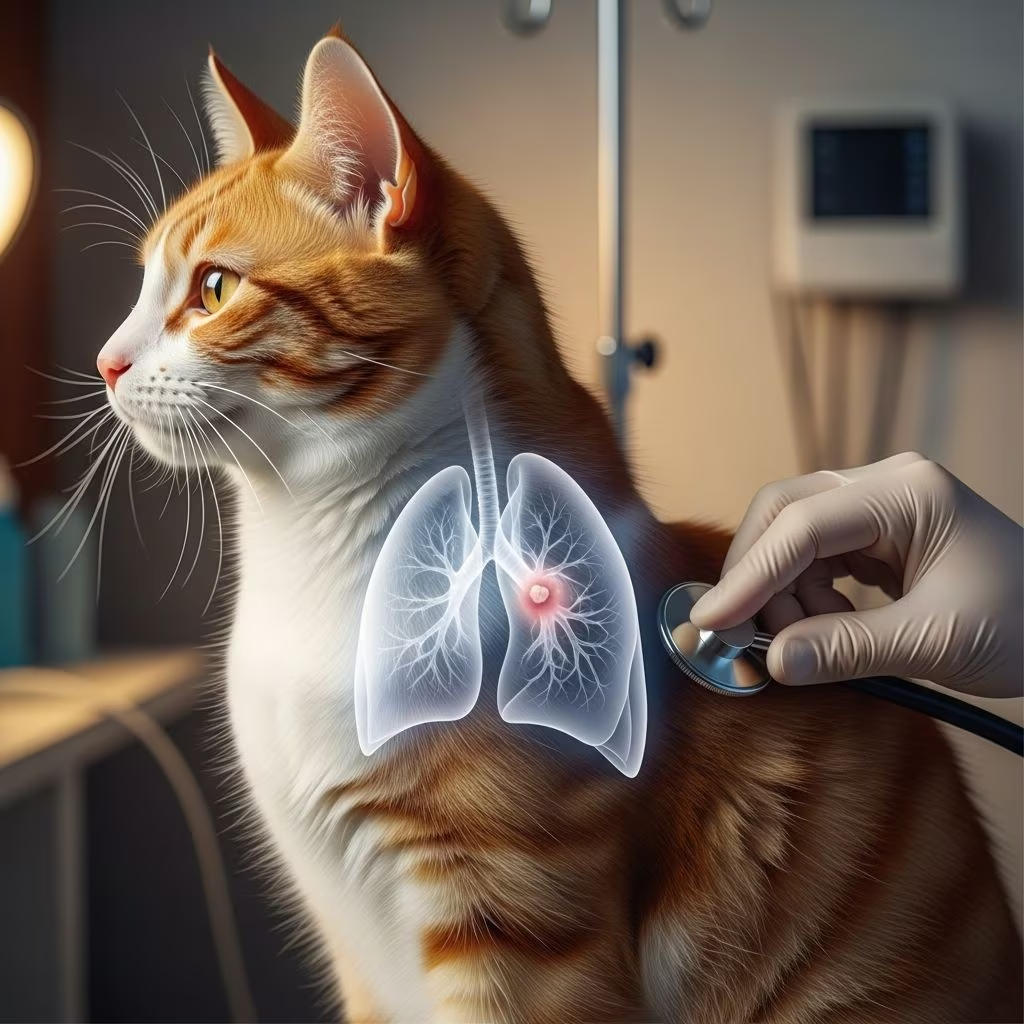
Lung tumors in cats represent a serious respiratory challenge, primarily affecting senior felines. These growths, often malignant, can impair breathing and overall vitality if not addressed promptly. Understanding their presentation, evaluation methods, and care pathways empowers cat owners to collaborate effectively with veterinarians.
Recognizing Early Indicators of Pulmonary Neoplasia
Cats with lung tumors may display subtle or overt signs that mimic common ailments like asthma or infections. Key clinical manifestations include rapid or labored respiration exceeding 40 breaths per minute, audible wheezing, and persistent coughing sometimes producing blood-tinged sputum. Additional alerts encompass unexplained weight reduction, diminished appetite, general fatigue, and occasional limb discomfort from secondary effects like hypertrophic osteopathy.
In many instances, tumors are discovered incidentally during routine imaging for unrelated concerns, as affected cats might remain asymptomatic initially. Fever, vomiting, or regurgitation can also arise, complicating differentiation from gastrointestinal issues. Prompt observation of these patterns is crucial, as early detection correlates with superior management prospects.
Risk Elements and Predisposing Factors
Although uncommon, primary lung tumors favor older cats without strong breed links. Environmental exposures to carcinogens such as secondhand smoke, radon, or airborne pollutants heighten susceptibility, underscoring the value of clean living spaces. No definitive genetic markers exist, yet maintaining optimal health through balanced nutrition and routine exams mitigates broader cancer risks.
Comprehensive Diagnostic Protocols
Confirming a lung tumor demands a multifaceted approach starting with a thorough physical assessment and baseline blood analyses to gauge organ function and exclude infections. Imaging forms the cornerstone: thoracic radiographs often reveal masses, though they may overlook minute lesions; advanced computed tomography (CT) offers superior resolution of tumor extent and metastasis.
Cytological confirmation via fine-needle aspiration or core biopsy is indispensable, potentially guided by bronchoscopy for airway lesions. Thoracocentesis drains pleural effusions hindering visualization. Staging evaluates spread to lymph nodes or distant sites, informing therapeutic decisions.
Treatment Modalities for Pulmonary Masses
Therapy hinges on tumor characteristics, feline condition, and owner preferences. For isolated, non-invasive lesions, lobectomy—excising the afflicted lung segment—yields median survival of 12-18 months absent recurrence. Cats tolerate single-lobe removal well given their five-lobe anatomy.
| Treatment Type | Indications | Expected Outcomes | Potential Side Effects |
|---|---|---|---|
| Surgical Lobectomy | Solitary, non-metastatic tumors | 1-1.5 years survival; tumor regression | Anesthesia risks; post-op recovery |
| Stereotactic Radiation (SRS/SRT) | Inoperable masses; owner prefers non-surgical | Tumor shrinkage; remission possible | Mild skin irritation; lung inflammation |
| Chemotherapy (e.g., Mitoxantrone) | Metastatic or adjuvant post-surgery | Slows progression; limited response | Gastrointestinal upset; low toxicity |
| Palliative Measures | Advanced disease | Comfort enhancement | Minimal; supportive only |
Radiation, particularly stereotactic variants, targets tumors precisely over 1-5 sessions under anesthesia, minimizing healthy tissue impact and promoting mass reduction. Chemotherapy protocols, like mitoxantrone every 3-5 weeks, serve adjuvant roles or for disseminated disease, demonstrating extended survival in select cases—up to 34 months post-pneumonectomy.
For widespread or unresponsive cancers, palliative strategies prioritize welfare: analgesics alleviate discomfort, fluid therapy combats dehydration, nutritional aids sustain weight, and cough suppressants ease respiration. Anti-inflammatories, antibiotics for secondary infections, and oxygen supplementation further bolster quality of life.
Prognostic Considerations and Long-Term Outlook
Outcomes vary widely; resectable primary adenocarcinomas portend better fates than metastatic forms. Factors like low-grade histology, absent pleural effusion, and minimal symptoms favor longevity. Advanced cases often necessitate comfort-focused care, with survival measured in months. Regular monitoring via imaging tracks progression, guiding adjustments.
Preventive Measures and Lifestyle Adjustments
- Eliminate tobacco smoke and pollutant exposure in the home environment.
- Schedule annual veterinary wellness checks, emphasizing thoracic auscultation for seniors.
- Promote obesity prevention through tailored diets and activity to fortify immunity.
- Monitor for respiratory shifts, seeking immediate care for anomalies.
These steps, while not eradicating risk, optimize resilience against oncologic threats.
Frequently Asked Questions (FAQs)
Can lung tumors in cats be benign?
Most are malignant carcinomas, but rare benign nodules occur; biopsy distinguishes them definitively.
How quickly does feline lung cancer progress?
Variable; indolent primaries may linger months asymptomatically, while aggressive types spread rapidly.
Is surgery safe for older cats with lung masses?
Viable for fit candidates; multi-lobe functionality compensates well post-resection.
What home care supports a cat undergoing lung tumor treatment?
Quiet recovery spaces, assisted feeding, pain monitoring, and vet-directed medications enhance compliance.
Does chemotherapy extend life significantly in feline pulmonary cases?
Limited efficacy overall, but adjuvant use post-surgery can prolong remission substantially.
Navigating Veterinary Oncology Partnerships
Engaging specialists like oncologists refines plans. Owners should discuss risks, costs, and realistic expectations openly. Emotional support resources aid coping with chronic illness trajectories.
In summary, vigilance and informed choices transform lung tumor management from daunting to manageable, preserving cherished feline bonds.
References
- Lung Cancer in Cats – Causes, Treatment and Associated Conditions — Vetster. 2023. https://vetster.com/en/conditions/cat/lung-cancer
- Lung Cancer in Cats: Signs, Diagnosis, and Treatment — The Webinar Vet. 2023. https://thewebinarvet.com/blog/lung-cancer-in-cats-symptoms-diagnosis-and-treatment
- Lung Cancer In Cats — PetCure Oncology. 2023. https://petcureoncology.com/lung-cancer-in-cats/
- Lung Cancer in Cats — PetMD. 2023. https://www.petmd.com/cat/conditions/respiratory/lung-cancer-cats
- Treatment of a well differentiated pulmonary adenocarcinoma in a cat by pneumonectomy and adjuvant mitoxantrone chemotherapy — PMC (NC State University). 2004-01-15. https://pmc.ncbi.nlm.nih.gov/articles/PMC10822343/
- Radiation Oncology: Lung Cancer in Dogs and Cats — NC State University College of Veterinary Medicine. 2023. https://hospital.cvm.ncsu.edu/services/small-animals/cancer-oncology/radiation-oncology/lung-cancer-in-dogs-and-cats/



